



EU-Mercosur Trade Deal Hangs in the Balance: A High-Stakes Diplomatic Chess Match
- Agricultural protectionism challenges landmark 25-year trade negotiations between Europe and South America










概览
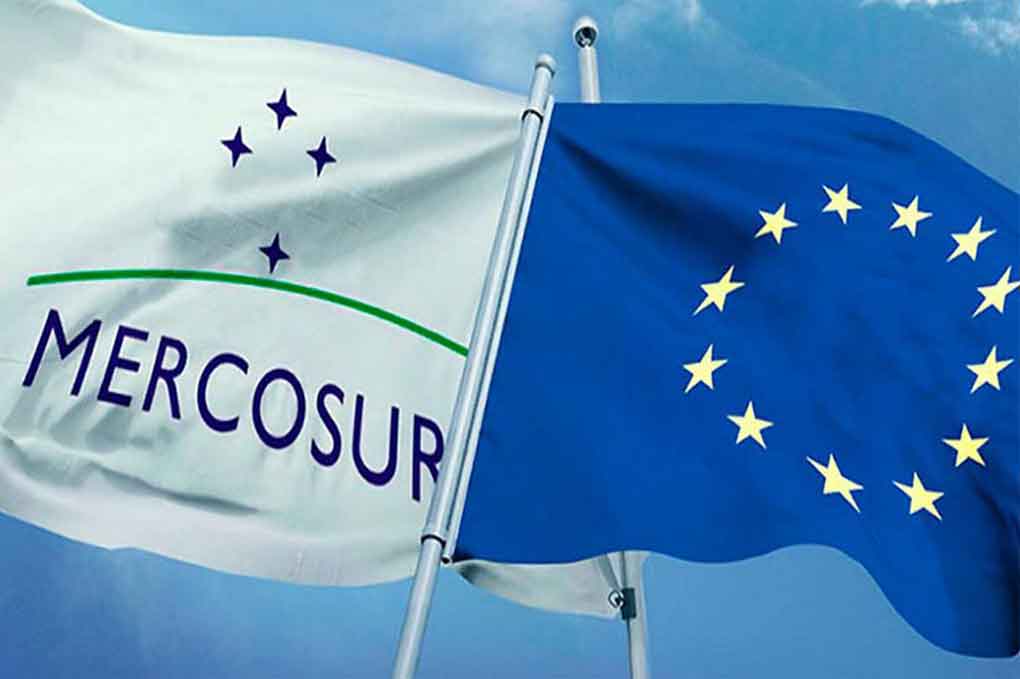
The EU-Mercosur trade negotiations represent a pivotal moment in international economic diplomacy, where agricultural politics, geopolitical strategy, and market access converge in a complex standoff. At the heart of this quarter-century negotiation lies a $100 billion trade potential that could reshape global agricultural and manufacturing markets, yet faces unprecedented resistance from French agricultural interests.
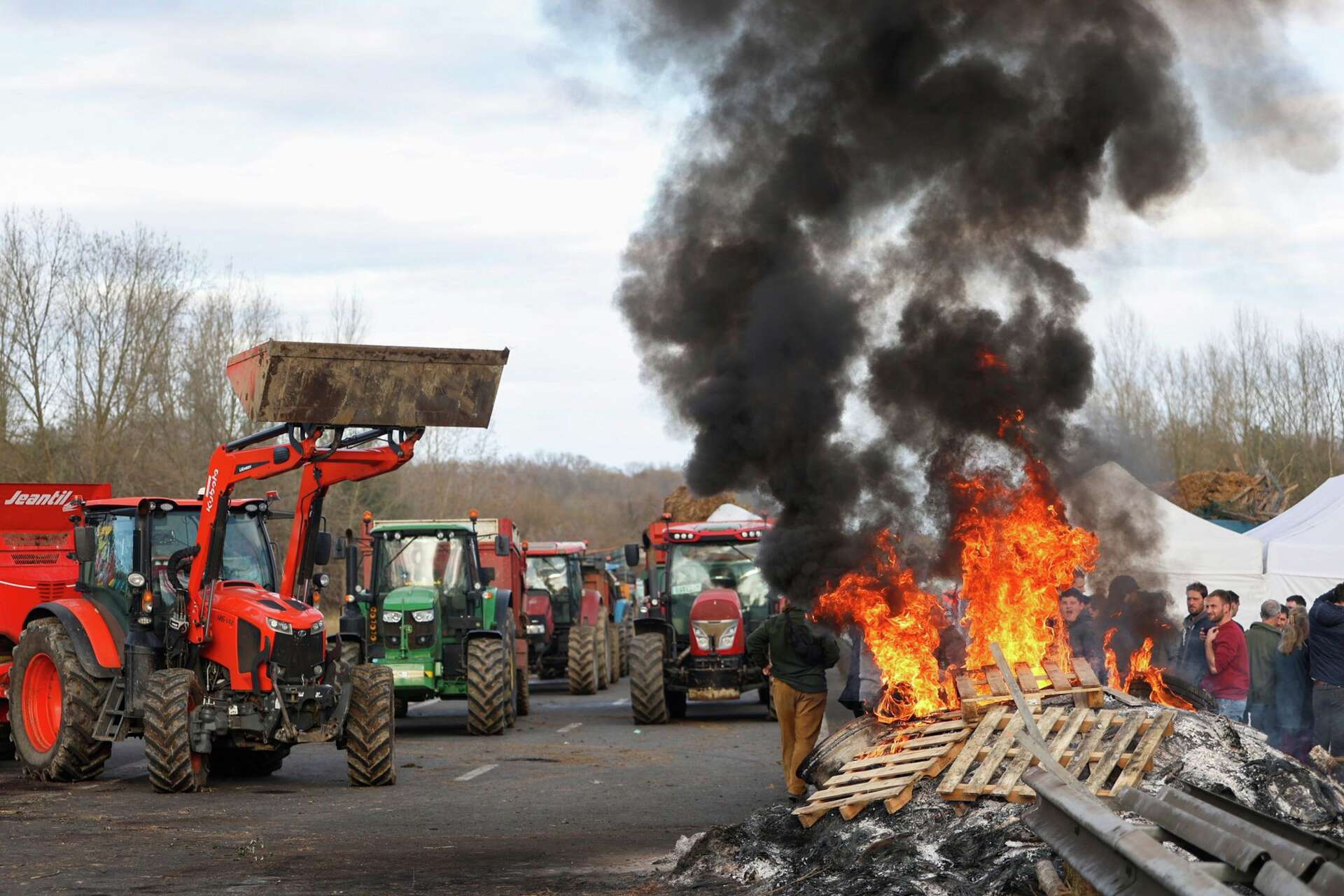
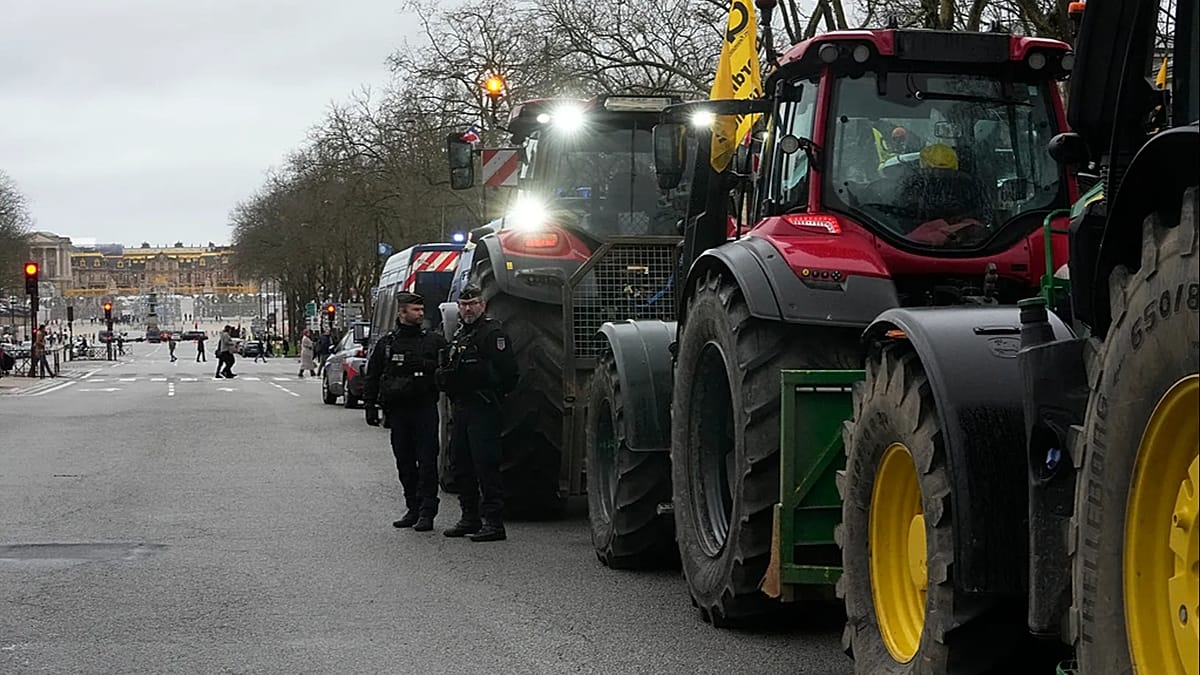
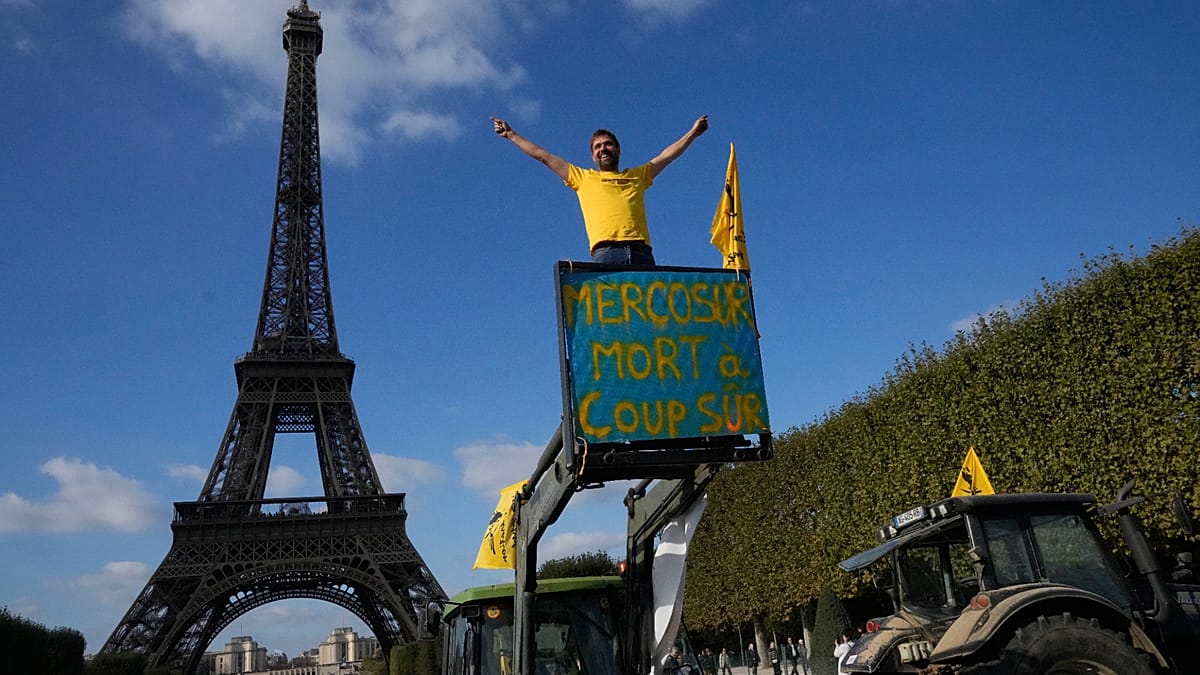
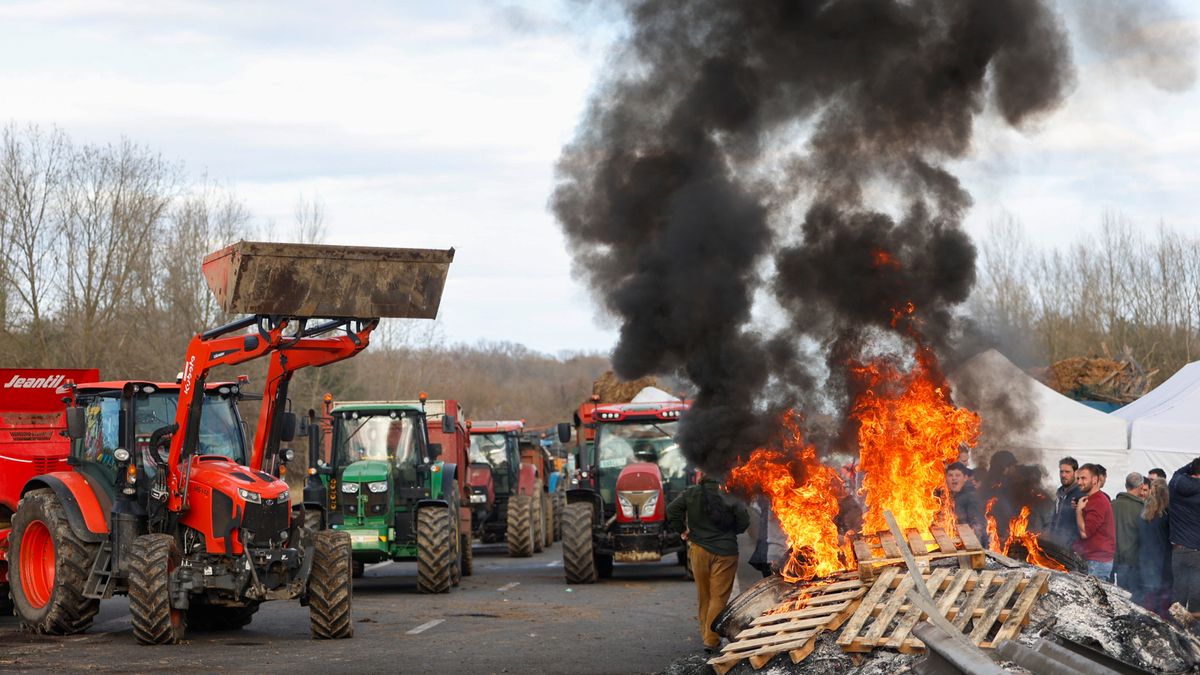
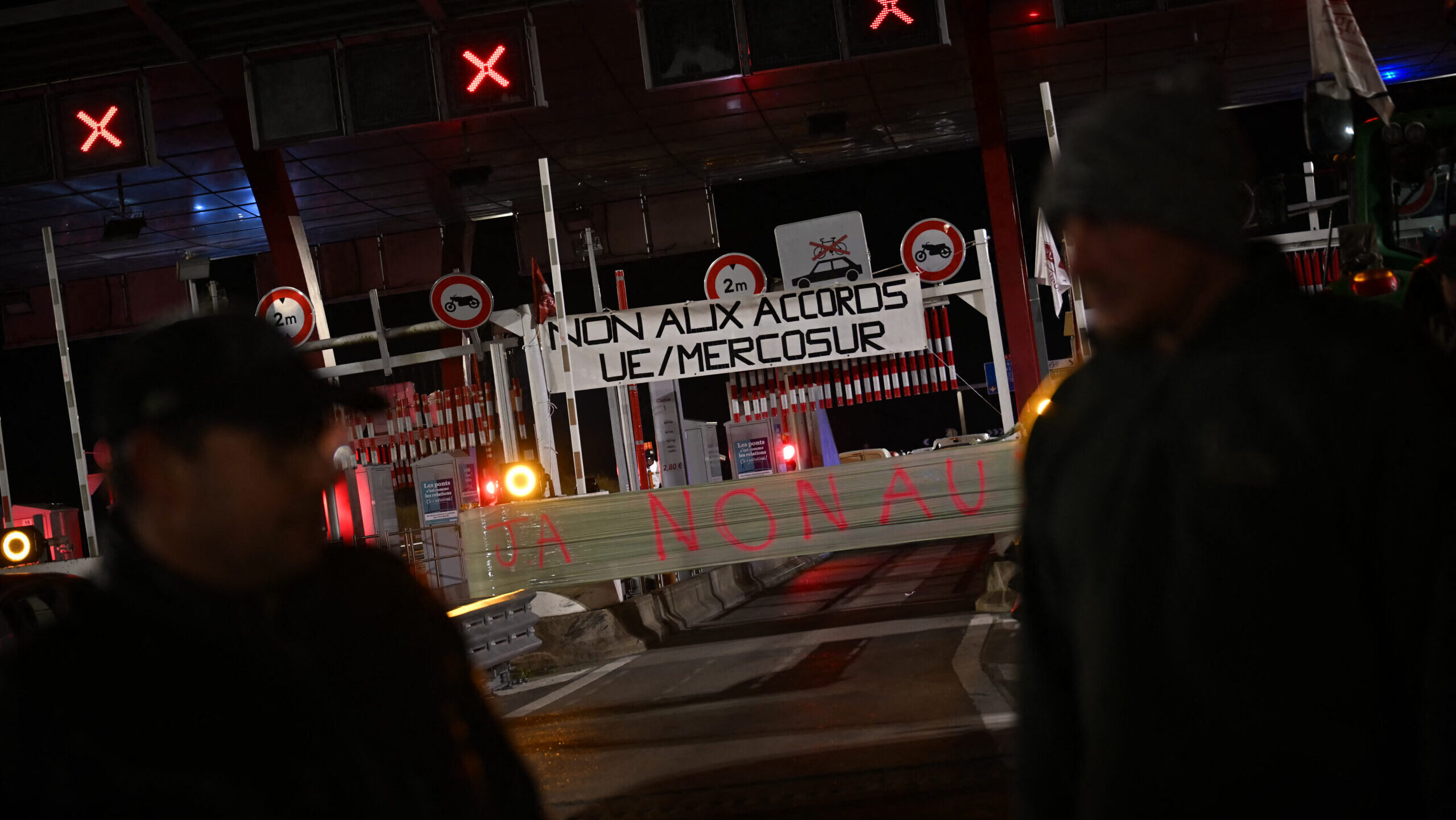
The proposed agreement, which would create the world's largest free-trade zone, is now teetering on a razor's edge. France's agricultural sector has emerged as the primary roadblock, demanding stringent safeguards that would effectively neutralize the deal's competitive advantages. With up to 10,000 farmers preparing to protest in Brussels and a potential blocking minority forming among EU member states, the negotiations have transformed from a trade discussion into a high-stakes political confrontation.
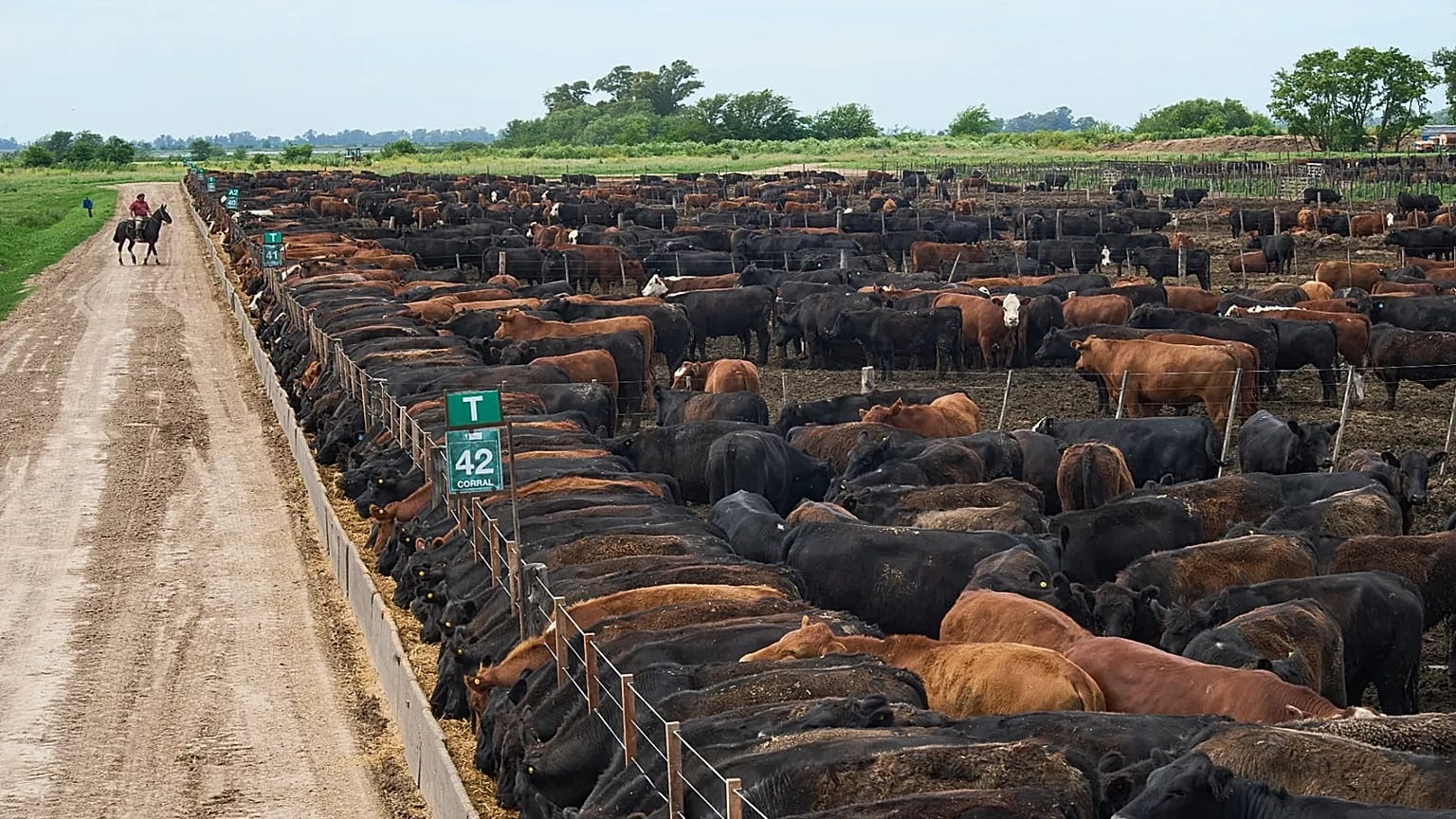
The strategic implications extend far beyond simple tariff reductions. Supporting countries like Germany, Spain, and Nordic nations view this deal as a critical mechanism to diversify export markets, reduce dependence on China, and access strategic minerals. Conversely, European farmers fear an influx of cheap commodities, particularly beef from Mercosur countries, which could dramatically disrupt local agricultural ecosystems.
What makes this negotiation particularly fascinating is its delicate geopolitical choreography. The Mercosur bloc (Argentina, Brazil, Paraguay, and Uruguay) is losing patience, signaling potential alternative partnership explorations if the EU fails to consummate the agreement. This creates a compelling urgency: this might be the final opportunity to establish a landmark trade partnership that could redefine economic relationships between two continents.
For cross-border sellers and strategic investors, this dispute represents more than a trade negotiation—it's a potential inflection point in global market dynamics. Sectors like automotive, machinery, wine, and agriculture stand to experience significant competitive recalibration depending on the final agreement's structure.
問題 3
Why are French farmers opposing the EU-Mercosur trade deal?
French farmers fear an influx of cheaper agricultural commodities, particularly beef, from Mercosur countries. They demand strict safeguard mechanisms, including import dumping protections, pesticide standard compliance, and enhanced food safety inspections to protect their domestic market from potential competitive disruption.
What happens if the trade deal fails to be ratified?
If the deal collapses, Mercosur countries may seek alternative trade partnerships, potentially aligning with other global economic blocs. For the EU, this would mean losing a strategic opportunity to expand market access and geopolitical influence in South America.