


Terrorism's New Frontier: Community Resilience in the Face of Targeted Violence
- Unprecedented civilian heroism challenges terrorist strategies of fear and division


















概览
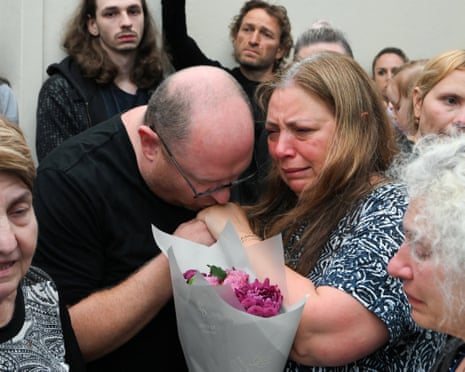
The Bondi Beach terrorist attack represents a critical inflection point in understanding modern ideologically motivated violence, revealing both the persistent threat of radicalization and the extraordinary power of individual human courage. The incident, which claimed 15 lives during a Hanukkah celebration, exposes multiple layers of contemporary security challenges that extend far beyond traditional counterterrorism frameworks.
At the core of this event lies a complex narrative of ideological motivation and systemic intelligence gaps. The father-son duo, Sajid and Naveed Akram, deliberately targeted the Jewish community with what Australian authorities describe as an ISIS-inspired mass-casualty event. Their preparation—including a November trip to the Philippines potentially for military-style training and possession of improvised explosive devices—demonstrates the sophisticated planning of modern terrorist networks.
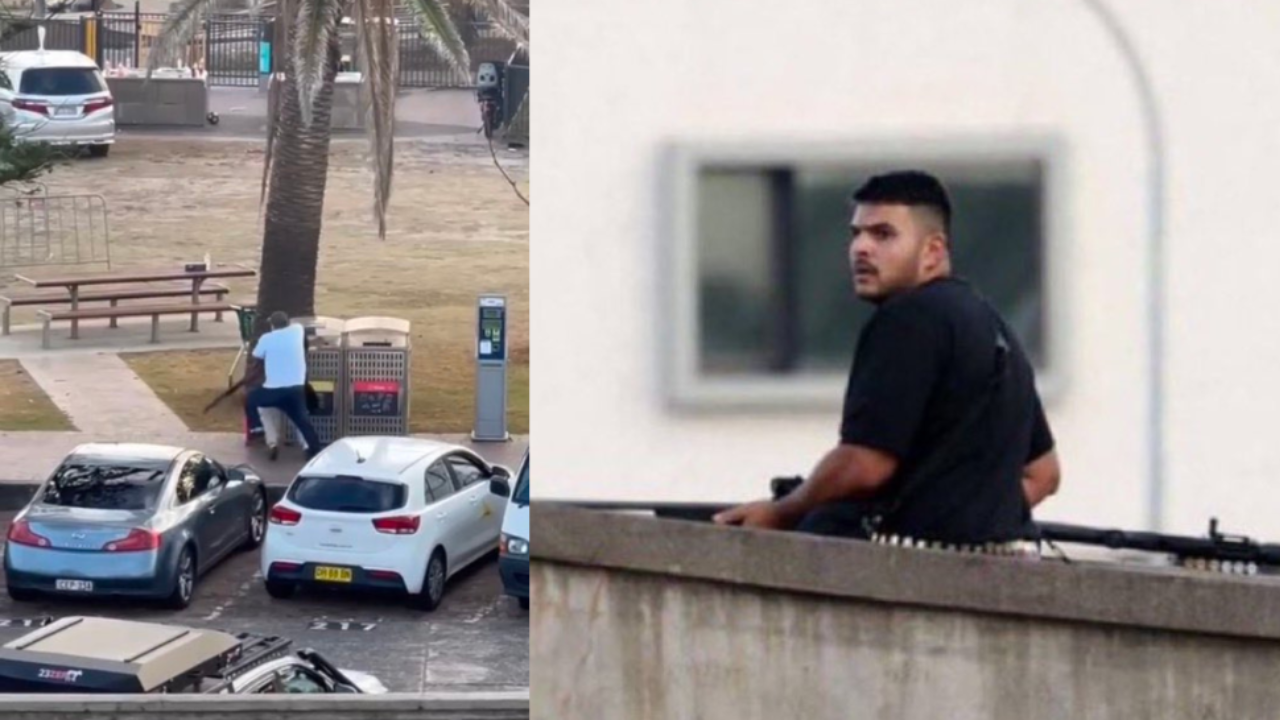
What transforms this tragedy into a profound societal statement is the remarkable response of ordinary citizens. Ahmed al Ahmed, a Syrian-born shop owner, emerged as a pivotal figure, confronting a gunman and potentially saving numerous lives despite being shot multiple times. His actions, alongside other civilians like Boris and Sofia Gurman and Reuven Morrison, highlight a critical counternarrative: terrorists aim to spread fear, but communities respond with unprecedented solidarity and courage.
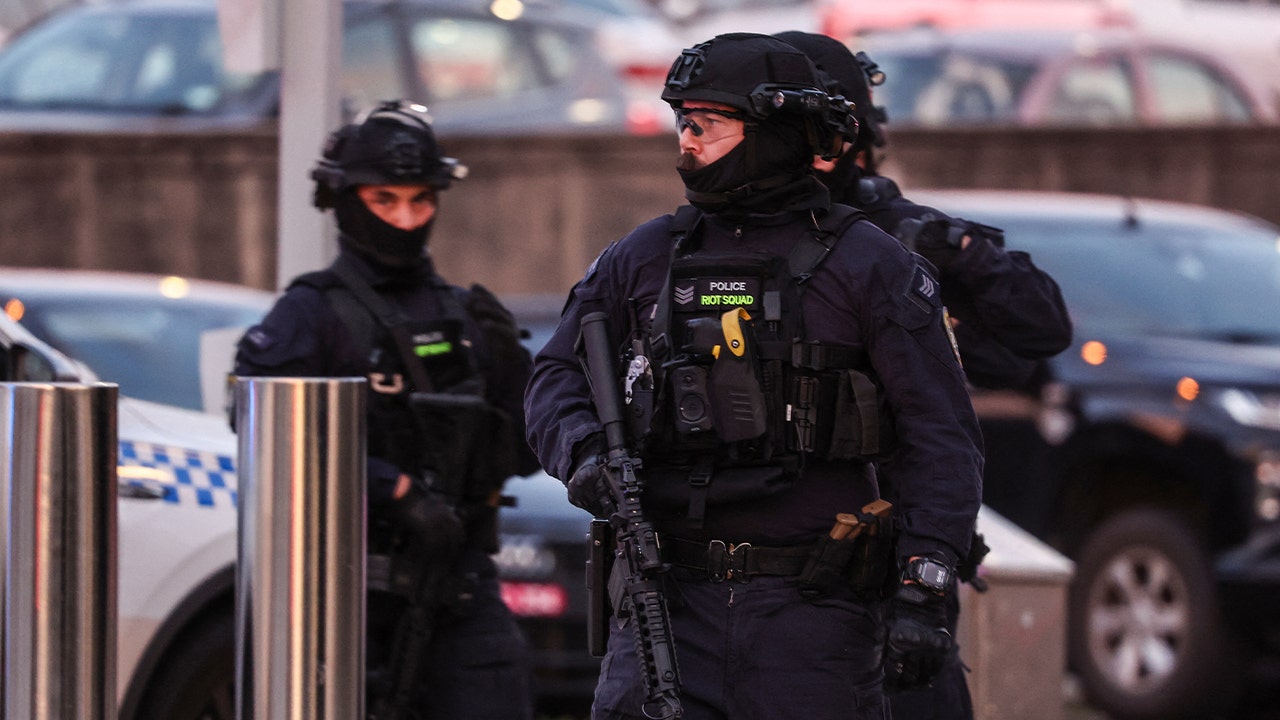
The attack's aftermath reveals critical systemic insights. Despite prior investigations by ASIO into Naveed Akram's pro-IS network connections in 2019, he was not deemed an imminent threat—underscoring the complex challenge of preemptive security. The incident has already triggered significant policy discussions, with national and state leaders pledging reforms to Australia's gun laws and counterterrorism strategies.
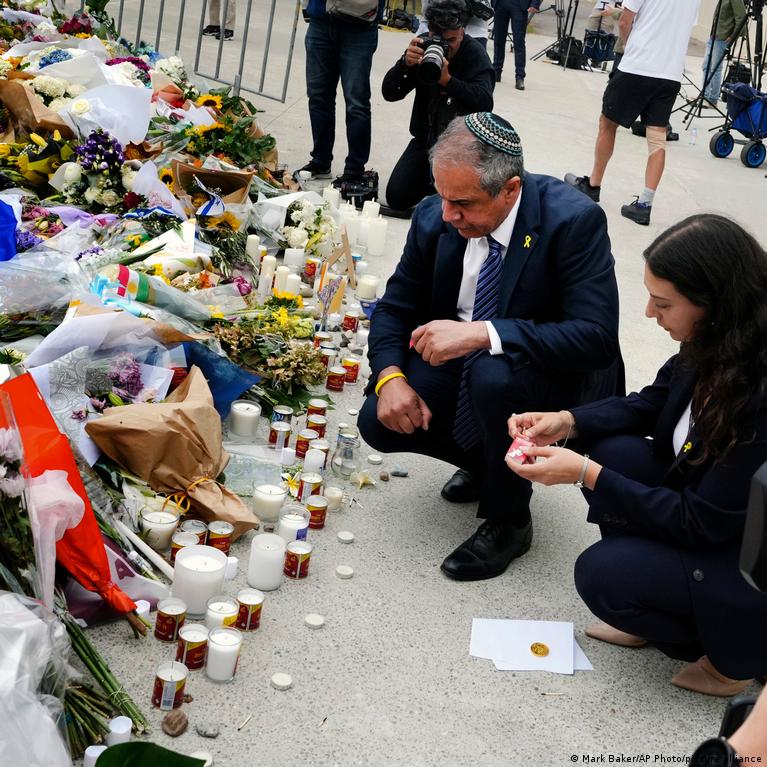
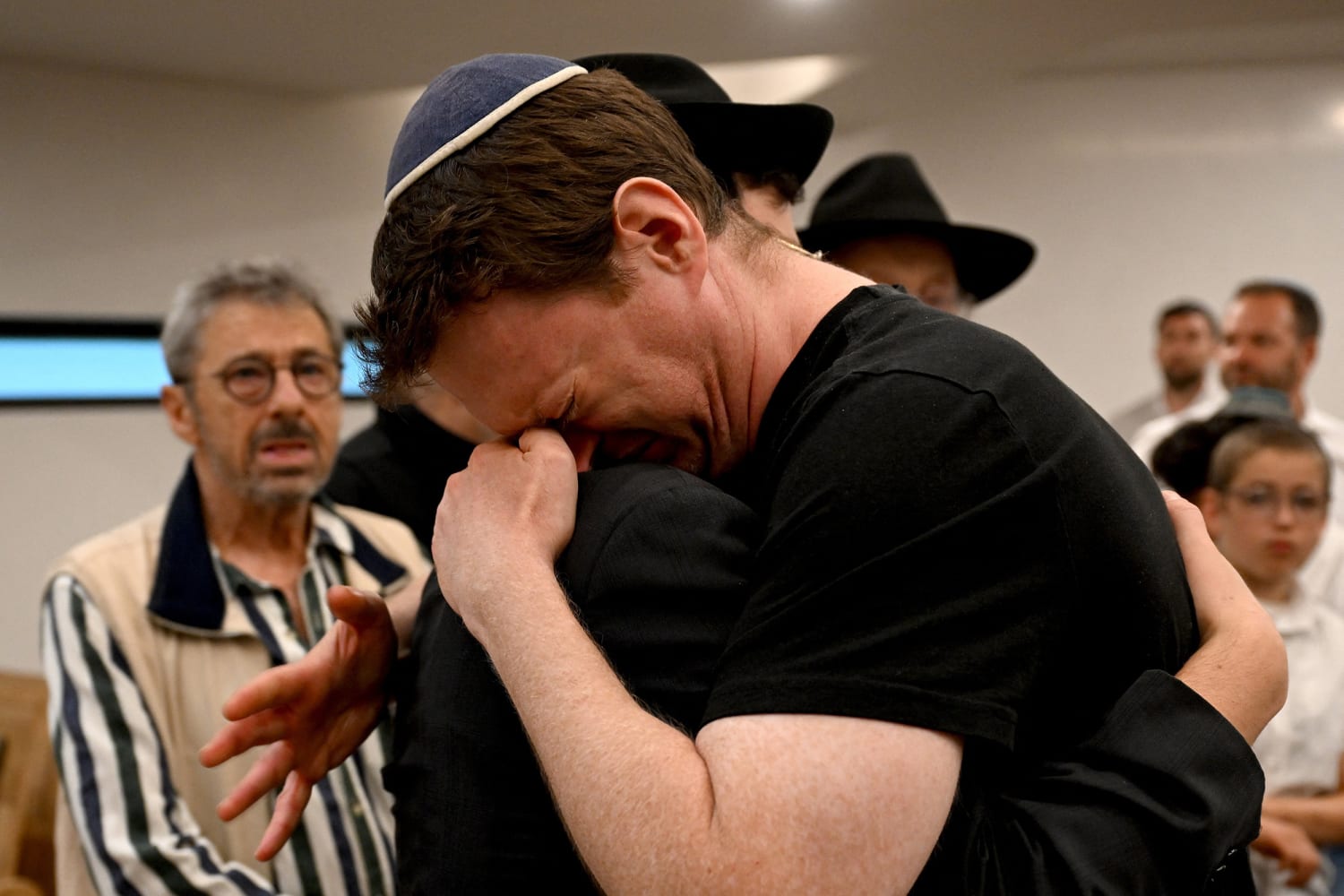
Fundamentally, this event transcends a singular terrorist attack. It represents a broader societal test of resilience, demonstrating how individual actions can dramatically reshape collective responses to violence. The community's immediate reaction—from heroic interventions to widespread support for victims and heroes—suggests that terrorist strategies of division and fear are increasingly being met with unified, courageous resistance.
問題 3
What are the potential long-term policy implications of this terrorist attack?
The incident is likely to trigger significant reforms in Australia's gun laws and counterterrorism strategies. National and state leaders are already discussing tightening regulations and improving intelligence monitoring to prevent similar attacks in the future.
What systemic intelligence challenges does this attack reveal?
The attack exposed gaps in preemptive security, as Naveed Akram had been previously investigated by ASIO in 2019 but not deemed an imminent threat. This highlights the complex challenge of identifying and preventing potential terrorist activities before they escalate.