
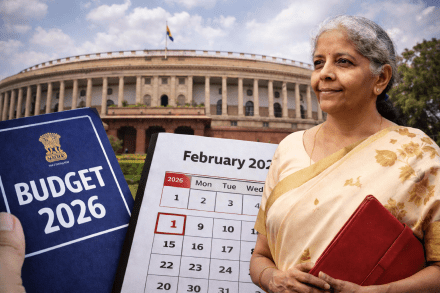
India Budget 2026: Cross-Border E-Commerce Transformation
- 5% Railway Investment Boosts Logistics for Digital Sellers
概览
The 2026 Indian Budget represents a strategic inflection point for cross-border e-commerce, signaling a comprehensive digital transformation strategy that directly impacts international sellers. Key Policy Signals: The budget's focus on infrastructure, technology incentives, and MSME support creates a robust ecosystem for digital commerce expansion.
Logistics and Connectivity Breakthrough: With ICRA Ratings projecting a 5% railway allocation increase, sellers can anticipate significant improvements in transportation infrastructure. This investment translates to enhanced supply chain efficiency, reduced logistics costs, and faster last-mile delivery capabilities for e-commerce platforms. The railway expansion directly correlates with improved connectivity across India's complex geographical landscape.
Technology and Innovation Incentives: EY India's recommendation to extend Production-Linked Incentive (PLI) schemes to emerging technologies like AI, robotics, and space technology presents unprecedented opportunities for digital platforms. Seller Implications: Technology-enabled sellers in sectors such as electronics, robotics accessories, and advanced consumer tech will find a more supportive regulatory environment. The budget signals a clear commitment to positioning India as a global digital commerce hub.
MSME Empowerment Strategy: The PHD Chamber of Commerce's push for easier financing and reduced regulatory burdens specifically targets small and medium e-commerce enterprises. This approach democratizes digital commerce, enabling more sellers to participate in cross-border trade with reduced financial and compliance barriers.
Strategic Positioning: India is transforming from a market entry point to a sophisticated digital commerce ecosystem, offering international sellers a compelling value proposition of reduced operational complexity, technology incentives, and expanding market access.
問題 5
How will the 2026 Budget impact cross-border e-commerce sellers in India?
The budget creates a more supportive ecosystem through infrastructure investments, technology incentives, and MSME financing reforms, reducing operational barriers and enhancing market access for international sellers.
What specific technology sectors will benefit from the new policy?
AI, robotics, and space technology sectors are expected to receive expanded Production-Linked Incentive schemes, creating opportunities for digital platforms and technology-enabled sellers.