




India's Tech Sovereignty Move Reshapes Global Smartphone Market
- Impacts 50M+ smartphone sellers in cross-border tech ecosystem































/sambad-english/media/media_files/2025/07/07/mobile-2025-07-07-14-02-57.jpeg)






概览
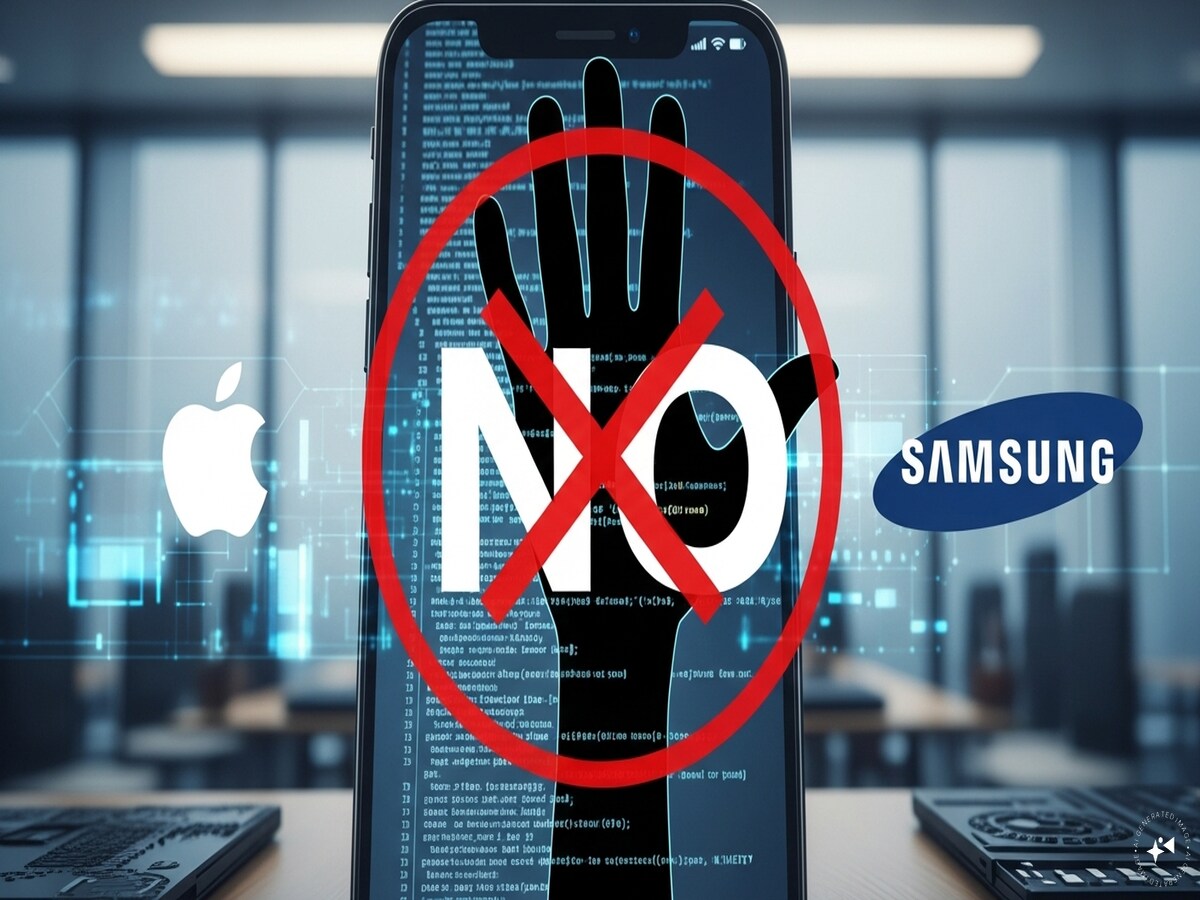
India's proposed smartphone source code regulations represent a critical inflection point for global technology manufacturers and cross-border e-commerce sellers. The unprecedented regulatory framework demands that tech giants like Apple and Samsung share proprietary source code with government laboratories, signaling a profound shift in technological sovereignty and data protection standards.
For cross-border technology sellers, this development creates both challenges and strategic opportunities. The regulations compel smartphone manufacturers to implement critical software modifications, including mandatory preinstalled app removal capabilities and enhanced background process controls. These requirements will fundamentally reshape smartphone software architecture, potentially creating new market entry points for innovative technology sellers targeting the world's second-largest smartphone market.
The regulatory landscape presents multiple strategic implications for international sellers. Apple and Samsung's strong objections highlight the potential competitive disruption, with proprietary technological details potentially becoming more accessible. This opens potential windows for smaller manufacturers and technology providers to gain market share by demonstrating robust compliance and innovative security approaches. The Indian government's openness to industry consultations suggests an evolving regulatory environment where adaptive sellers can potentially influence policy implementation.
The broader context of increasing global technology scrutiny means sellers must develop more sophisticated compliance strategies. Technology marketplaces and cross-border platforms will likely need to develop more robust verification mechanisms, creating opportunities for specialized compliance and security solution providers.
問題 5
Which technology seller segments are most likely to benefit from these changes?
Cybersecurity solution providers, compliance technology developers, and smaller smartphone manufacturers with agile regulatory adaptation capabilities are most likely to see strategic advantages in this evolving market landscape.
What are the potential risks for global smartphone manufacturers?
Primary risks include potential exposure of proprietary technological details, increased compliance costs, and potential market access restrictions if regulations are not met. Apple and Samsung's strong objections highlight the significant industry concerns.