



Europe's Financial Gambit: Turning Frozen Russian Assets into Ukraine's Lifeline
- A High-Stakes Diplomatic Maneuver Redefining International Financial Warfare






















概览
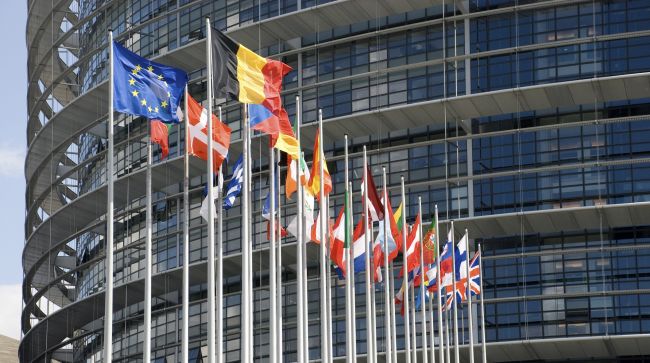
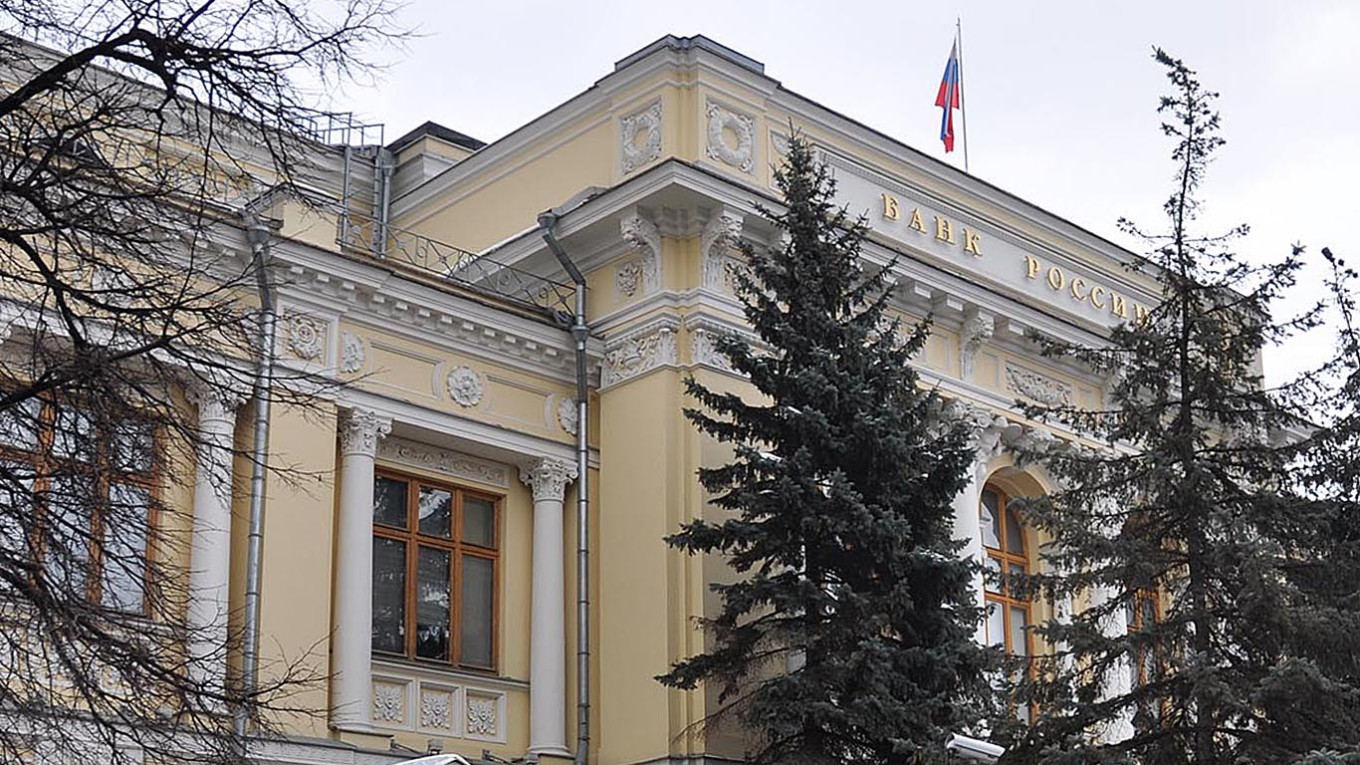
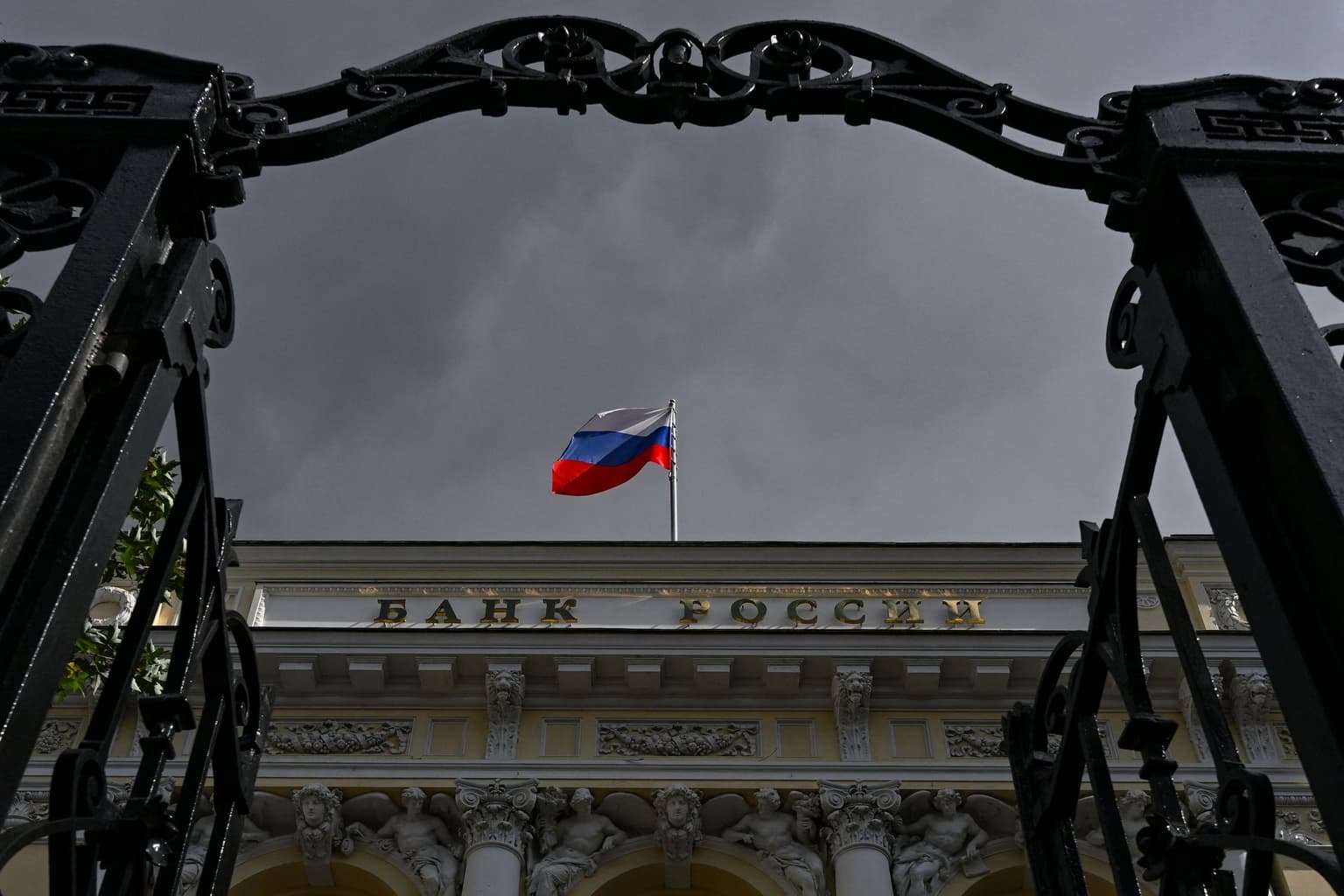
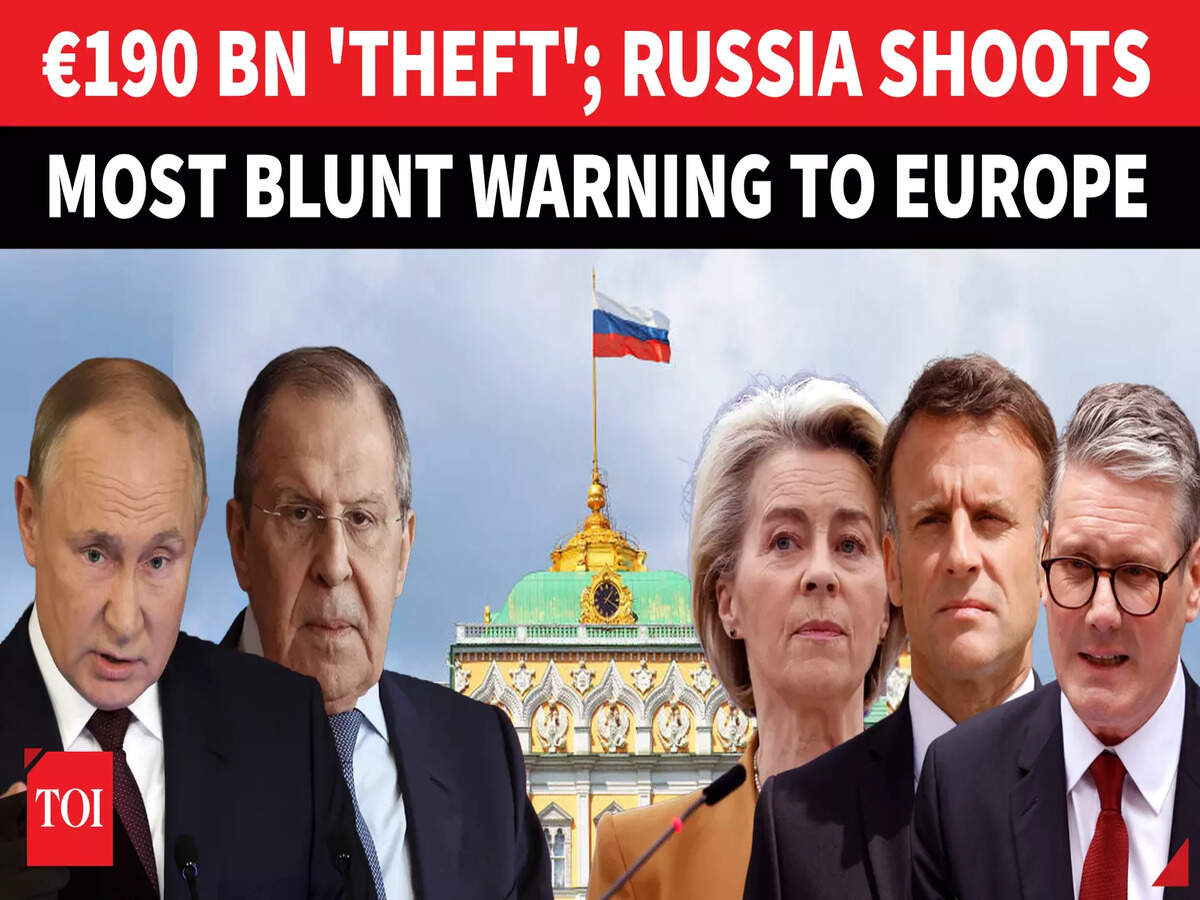
The European Union stands at a critical geopolitical crossroads, preparing to execute an unprecedented financial strategy that could fundamentally reshape international sanctions and conflict resolution mechanisms. At the heart of this complex maneuver lies a €210 billion plan to leverage frozen Russian central bank assets, transforming economic pressure into direct support for Ukraine.
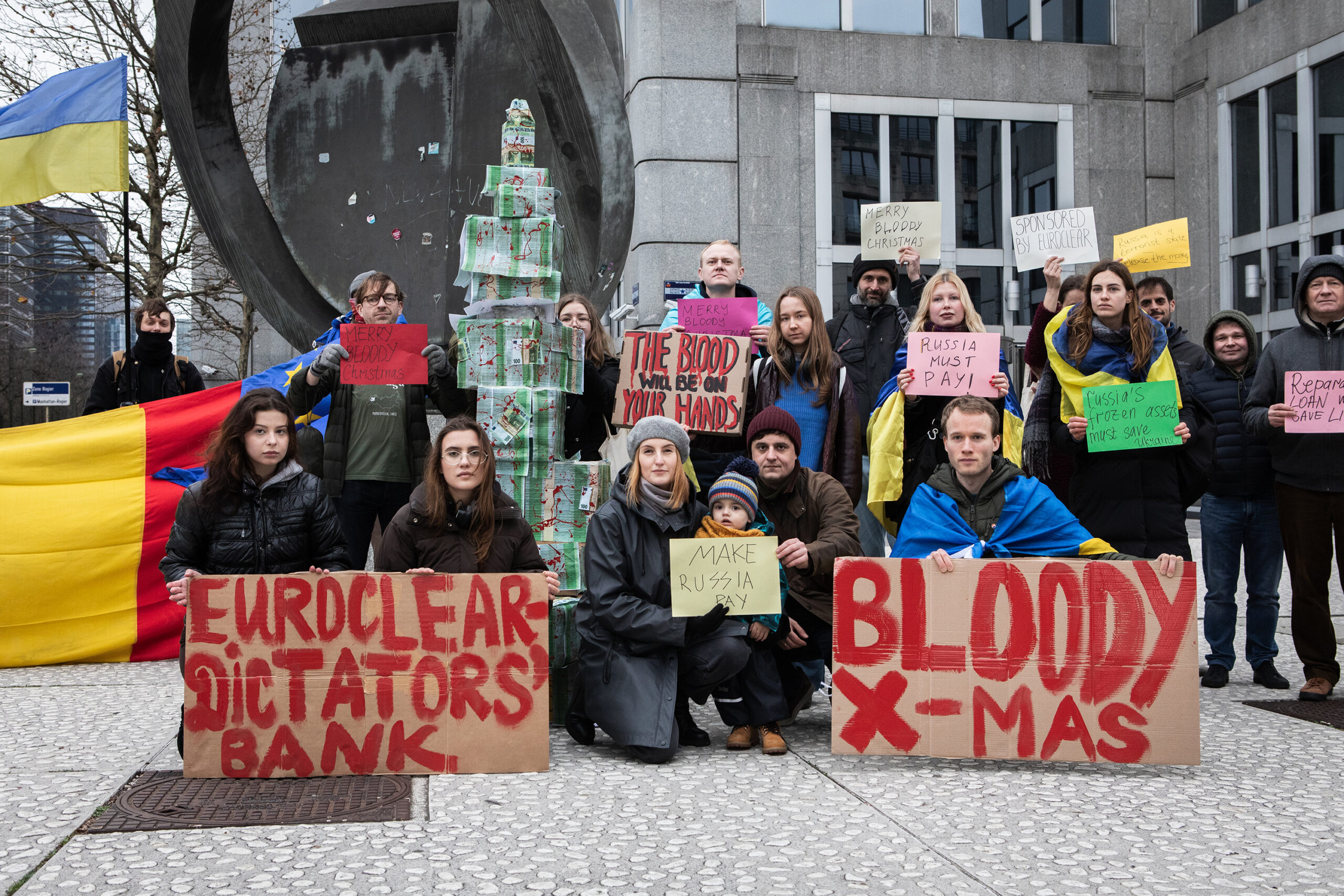
The proposed mechanism represents more than a financial transaction; it's a strategic chess move with profound implications. By potentially using Russian sovereign wealth held in Belgium's Euroclear clearinghouse as collateral for a Ukrainian loan, the EU is testing the boundaries of international financial warfare. This approach signals a radical departure from traditional sanctions, attempting to convert economic constraints into active support for a conflict-stricken nation.
The plan's complexity stems from multiple competing interests. Belgium's persistent resistance highlights the intricate legal and diplomatic risks involved. The Belgian government, along with several other EU members, fears potential Russian retaliation and legal challenges. Simultaneously, proponents like Germany argue that inaction poses a greater threat to European credibility and Ukraine's survival.
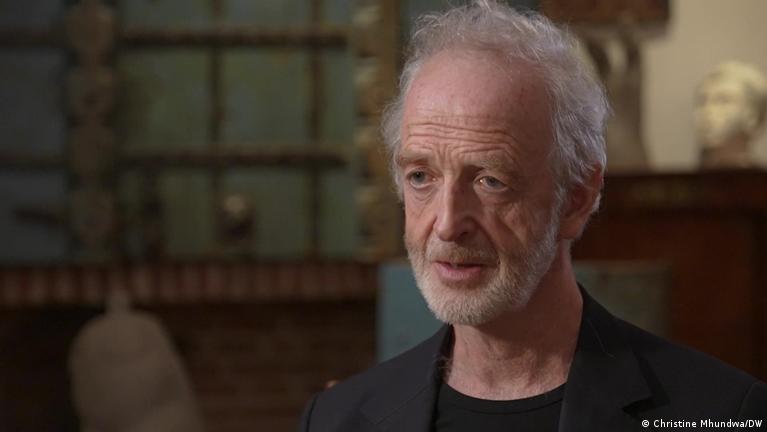
Hugo Dixon, a key architect of this strategy, frames the frozen assets as a strategic 'trump card' – a mechanism not just for financial support, but for maintaining geopolitical pressure on Russia. The proposed loan structure is ingenious: Ukraine would only repay funds if Russia agrees to compensate for war damages, effectively turning economic sanctions into a potential reparations mechanism.
The timing is critical. With the United States showing potential signs of wavering support and internal EU divisions becoming more pronounced, this financial strategy represents a decisive moment for European unity. The upcoming EU summit will determine whether this bold approach can be implemented, or whether diplomatic complexities will derail a potentially transformative intervention.
Ultimately, this is more than a financial decision – it's a test of Europe's collective resolve, its ability to innovate in response to complex geopolitical challenges, and its commitment to supporting Ukraine's sovereignty in the face of ongoing Russian aggression.
問題 3
What makes this financial approach different from traditional sanctions?
Unlike conventional sanctions that merely restrict economic activity, this approach seeks to actively convert frozen assets into a productive financial instrument. It transforms economic pressure into direct support for Ukraine, potentially setting a new precedent in international conflict resolution and financial diplomacy.
How does the EU plan to use frozen Russian assets to support Ukraine?
The EU is proposing a €210 billion loan mechanism using frozen Russian central bank assets held in Euroclear as collateral. The unique aspect is that Ukraine would only repay the loan if Russia agrees to compensate for war damages, effectively turning economic sanctions into a potential reparations strategy.