



)
Google Abandons Dark Web Monitoring Tool Amid User Experience Challenges
- Strategic pivot reveals limitations of current cybersecurity monitoring approaches for digital privacy protection































概览
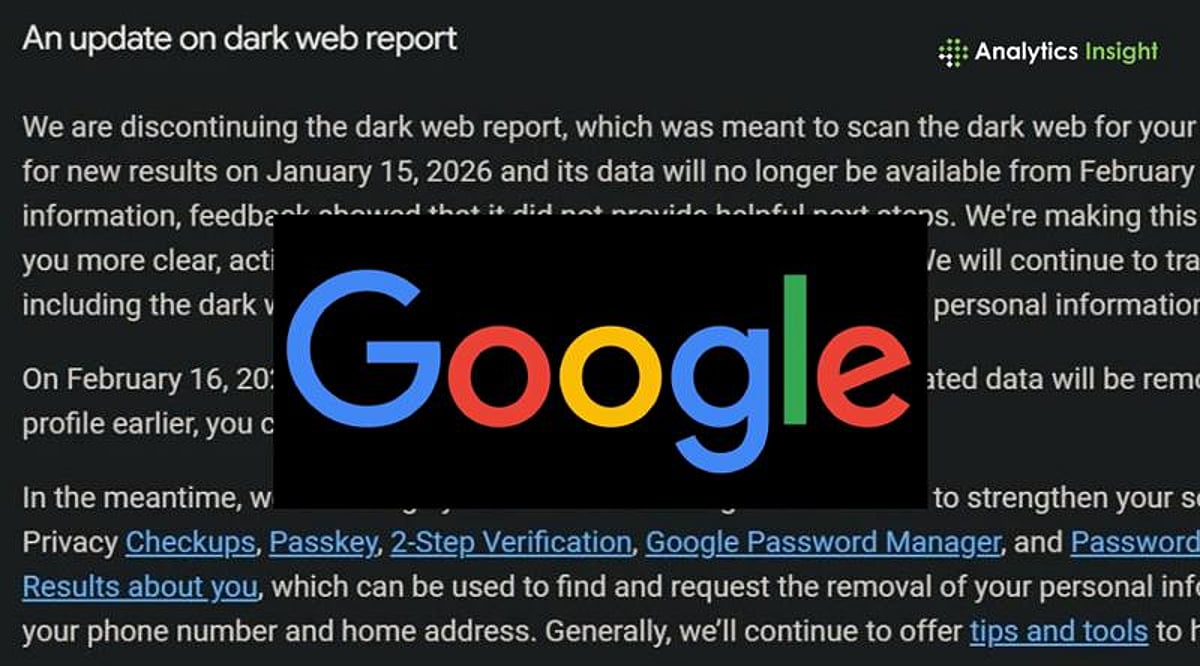
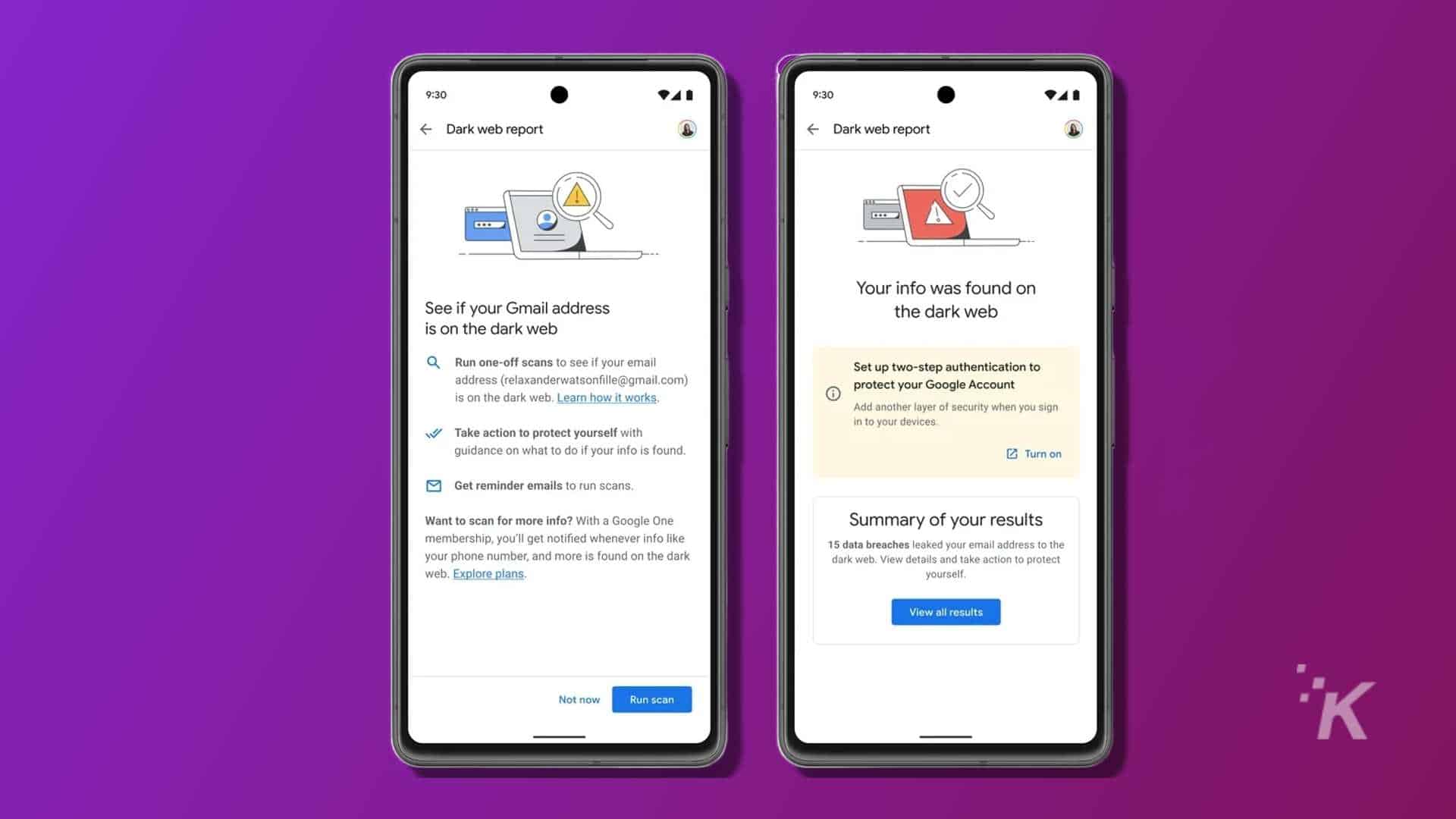
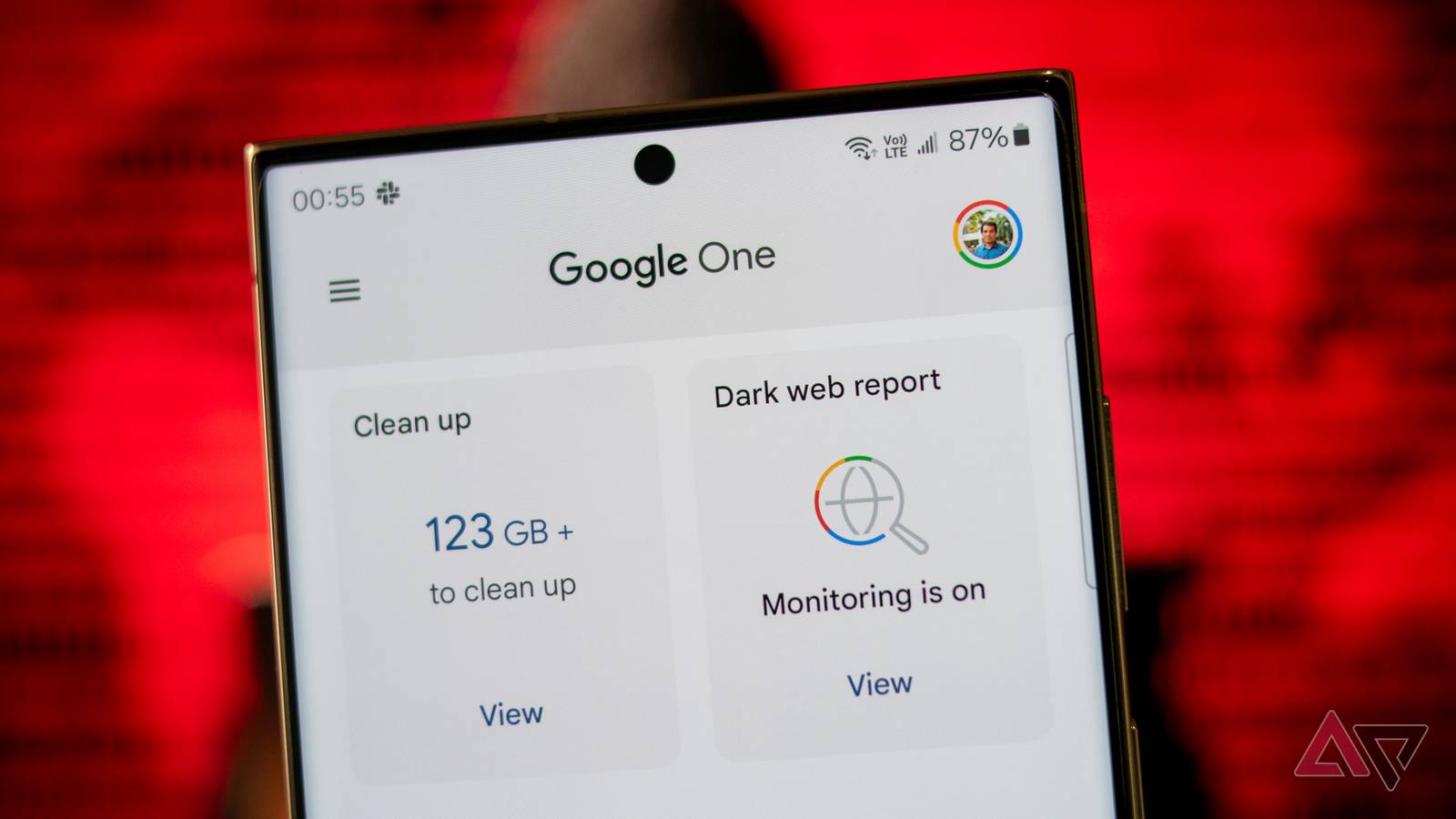
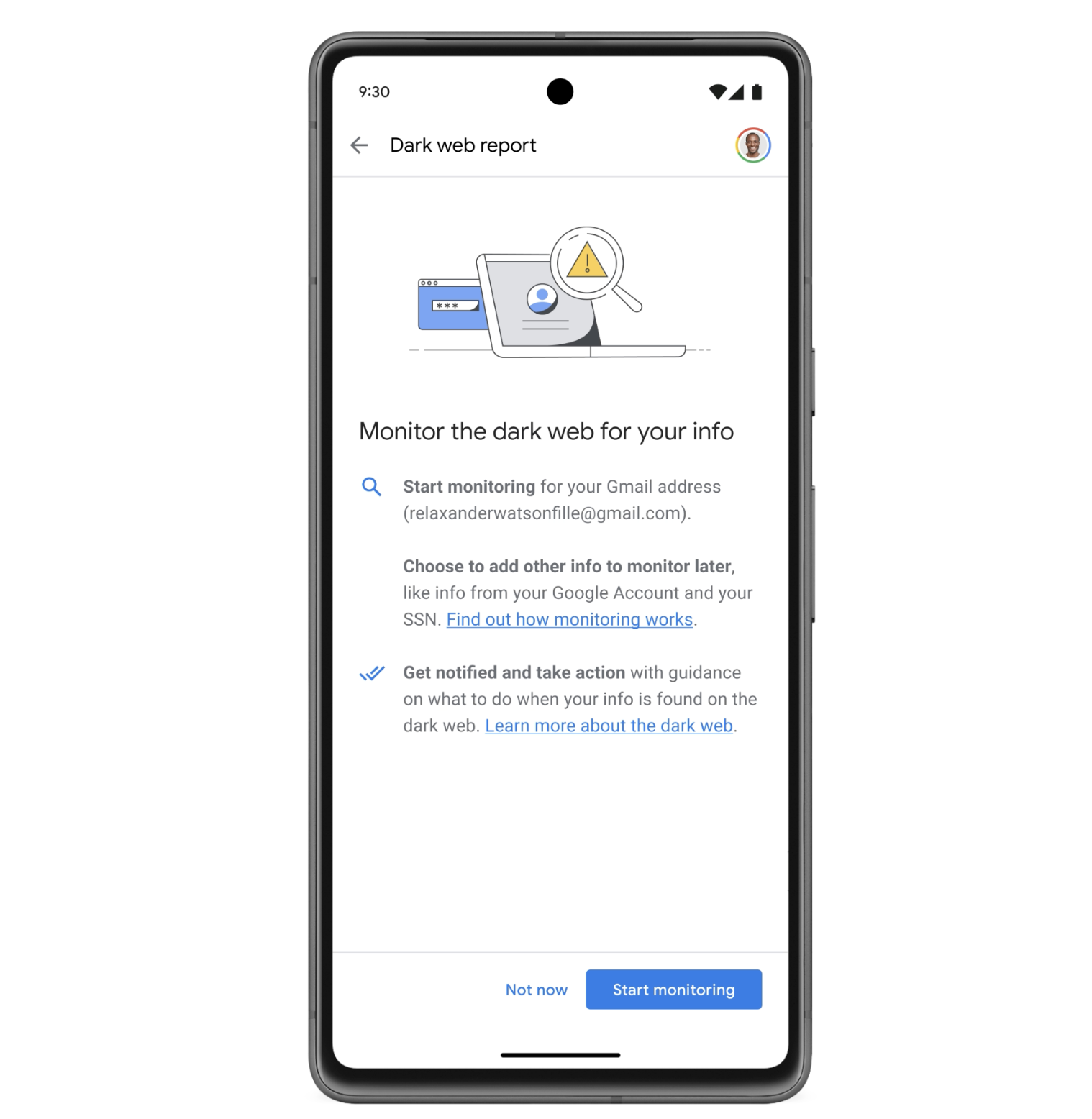
Cybersecurity landscape transformation is unfolding as Google strategically discontinues its Dark Web Monitoring Tool, signaling a critical inflection point in personal digital protection strategies. Launched in March 2023 and initially available to Google One subscribers before expanding to all users in July 2024, the tool will completely shut down by February 2026, with dark web scanning ceasing on January 15, 2026.
The core revelation is not merely a feature retirement, but a profound acknowledgment of user experience limitations in current threat monitoring approaches. Google's decision stems from consistent user feedback highlighting the tool's fundamental weakness: providing notifications about potential data breaches without offering clear, actionable remediation strategies. This reflects a broader challenge in cybersecurity—identifying risks is no longer sufficient; users demand comprehensive, practical protection mechanisms.
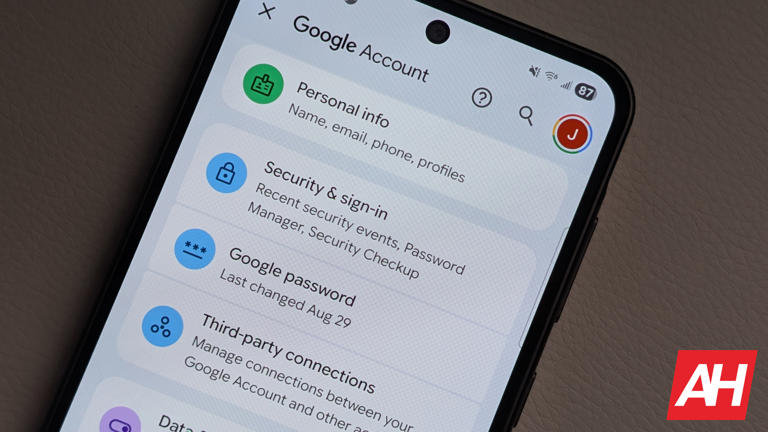
Strategic implications are significant. By proactively sunsetting an underperforming tool, Google demonstrates a commitment to evolving its security offerings. The company is redirecting efforts toward more holistic protection strategies, recommending alternative security measures like Security Checkup, Password Manager, and passkey authentication. This pivot suggests a maturation in digital privacy approaches—moving from passive monitoring to active, user-empowered protection frameworks.
For users and cybersecurity professionals, this development underscores a critical lesson: effective digital protection requires more than threat detection. It demands intuitive, actionable guidance that transforms abstract risk notifications into concrete security improvements. Google's move signals an industry-wide recognition that user experience and practical empowerment are as crucial as sophisticated threat identification technologies.
問題 3
What alternative security measures does Google recommend?
Google suggests using Security Checkup, Password Manager, and creating passkeys for phishing-resistant multi-factor authentication. They also recommend utilizing the 'Results about you' feature to remove personal information from Google Search results as part of a more comprehensive personal security strategy.
When will the Dark Web Monitoring Tool be completely shut down?
The tool will completely cease operations in February 2026, with dark web scanning stopping on January 15, 2026. Users are advised to proactively delete their monitoring profiles before the shutdown and explore alternative security methods.