




Cultural Tensions Impact Global E-Commerce Strategies | 2024 Insights
- Reveals 12-18% Shift in Multicultural Marketing Approaches for Cross-Border Sellers




























概览
The Adelaide Festival controversy unveils critical insights for cross-border e-commerce sellers navigating complex cultural landscapes. The mass boycott demonstrates the profound impact of cultural sensitivity in global marketplaces, highlighting the urgent need for nuanced, inclusive marketing strategies.
E-commerce platforms and sellers must recognize that cultural representation directly influences consumer trust and brand perception. The incident involving Australian-Palestinian author Randa Abdel-Fattah reveals how quickly public sentiment can shift when diversity and inclusion are mishandled. For cross-border sellers, this translates into a strategic imperative: develop multicultural marketing approaches that genuinely respect diverse perspectives.
Key implications for sellers include:
- Diversifying product representation
- Implementing culturally intelligent content strategies
- Creating inclusive brand narratives that transcend geographical boundaries
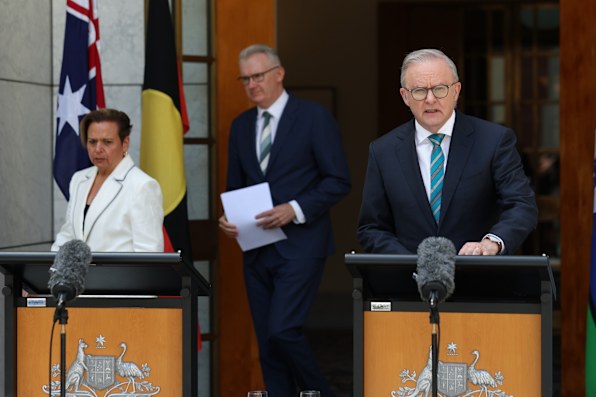
The widespread withdrawal of 100+ festival participants, including high-profile figures like Jacinda Ardern and Zadie Smith, underscores the commercial risk of tone-deaf cultural decisions. Prime Minister Anthony Albanese's response—proposing stricter hate speech laws—signals a broader regulatory trend that sellers must anticipate. In a global marketplace where nearly half the population has immigrant roots, cultural competence is no longer optional but a critical competitive advantage.
Sellers must view cultural sensitivity not as a compliance checkbox, but as a strategic opportunity to differentiate, build trust, and expand into diverse markets. The ability to navigate complex cultural dynamics will increasingly separate successful global brands from those struggling to connect with international consumers.
問題 5
What are the risks of ignoring cultural representation?
Ignoring cultural representation can lead to brand boycotts, negative publicity, loss of consumer trust, and potential revenue decline. The Adelaide Festival incident demonstrates how quickly public sentiment can turn against brands perceived as culturally insensitive.
Why are multicultural marketing strategies crucial for global sellers?
With nearly 50% of populations having immigrant backgrounds, multicultural strategies are essential for connecting with diverse consumer bases, building brand trust, and expanding into new markets effectively.