


NFL Injury Crisis Reveals Team Resilience and Strategic Depth Management
- Steelers' Roster Adaptability Tested Amid Multiple Key Player Absences










概览
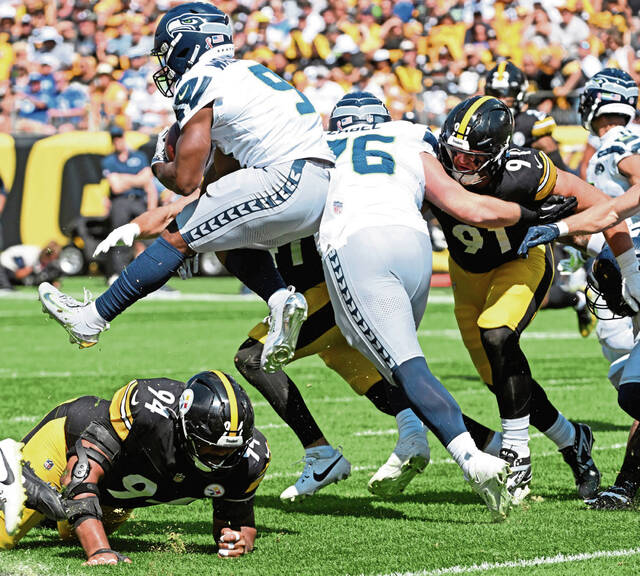
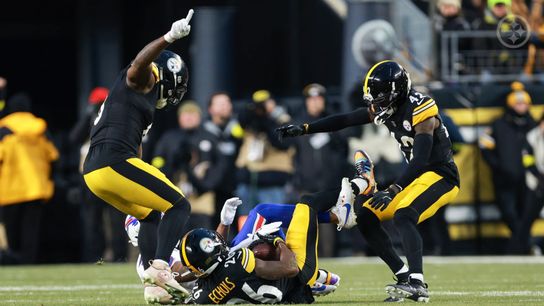
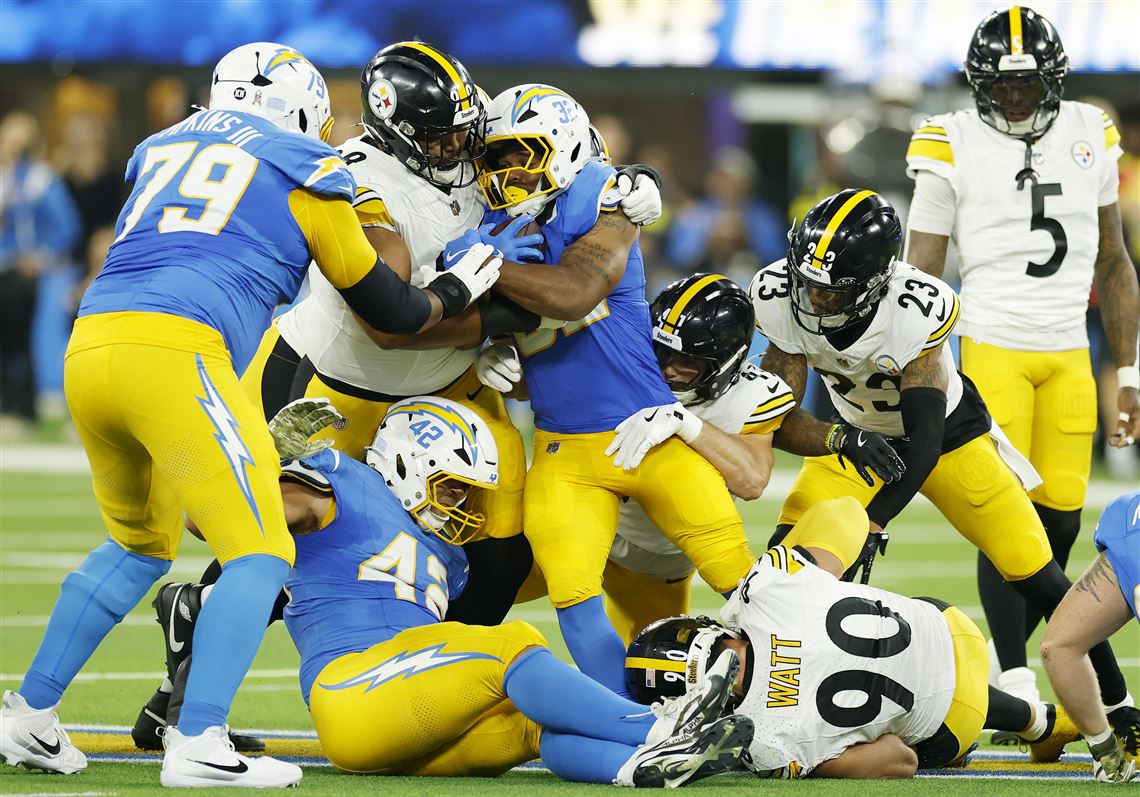
The Pittsburgh Steelers are confronting a critical moment of organizational resilience, with multiple key players sidelined for their Monday Night Football matchup against the Miami Dolphins. Injury management has become a pivotal strategic challenge that extends far beyond a single game's outcome.
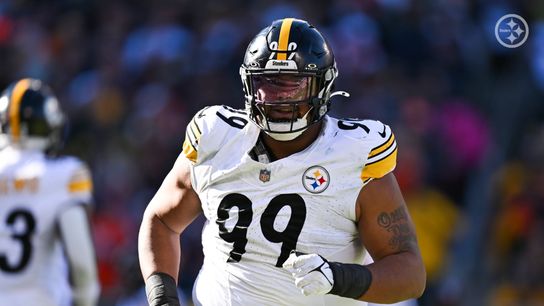
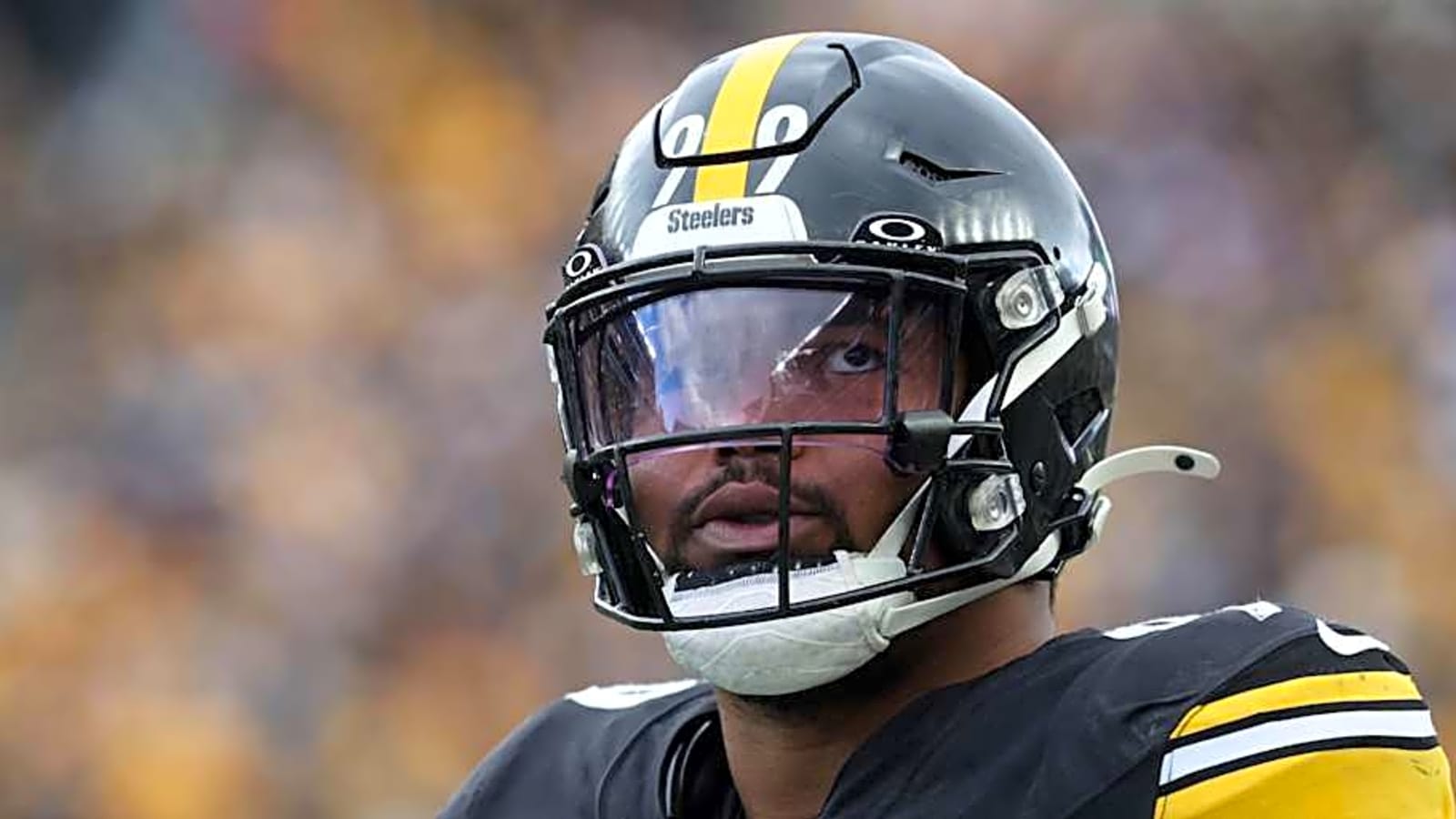
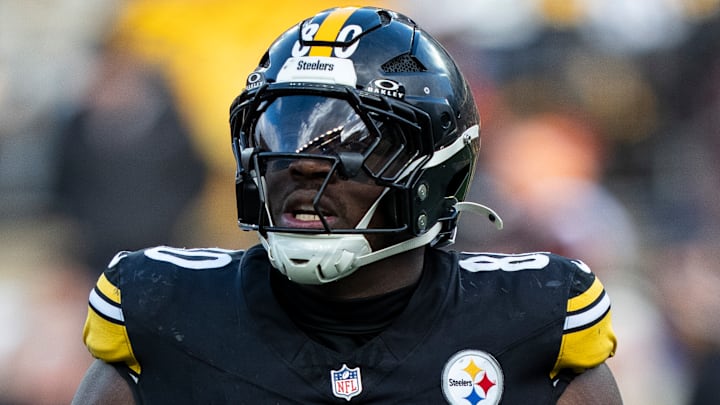
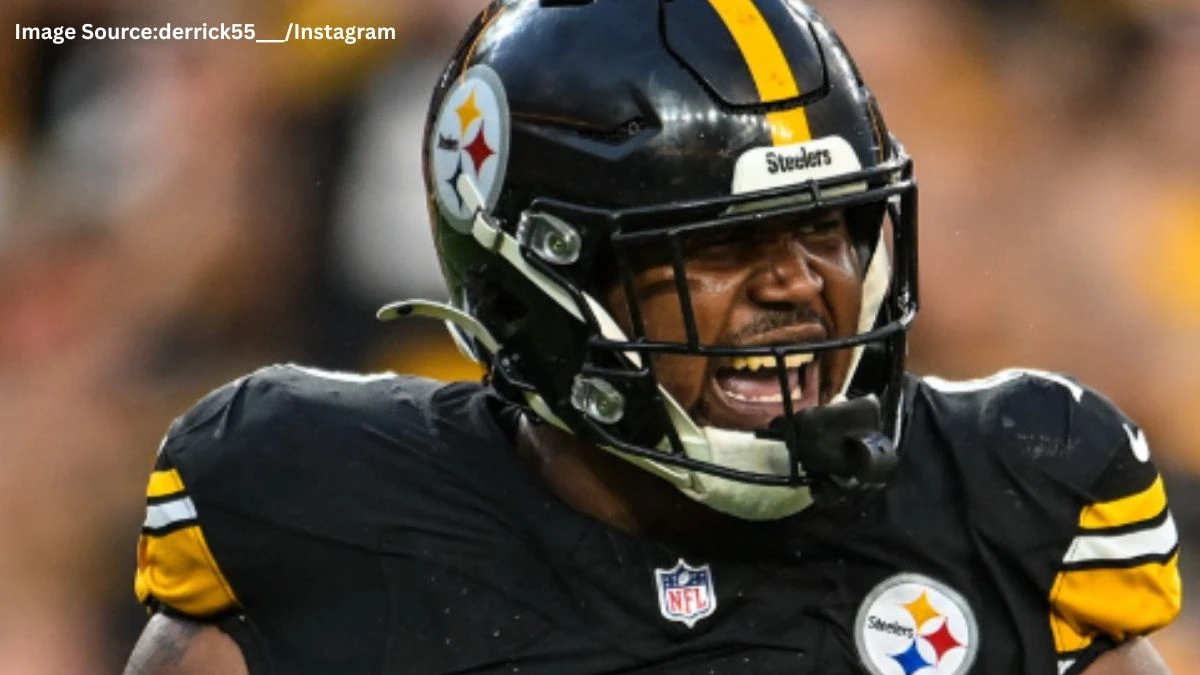
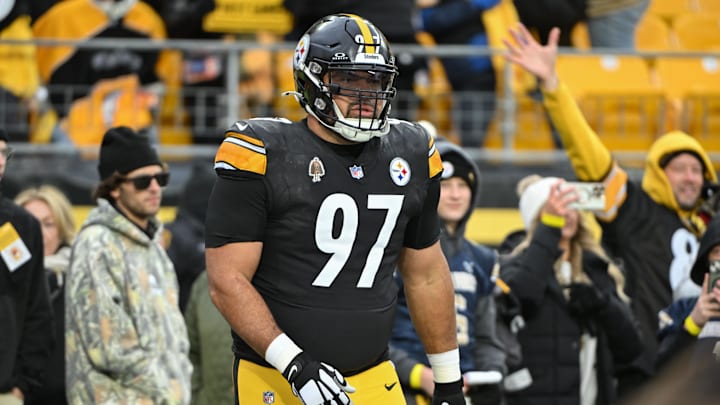
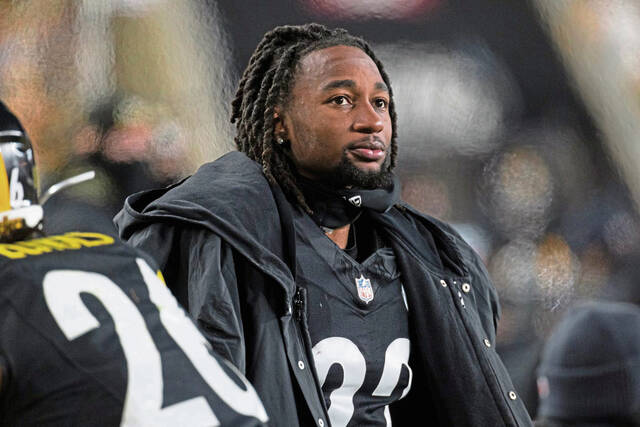
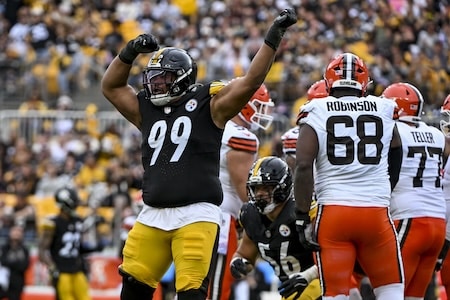
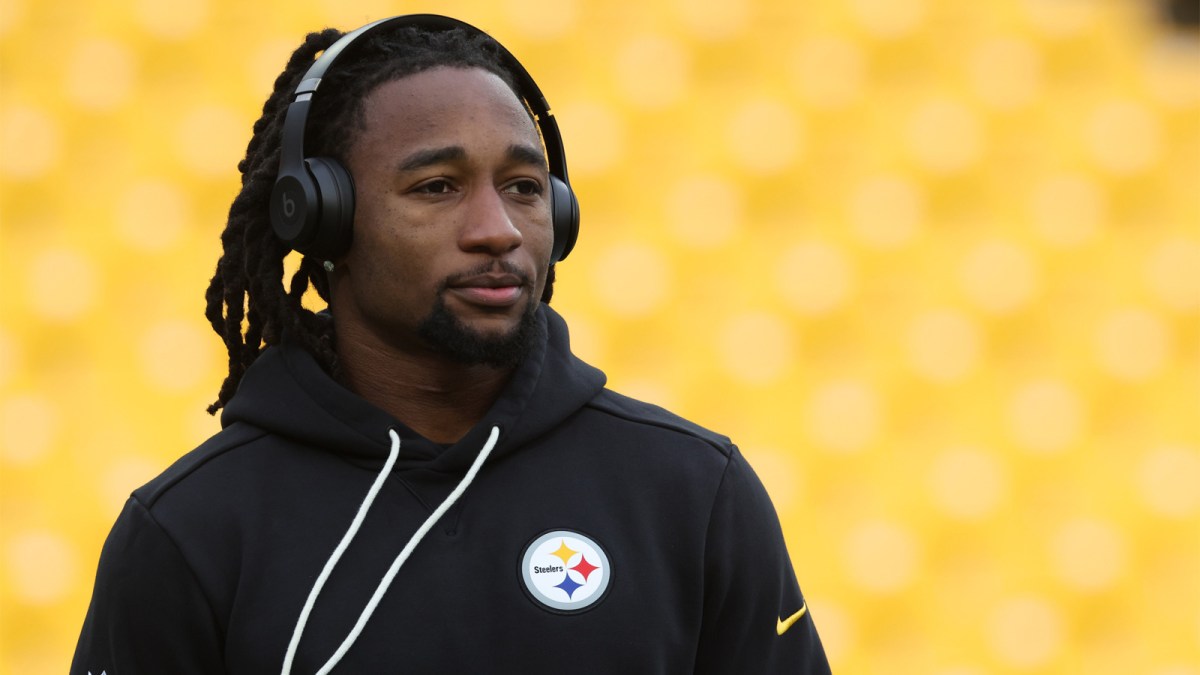
Roster Depth Dynamics emerge as the central narrative, with three significant starters—T.J. Watt, James Pierre, and Andrus Peat—ruled out due to diverse medical circumstances. Watt's situation is particularly noteworthy, having undergone surgery for a partially collapsed lung while receiving advanced treatment like dry needling, signaling the sophisticated medical interventions modern athletes undergo. The rookie defensive lineman Derrick Harmon represents another critical absence, missing his fifth consecutive game with a persistent knee injury.
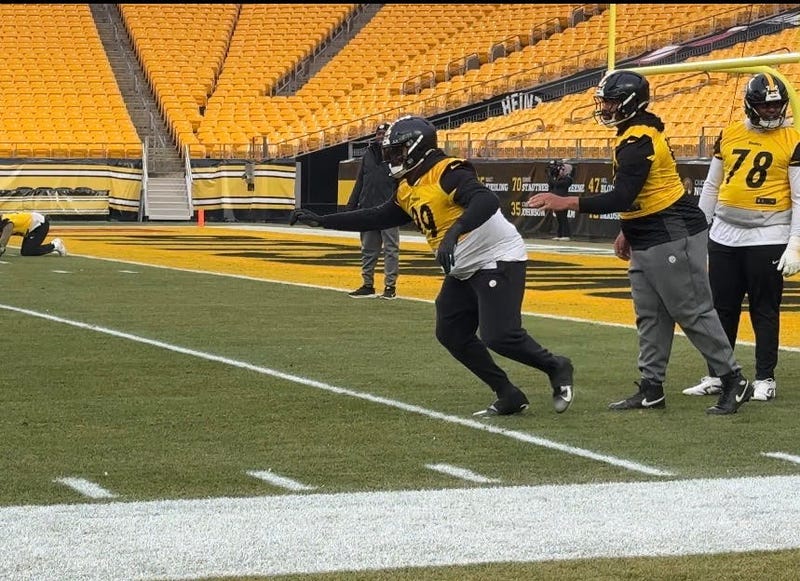
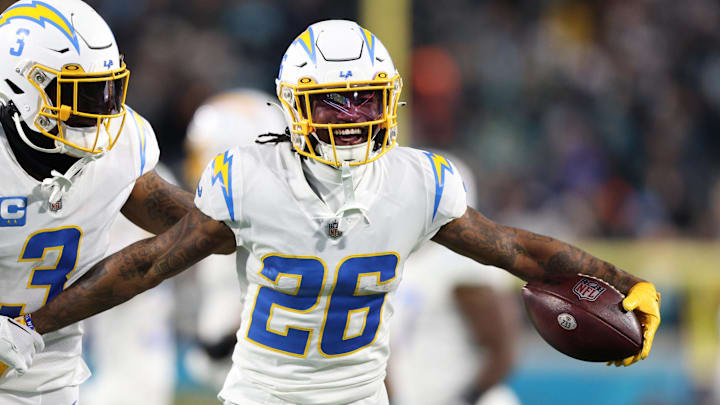
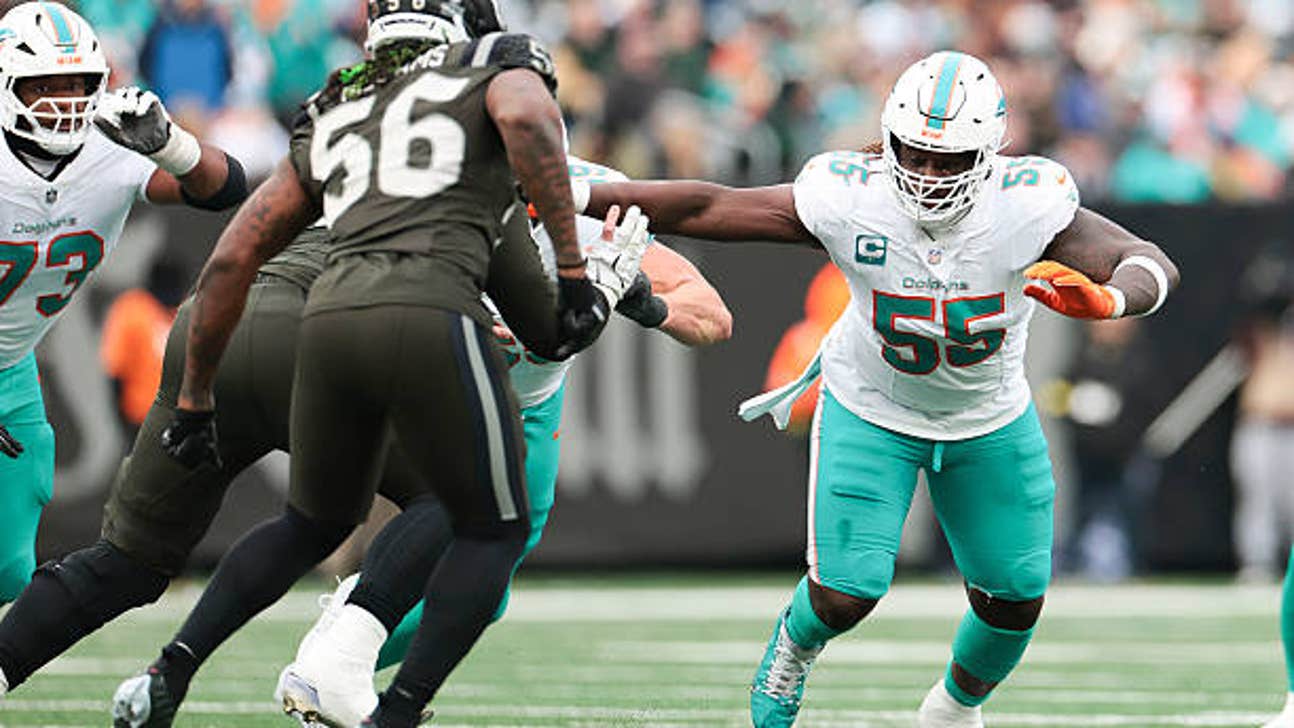
The strategic implications are profound. When star players are unavailable, organizations must rapidly recalibrate their tactical approaches. Dylan Cook's first career start in place of Andrus Peat exemplifies the next-man-up philosophy prevalent in professional sports. This approach demands not just physical preparedness but psychological resilience from backup players suddenly thrust into high-stakes environments. The Dolphins' counterpoint—with star running back DeVon Achane confirmed to play—further highlights the importance of maintaining a robust, adaptable roster.
Beyond the immediate game, these injury scenarios reveal deeper organizational capabilities. The Steelers demonstrate a systematic approach to player management, balancing immediate competitive needs with long-term athlete health. By providing comprehensive medical support and creating opportunities for emerging talent, they transform potential setbacks into developmental moments. The careful medical treatment of T.J. Watt, including specialized techniques like dry needling, underscores a holistic approach to athlete recovery and performance optimization.
For sports management professionals and team strategists, this scenario offers a masterclass in roster flexibility. The ability to seamlessly integrate backup players, manage complex medical scenarios, and maintain competitive momentum represents a critical organizational competency that extends far beyond the football field.
問題 3
How do the Steelers manage multiple key player injuries for an important game?
The Steelers employ a 'next-man-up' strategy, where backup players like Dylan Cook are prepared to step into critical roles. This approach involves comprehensive training, psychological preparation, and a systematic roster management philosophy that maintains team competitiveness despite individual player absences.
What does roster depth reveal about an NFL team's organizational capabilities?
Roster depth demonstrates a team's ability to maintain performance standards despite individual player unavailability. It reflects sophisticated talent development, medical management, and strategic planning that allows seamless player transitions and sustained competitive performance.