



Kraft Heinz's Strategic Metamorphosis: How a Food Giant Reinvents Its Future Through Bold Corporate Separation
- A transformative leadership shift signals strategic repositioning in the competitive food industry landscape

















概览
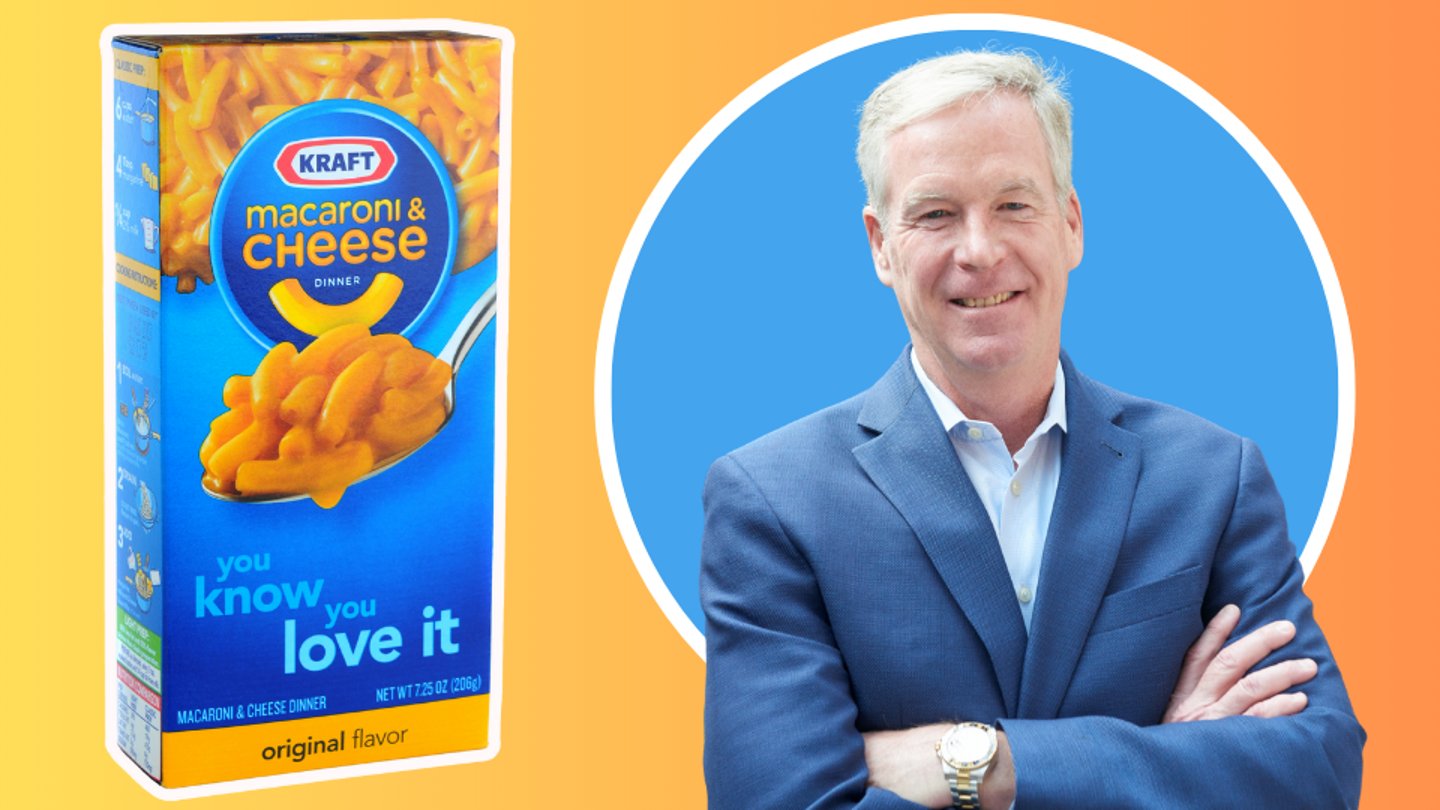
Kraft Heinz is executing a pivotal corporate transformation that represents far more than a simple leadership change—it's a strategic recalibration of one of the world's most iconic food companies. By announcing the appointment of Steve Cahillane as CEO and planning a major corporate separation into two distinct publicly traded entities, the company is signaling a profound understanding of evolving market dynamics.
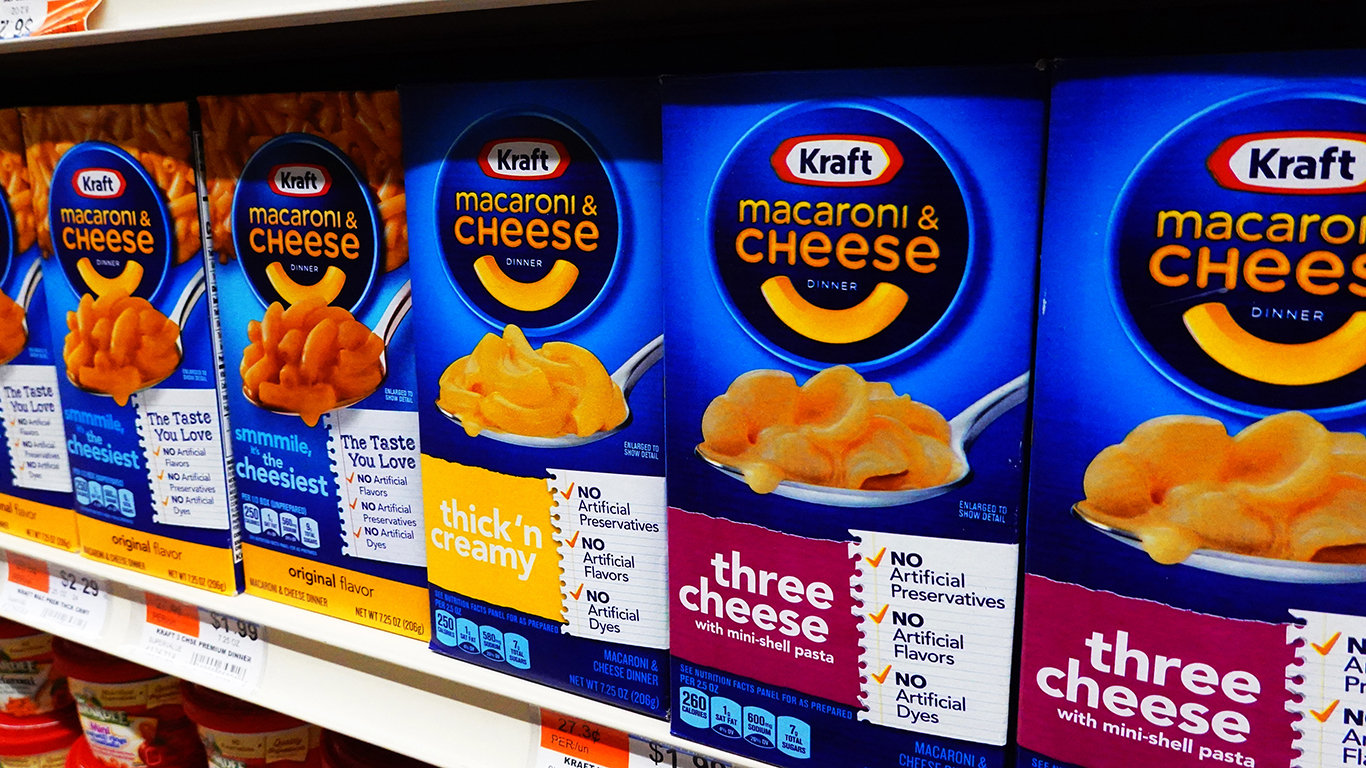
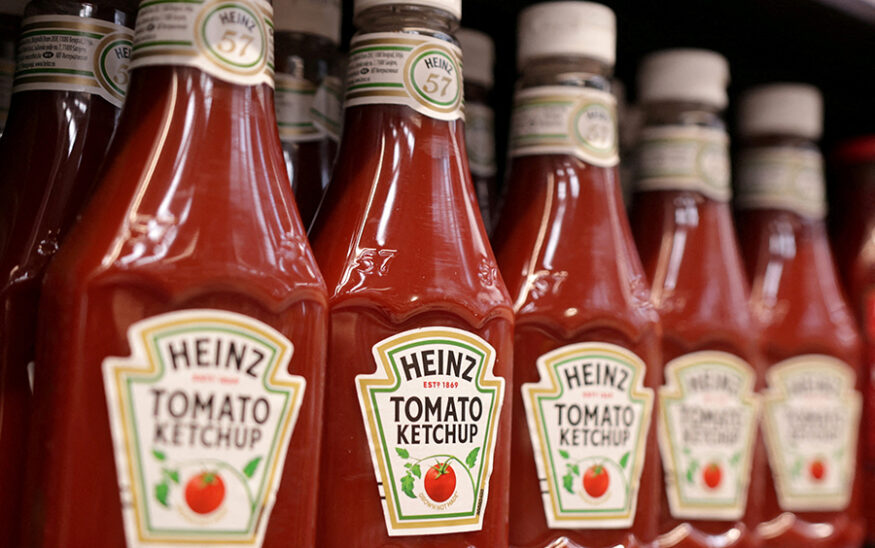
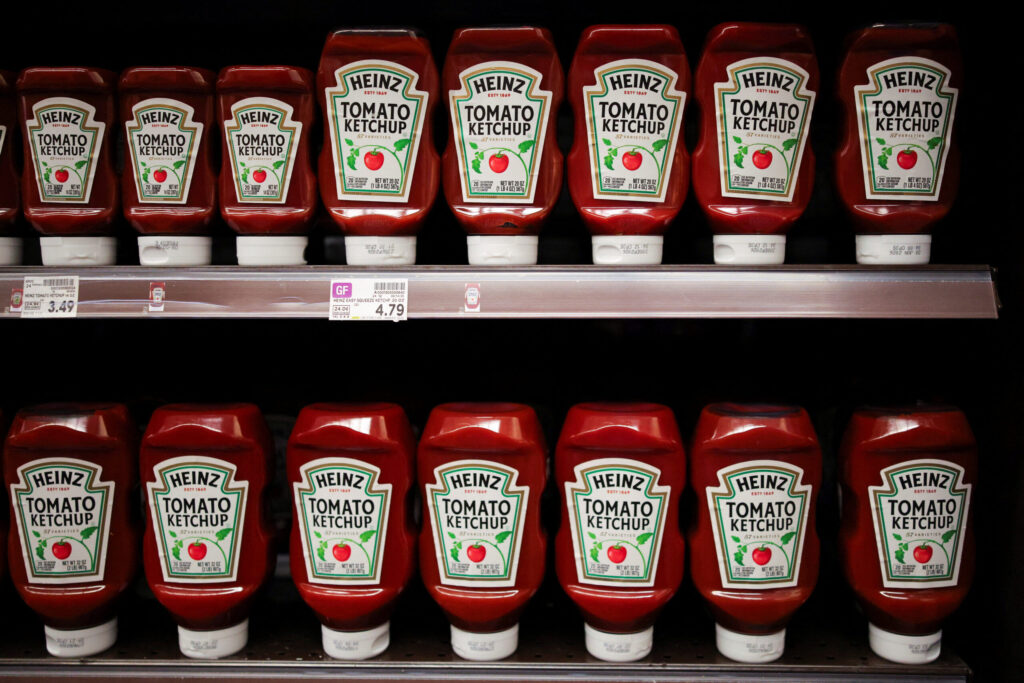
The strategic split into Global Taste Elevation and North American Grocery reveals a nuanced approach to addressing fundamental challenges in the food industry. This move isn't just about organizational restructuring; it's a calculated response to shifting consumer preferences, particularly the growing demand for more innovative and health-conscious food brands. The Global Taste Elevation segment, which will encompass faster-growing brands like Heinz, Philadelphia, and Kraft Mac Cheese, represents a forward-looking strategy targeting more dynamic market segments.
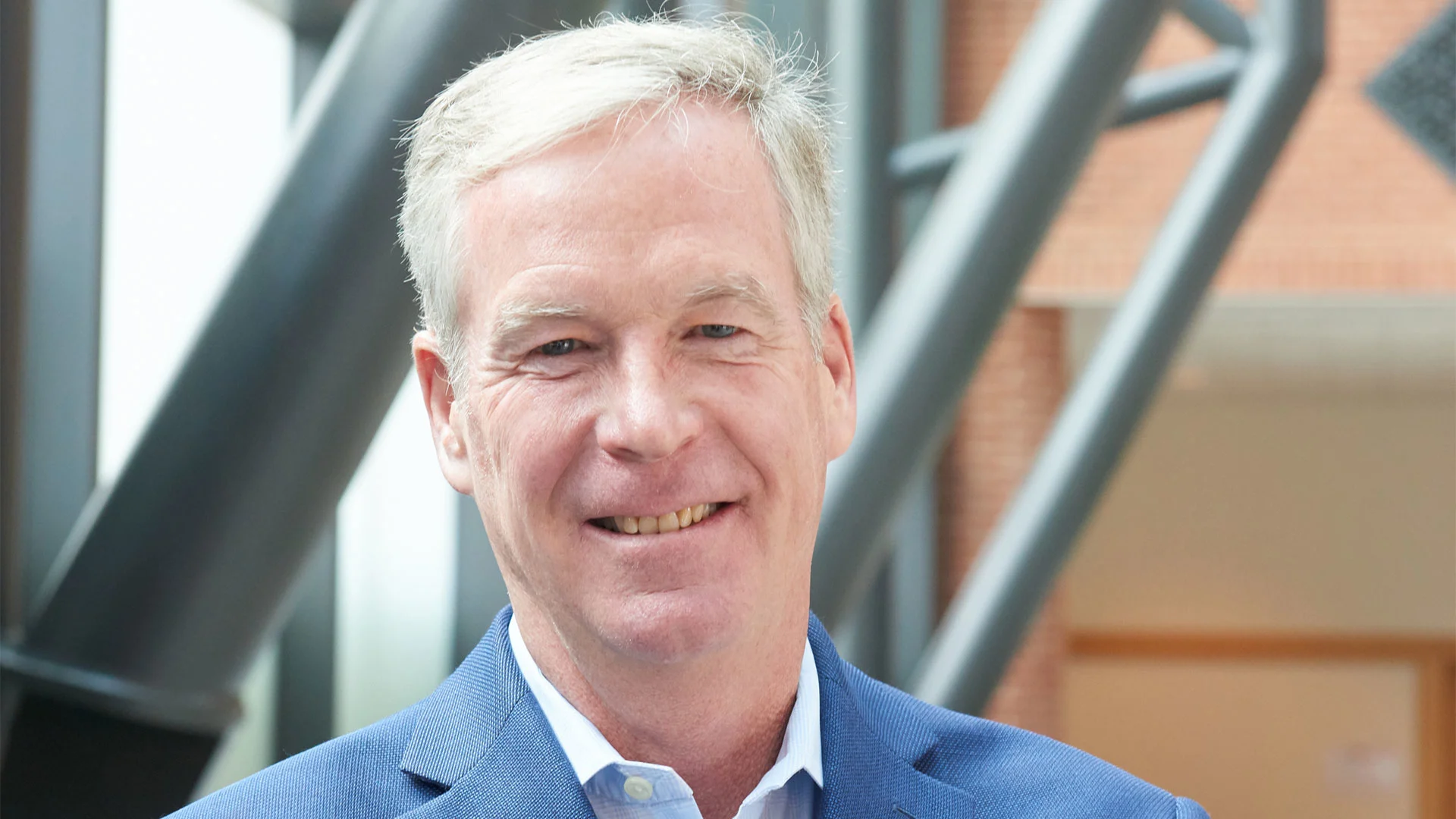
Cahillane's appointment is particularly strategic. With extensive experience from Kellanova (Kellogg), Coca-Cola, and AB InBev, he brings a track record of transformative leadership. His previous success in separating Kellogg's North American cereal business demonstrates a deep understanding of how to navigate complex corporate transformations. The 2015 merger of Kraft and Heinz, which created the world's fifth-largest food and beverage company, failed to generate sustained sales improvements—making this current restructuring a critical course correction.
The planned separation, expected to close in the second half of 2026, is designed to be tax-free and aims to maximize capabilities by reducing organizational complexity. By allowing each new company to deploy resources more effectively toward distinct strategic priorities, Kraft Heinz is positioning itself to compete more dynamically in a rapidly evolving consumer landscape. This move signals a sophisticated understanding that one-size-fits-all corporate structures are increasingly obsolete in today's fragmented and fast-changing food market.
For industry observers and stakeholders, this transformation represents more than a corporate restructuring—it's a blueprint for how legacy food companies can reinvent themselves in an era of unprecedented consumer choice and technological disruption.
問題 3
How does this restructuring address changing consumer preferences?
By creating a Global Taste Elevation segment focused on faster-growing, more innovative brands like Heinz and Philadelphia, Kraft Heinz is directly responding to consumer demands for more dynamic, health-conscious food options. The separation allows each segment to develop targeted strategies that align with evolving market trends.
What makes Steve Cahillane a strategic choice for CEO?
Cahillane brings extensive experience from Kellanova, Coca-Cola, and AB InBev, with a proven track record of transformative leadership. His previous success in separating Kellogg's North American cereal business demonstrates his ability to navigate complex corporate restructurings and drive strategic innovation.