


Community Resilience and Humanitarian Logistics in Caribbean Disaster Recovery
- Grassroots Solidarity Emerges as Critical Lifeline for Jamaica's Hurricane Survivors




















概览
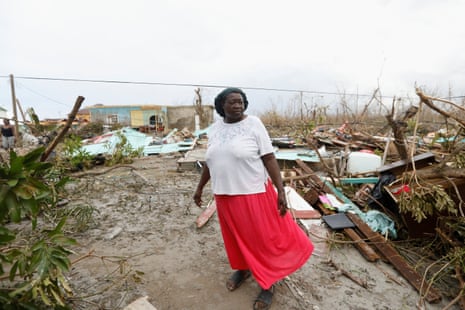
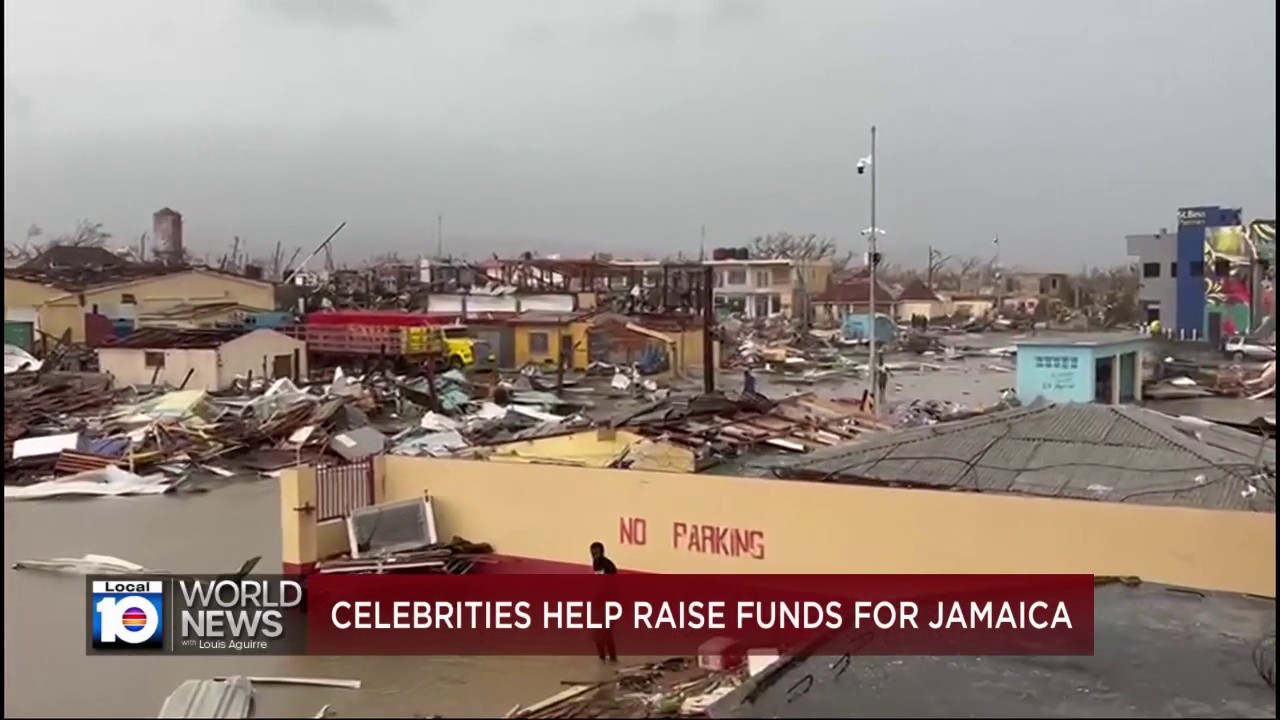
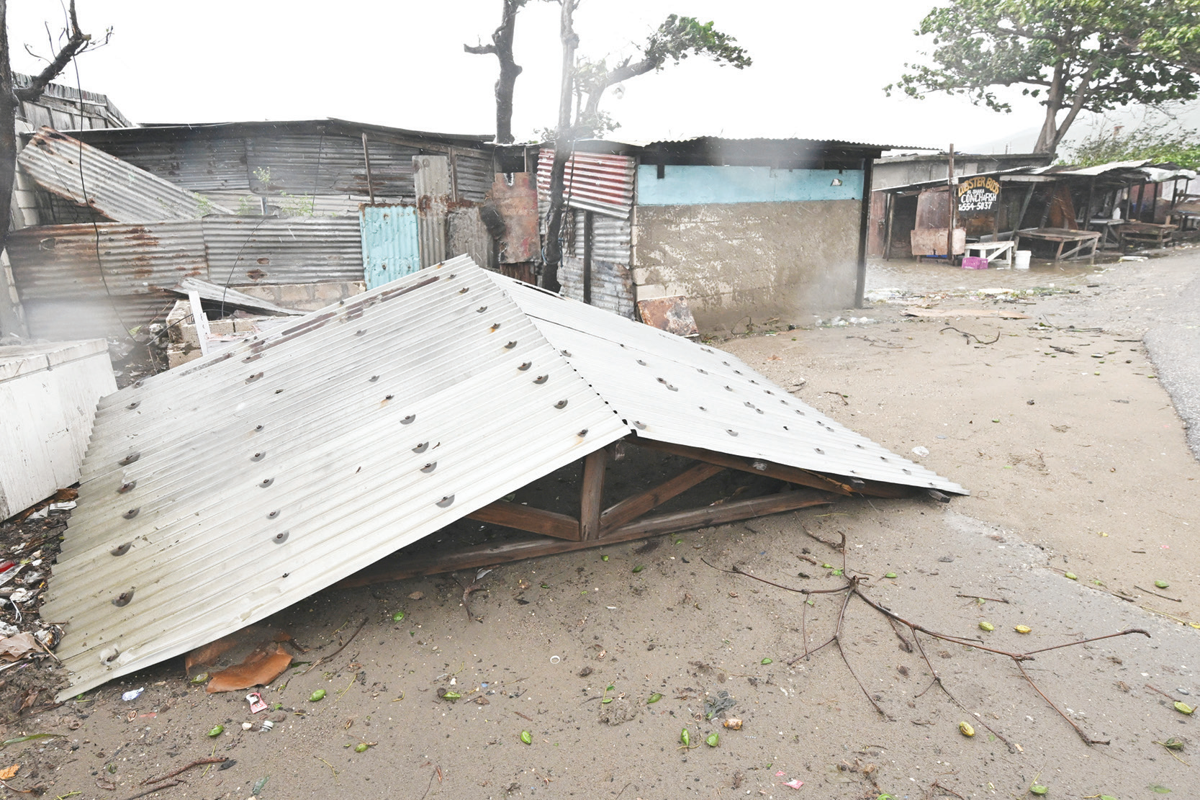
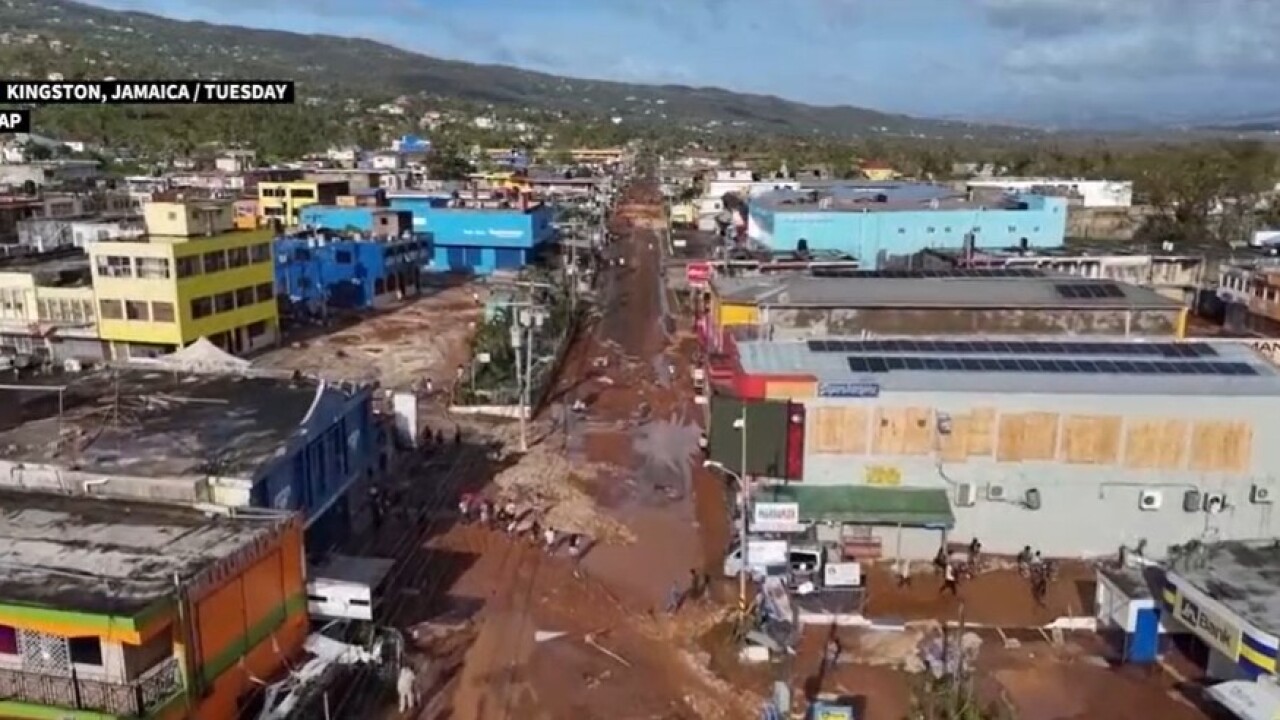
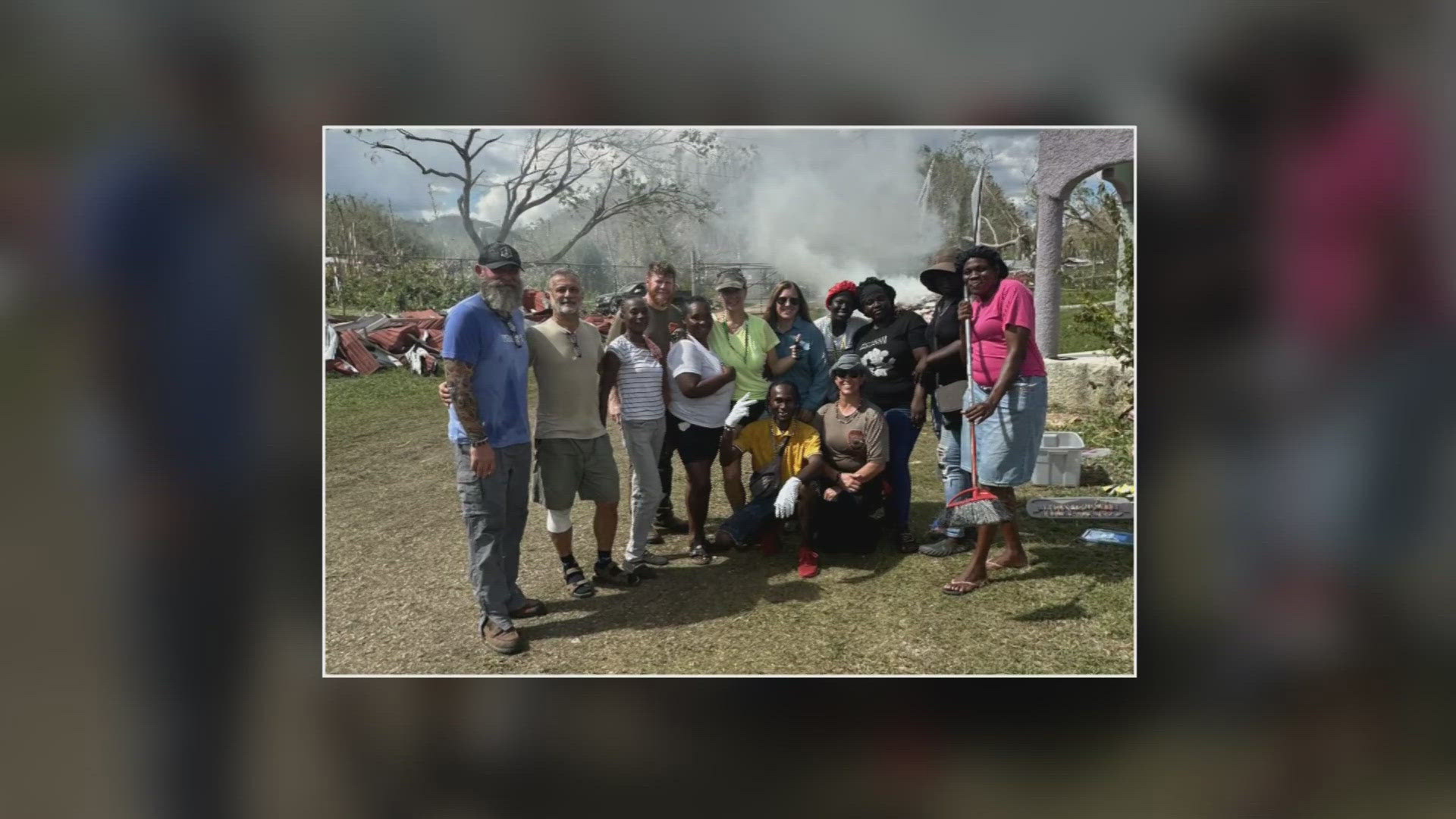
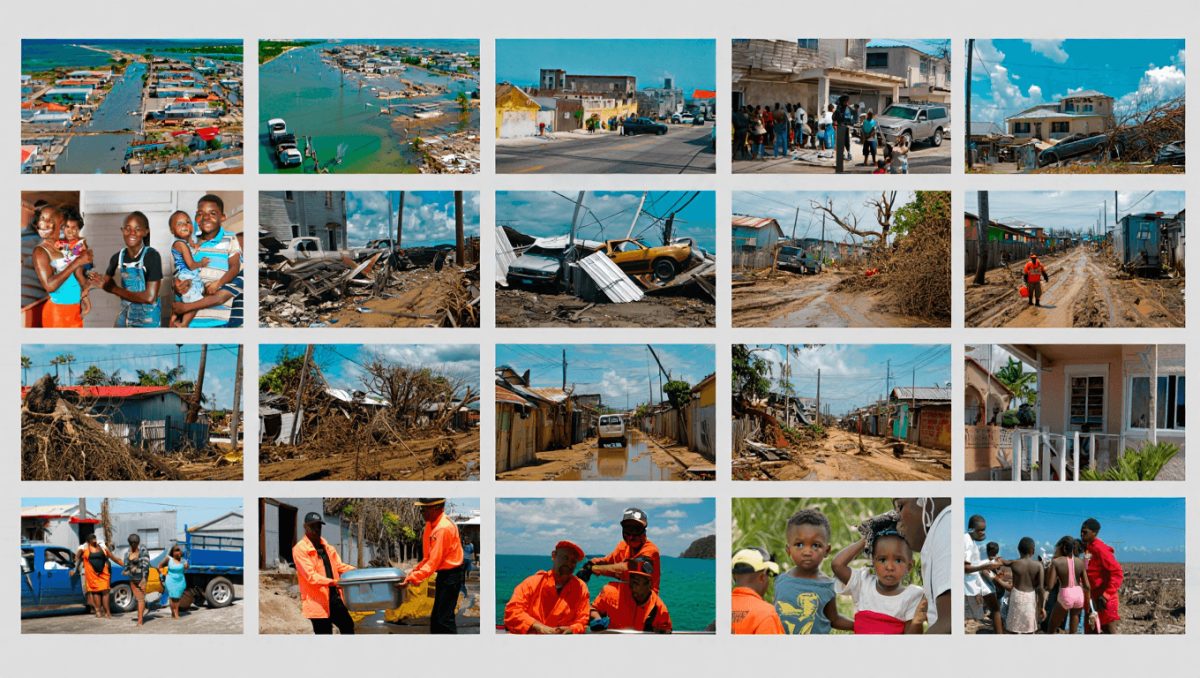
Hurricane Melissa's devastating impact on Jamaica reveals a complex landscape of humanitarian logistics, community resilience, and strategic disaster response that extends far beyond immediate relief efforts. The catastrophic storm, which caused $89 billion in economic losses and affected 1.5 million individuals, has triggered a multifaceted recovery ecosystem driven by grassroots initiatives, private sector engagement, and community-led support networks.
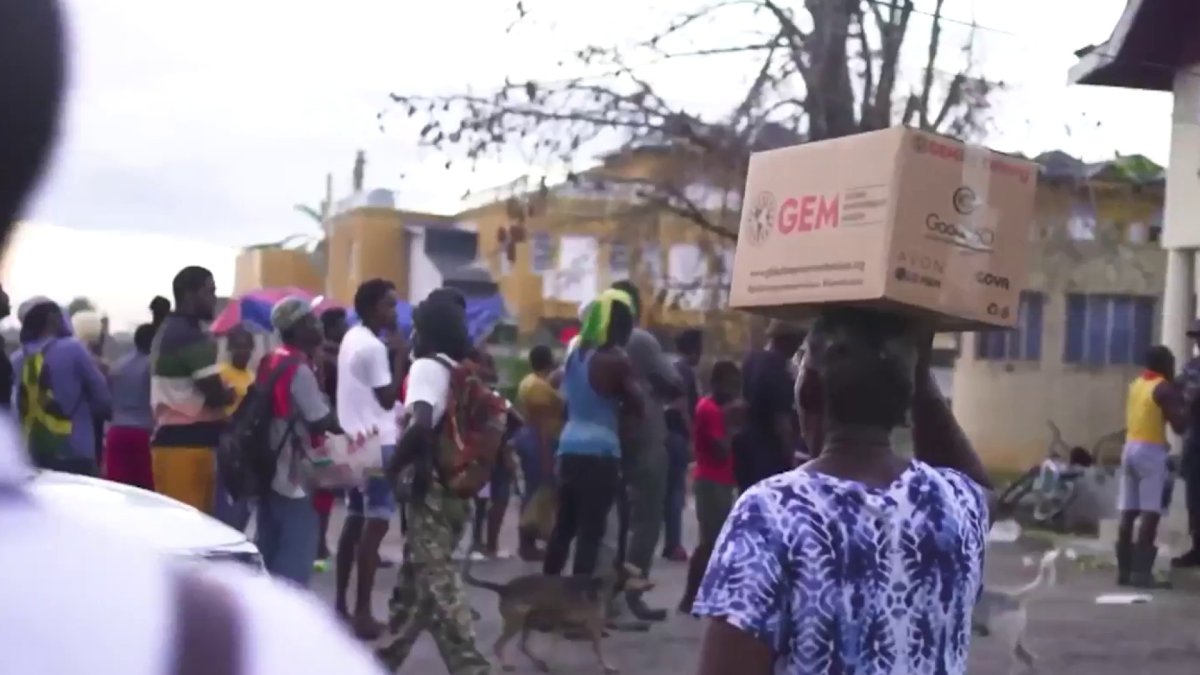
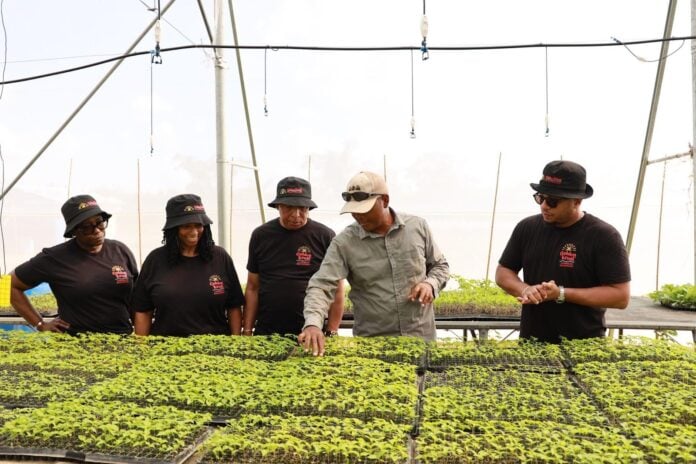
The logistics of humanitarian aid emerge as a critical focal point, with innovative approaches like the 'Stuff the Trunk' campaign demonstrating how local businesses can transform supply chain capabilities into lifeline networks. By mobilizing a 40-foot shipping container filled with essential supplies through community donations, these initiatives showcase the potential of decentralized relief logistics. Local businesses like Hyundai and Kia are not just commercial entities but critical infrastructure providers in crisis scenarios.
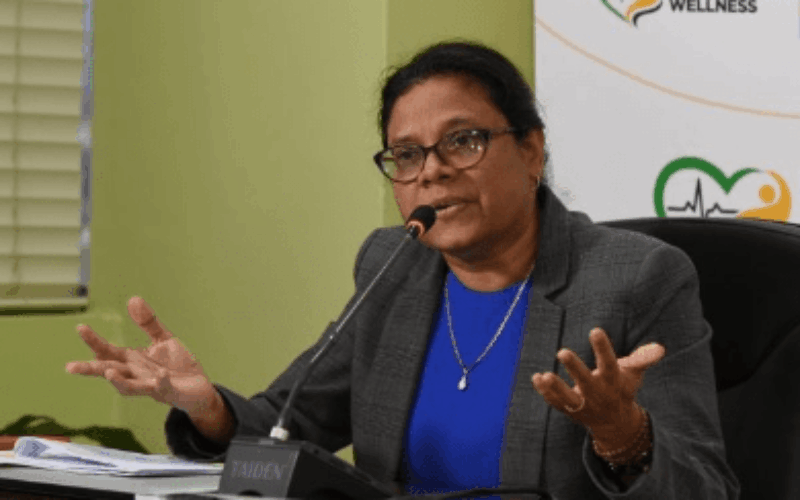
Beyond physical reconstruction, the psychological recovery dimension presents a profound challenge. Clinical research highlights that hurricane survivors face significant mental health risks, with women being particularly vulnerable to post-traumatic stress. The Caribbean Development Bank's emerging psychosocial support programs represent a sophisticated understanding that disaster recovery is as much about emotional resilience as physical rebuilding. International organizations are increasingly recognizing that mental health infrastructure is as crucial as physical infrastructure in climate disaster response.
The humanitarian response is further amplified by unexpected champions like Olympic athletes Asafa Powell and Noah Lyles, who transcend traditional boundaries to provide direct support. Powell's personal commitment—donating houses and pledging ongoing monthly assistance—illustrates how individual actors can create meaningful impact when institutional responses may be slow or inadequate.
Strategic implications for humanitarian logistics are clear: community networks, private sector flexibility, and holistic support models that address both physical and psychological needs are becoming essential in climate disaster management. The supply chain of compassion is evolving, transforming from a purely transactional model to a more integrated, human-centric approach that recognizes resilience as a complex, multidimensional challenge.
問題 3
How are local businesses contributing to disaster relief in Jamaica?
Companies like Hyundai and Kia are actively participating in the 'Stuff the Trunk' campaign, transforming their commercial networks into humanitarian logistics channels. By coordinating with churches and charities, they're helping collect and transport essential supplies in a 40-foot shipping container, demonstrating how private sector resources can be rapidly mobilized for community support.
What are the long-term psychological impacts of Hurricane Melissa?
Survivors face significant risks of PTSD, depression, and anxiety, with women being particularly vulnerable. The Caribbean Development Bank is initiating psychosocial support programs, recognizing that mental health recovery is as critical as physical reconstruction. Triggers can be as simple as storm-related sounds, indicating the deep psychological trauma experienced.