



EU-India Trade Negotiations: A High-Stakes Diplomatic Chess Match Enters Critical Phase
- Geopolitical Realignment Hinges on Breakthrough Trade Agreement Targeting January 26th Deadline

)














概览
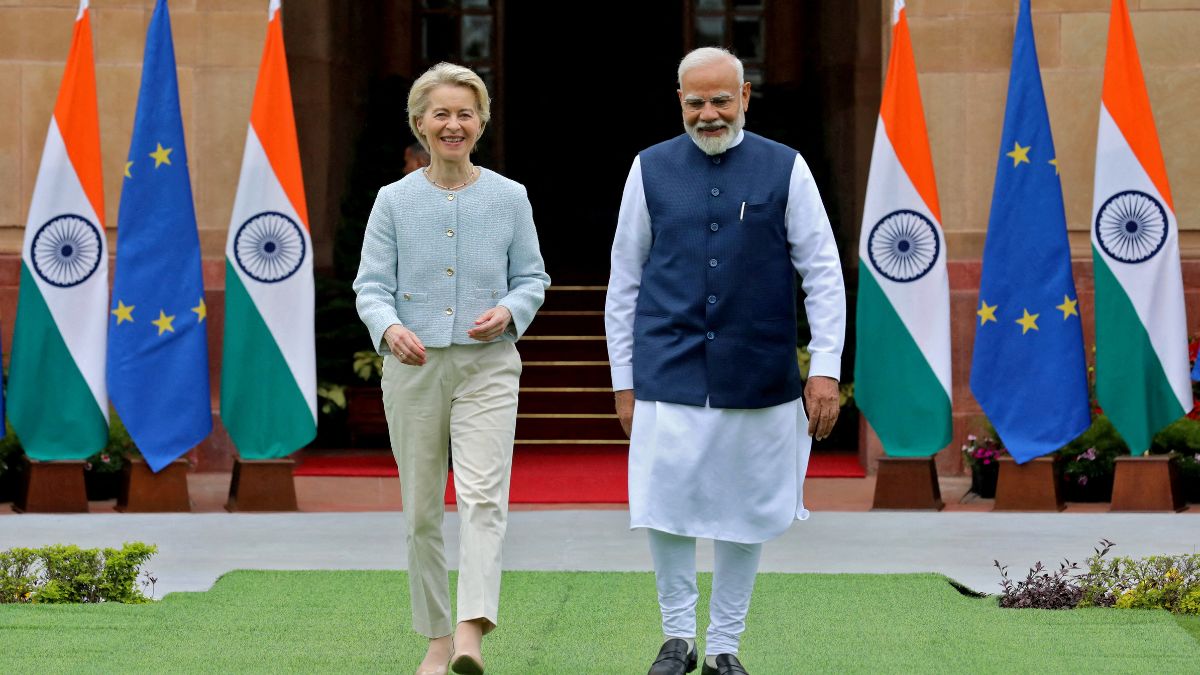
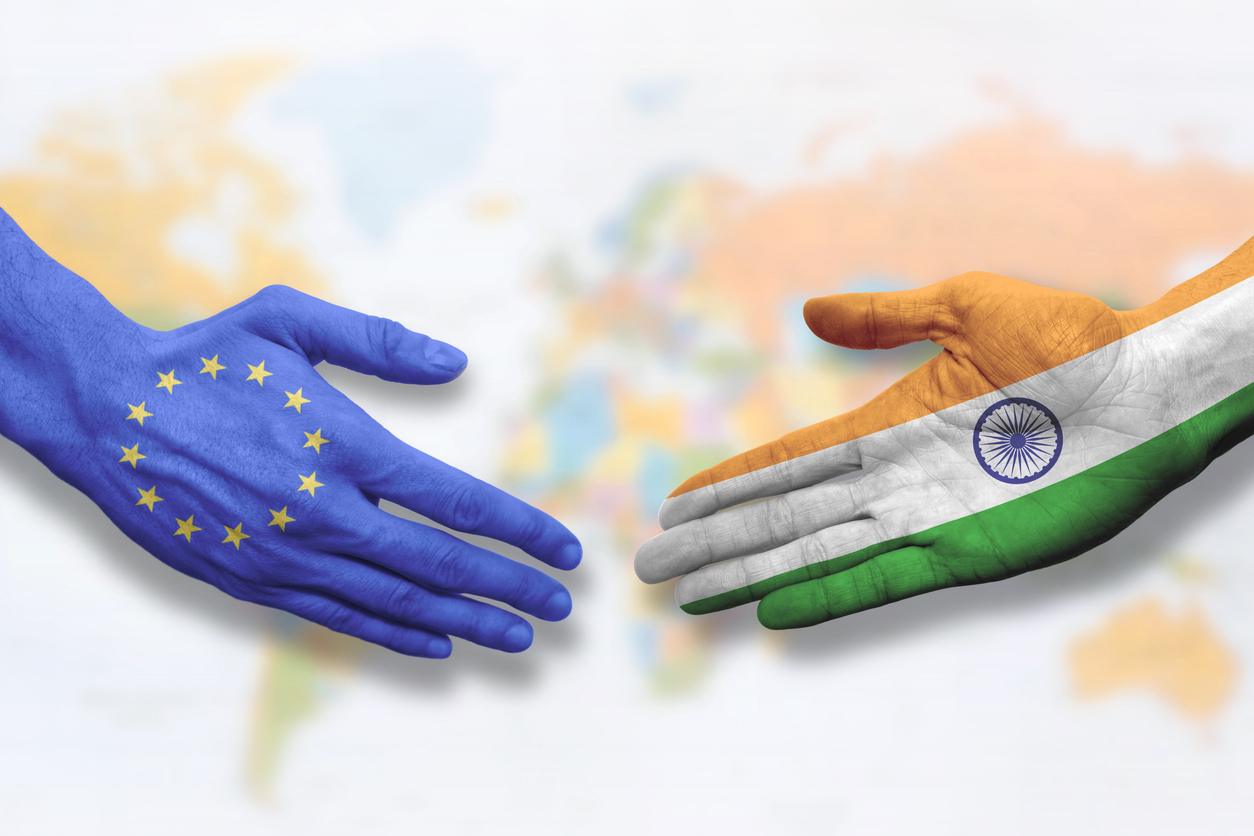
The EU-India trade negotiations represent a pivotal moment in international economic diplomacy, with both parties maneuvering through complex geopolitical and economic challenges to forge a transformative Free Trade Agreement (FTA). At the heart of these negotiations lies a strategic recalibration that extends far beyond traditional trade discussions.
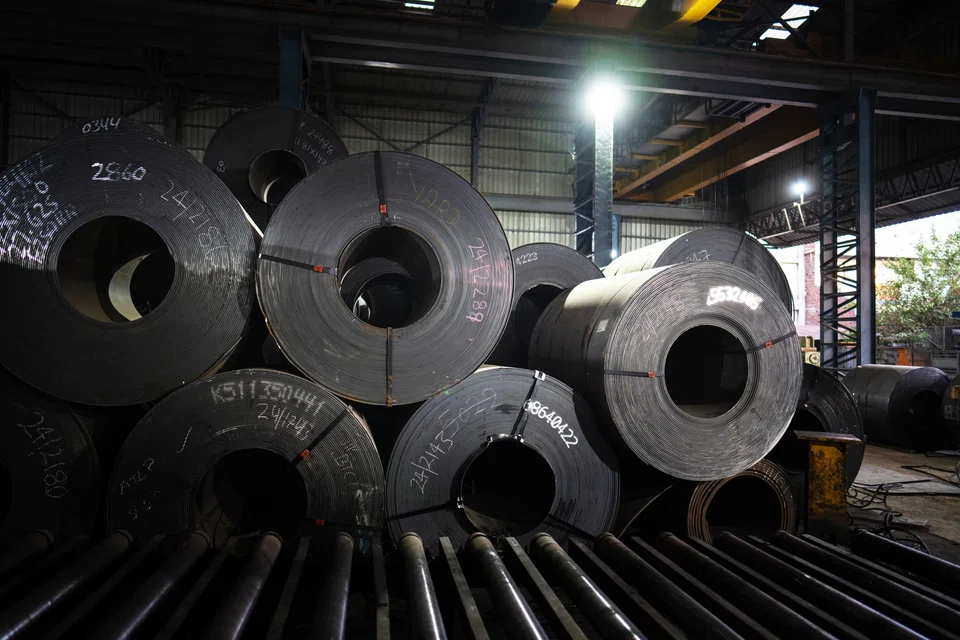
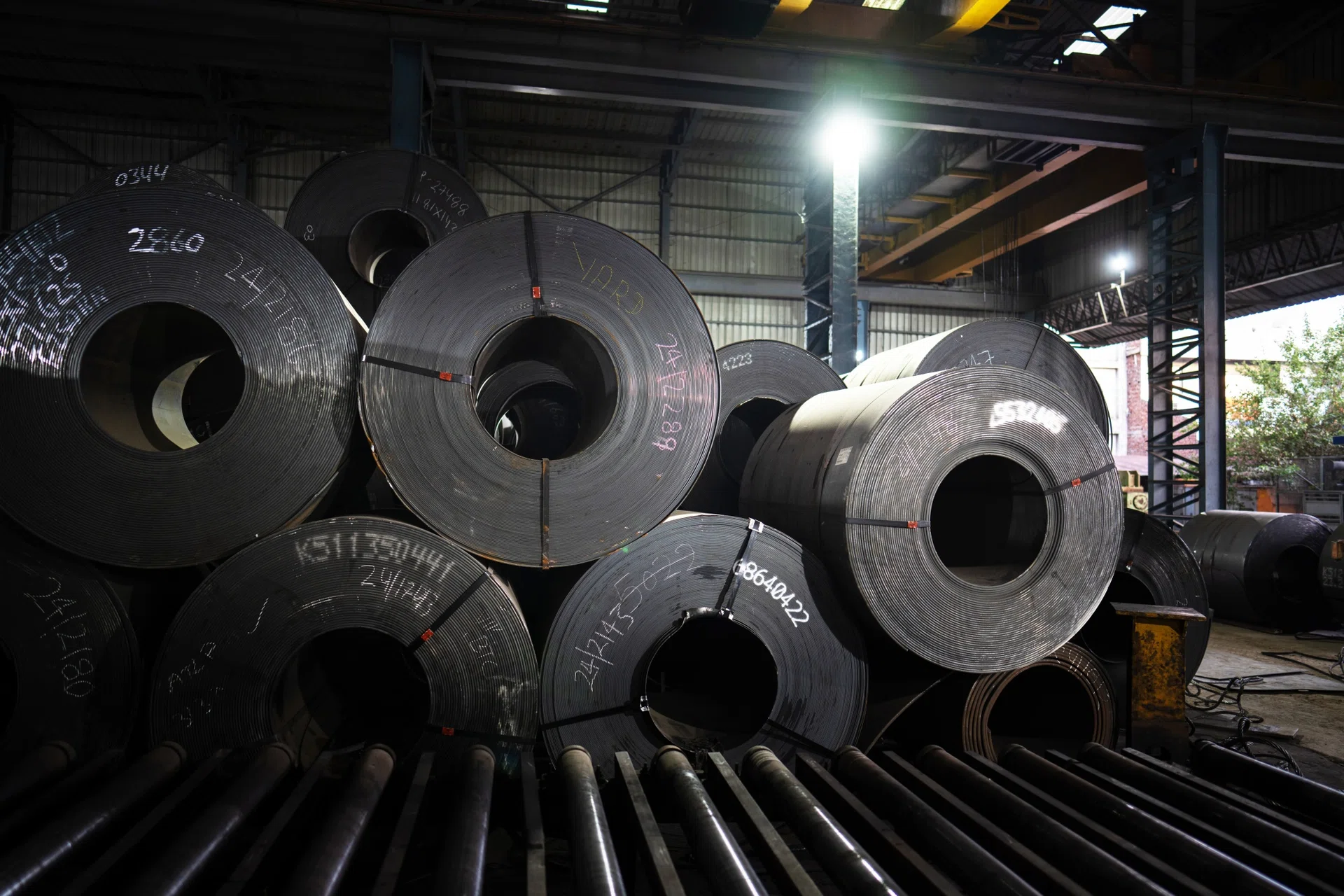
Tariff negotiations have reached a critical juncture, with intricate linkages between seemingly disparate policy domains. The EU's proposed Carbon Border Adjustment Mechanism (CBAM) has become a significant point of contention, with India viewing it as a potential barrier to its steel exports. This reflects a broader tension between environmental regulations and developmental economic interests. The UK's recent trade agreement with India provides a compelling benchmark, having successfully negotiated car tariff reductions from 100% to 10% and scotch whisky tariffs from 150% to 40% over a decade.
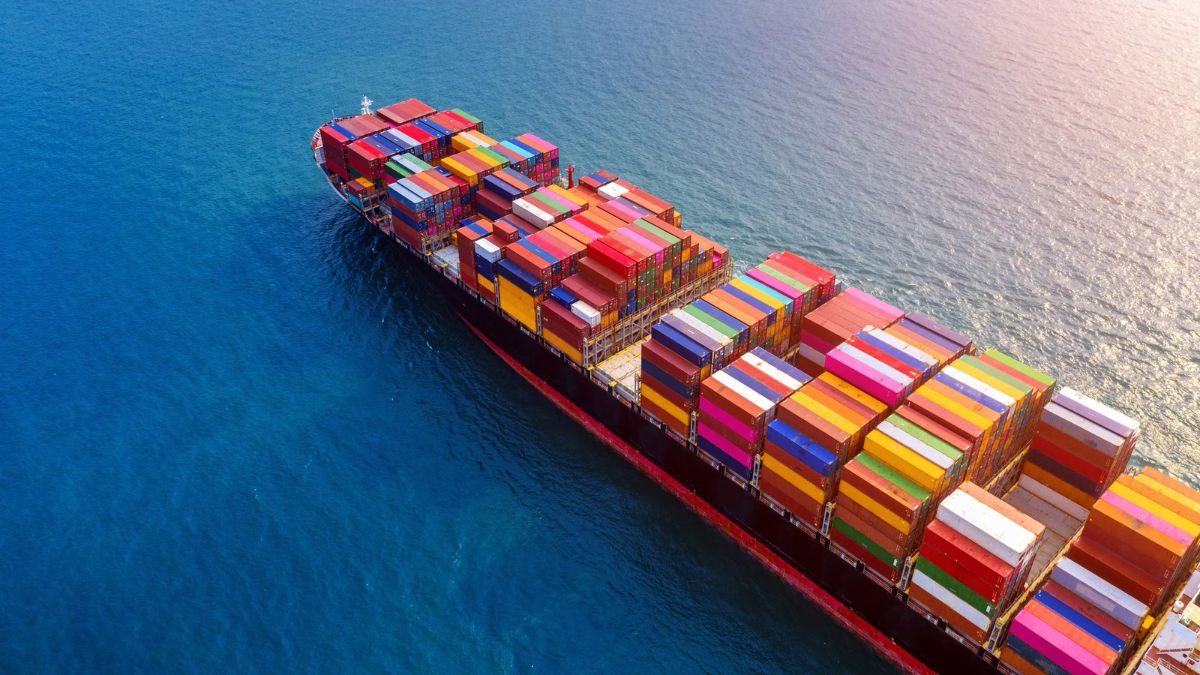
Strategic positioning emerges as a key driver of these negotiations. For India, the EU represents a massive market offering substantial foreign investment opportunities. Conversely, the EU seeks to reduce its dependence on Chinese imports, making India an attractive alternative in the global supply chain reconfiguration. The negotiations are not merely about trade numbers but about reshaping economic alliances in a multipolar world.
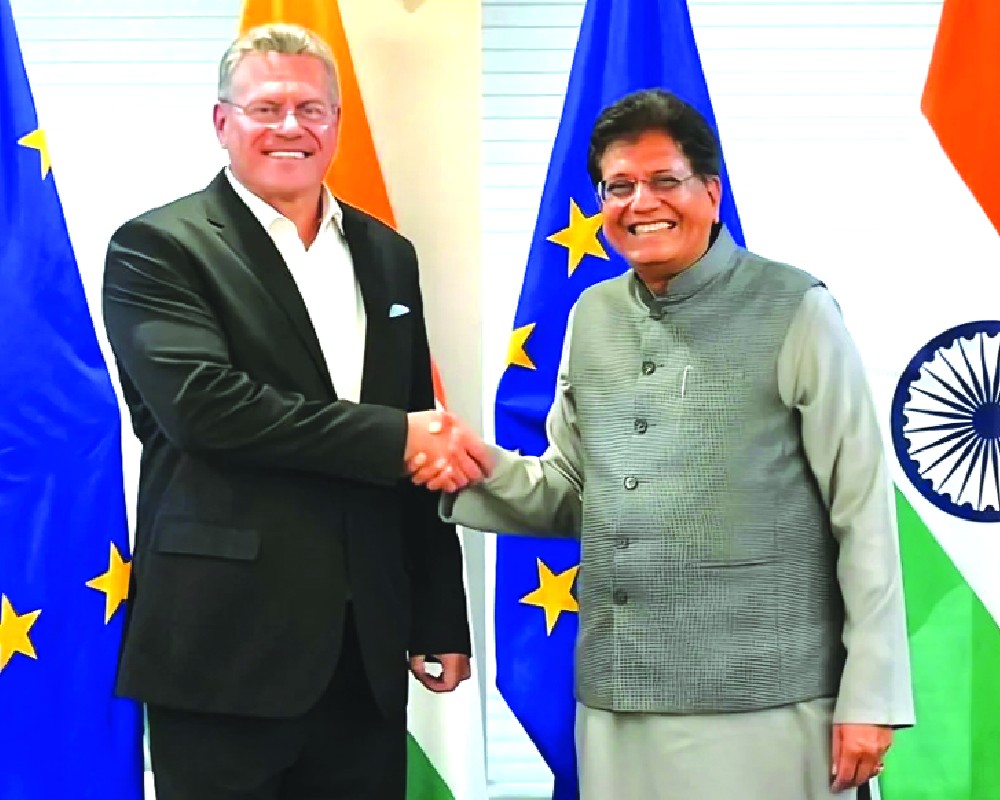
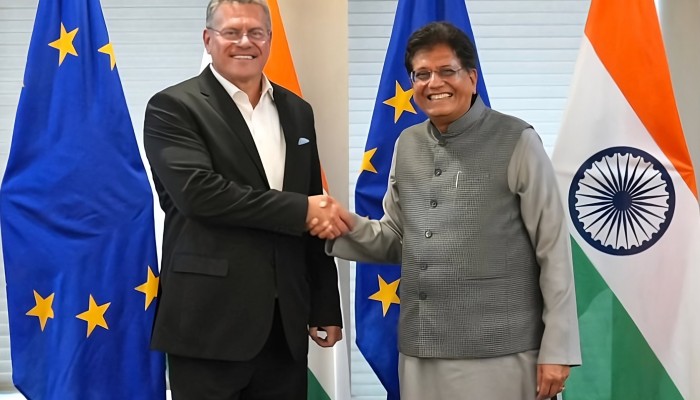
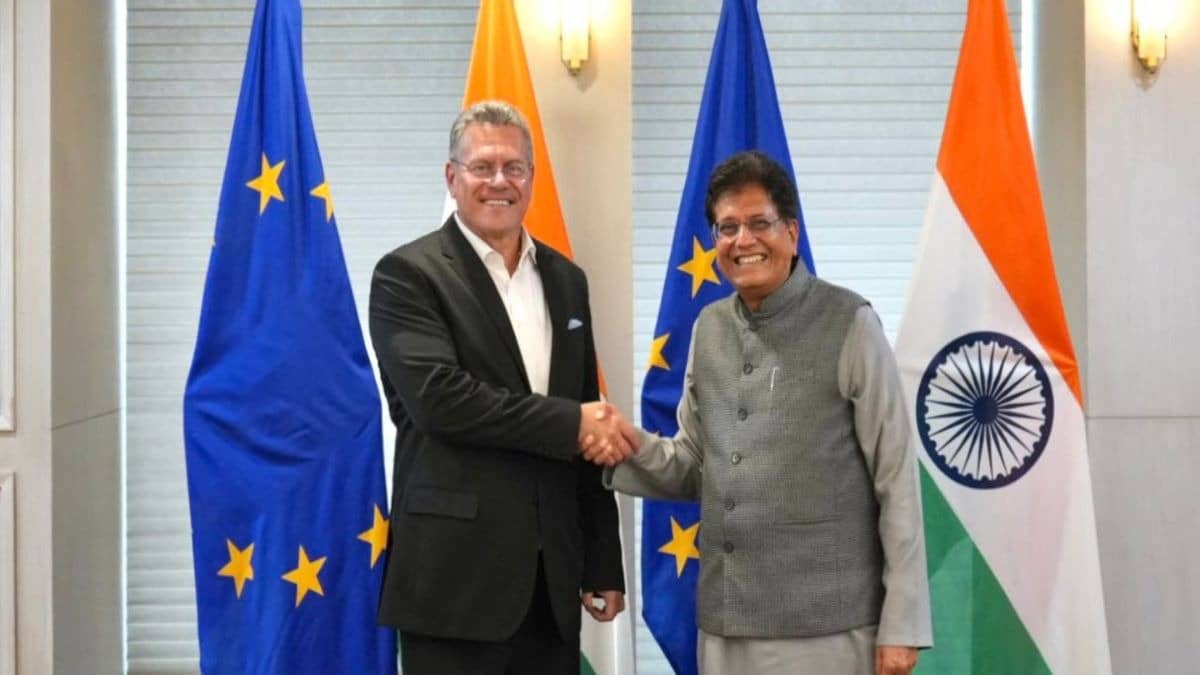
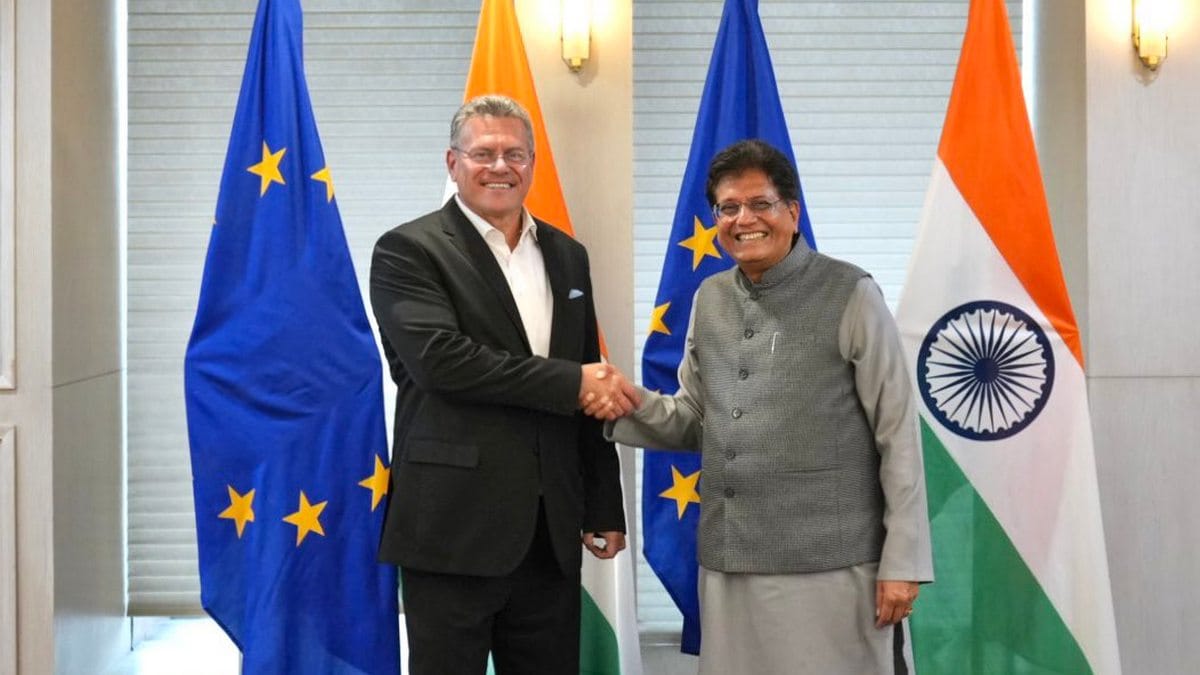
The January 26th deadline—coinciding with India's Republic Day—adds symbolic weight to the negotiations. EU Trade Commissioner Maroš Šefčovič has described the process as "extremely challenging" while maintaining political determination. The potential agreement represents more than a bilateral trade deal; it signals a significant diplomatic and economic milestone that could fundamentally reshape trade dynamics between two major global economies.
Potential compromise areas include joint car manufacturing initiatives and selective product exclusions, suggesting a nuanced approach to market access. For cross-border sellers, this negotiation represents a potentially transformative market opportunity, with the EU's market offering substantial growth potential for Indian exporters if a balanced agreement can be reached.
問題 4
How does the UK's recent trade agreement with India influence the current EU negotiations?
The UK's trade agreement serves as a benchmark, successfully negotiating significant tariff reductions like cutting car tariffs from 100% to 10% and whisky tariffs from 150% to 40%. This provides a potential template and competitive pressure for the EU to craft a similarly attractive agreement with India.
What strategic benefits does this trade agreement offer to both parties?
For India, the agreement provides access to the EU's massive market and potential foreign investment opportunities. For the EU, it represents a strategic move to reduce dependence on Chinese imports and diversify its global supply chain, positioning India as a key alternative economic partner.