



Meta's Strategic Pivot Signals the End of Desktop Messaging Era
- Platform consolidation marks a critical shift in communication technology for digital-first users























概览
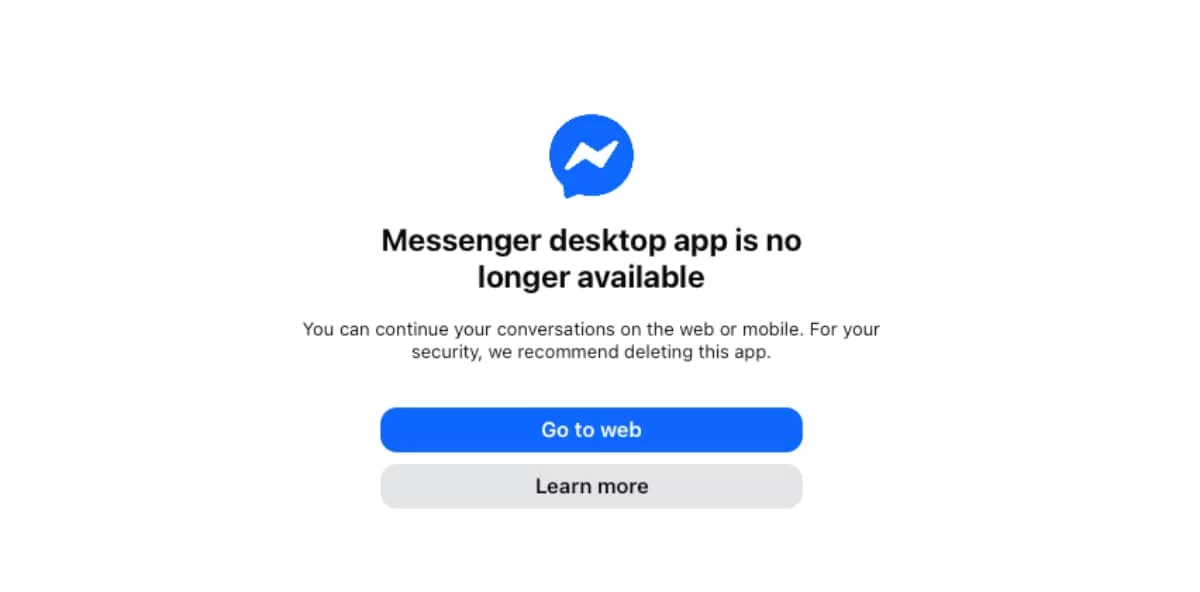
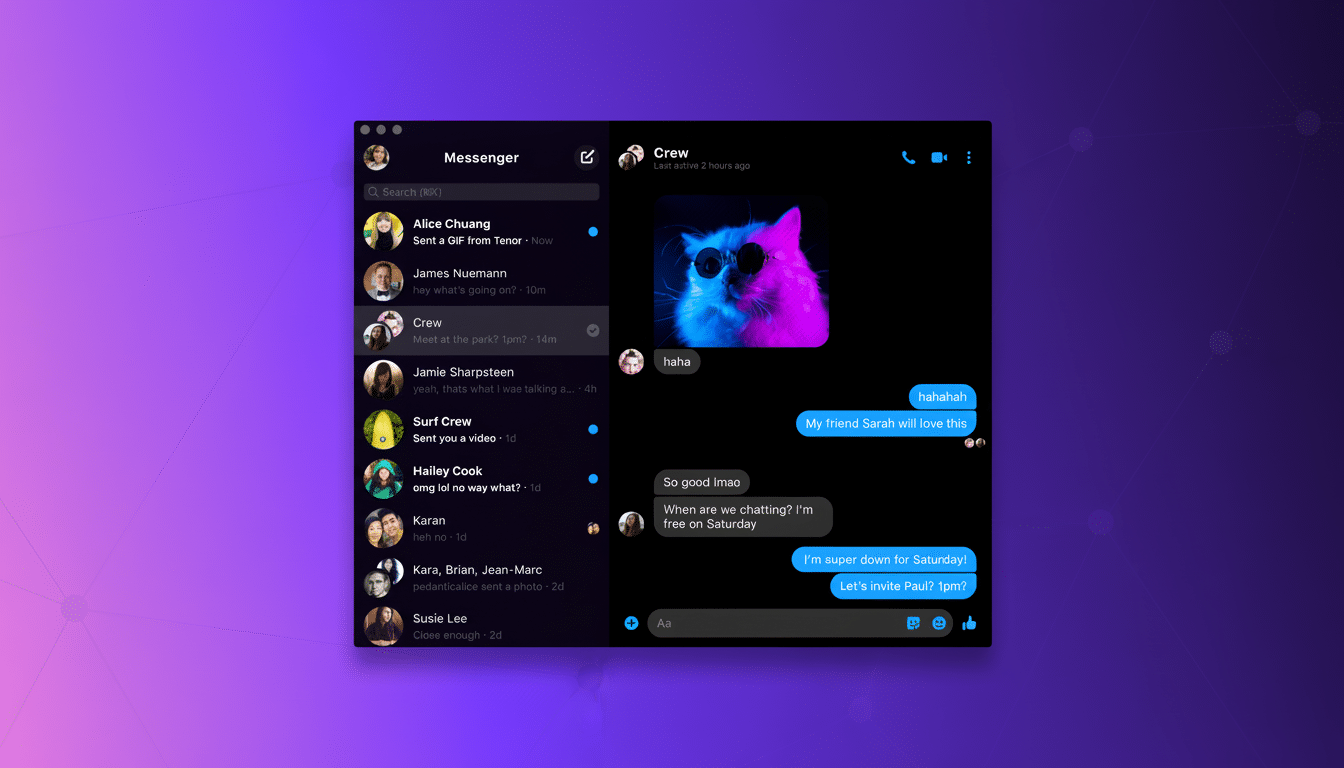
Meta's decisive shutdown of its desktop Messenger applications represents a pivotal moment in digital communication strategy, signaling a profound transformation in how users interact across digital platforms. The company's move to discontinue native desktop apps for Windows and Mac computers is not merely a technical adjustment, but a strategic realignment that reflects deeper shifts in workplace communication and technology consumption.
The desktop app elimination reveals several critical insights into Meta's strategic thinking. Originally launched during the COVID-19 pandemic as a potential workplace communication tool, the Messenger desktop app struggled to compete with more robust platforms like Zoom and Slack. By 2023, Facebook had already begun merging Messenger back into its primary app, a clear indication of its consolidation strategy. The shutdown now completes this strategic pivot, forcing users toward web and mobile interfaces that offer more integrated, cross-platform experiences.
Financial and technological considerations are driving this transition. Meta's decision suggests a calculated move to streamline development resources, reduce platform maintenance costs, and focus on more strategic initiatives like artificial intelligence technologies. The company's strong market position—with Wall Street analysts maintaining a consensus Strong Buy rating and an average price target of $830.73—provides the financial cushion to make such bold strategic shifts.
For users, the transition represents a mandatory adaptation to a more mobile and web-centric communication ecosystem. The 60-day transition window and preservation of conversation histories demonstrate Meta's attempt to minimize user friction. However, the underlying message is clear: desktop-specific applications are becoming increasingly obsolete in a world of seamless, device-agnostic digital experiences.
This move is not just about Messenger, but about reimagining digital communication for a post-pandemic, mobile-first workforce. By compelling users toward web and mobile platforms, Meta is betting on a future where flexibility, integration, and cross-platform accessibility trump traditional desktop-specific experiences.
問題 4
Why is Meta discontinuing its desktop Messenger applications?
Meta is consolidating its communication platforms to streamline development resources, reduce maintenance costs, and focus on more strategic initiatives like AI technologies. The desktop apps struggled to compete with specialized workplace communication tools, making web and mobile interfaces more attractive.
What does this move reveal about Meta's broader communication strategy?
The desktop app shutdown signals Meta's commitment to more integrated, cross-platform communication experiences. It reflects a strategic shift toward mobile and web-based interactions, suggesting the company sees future communication happening through more flexible, device-agnostic platforms.