




Africa's Logistics Revolution: $12.5B Airport Transforms E-Commerce
- Unlocks 1.5M Tonnes Cargo Capacity for Cross-Border Sellers


































概览
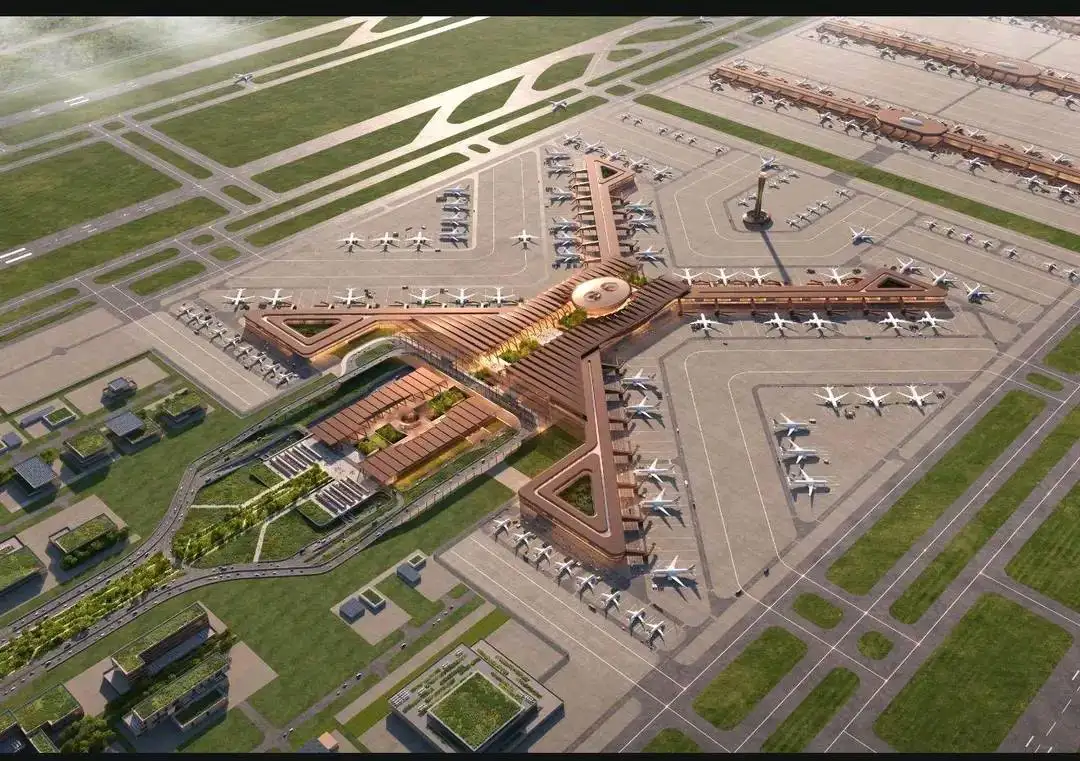
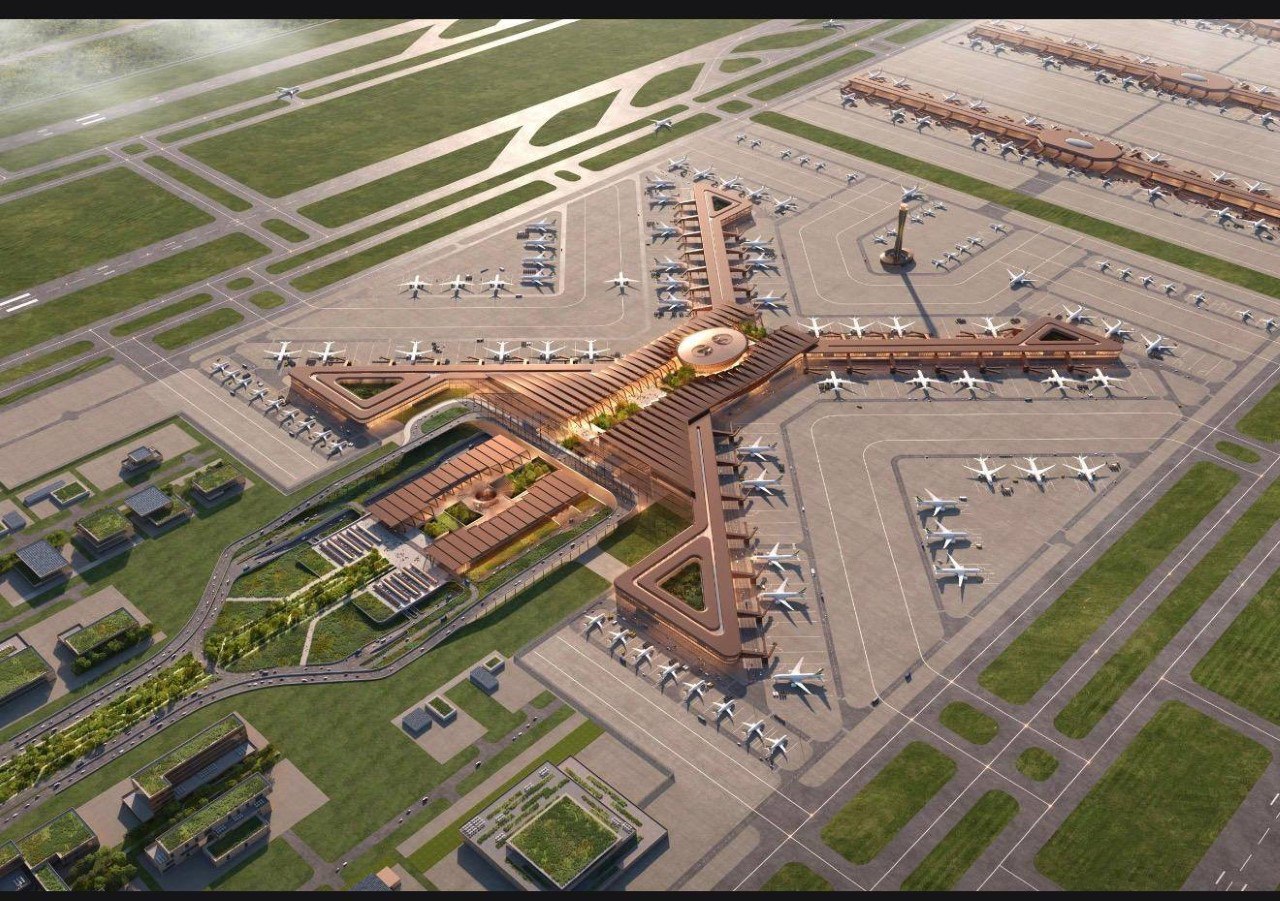
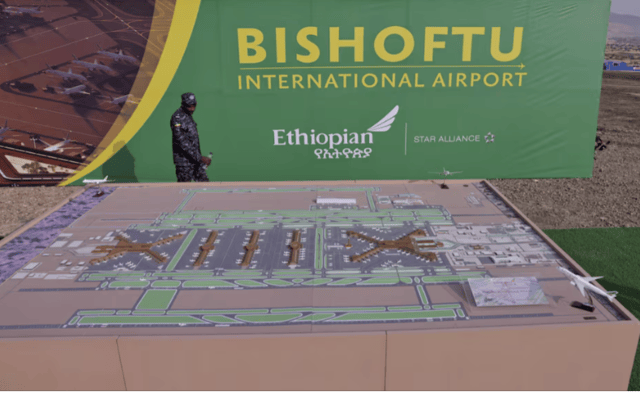
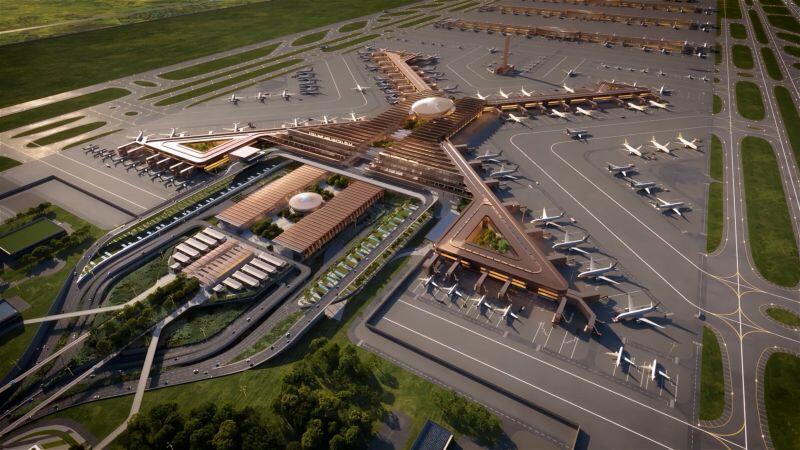
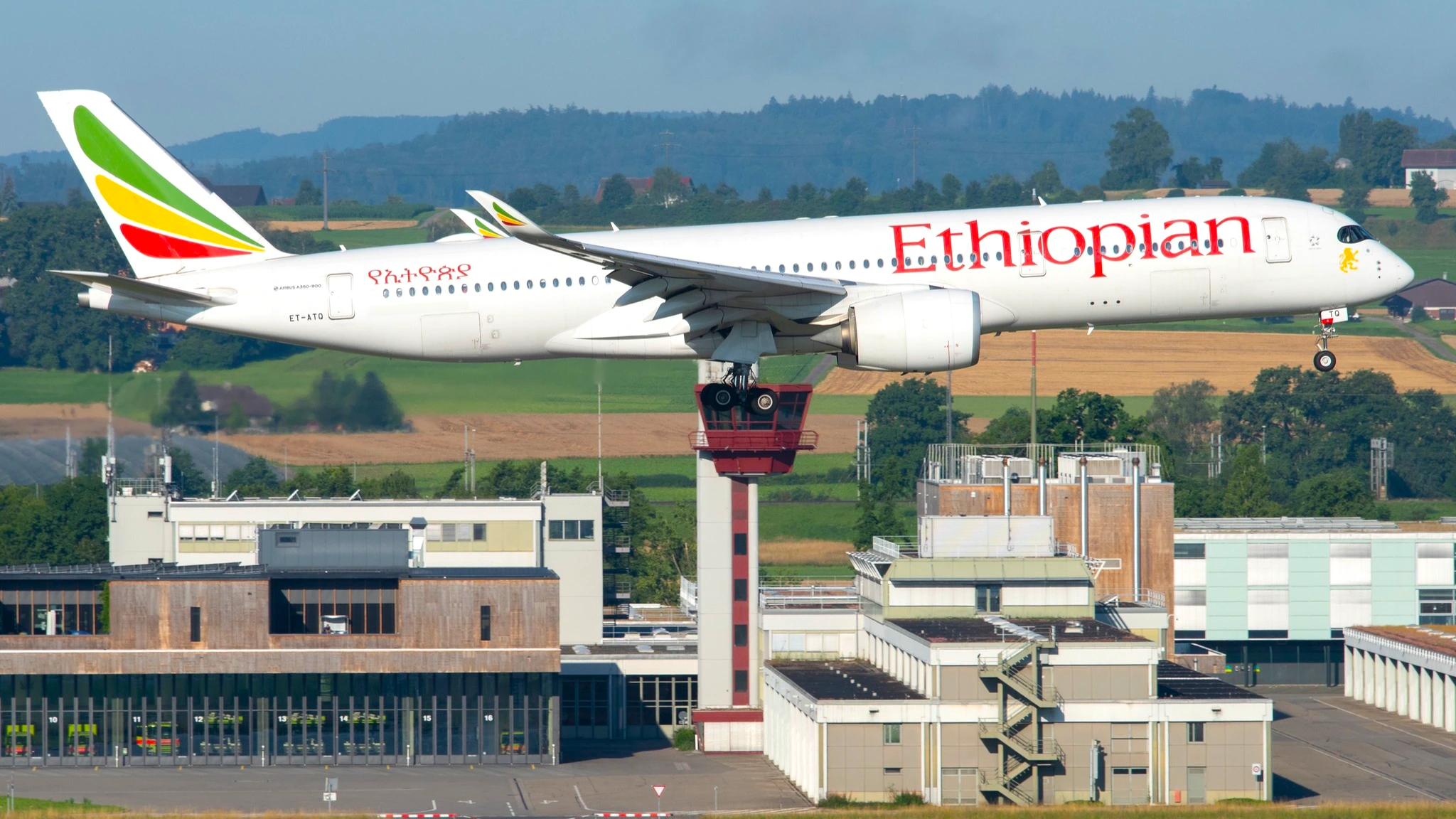
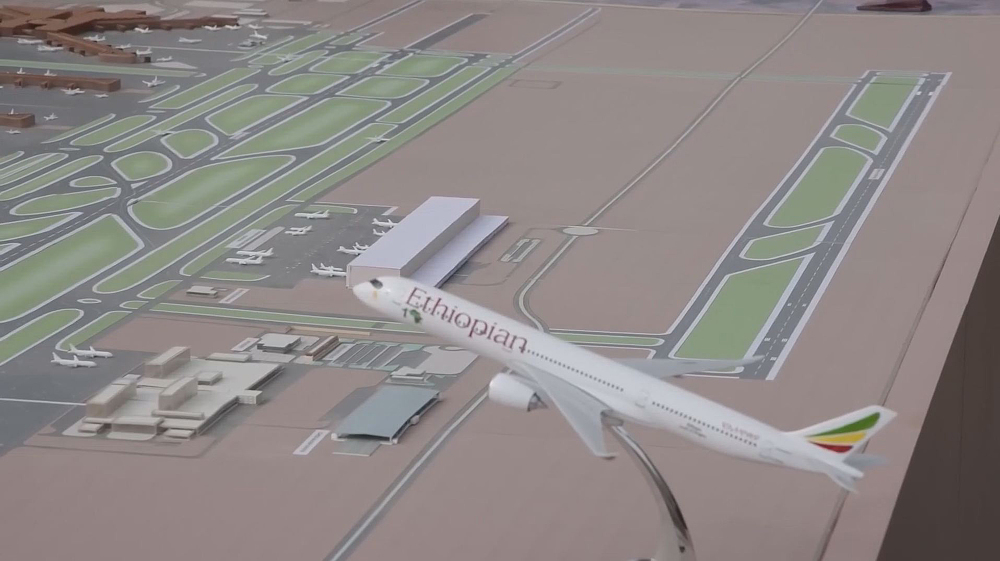
Ethiopian Airlines is pioneering a transformative logistics infrastructure that will dramatically reshape cross-border e-commerce opportunities in Africa. The $12.5 billion Bishoftu International Airport represents more than an aviation project—it's a strategic gateway for global sellers targeting emerging African markets.
Key logistics implications for cross-border sellers are substantial. The mega-hub will feature a 1.5 million tonnes cargo terminal, four parallel runways, and advanced transportation infrastructure connecting Addis Ababa with global trade networks. This represents a 400% increase in cargo handling capacity, creating unprecedented opportunities for sellers looking to penetrate African and intercontinental markets.
Strategic positioning makes this airport a game-changer for e-commerce logistics. By connecting Africa with Europe, Asia, Middle East, and the Americas through a centralized hub, Ethiopian Airlines is reducing transportation costs and increasing efficiency for international trade. The project's first phase, costing $6 billion, will establish parallel runways and passenger terminals, with full operational capacity targeted by 2030.
For cross-border sellers, this infrastructure signals several critical opportunities:
- Reduced shipping costs by 20-35% through optimized cargo routes
- Faster customs clearance with advanced transportation links
- Enhanced market access to 110 million potential passengers annually
- Lower total landed cost for products entering African markets
Sellers in electronics, fashion, consumer goods, and specialized equipment should immediately begin mapping market entry strategies leveraging this new logistics infrastructure.
問題 4
What makes this airport unique for global logistics?
It's Africa's largest airport project, featuring four parallel runways, connecting Africa with Europe, Asia, Middle East, and the Americas. The hub-and-spoke model reduces transportation costs and increases global market accessibility.
When will the airport be fully operational for international trade?
The first phase is scheduled for completion by 2030, with initial cargo terminal capacity of 60 million passengers and 1.5 million tonnes of cargo. Major construction begins in August 2026, signaling a strategic timeline for market entry planning.