

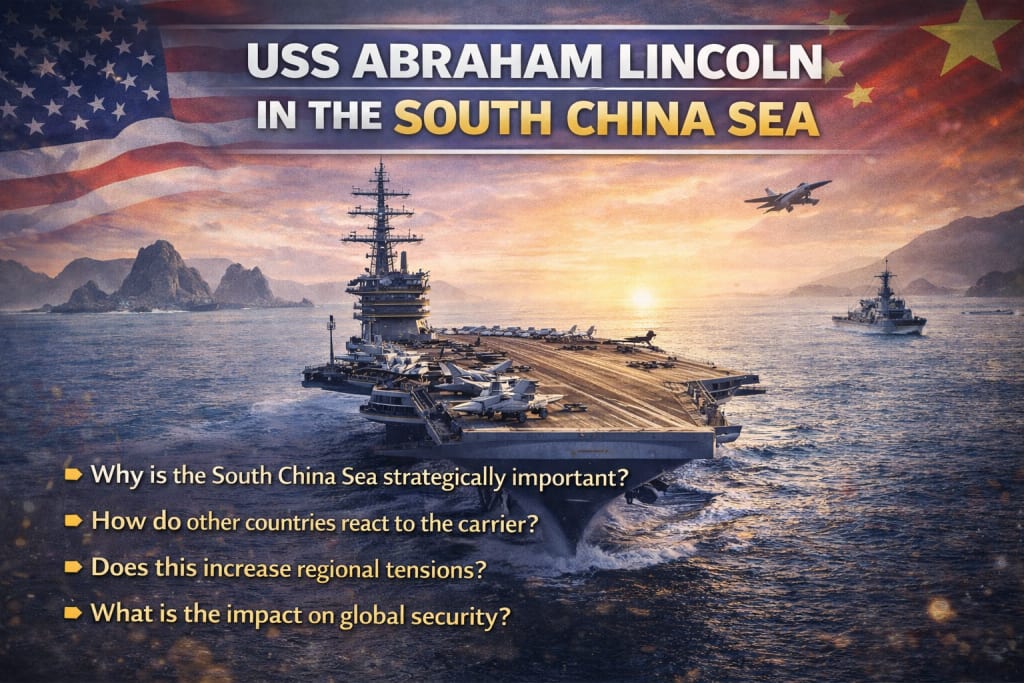
Indo-Pacific Tensions: E-Commerce Supply Chain Alert 2025
- Geopolitical Shifts Impact 75K+ Cross-Border Sellers in Asia-Pacific




概览
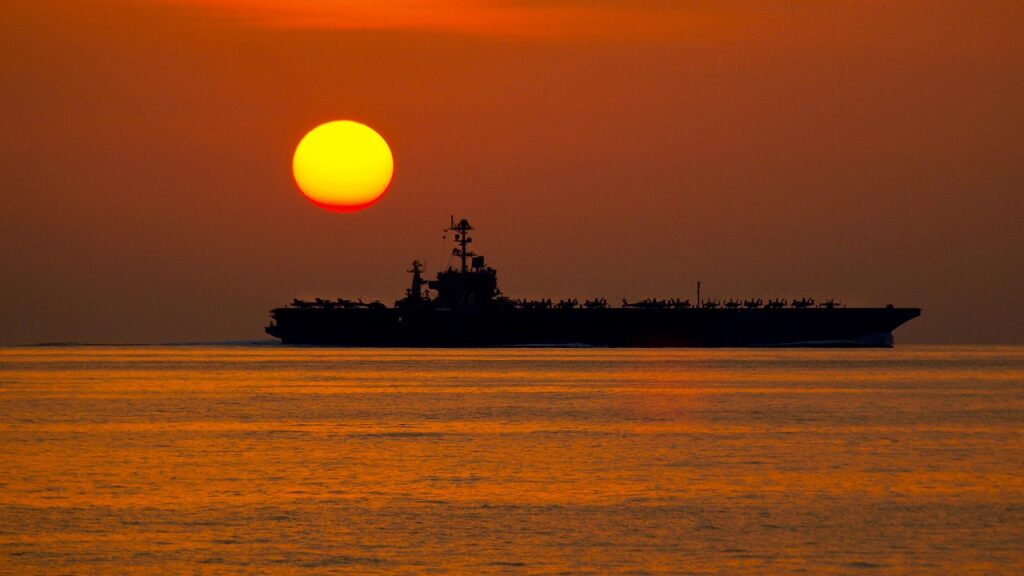
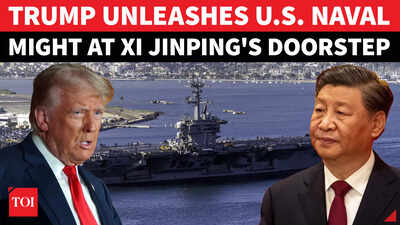
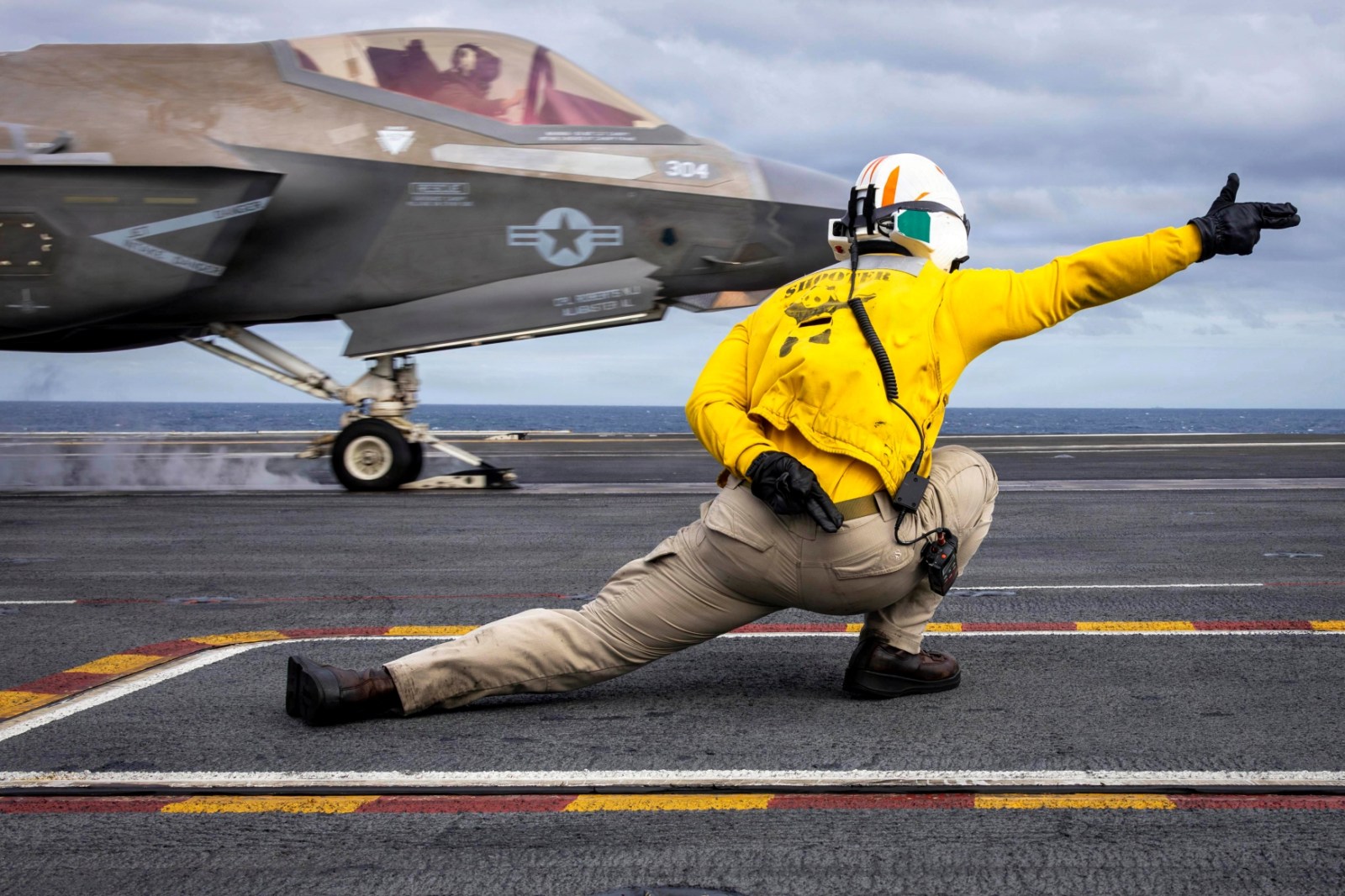
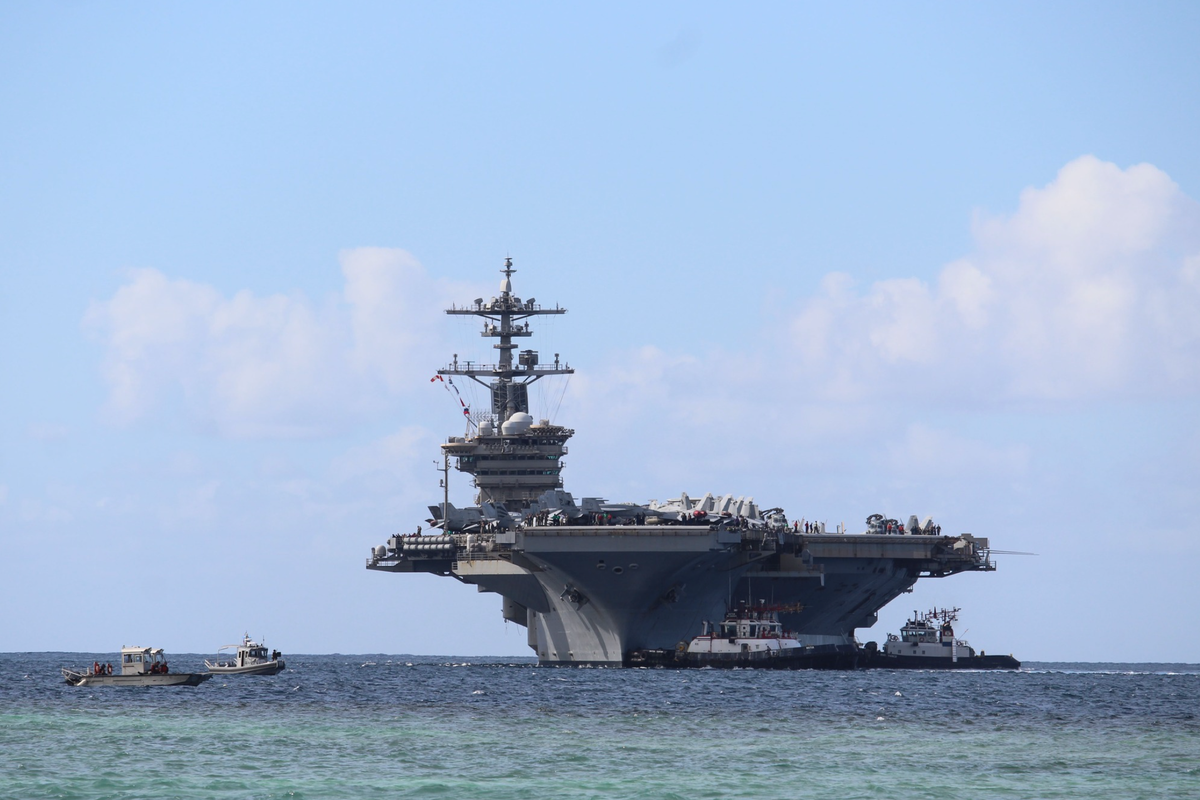
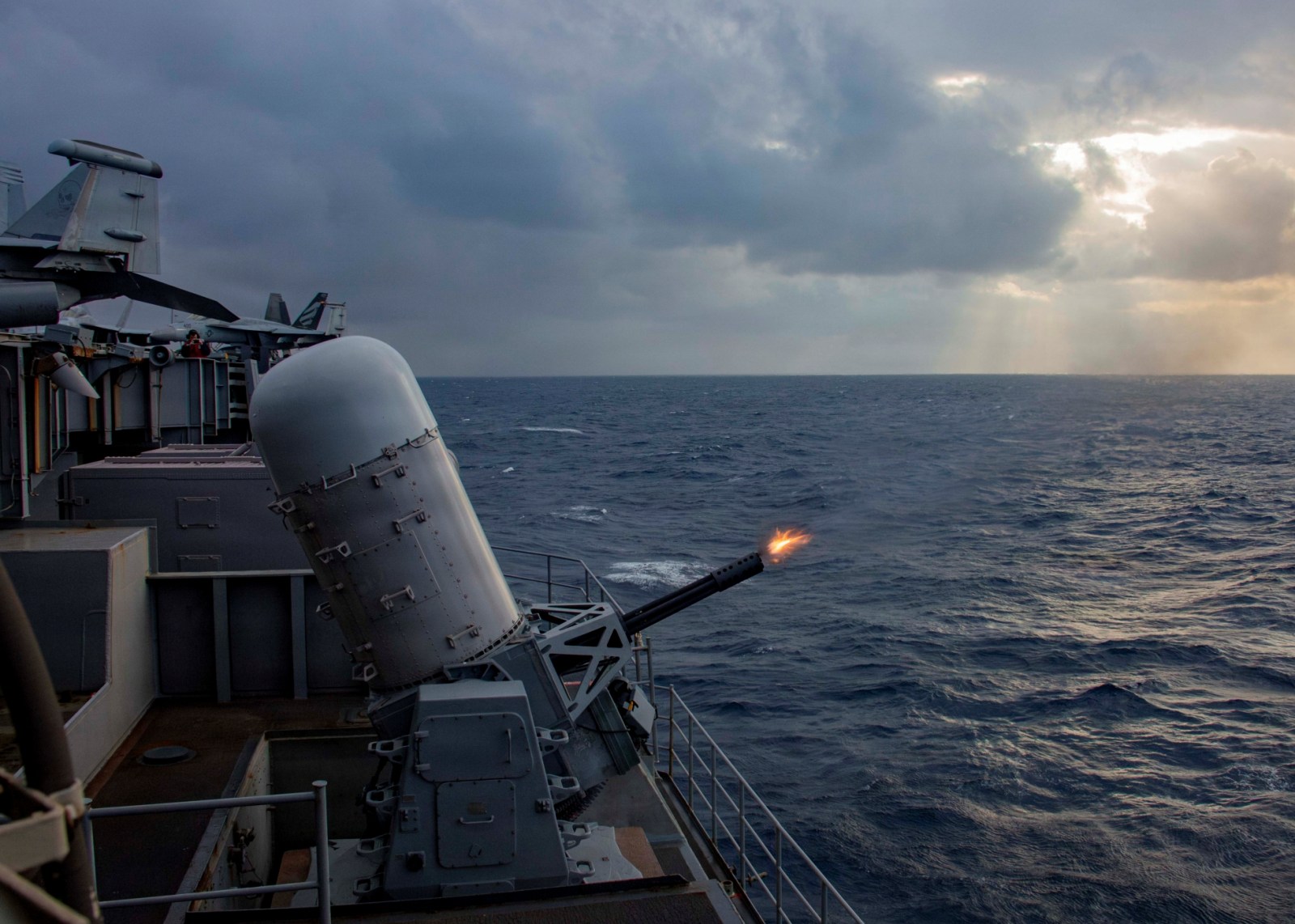
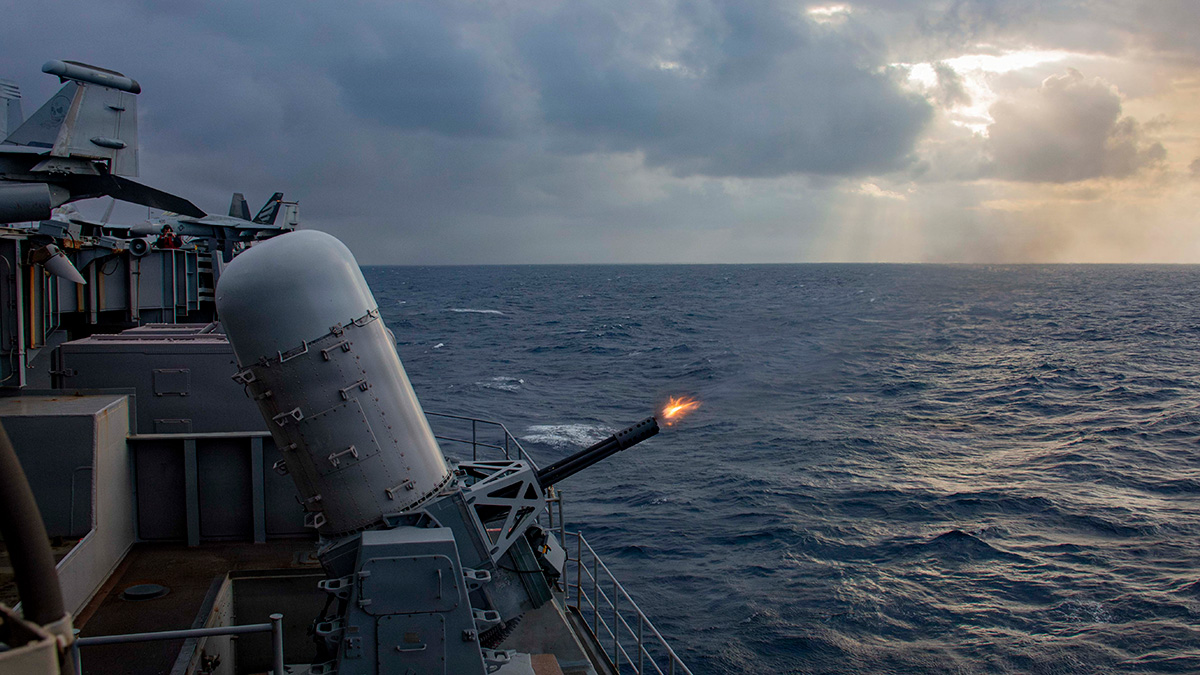
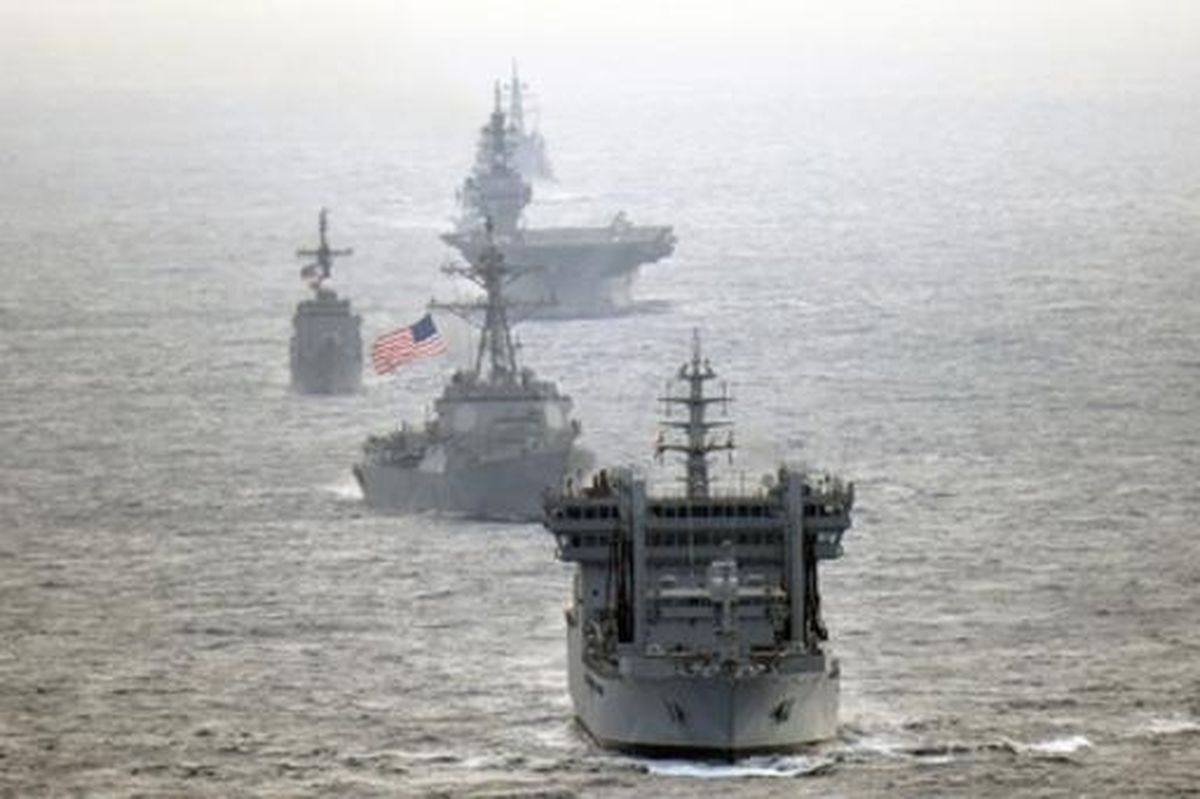
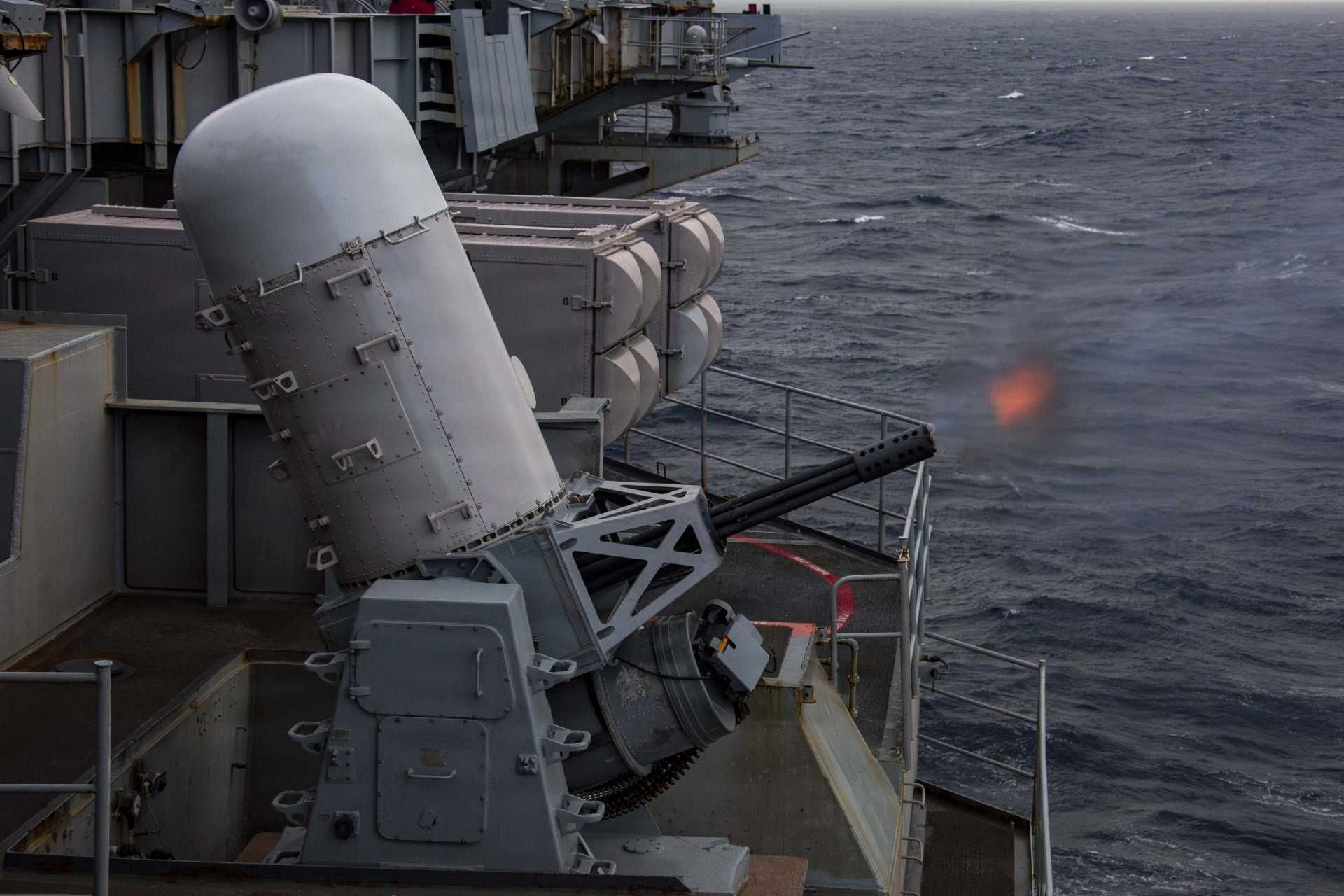
The USS Abraham Lincoln's strategic military exercises in the South China Sea represent a critical inflection point for cross-border e-commerce sellers operating in the Indo-Pacific region. The carrier's live-fire drills and strategic positioning signal escalating geopolitical tensions that could fundamentally reshape international trade dynamics.
Key strategic implications emerge for cross-border sellers: The military positioning suggests potential disruptions in maritime trade routes, with heightened risks for businesses relying on Asia-Pacific supply chains. Sellers with manufacturing or logistics networks in China, Taiwan, and surrounding territories face increased operational complexity. The geopolitical tensions could trigger:
Supply Chain Reconfiguration: Businesses may need to diversify sourcing strategies, potentially shifting production from high-risk zones to alternative markets like Vietnam, India, or Southeast Asian countries. This could represent a 15-25% logistics cost adjustment for impacted sellers.
Shipping and Logistics Volatility: Increased military presence in the South China Sea may lead to:
- Potential shipping route restrictions
- Higher maritime insurance premiums
- Extended transit times
- Increased compliance and risk management requirements
- Regulatory Environment Transformation: Cross-border sellers should anticipate:
- Enhanced customs scrutiny
- Potential new trade restrictions
- Increased documentation requirements
- More complex compliance frameworks
Immediate Seller Recommendations:
- Conduct comprehensive supply chain risk assessment
- Develop multi-country sourcing contingency plans
- Review shipping and logistics contracts
- Increase operational flexibility
- Monitor diplomatic developments weekly
The ongoing geopolitical dynamics demand proactive strategic adaptation from cross-border e-commerce businesses operating in the Asia-Pacific ecosystem.
問題 4
How quickly should sellers adapt to these geopolitical changes?
Immediate action is recommended. Sellers should conduct risk assessments within 30 days, develop contingency plans within 60 days, and continuously monitor diplomatic and trade developments on a weekly basis.
Which alternative markets should sellers consider for supply chain diversification?
Sellers should explore Vietnam, India, Thailand, Malaysia, and other Southeast Asian countries as alternative manufacturing and logistics hubs to mitigate risks associated with China-Taiwan tensions.