



EU-China EV Trade Deal: 10% Market Shift by 2030
- Impacts 50K+ Cross-Border Automotive & Tech Sellers








































概览
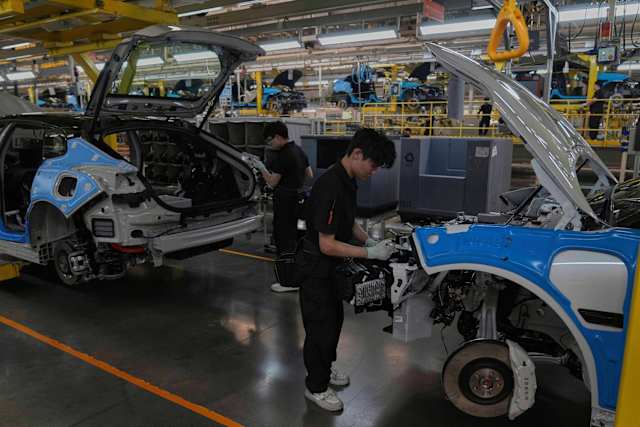
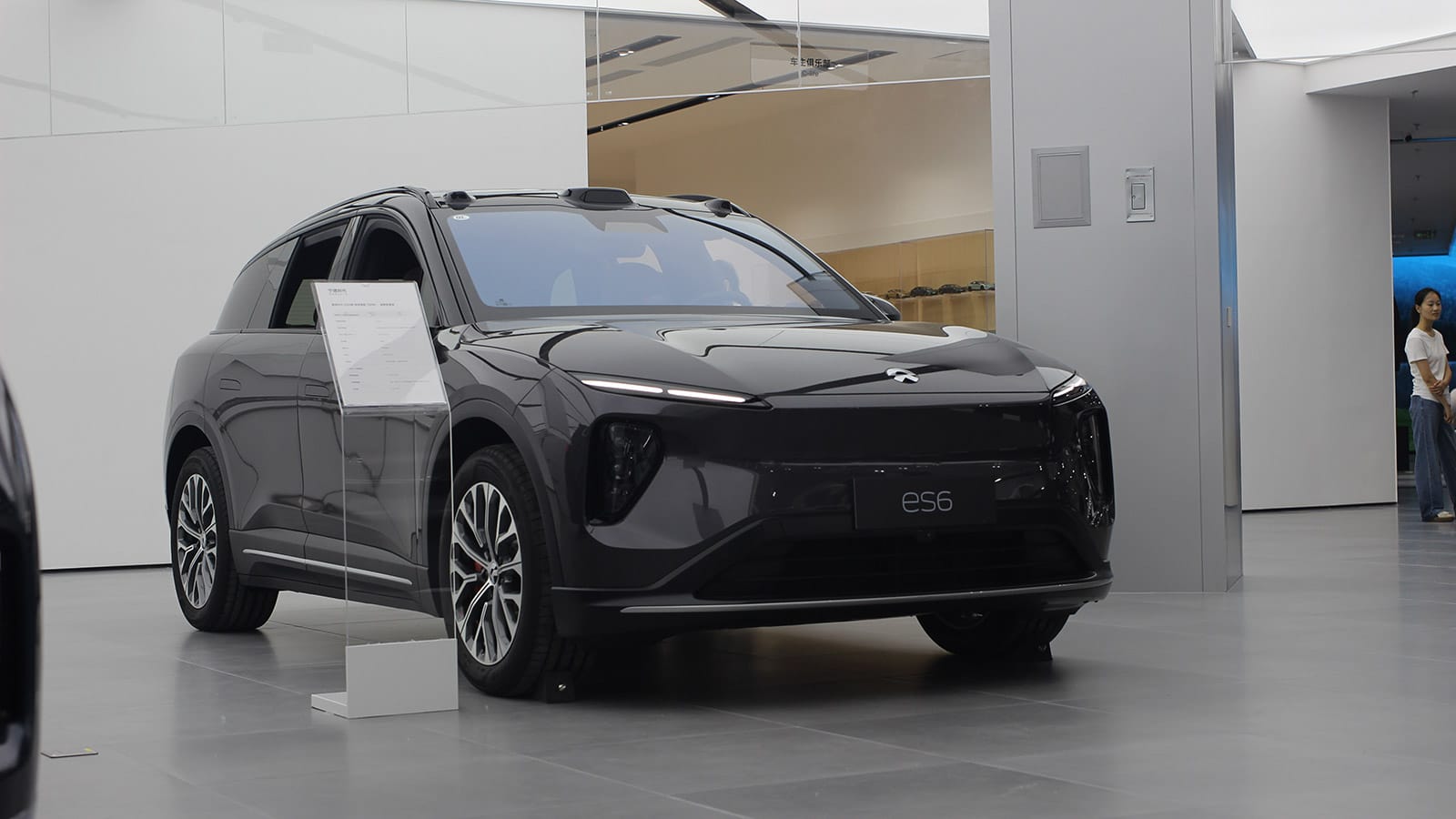
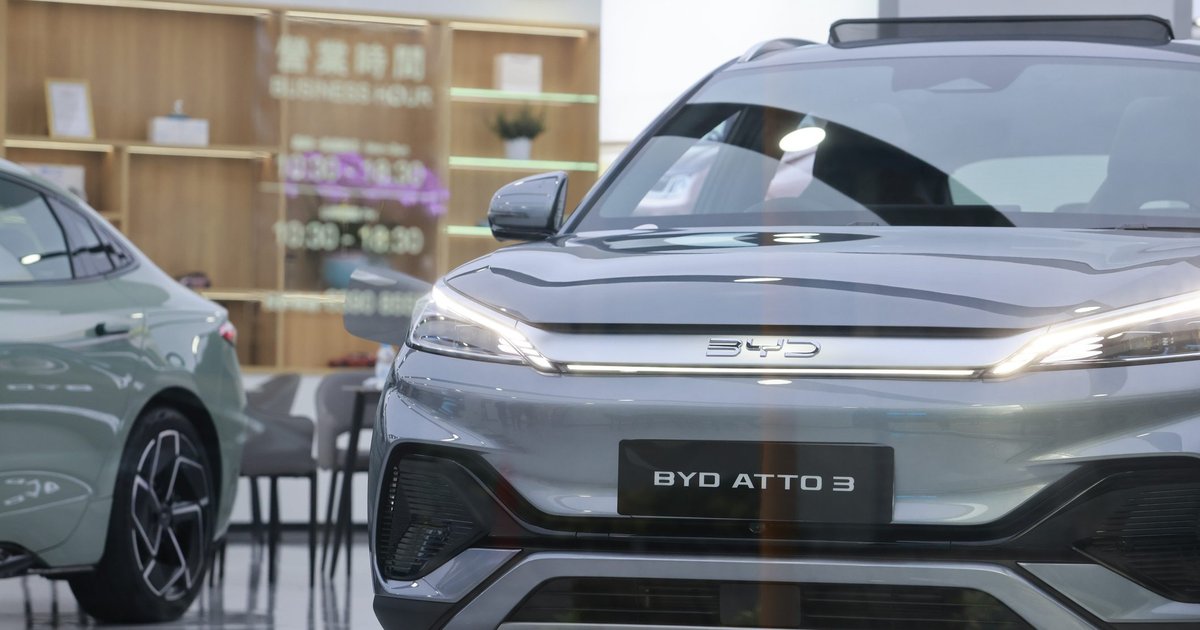
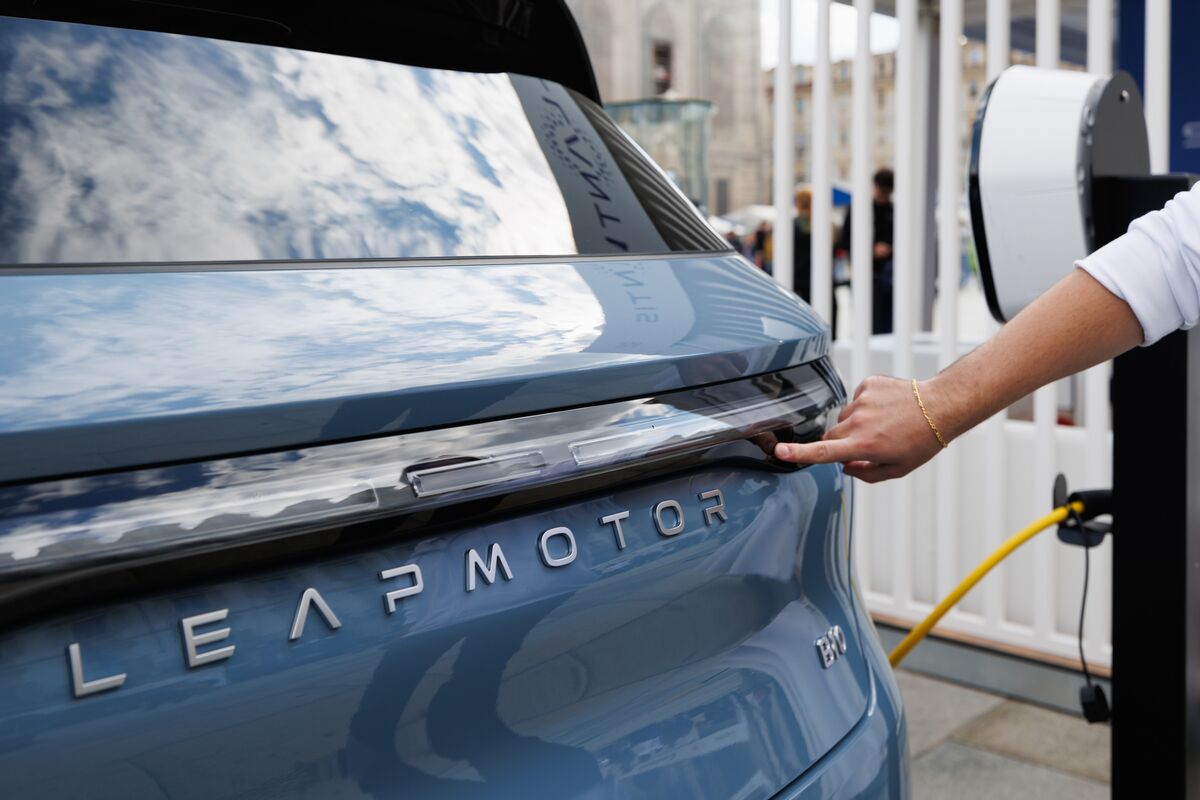
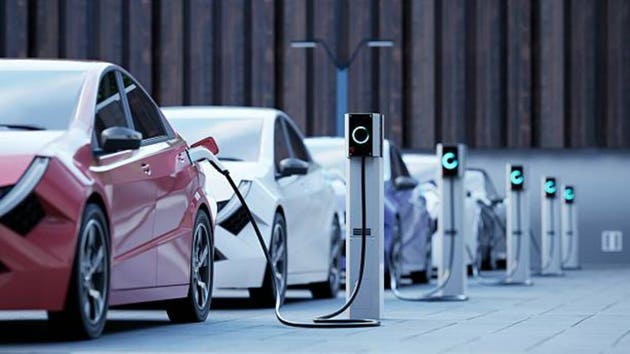
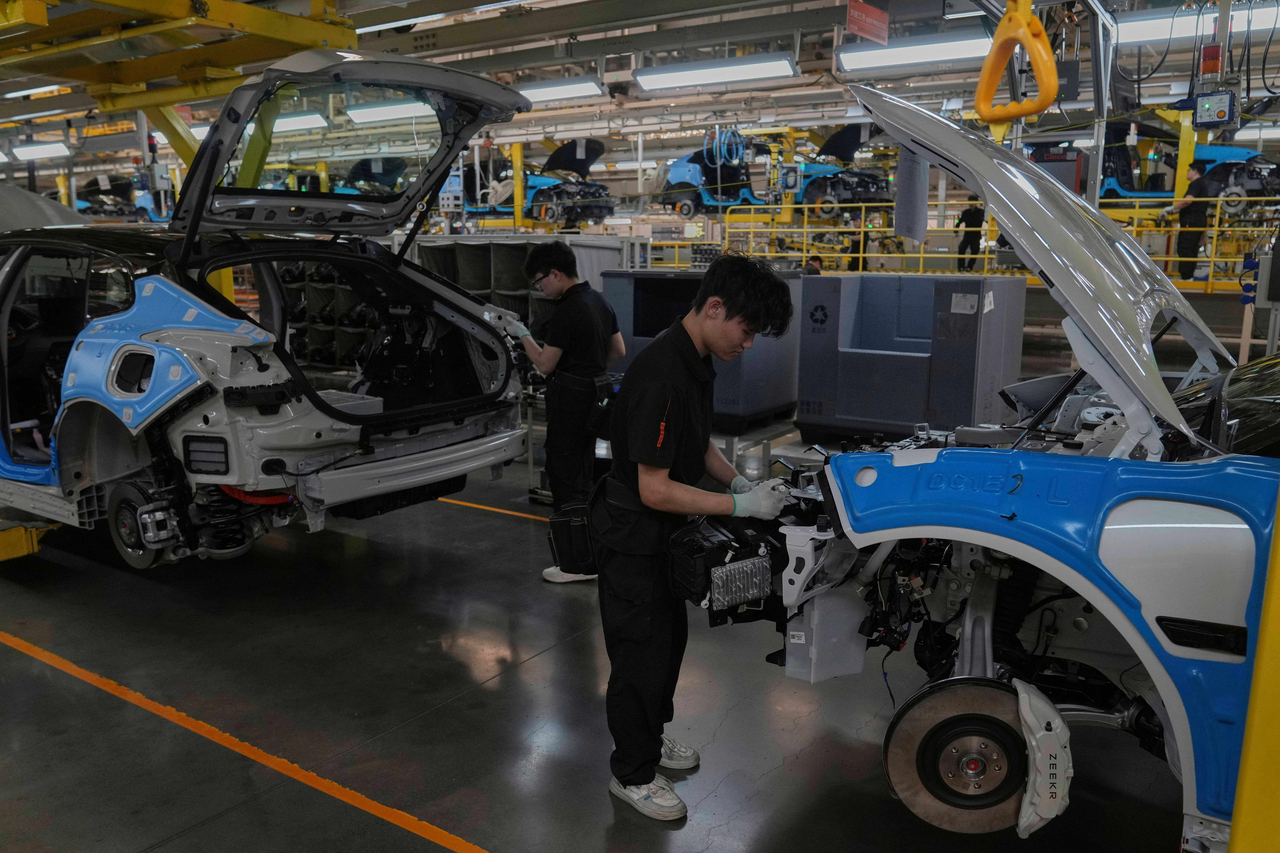
The China-EU electric vehicle (EV) import agreement represents a critical inflection point for cross-border e-commerce sellers in the automotive technology ecosystem. By negotiating a preliminary resolution to potential tariff conflicts, both regions have created a strategic pathway for more streamlined international trade in high-tech automotive components and electric vehicles.
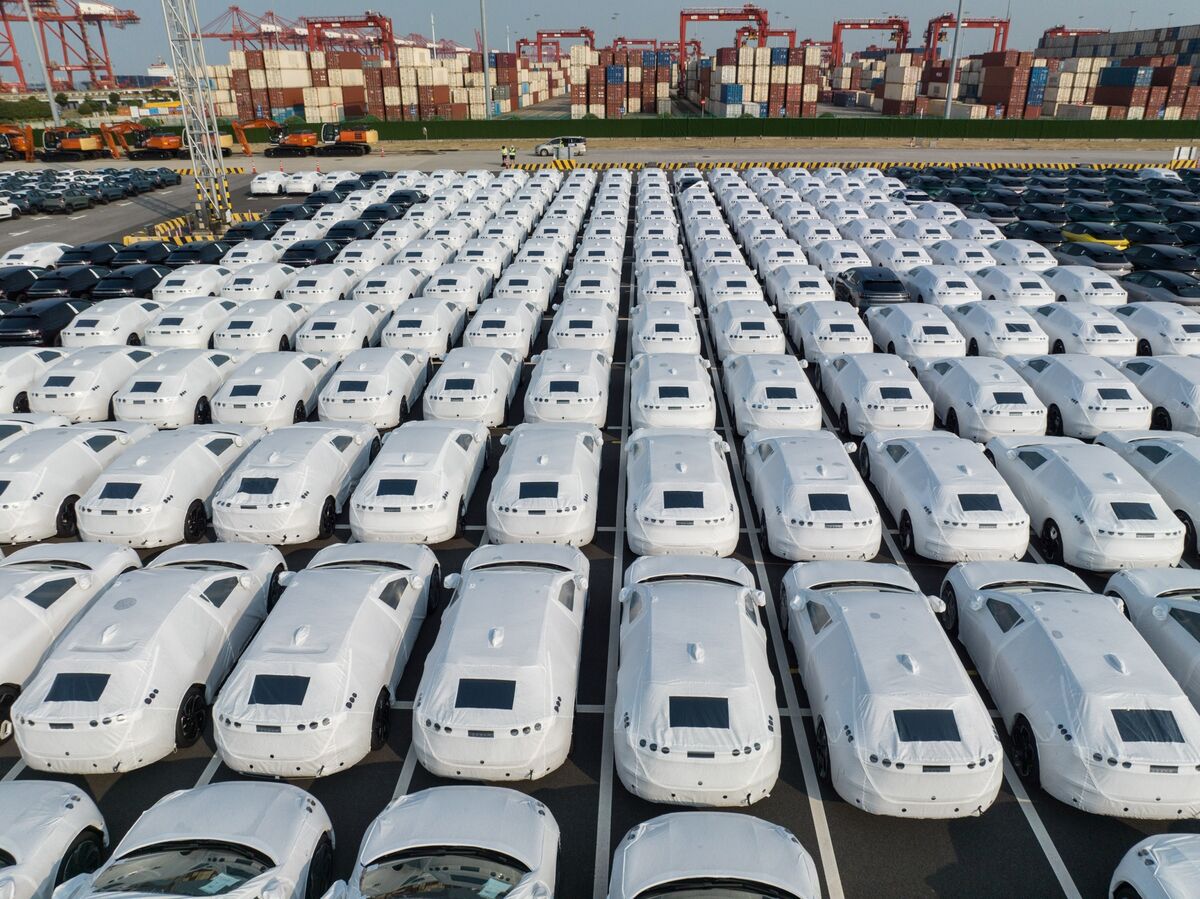
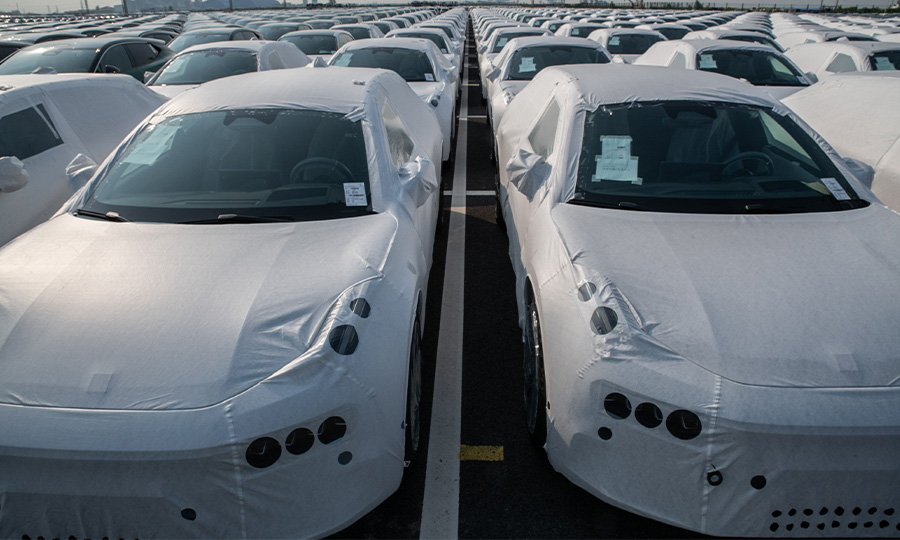
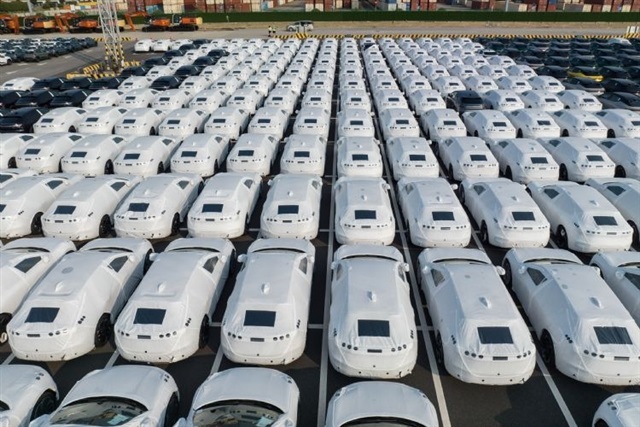
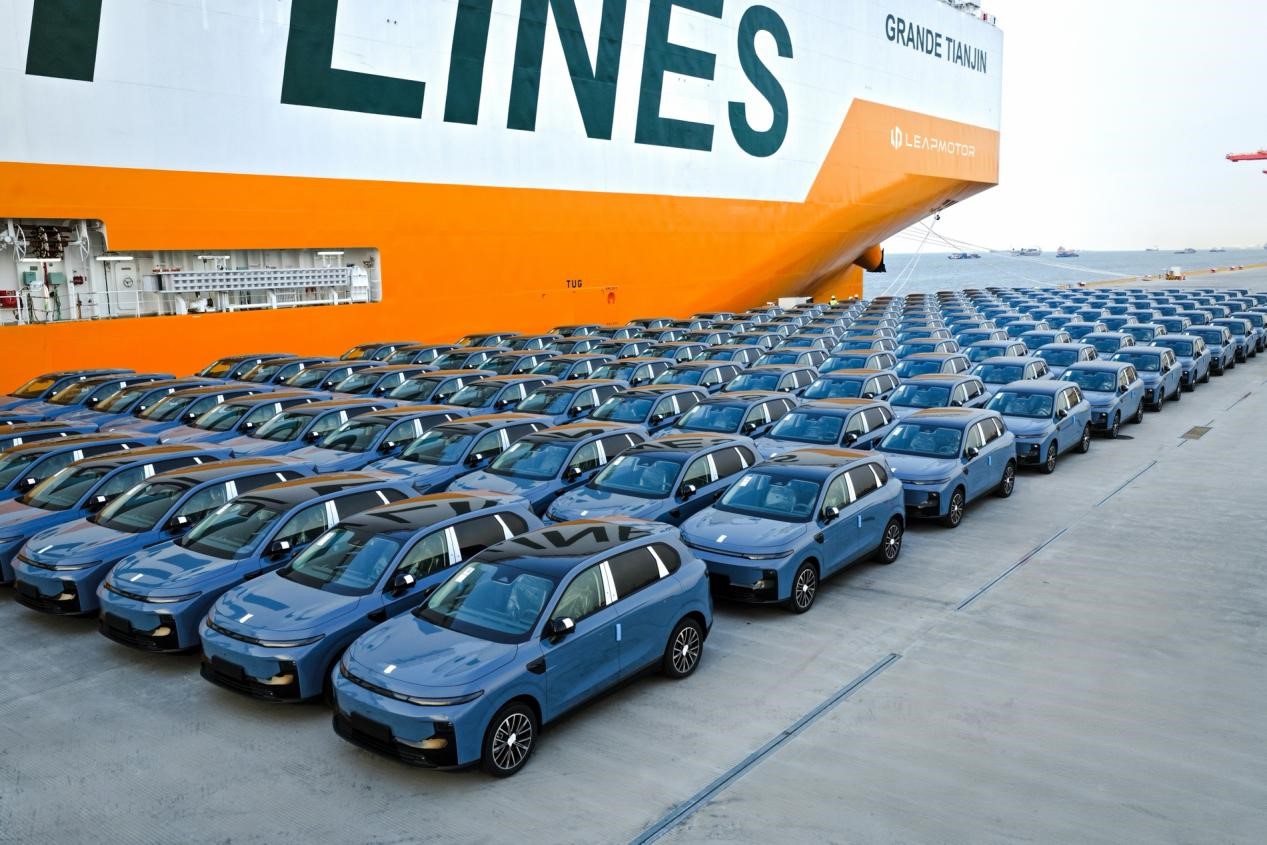
Key Market Transformation Indicators: Chinese EV imports to Europe have dramatically escalated from €1.6 billion in 2020 to €11.5 billion in 2023, triggering complex trade negotiations. The EU's initial stance of imposing up to 35.3% tariffs in 2024 has been replaced by a nuanced pricing mechanism designed to balance market access and fair competition.
Seller Opportunity Landscape: Cross-border e-commerce sellers specializing in EV components, automotive technologies, and related supply chain services now face a more predictable regulatory environment. The agreement suggests reduced barriers for:
- EV component importers
- Battery and rare earth material suppliers
- Automotive technology platforms
- Computer chip and electronics traders
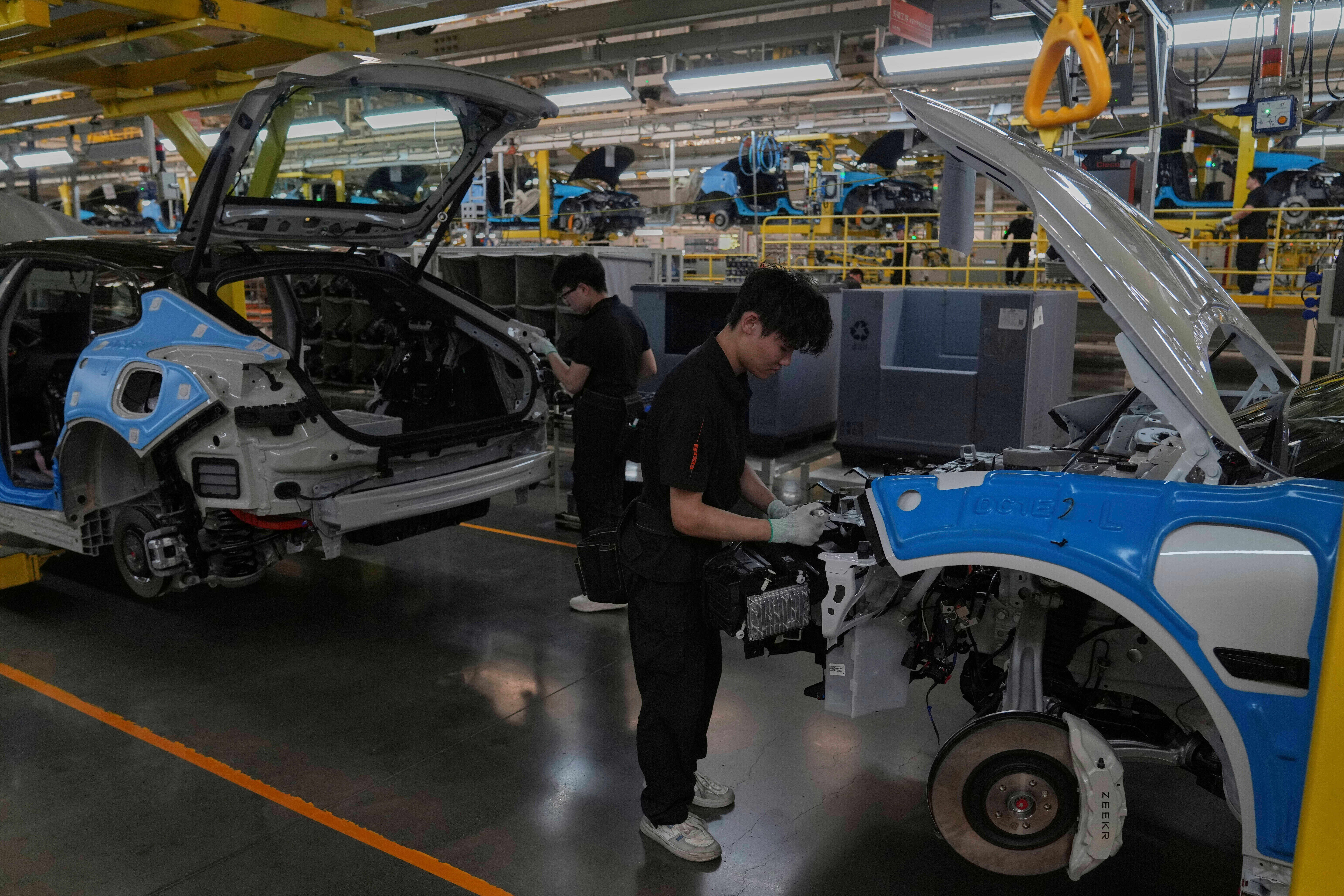
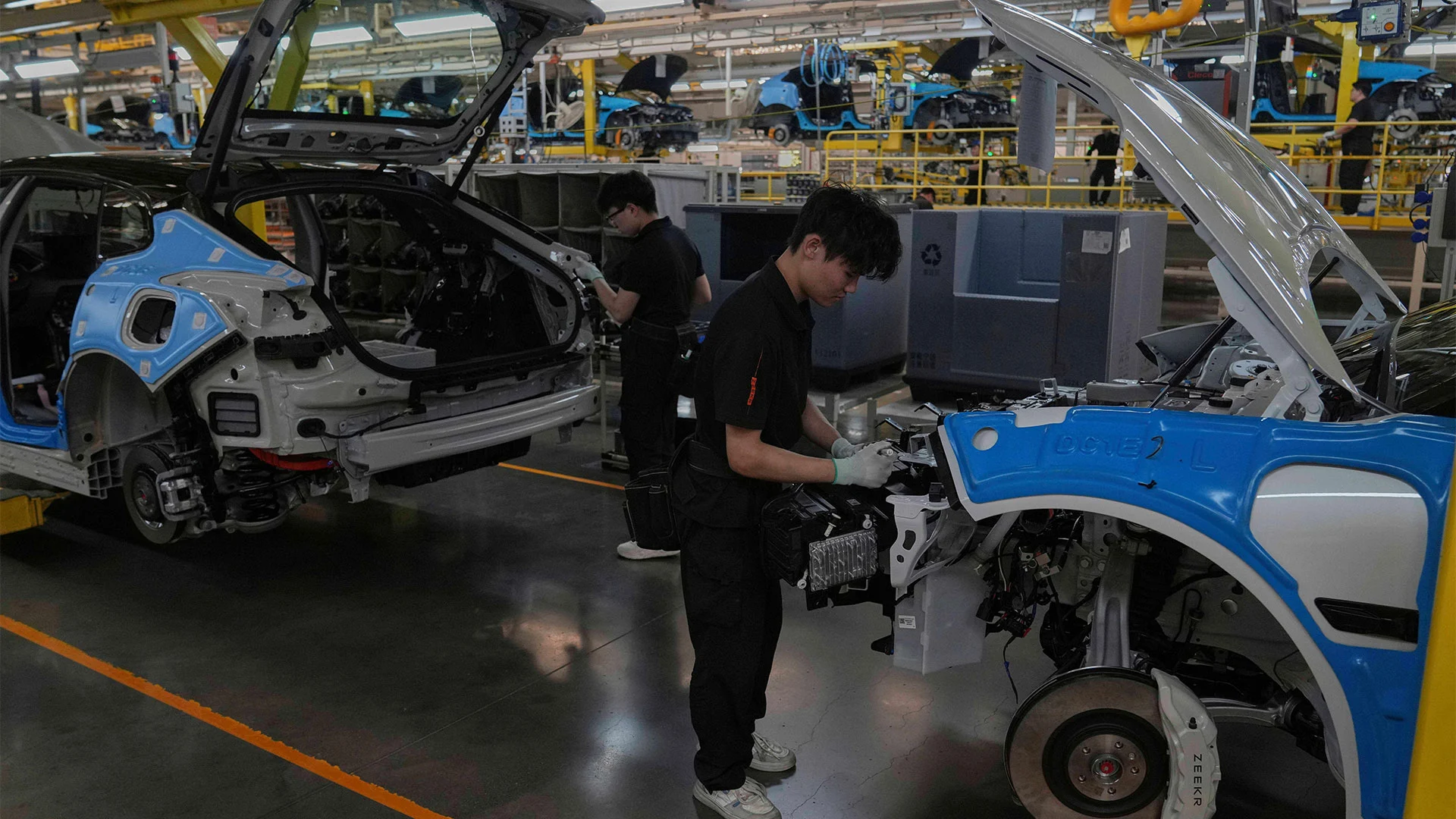
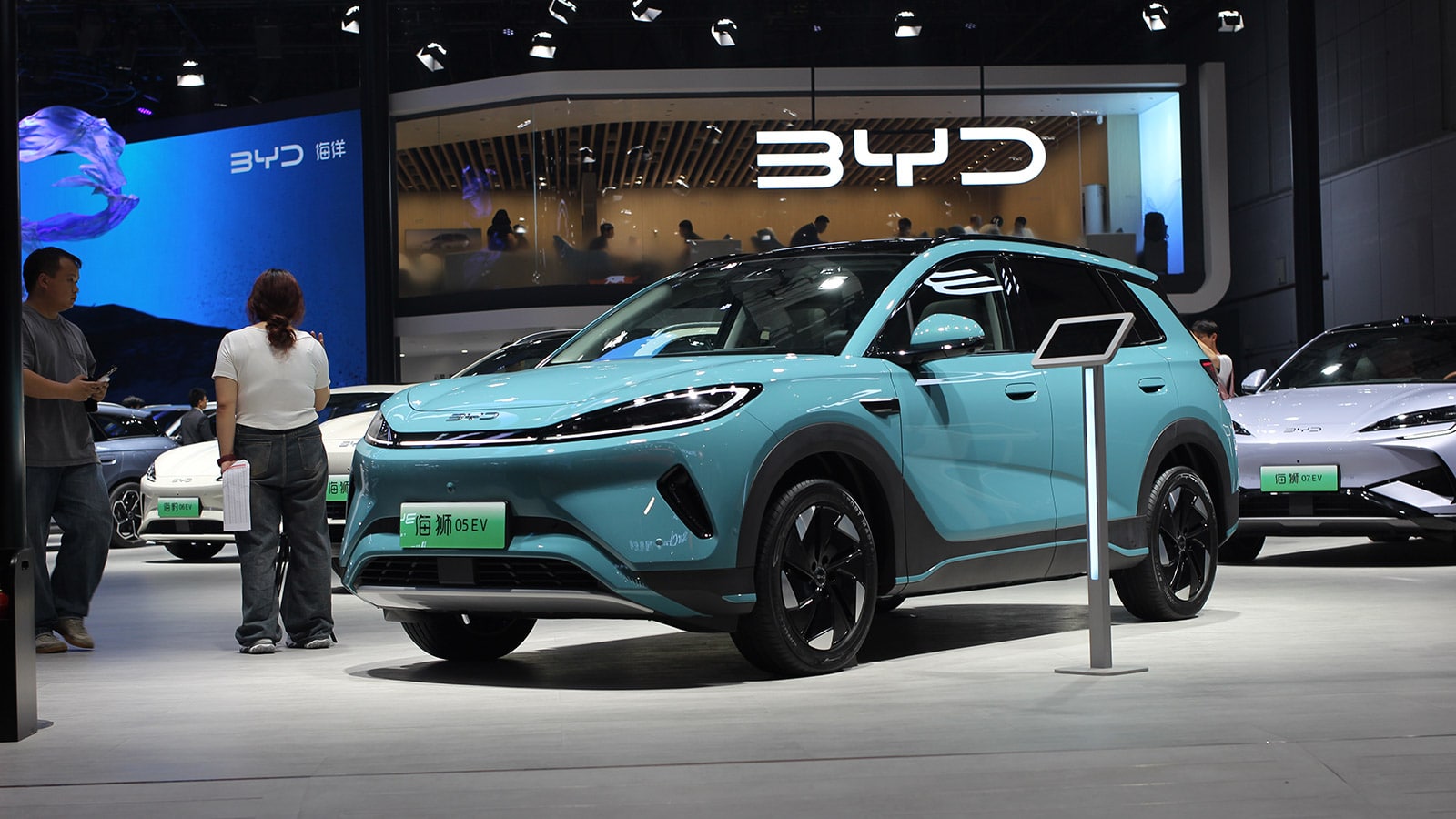
Strategic Implications: Projections indicate Chinese automakers could double their European market share to approximately 10% by 2030. This trajectory creates multiple entry points for sellers across technology transfer, component manufacturing, and digital marketplace platforms. The compromise reflects intricate interdependencies in global automotive supply chains, where European manufacturers remain critically reliant on Chinese technological inputs.
Sellers should proactively:
- Review import/export compliance requirements
- Explore emerging EV component marketplaces
- Develop flexible sourcing strategies
- Monitor evolving pricing mechanisms
問題 4
What immediate actions should cross-border sellers take?
Sellers should review current import/export compliance documentation, explore new marketplace opportunities in EV technologies, develop flexible sourcing strategies, and closely monitor evolving pricing mechanisms and regulatory guidelines.
How will the China-EU EV trade agreement impact cross-border sellers?
The agreement reduces tariff barriers, potentially lowering import costs by 20-35% for EV components and creating more predictable market access for automotive technology sellers. Sellers should expect streamlined import processes and reduced regulatory uncertainty.