



Cross-Border Health Risks: Measles Travel Alert Impact
- Potential Disruptions for 5000+ E-Commerce Logistics Providers







概览
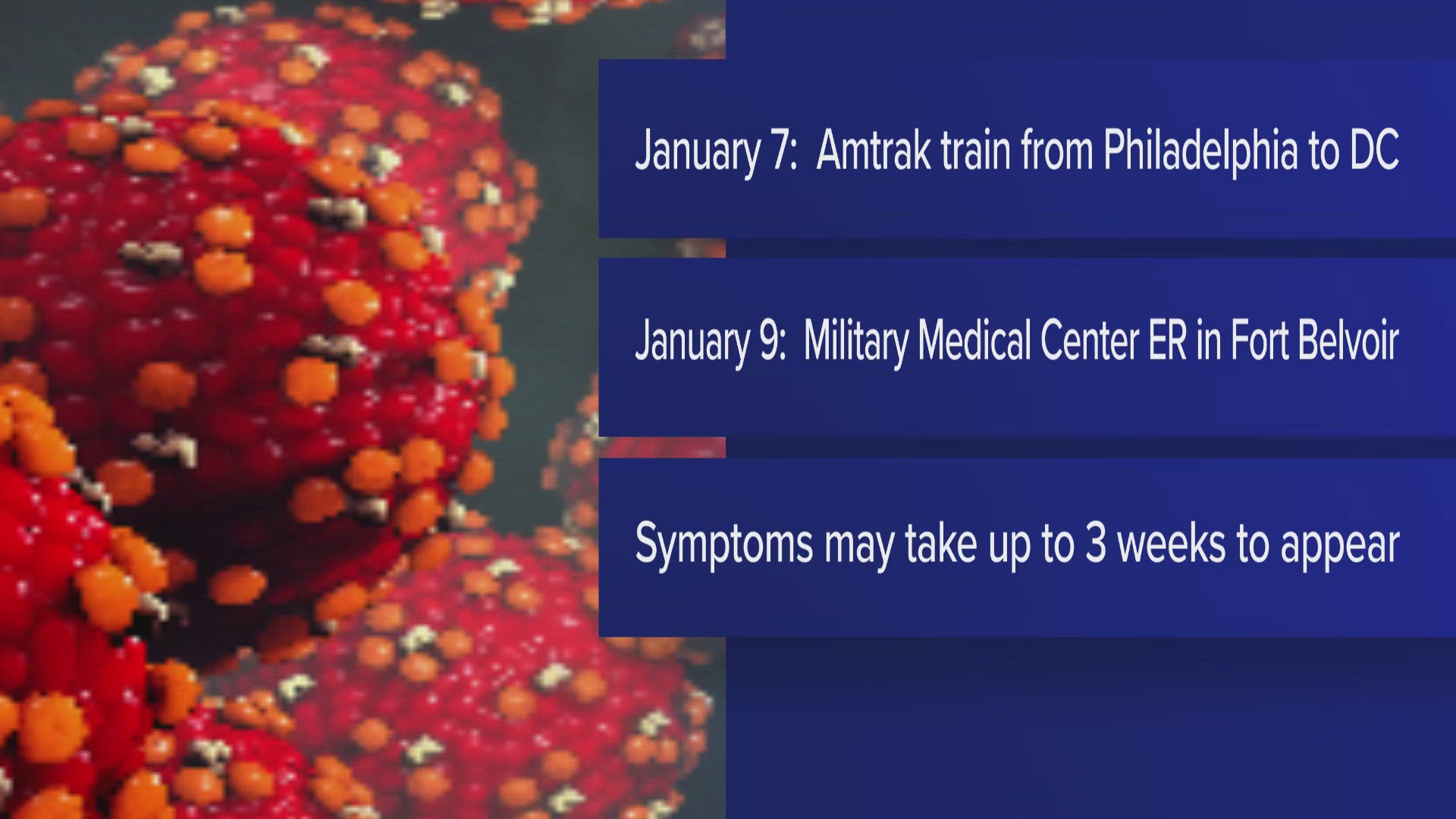
Cross-border e-commerce sellers face critical logistics and health risk management challenges following a multi-state measles exposure incident in the Mid-Atlantic region. The January 7-9, 2024 event involving a measles-infected traveler across Pennsylvania, Maryland, Virginia, and Washington D.C. reveals significant operational vulnerabilities for transportation-dependent sellers.
Strategic Implications for E-Commerce Logistics: The incident highlights the critical need for robust health monitoring and flexible supply chain strategies. Transportation networks like Amtrak and airport shuttles represent potential transmission vectors that can directly impact shipping routes, warehouse operations, and regional distribution networks. E-commerce sellers with supply chains traversing the Mid-Atlantic region must implement enhanced health screening and contingency planning protocols.
Operational Risk Mitigation Strategies:
- Develop comprehensive health monitoring protocols for logistics personnel
- Create flexible routing alternatives to minimize exposure risks
- Implement real-time health tracking for transportation networks
- Establish emergency communication channels with regional health departments
The measles exposure underscores the interconnected nature of modern logistics, where a single health incident can potentially disrupt entire regional supply chains. Cross-border sellers must view health surveillance as a critical component of risk management, not just a public health consideration. The ability to rapidly adapt logistics strategies in response to emerging health risks will become a key competitive differentiator in global e-commerce.
問題 3
How can e-commerce companies protect their supply chains from health-related disruptions?
Implement real-time health tracking for transportation networks, conduct regular health screenings for logistics personnel, develop multi-route shipping strategies, and maintain close communication with regional health authorities to stay informed about potential exposure risks.
How might measles exposure impact cross-border e-commerce logistics?
Measles exposure can disrupt transportation networks, potentially causing shipping delays, increased health screening costs, and requiring alternative routing strategies. Sellers may need to implement additional health monitoring protocols for logistics personnel and develop flexible supply chain contingency plans.