


Chile's Conservative Earthquake: How Kast's Election Signals a Radical Rightward Shift in Latin American Politics
- A seismic political transformation reshaping regional power dynamics and democratic institutions












概览
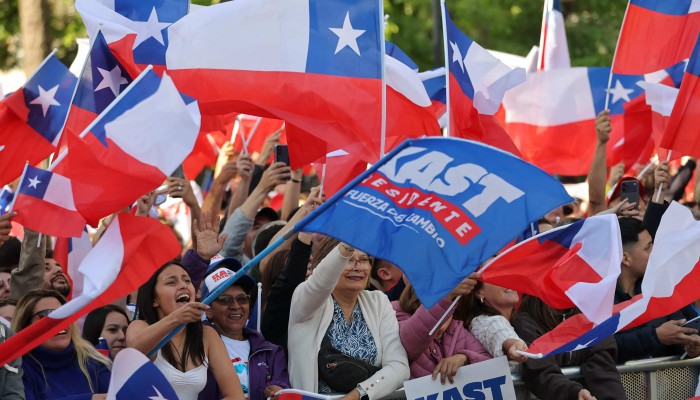
Chile's recent presidential election represents a profound political inflection point, marking a dramatic rightward surge that extends far beyond a simple change in leadership. José Antonio Kast's landslide victory—winning by approximately 16 percentage points—signals a complex realignment of political forces that threatens to resurrect the ideological ghosts of Chile's authoritarian past while simultaneously reflecting broader regional transformations.
The election's significance lies not just in Kast's victory, but in the systematic dismantling of progressive political narratives that have dominated Chilean politics since the end of the Pinochet era. By successfully campaigning on platforms of immigration control, law enforcement, and economic restructuring, Kast has tapped into deep reservoirs of public frustration with existing governance models.
What makes this election particularly noteworthy is its regional context. Kast's triumph is part of a larger Latin American conservative resurgence, where right-wing politicians are gaining unprecedented momentum. His pro-Trump positioning and connections to global conservative networks suggest this is not an isolated phenomenon, but part of a coordinated ideological realignment. The emergence of a potential conservative bloc—with planned meetings between Kast and Argentina's President Milei—indicates a strategic reconfiguration of political power dynamics.
The election reveals critical underlying social tensions. Voters' receptiveness to hardline positions on migration and security demonstrates a profound shift in public sentiment. This transformation goes beyond traditional left-right political divisions, representing a more fundamental recalibration of national identity and social contract. Kast's ability to transform a previous electoral defeat into a comprehensive victory by maintaining a consistent message about immigration and public safety underscores the potency of these themes.
Critically, Kast's victory is not just a political event, but a historical reckoning. By embracing elements of the Pinochet legacy while positioning himself as a forward-looking leader, he has successfully navigated the complex terrain of Chile's traumatic political memory. This suggests that historical narratives can be strategically reinterpreted to serve contemporary political ambitions.
The implications extend far beyond Chile's borders. This election signals a potential regression in democratic progress and hints at the fragility of institutional safeguards against authoritarian tendencies. For regional observers and global democracy advocates, Kast's rise represents a critical inflection point that demands careful, nuanced understanding.
問題 4
What drove Kast's unexpected electoral success?
Kast capitalized on public frustration with rising crime, economic stagnation, and disappointment in current leadership. His consistent messaging on immigration control and public safety resonated with voters seeking decisive action, transforming previous electoral defeats into a comprehensive victory.
How does Kast's election impact Chile's democratic trajectory?
The election signals potential regression in democratic progress, with Kast's ties to the Pinochet legacy and ultraconservative stance threatening to reverse social advances. His victory suggests ongoing tensions in consolidating democratic institutions and a potential shift towards more authoritarian governance models.