



Argentina's Currency Liberation: A Strategic Reset for Financial Credibility
- Milei's Bold Monetary Reforms Signal Comprehensive Economic Transformation for International Investors



概览
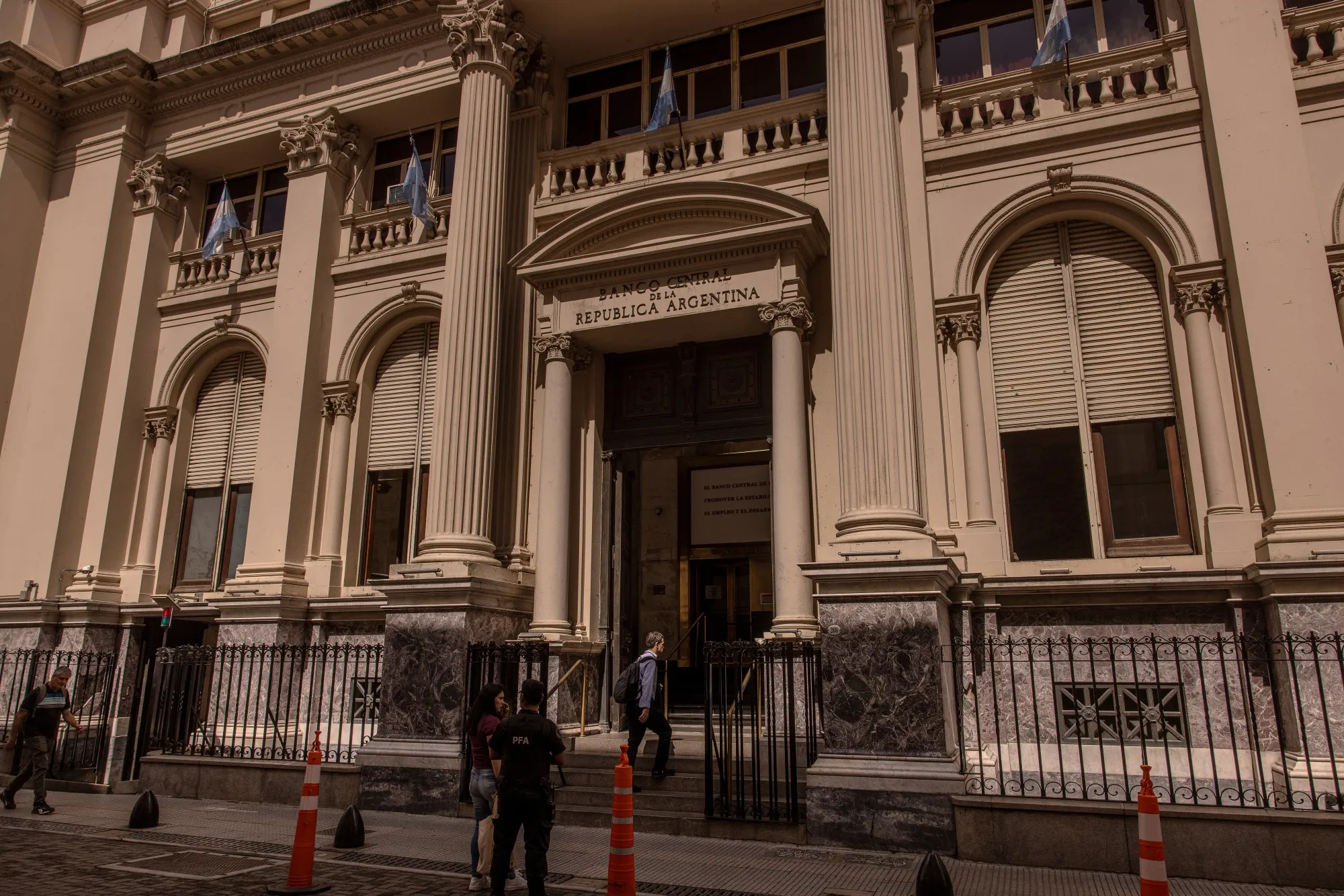
Argentina's financial landscape is undergoing a profound metamorphosis, with recent policy shifts representing a calculated strategy to restore international market credibility and unlock substantial economic potential. The central bank's nuanced approach combines two critical mechanisms: a flexible foreign exchange band and a transparent reserve accumulation program, signaling a sophisticated departure from previous interventionist strategies.
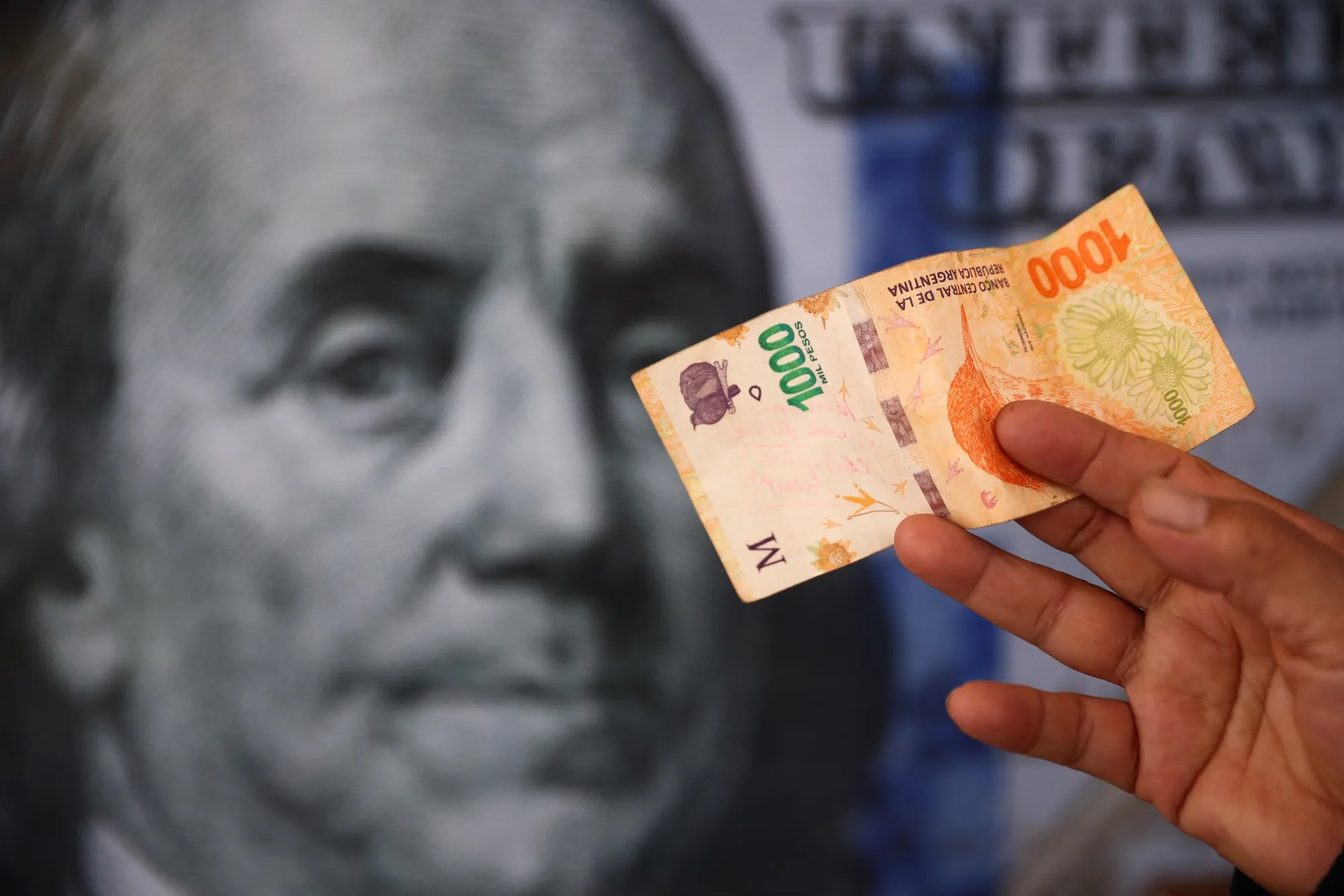
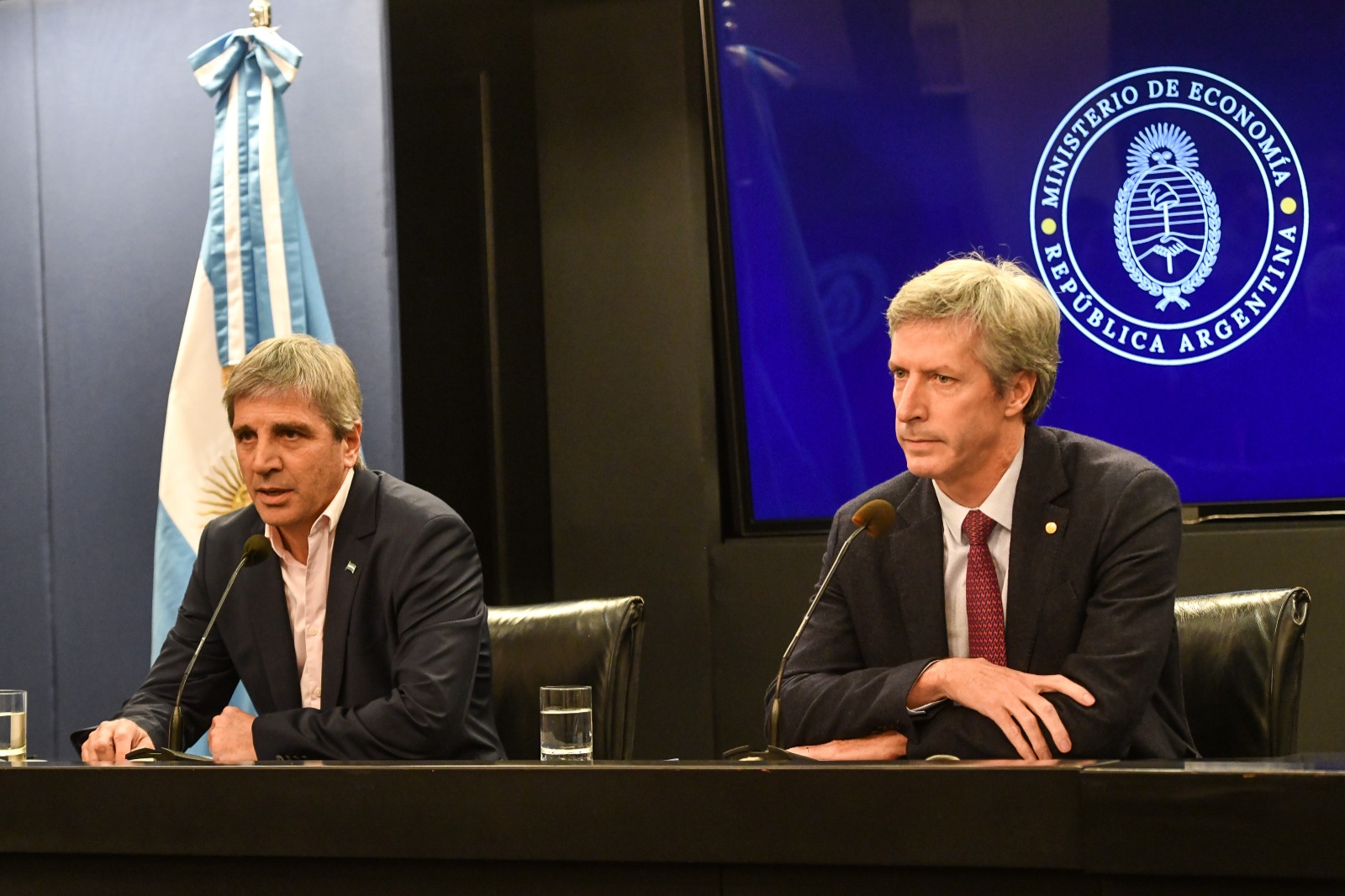
The peso's newfound flexibility marks a pivotal moment in Argentina's economic reconstruction. President Javier Milei's decision to allow the currency to float more freely represents more than a technical adjustment—it's a fundamental reimagining of monetary policy. By reducing artificial currency constraints, Argentina is essentially inviting international investors to reassess their risk calculations and potentially re-engage with a market long considered unpredictable.
Strategic implications emerge across multiple dimensions. The central bank's pre-announced foreign exchange reserve accumulation program, estimated to involve $10-17 billion in net purchases, demonstrates a methodical approach to rebuilding financial credibility. JPMorgan's analysis suggests these moves can be executed without triggering inflationary pressures—a critical consideration for emerging market economies.
The International Monetary Fund's upcoming discussion signals another layer of strategic recalibration. With a $20 billion financial program under consideration, the IMF's engagement suggests Argentina is not merely making cosmetic changes but pursuing comprehensive economic restructuring. This represents a delicate balancing act: liberalizing markets while maintaining sufficient economic stability to attract international capital.
For cross-border businesses and investors, these developments translate into tangible opportunities. The more transparent exchange rate promises reduced currency manipulation risks and potentially more predictable long-term financial planning. Sophisticated market participants will recognize this as a potential inflection point—a moment to reassess Argentina's investment landscape before broader market recognition occurs.
Ultimately, these policy shifts represent a bold experiment in market-driven economic reform. By systematically dismantling previous interventionist frameworks, Milei's administration is signaling its commitment to fundamental economic transformation. The ultimate test will be execution: maintaining currency alignment with economic fundamentals while achieving sustained reserve accumulation.
問題 4
What specific changes are happening to Argentina's currency management?
Argentina is implementing a more flexible foreign exchange band that will adjust based on CPI data, allowing the peso to float more freely. This reduces artificial currency constraints and enables more natural market valuation, signaling a significant shift from previous interventionist approaches.
What role is the IMF playing in Argentina's economic transformation?
The IMF is actively engaged in discussing Argentina's $20 billion financial program, suggesting continued oversight and strategic guidance. Their involvement indicates a collaborative approach to economic restructuring, with potential policy recommendations and financial oversight to support Argentina's market liberalization efforts.