


Global Trade Alert: Iran Strait of Hormuz Disruption Risk 2024
- Potential 20% Shipping Cost Increase for Cross-Border Sellers




概览
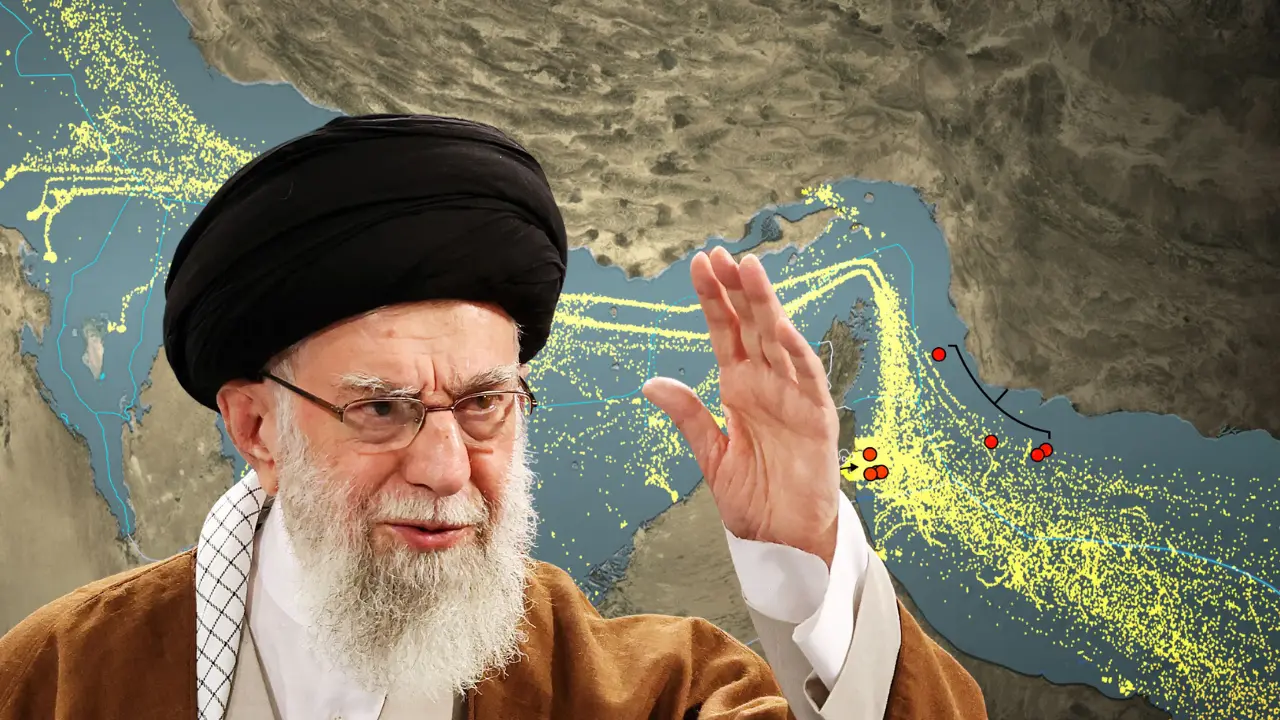
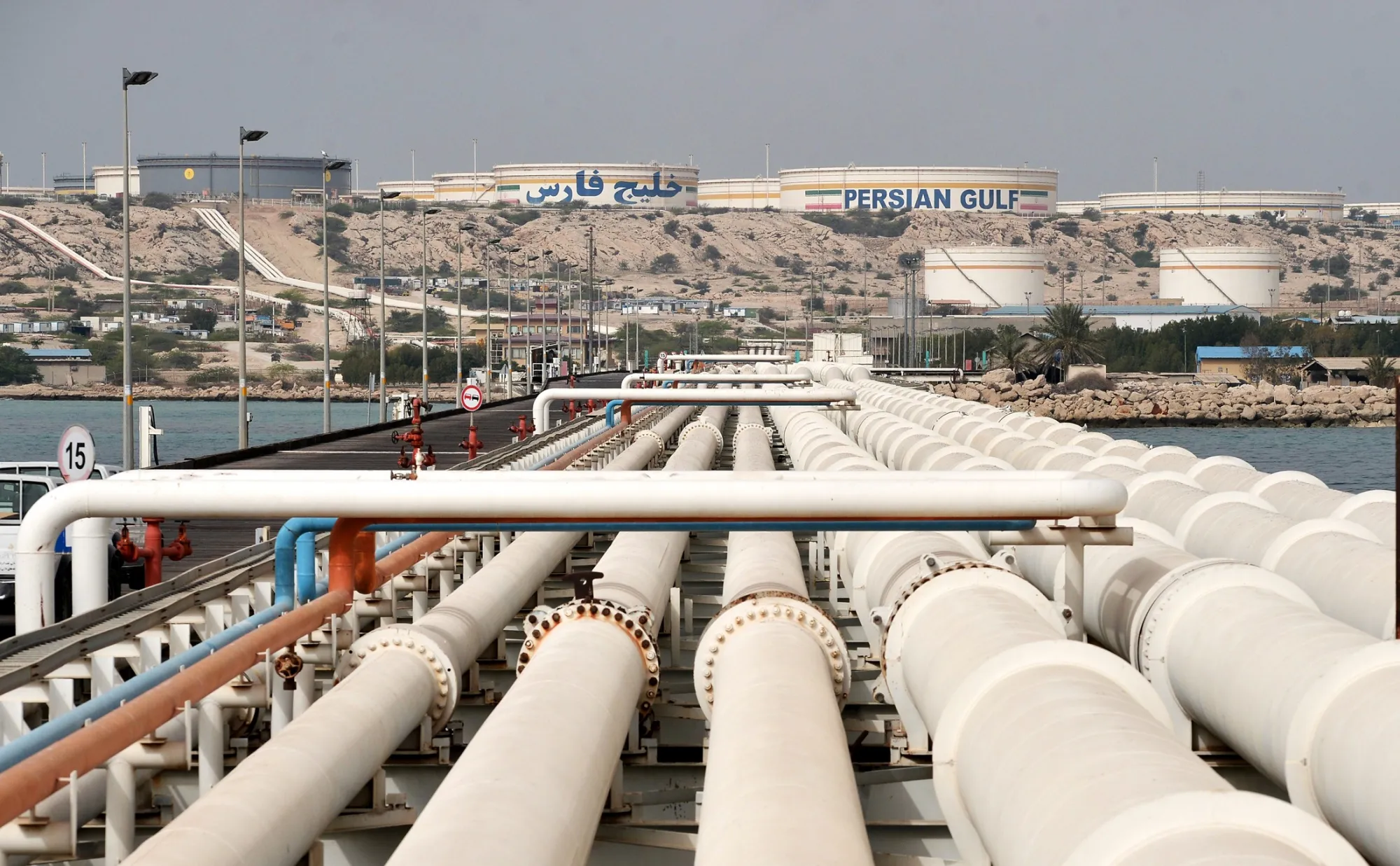
The Strait of Hormuz represents a critical geopolitical flashpoint with profound implications for cross-border e-commerce sellers worldwide. With nearly one-third of global seaborne crude oil transiting this 21-mile maritime chokepoint, any potential disruption could trigger massive supply chain transformations and operational challenges for international merchants.
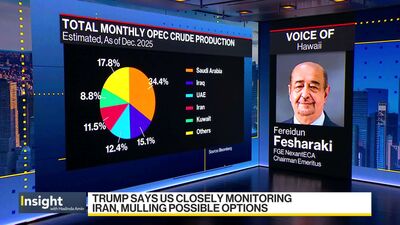
Strategic Supply Chain Vulnerability Emerges: The potential for Iran to block this critical waterway creates an unprecedented risk scenario. Energy analysts predict a potential $10-$20 per barrel price spike, which would immediately translate into exponential shipping and logistics cost increases. Asian economies, purchasing roughly 80% of oil transiting the strait, would be most severely impacted, creating ripple effects across global e-commerce infrastructure.
Operational Risk Management Becomes Critical: Cross-border sellers must proactively develop multi-layered risk mitigation strategies. This includes:
- Diversifying shipping routes and logistics providers
- Building redundant inventory in multiple geographic locations
- Developing flexible supply chain contingency plans
- Implementing real-time geopolitical risk monitoring systems
The broader economic implications are profound. Higher energy costs could make international shipping prohibitively expensive, potentially compelling sellers to redesign entire cross-border trade strategies. Sellers operating in electronics, automotive parts, and high-value merchandise categories will face the most significant challenges, requiring immediate strategic reassessment.
問題 4
How long might potential Strait of Hormuz disruptions last?
Historical geopolitical tensions suggest potential disruptions could range from weeks to months. Sellers should prepare contingency plans for 3-6 month potential interruption scenarios, focusing on adaptive supply chain strategies.
Which product categories are most at risk from potential maritime disruptions?
High-value, time-sensitive categories like electronics, automotive parts, and precision machinery face the greatest risk. These products require complex, just-in-time supply chains most vulnerable to shipping route interruptions.