


Healthcare's Breaking Point: UK Doctors' Revolt Exposes Systemic Workforce Crisis
- Unprecedented medical labor tensions reveal deep structural challenges in professional training and compensation
)











)








概览
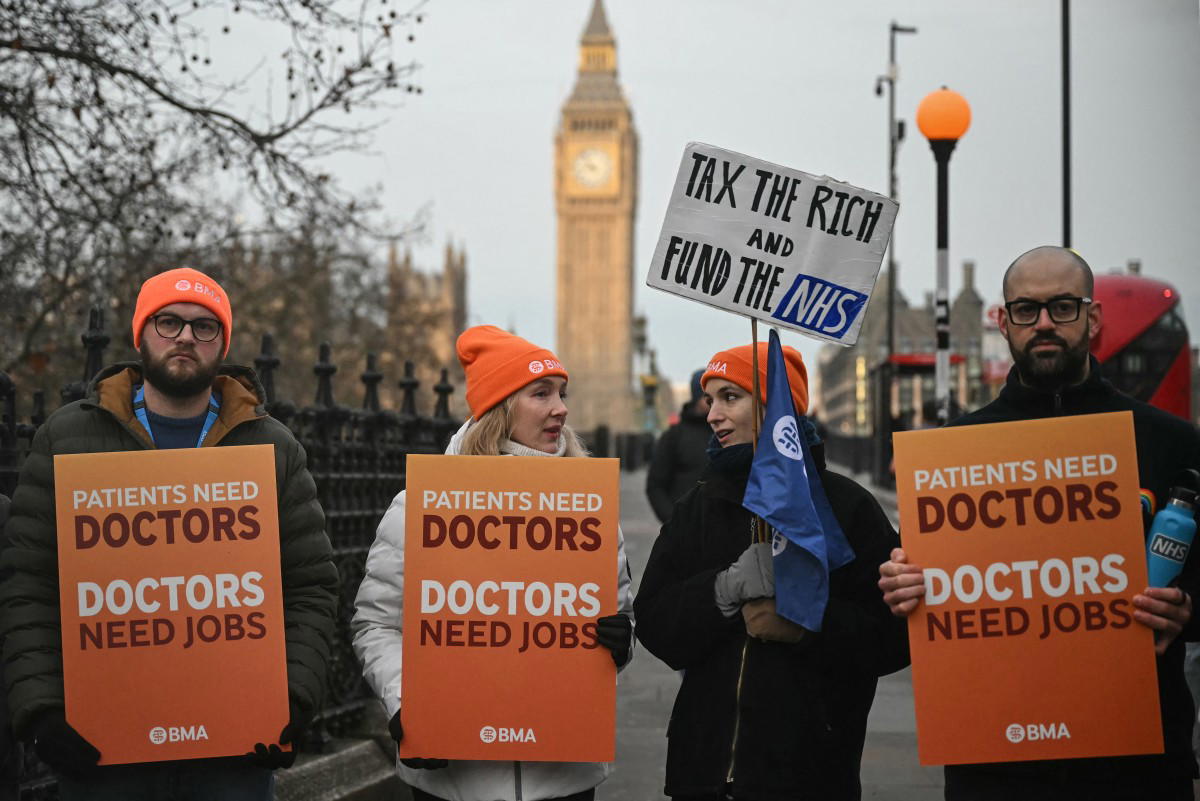
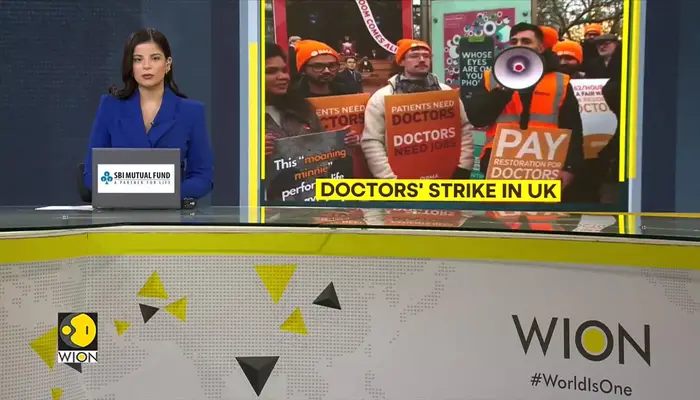
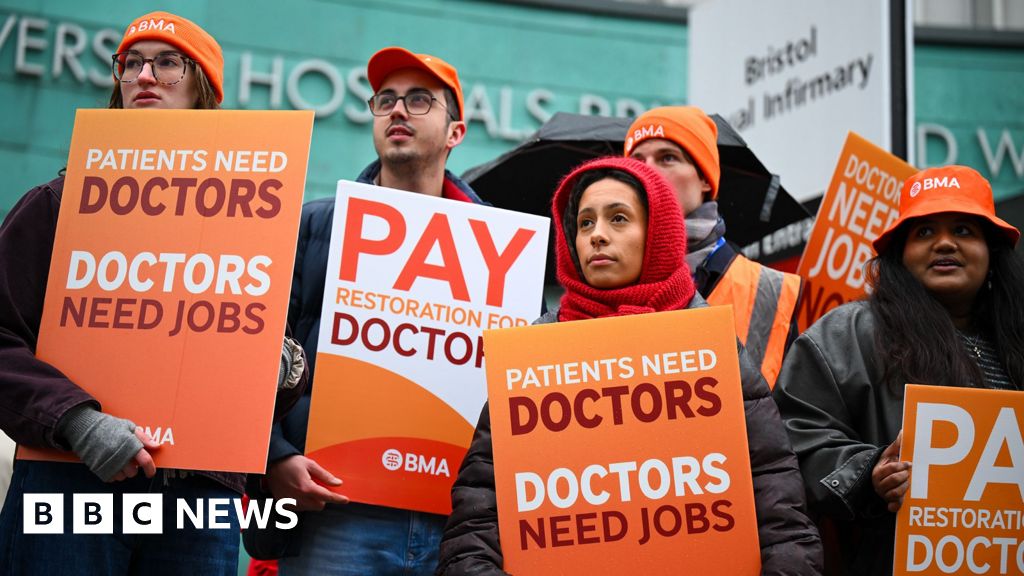
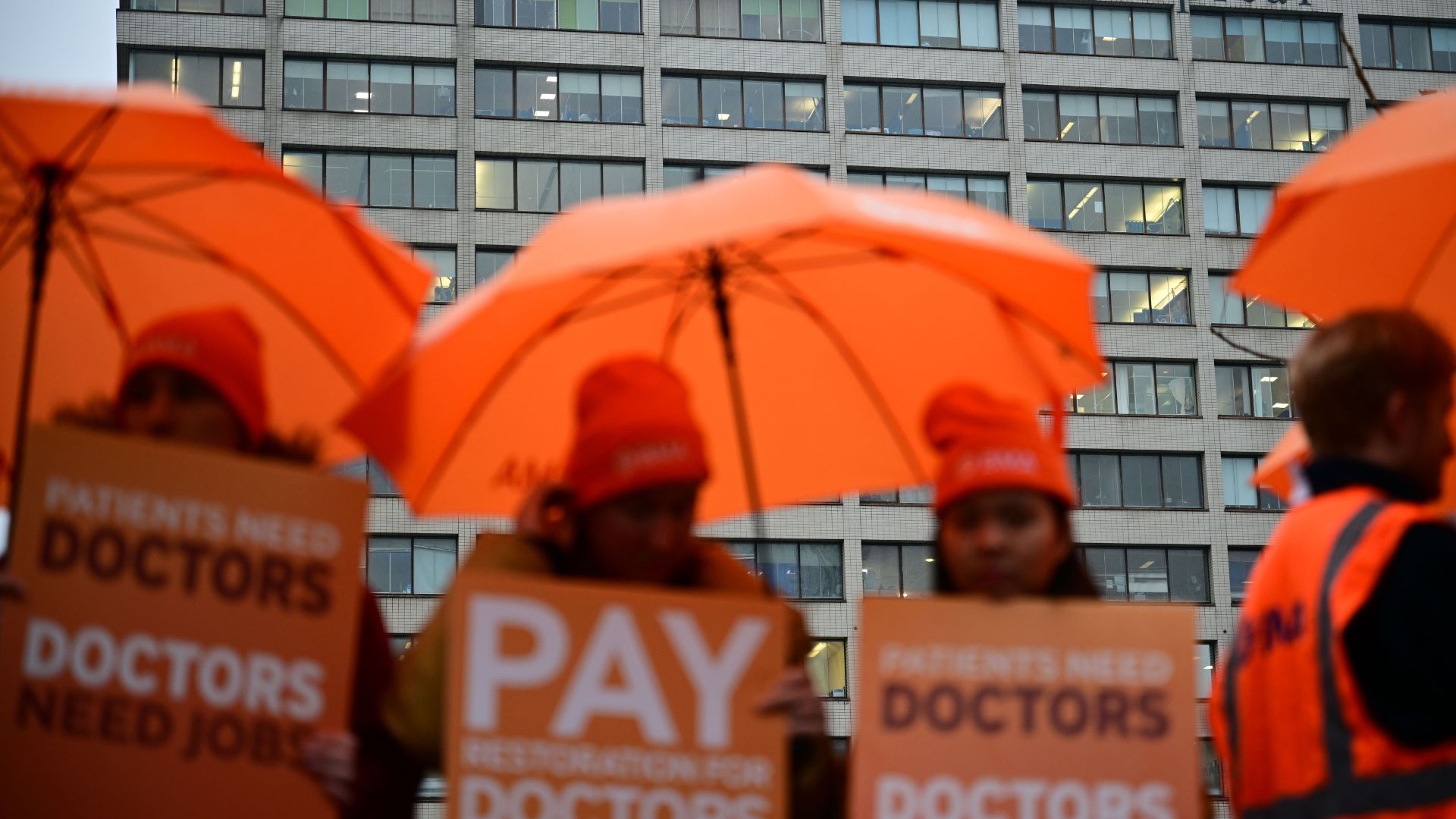
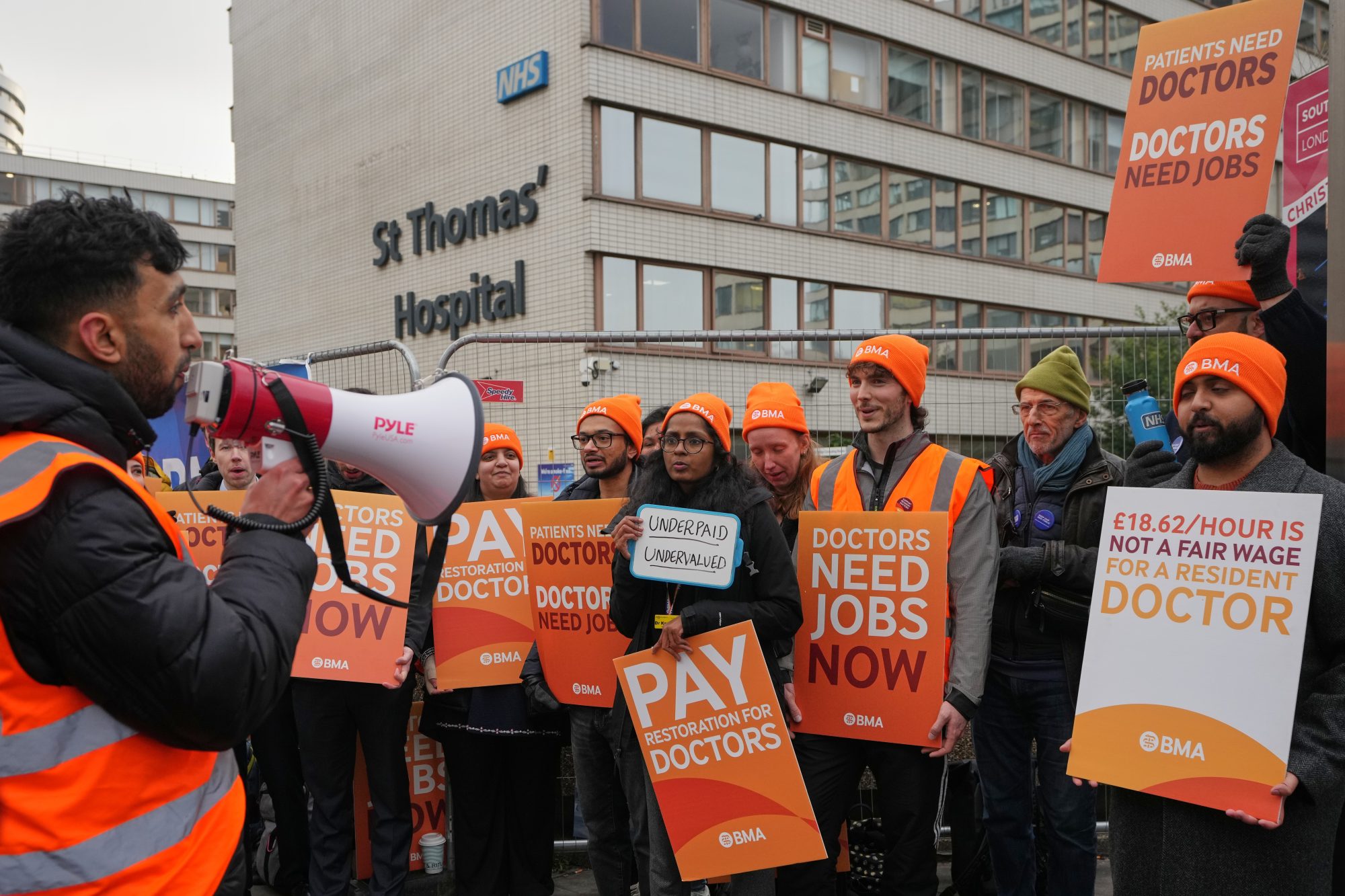
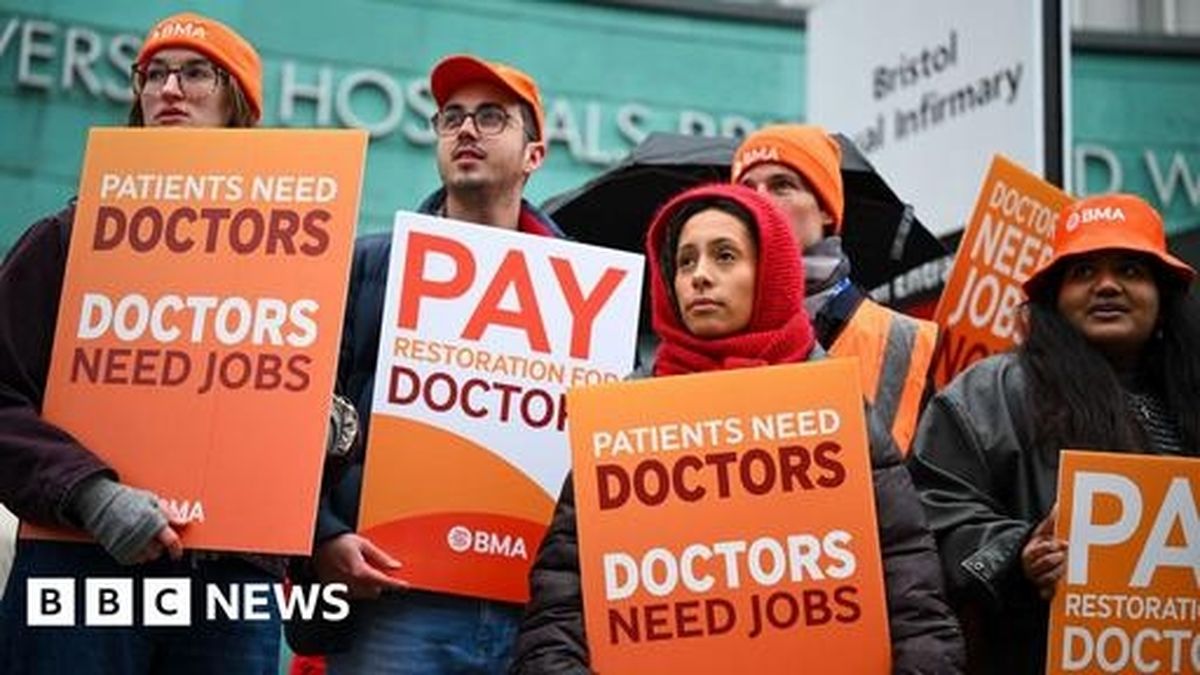
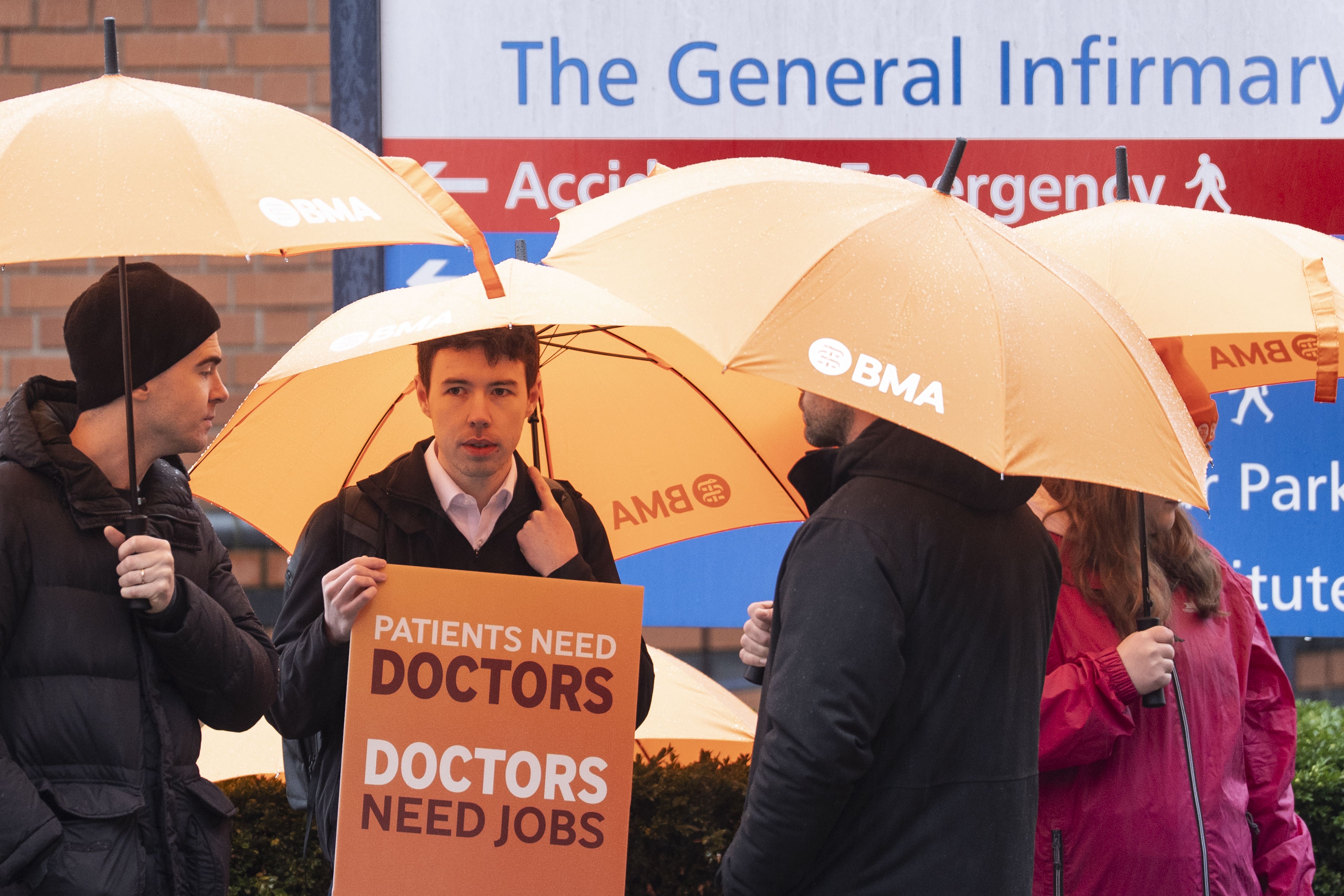
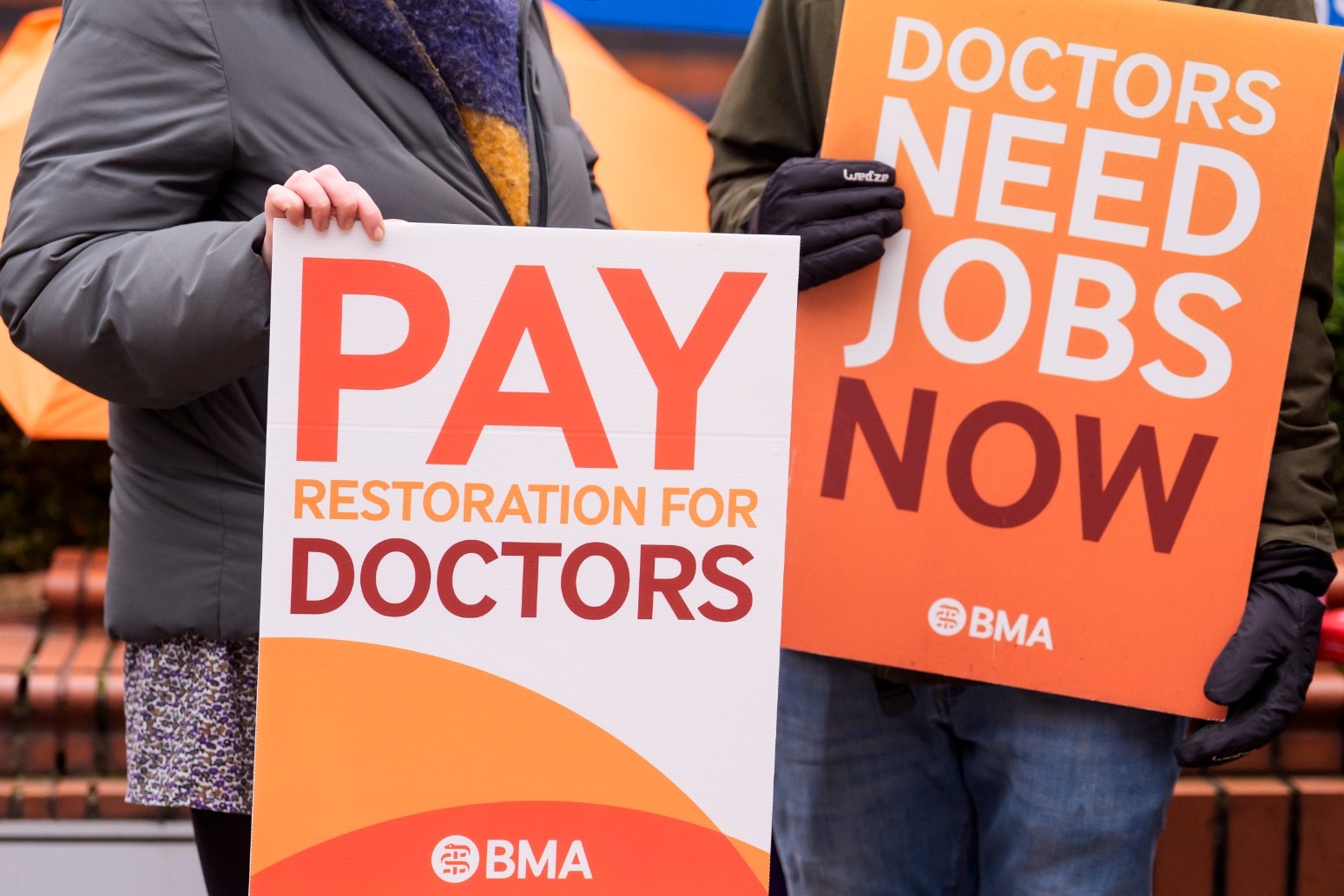
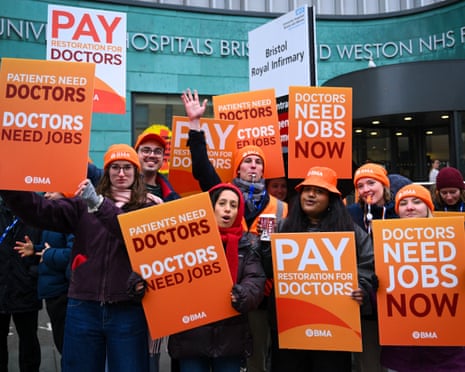
The United Kingdom's healthcare system is experiencing a profound structural crisis that extends far beyond a simple labor dispute. Resident doctors are not just striking—they are exposing a systematic breakdown in medical workforce management that threatens the entire healthcare ecosystem.
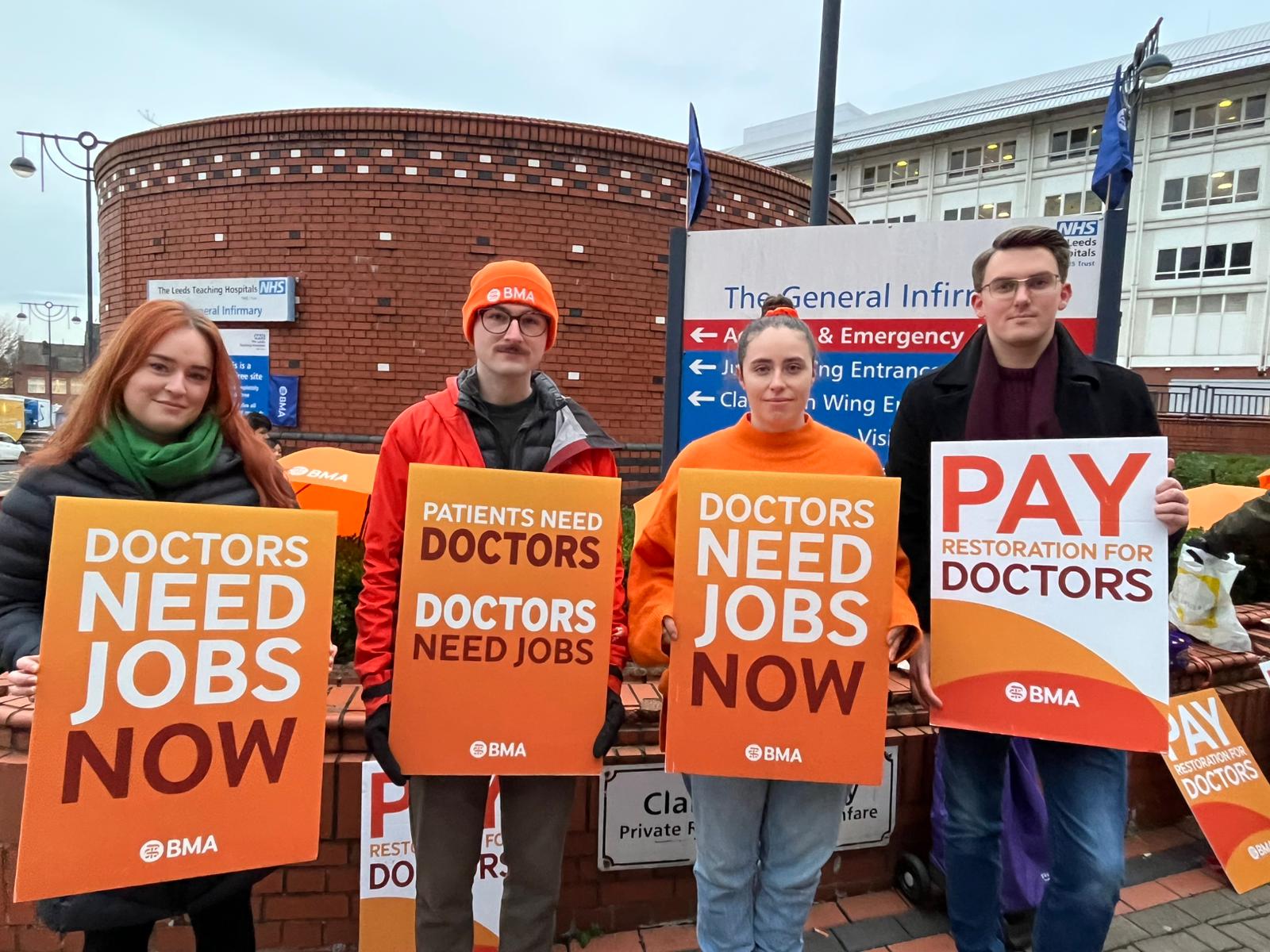
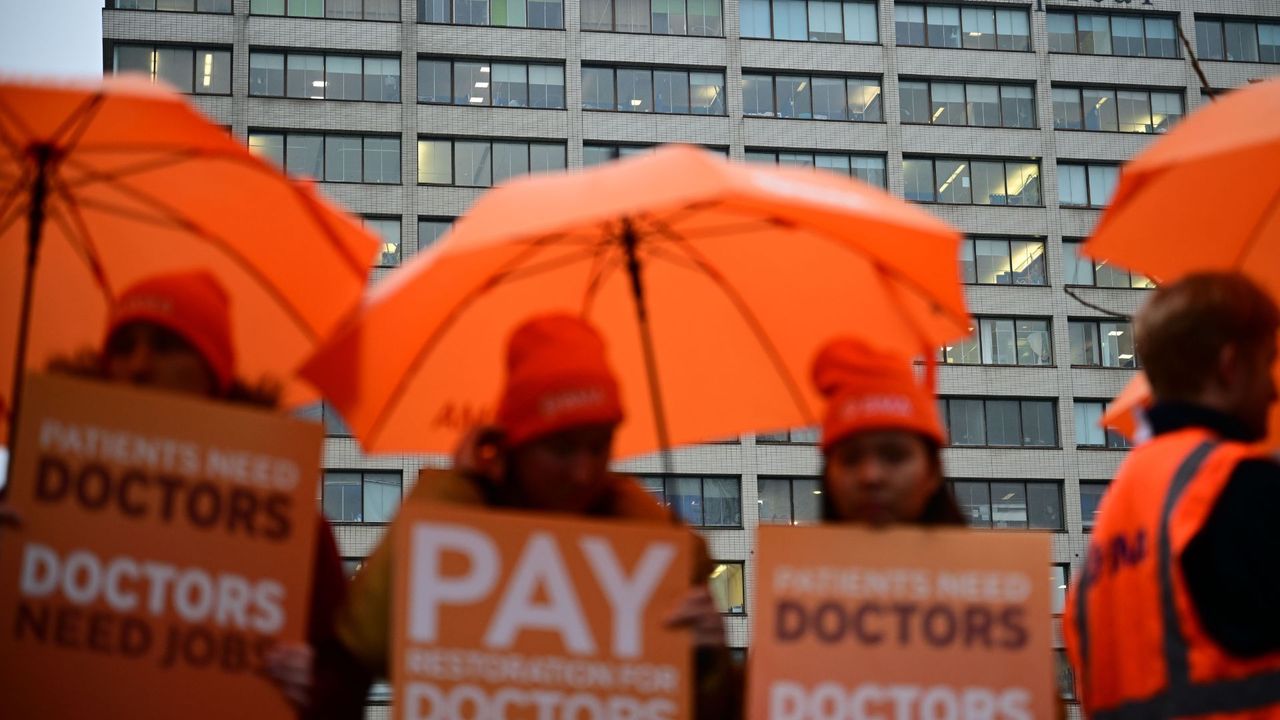
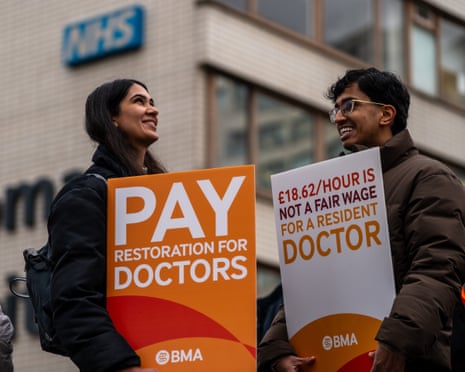
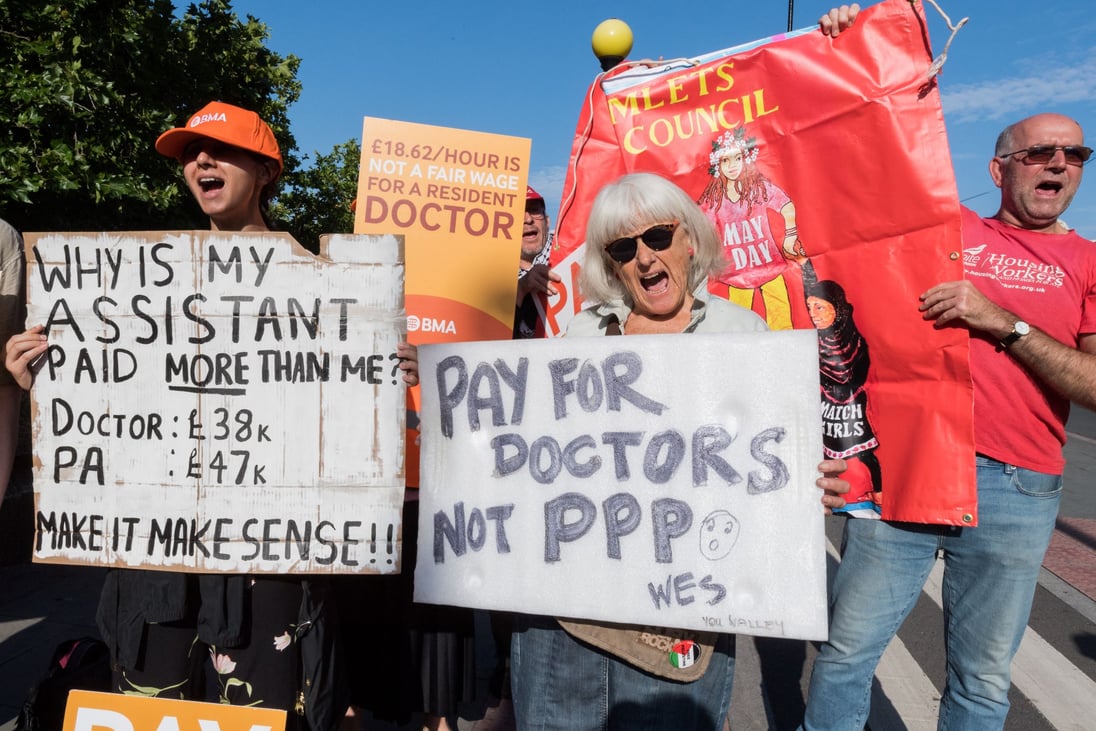
Pay erosion sits at the heart of this conflict, with doctors arguing their real-term wages have dramatically declined since 2008. The British Medical Association (BMA) highlights a stark reality: despite recent government pay rises totaling approximately 30%, doctors' purchasing power remains significantly diminished. This isn't merely about compensation, but about the fundamental valuation of medical professionals.
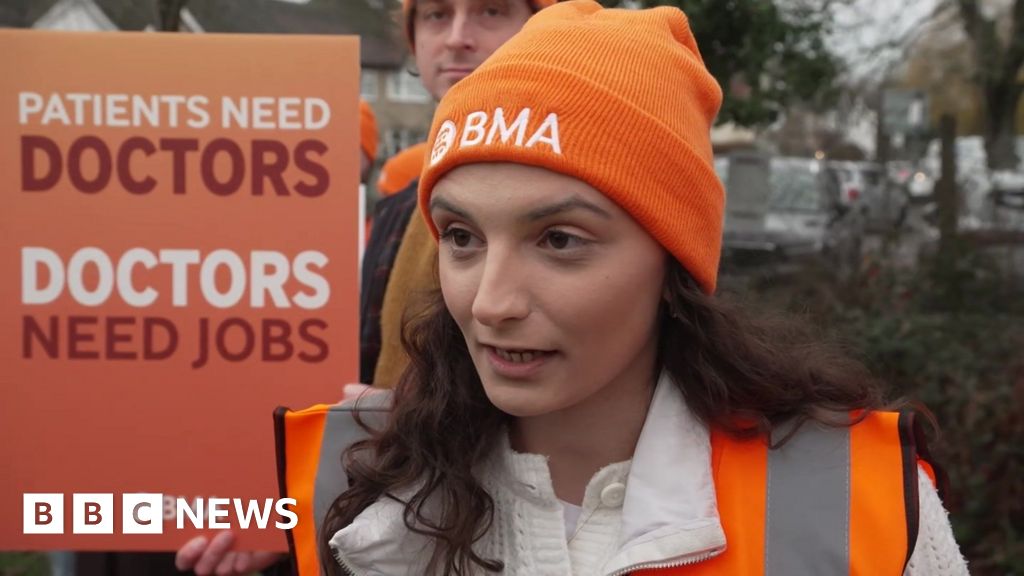
The crisis is multifaceted. A critical training bottleneck has emerged where approximately 40,000 doctors are competing for just 10,000 specialty training places. This creates a professional pressure cooker, where qualified medical graduates face potential unemployment and career stagnation. Dr. Heather Gunn's personal testimony—potentially being jobless next year—exemplifies the systemic dysfunction.
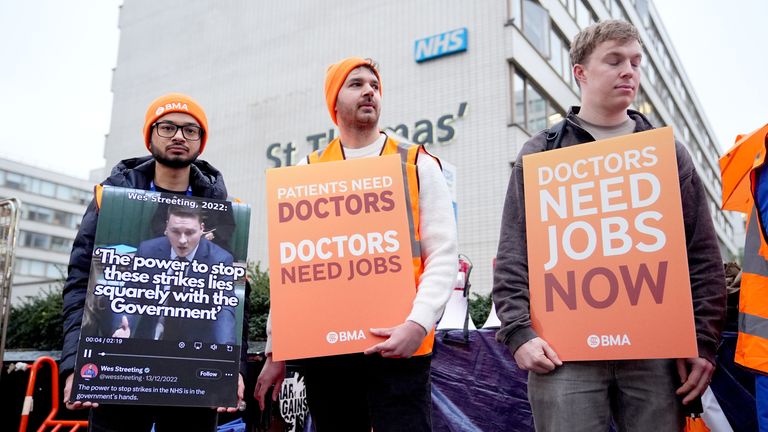
The strike's timing is strategically significant, occurring during an unusually early winter flu surge with hospitalizations averaging 2,660 daily—the highest ever recorded for this period. This context amplifies the tension, with NHS England warning of a 'worst-case scenario' and potential healthcare delivery disruptions. The government's response, characterized by Health Secretary Wes Streeting as emphasizing "affordability constraints," reveals a deeper tension between fiscal management and professional sustainability.
Public sentiment adds another layer of complexity. A YouGov survey shows 58% opposition to the strikes, suggesting a broader societal disconnect from the medical professionals' challenges. Yet, the BMA remains resolute, arguing that the dispute transcends immediate compensation and addresses long-term structural issues in medical employment.
The regional variations—with Welsh doctors accepting a new contract while Scottish doctors await strike results—further illustrate the nuanced landscape of healthcare workforce management. This is not a uniform national challenge but a complex, multi-dimensional problem requiring sophisticated, targeted solutions.
問題 4
Why are UK doctors striking now?
Doctors are striking due to sustained pay erosion, with real-term wages 20% lower than 2008 levels, and a critical shortage of specialty training positions. Only 10,000 training slots exist for 40,000 qualified applicants, creating significant professional frustration and career uncertainty.
What are the broader implications of this strike?
The strike reveals deep systemic challenges in healthcare workforce management, including inadequate compensation, limited career progression, and a growing disconnect between medical professionals and government policy. It signals potential long-term risks to healthcare delivery and professional recruitment.