


Supply Chain Contamination Reveals Critical Food Safety Vulnerabilities in Multi-State Distribution Networks
- Ingredient Traceability Becomes Paramount for Food Manufacturers and Retailers























概览
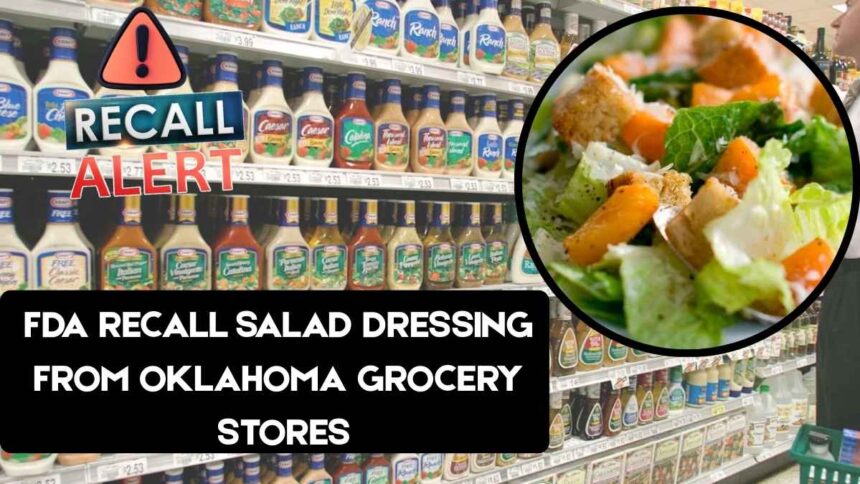
The recent salad dressing recall by Ventura Foods exposes critical systemic weaknesses in modern food supply chain management, highlighting how a single ingredient contamination can trigger widespread product withdrawals across multiple states and retail channels.
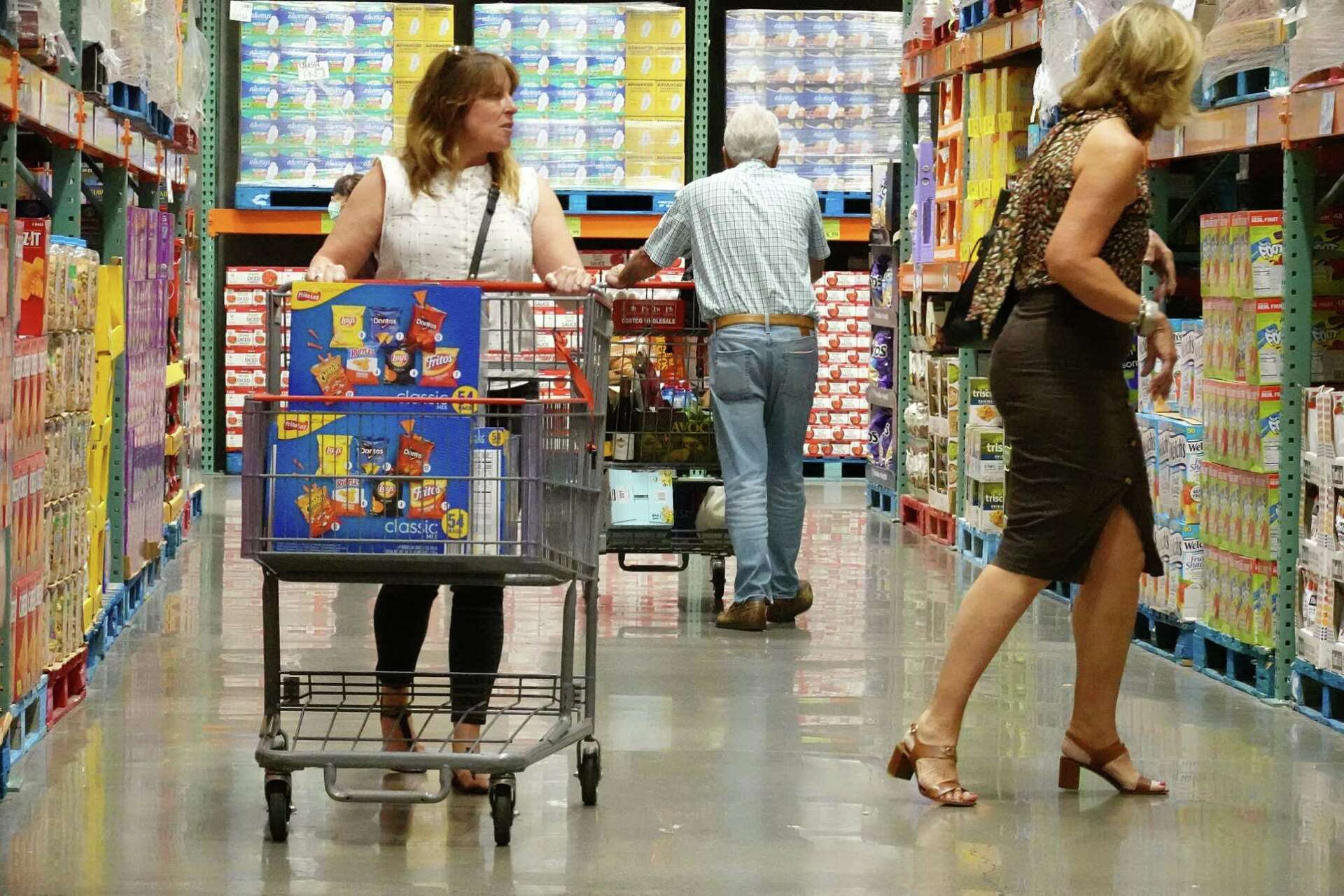
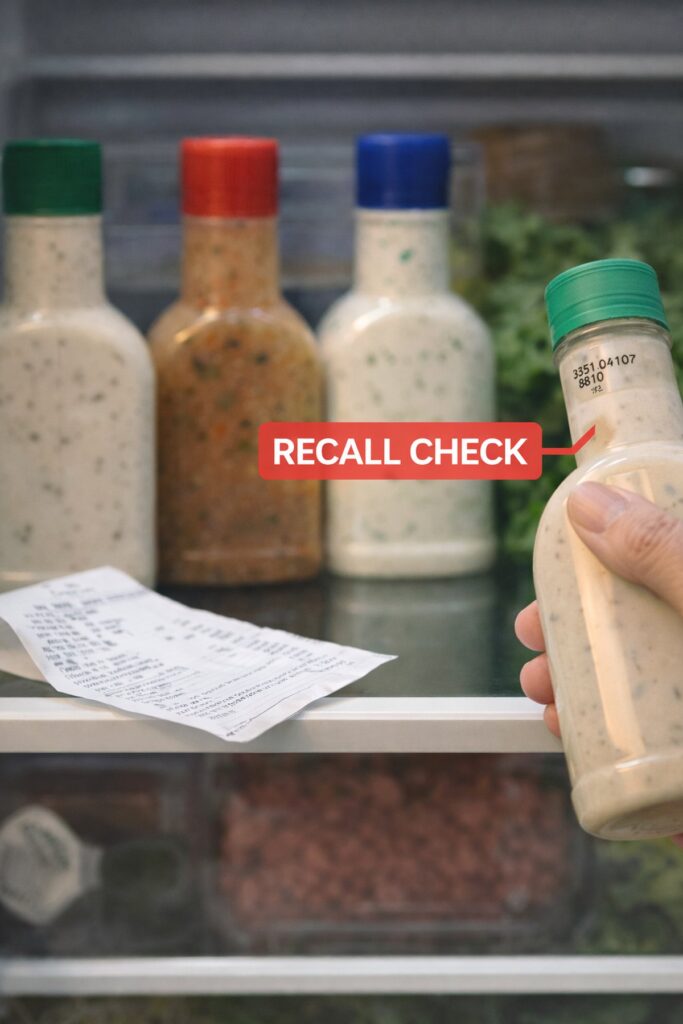
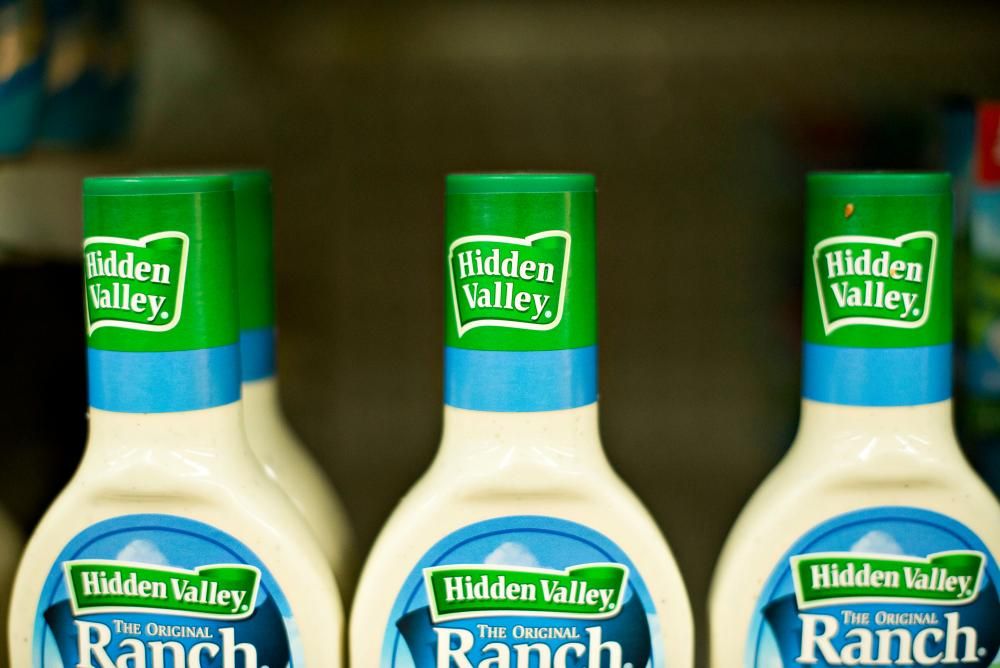
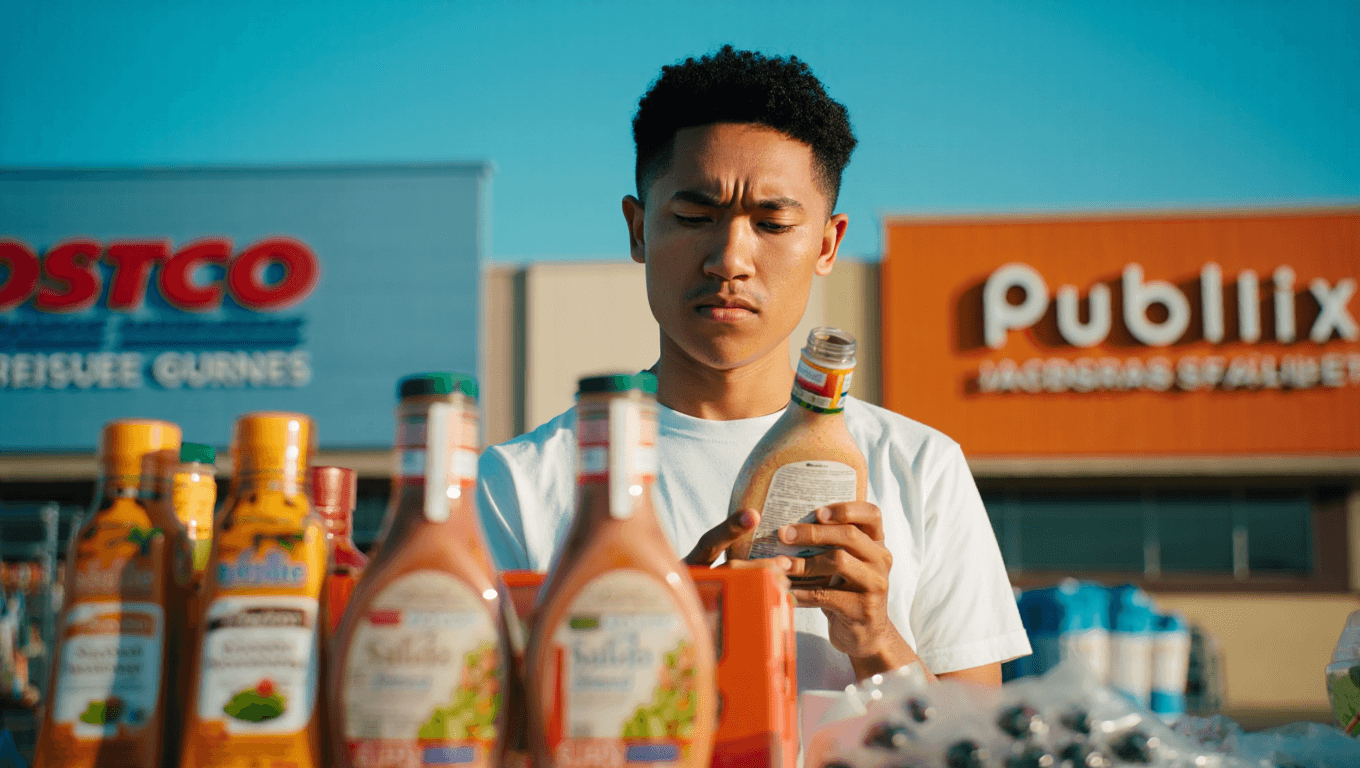
The recall's scale is remarkable: 3,556 cases of salad dressings spanning 27 U.S. states, involving major retailers like Costco and Publix, demonstrates the intricate and fragile nature of contemporary food distribution networks. The contamination originated from black plastic planting material found in granulated onion ingredients—a seemingly minor issue that cascaded into a significant multi-brand recall affecting Caesar, ranch, and Italian dressing varieties.
What makes this incident particularly noteworthy is the rapid response mechanism demonstrated by Ventura Foods. The company's proactive approach—immediately sub-recalling potentially impacted products and collaborating with retailers to halt distribution—represents an emerging best practice in food safety management. The FDA's classification as a low-risk event suggests sophisticated risk assessment capabilities, but also underscores the potential for more severe contamination scenarios.
For food manufacturers and cross-border e-commerce sellers, this recall serves as a critical wake-up call. The incident emphasizes the absolute necessity of rigorous supply chain monitoring, ingredient traceability, and swift response protocols. Companies must now view ingredient sourcing not just as a procurement challenge, but as a complex risk management exercise requiring real-time tracking and immediate intervention capabilities.
The broader implications extend beyond this specific recall. As global supply chains become increasingly interconnected, the margin for error continues to shrink. Manufacturers must invest in advanced tracking technologies, develop more robust quality control mechanisms, and create flexible recall strategies that can be implemented with surgical precision.
Ultimately, this recall is less about the specific contamination and more about the evolving landscape of food safety in an era of complex, multi-state distribution networks. The message is clear: transparency, traceability, and rapid response are no longer optional—they are fundamental survival strategies in modern food manufacturing.
問題 4
What are the key lessons for food manufacturers from this recall?
Manufacturers must prioritize rigorous supply chain monitoring, develop advanced ingredient traceability systems, and create flexible recall strategies. The incident underscores the importance of rapid response mechanisms and the need to view ingredient sourcing as a comprehensive risk management challenge.
How did retailers respond to the recall?
Retailers like Costco were proactive, issuing immediate alerts and offering full refunds for affected products. They demonstrated a commitment to consumer safety by quickly removing potentially contaminated items from shelves and communicating clearly with customers about the recall.