
Smart Toys Compliance: Critical Regulatory Landscape 2024-2033
- 8 Key Compliance Requirements Reshaping $60B Global Market
概览
Compliance is becoming the critical differentiator in the rapidly evolving smart toys market, with regulatory requirements transforming competitive dynamics across global e-commerce platforms. The smart toys sector faces unprecedented scrutiny, driven by cybersecurity concerns, data privacy regulations, and child safety standards.
Manufacturers must navigate a complex compliance ecosystem that goes beyond traditional product safety, incorporating advanced technological safeguards. The FBI's warnings about internet-connected toy risks have accelerated regulatory developments, compelling brands to implement robust parental controls, transparent data collection policies, and edge-based AI architectures that prioritize local speech processing and privacy protection.
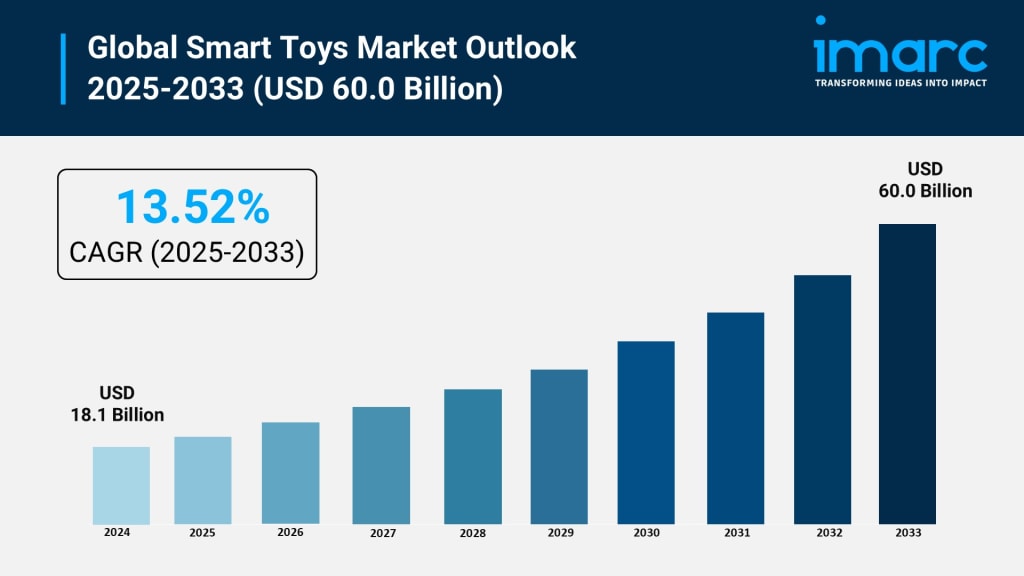
Compliance will determine market access for smart toy manufacturers, with North America's stringent safety standards serving as a global benchmark. The market's projected growth from USD 18.1 Billion in 2024 to USD 60.0 Billion by 2033 hinges on manufacturers' ability to meet increasingly sophisticated regulatory requirements. Key compliance focus areas include:
- Cybersecurity protocols for internet-connected devices
- AI algorithm transparency and ethical design
- Data collection and child privacy protections
- Educational content verification
- Cross-border technology transfer regulations
- Age-appropriate interaction mechanisms
- Electromagnetic radiation and hardware safety standards
- Platform-specific marketplace compliance requirements
Sellers must proactively invest in compliance infrastructure, viewing regulatory adherence as a competitive advantage rather than a mere checkbox exercise. The most successful brands will transform compliance from a cost center into a strategic differentiation point, leveraging robust safety mechanisms to build consumer trust in an increasingly complex technological landscape.
問題 5
What are the top compliance challenges for smart toy manufacturers in 2024?
The primary compliance challenges include implementing robust cybersecurity measures, ensuring transparent AI algorithms, protecting child privacy, verifying educational content, and meeting cross-border technology transfer regulations. Manufacturers must develop comprehensive safety protocols that address both technological and regulatory requirements.
How are AI technologies changing toy compliance requirements?
AI is fundamentally reshaping compliance by introducing more complex verification processes. Manufacturers must now demonstrate ethical AI design, transparent algorithmic decision-making, and robust privacy protection mechanisms, particularly for devices interacting with children.