




Oracle's AI Gamble: Navigating the High-Stakes Financing Minefield of Tech's Boldest Infrastructure Bet
- Massive $300 billion OpenAI data center investment tests Oracle's financial resilience and market credibility













概览
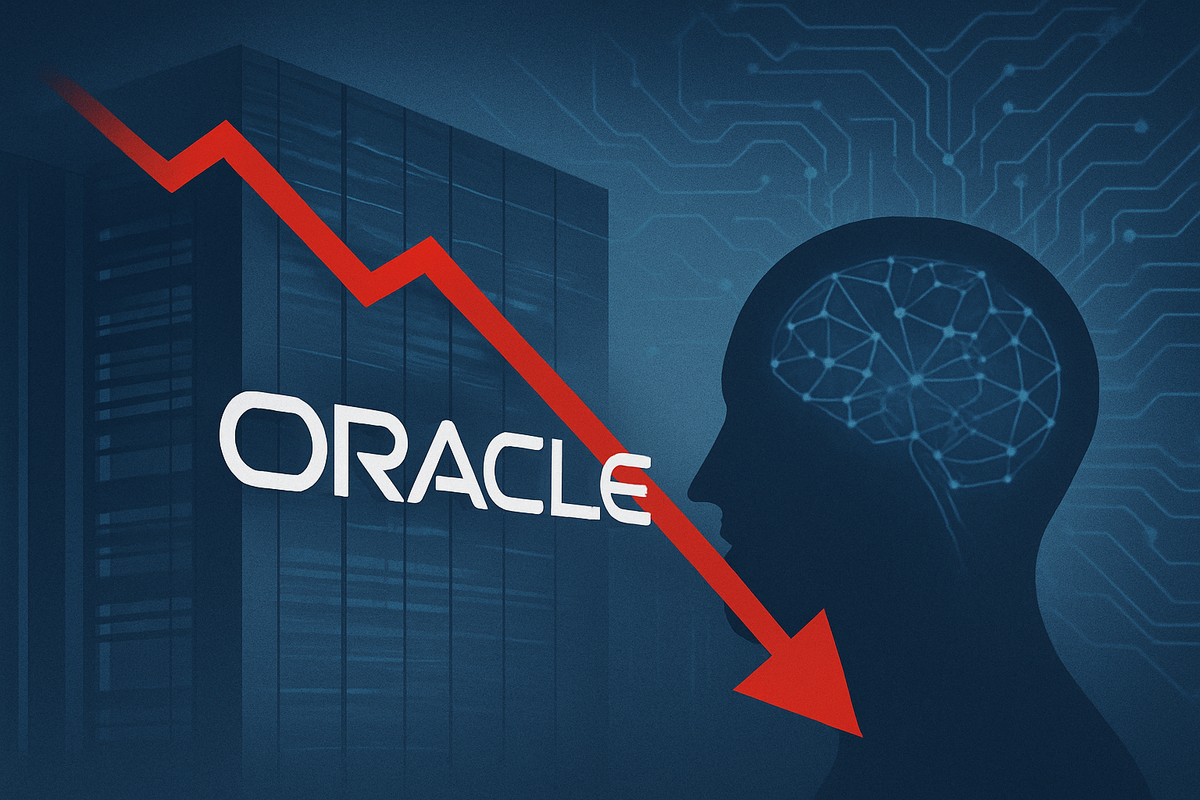
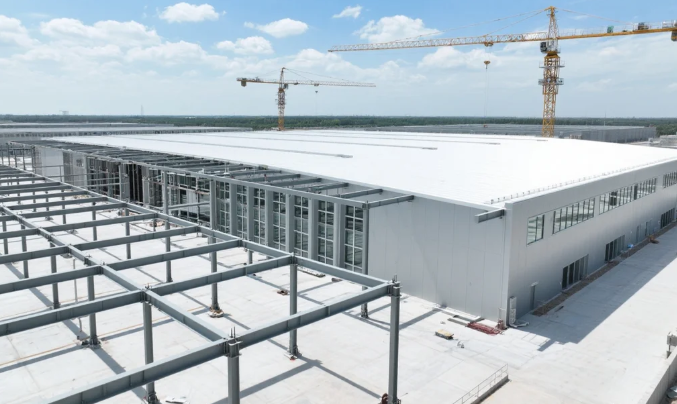
Oracle's ambitious AI infrastructure strategy is facing unprecedented financial scrutiny, revealing the complex calculus of massive technological investments in an increasingly uncertain market landscape. The company's $300 billion data center commitment to OpenAI has triggered a profound reassessment of its financial sustainability, with bond markets signaling growing skepticism about Oracle's ability to execute such a transformative project.
The core challenge lies in the massive upfront capital requirements. Deutsche Bank's forecast projects a cumulative cash burn of $143 billion for OpenAI from 2024 to 2029, with the platform not expected to become cash-generative until 2030. This timeline exposes the high-wire act Oracle is attempting—making enormous infrastructure investments without immediate revenue visibility. The market's reaction has been swift and unforgiving, with Oracle's stock dropping 19.2% over five trading days and its five-year credit-default spreads more than doubling since September.
What distinguishes this situation is not just the scale of investment, but the strategic bet on AI infrastructure as a potential game-changing asset. While some analysts like Kirk Materne from Evercore ISI argue that the market's fixation on data-center timing is "almost irrelevant" to Oracle's overall valuation, the financial markets are sending a clear signal: extraordinary claims require extraordinary proof. The projected cash outflows of $23.8 billion, $21 billion, and $14.2 billion across financial years 2026-2028 represent a significant financial strain that demands meticulous execution.
Critically, Oracle's challenge differs from peers like Alphabet, which maintains an expected cumulative free cash flow of $225 billion from 2025 to 2028. This stark contrast underscores the company-specific nature of Oracle's financial risk, suggesting that not all tech giants are equally positioned to make such massive infrastructure bets.
The unfolding narrative is less about technological capability and more about financial engineering—can Oracle transform this massive infrastructure investment into a defensible competitive advantage before market patience wears thin? The answer will likely determine not just Oracle's near-term valuation, but potentially reshape how technology companies approach large-scale AI infrastructure investments.
問題 3
How does Oracle's AI infrastructure strategy differ from competitors like Alphabet?
Unlike Alphabet, which maintains an expected cumulative free cash flow of $225 billion from 2025 to 2028, Oracle is making a more aggressive and potentially riskier bet on AI infrastructure. Oracle's projected cash outflows suggest a more concentrated and potentially more speculative approach to technological investment.
What market signals indicate investor skepticism about Oracle's AI investment?
Key market signals include Oracle's stock dropping 19.2% over five trading days, five-year credit-default spreads more than doubling since September, and growing concerns about the company's ability to translate massive infrastructure commitments into substantial revenue. These indicators suggest significant investor uncertainty about the financial sustainability of Oracle's strategy.