


Arctic Geopolitics: Cross-Border Seller Opportunities in Shifting Alliances
- Strategic Implications for International Trade and Market Entry in Nordic Region







概览
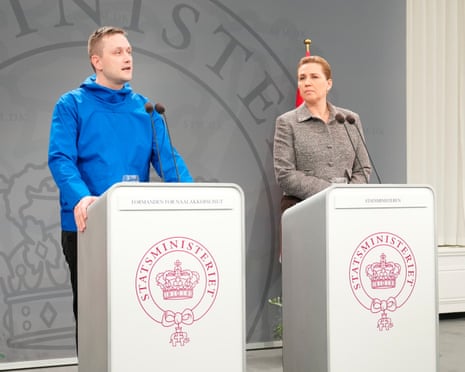
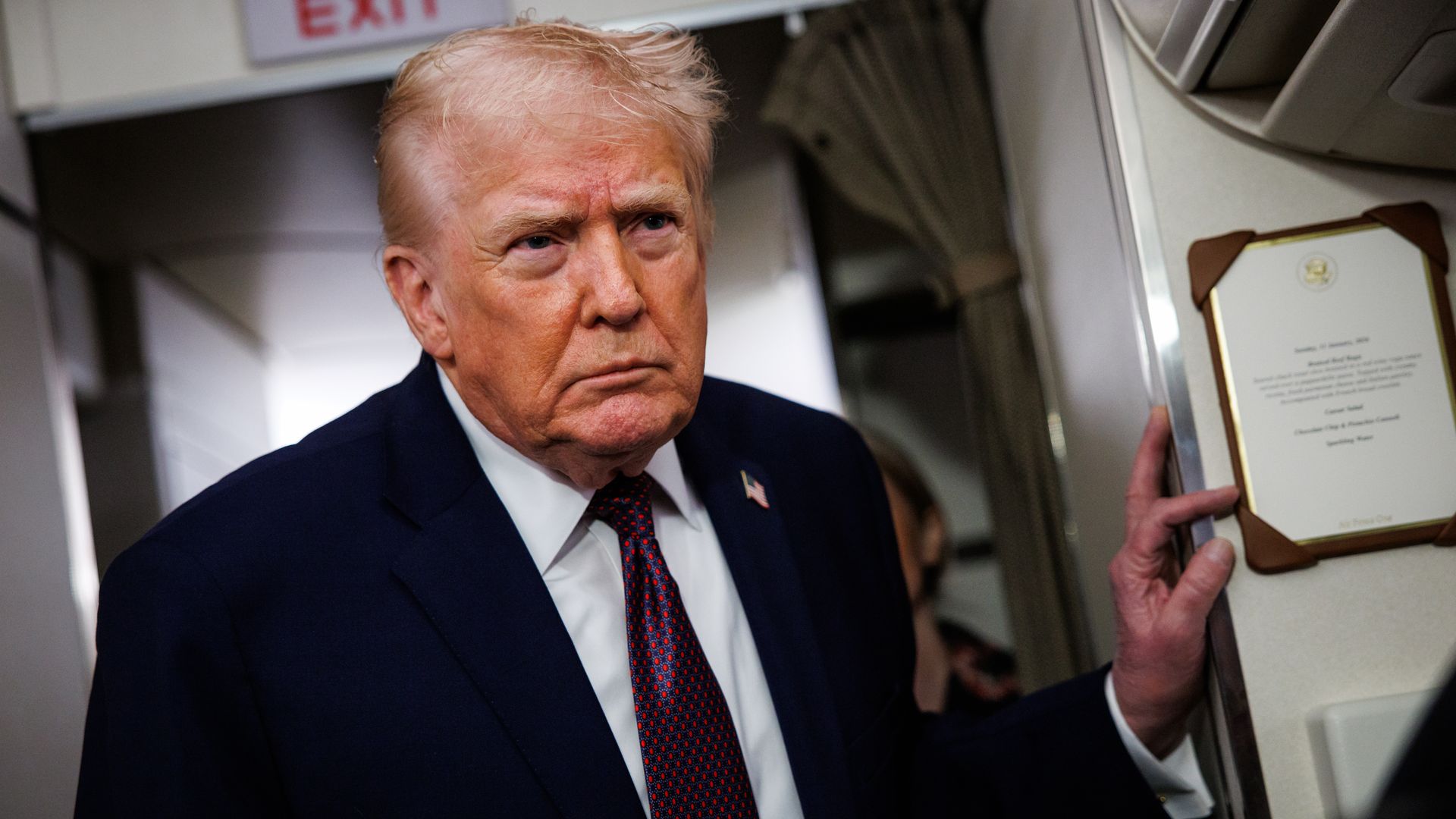
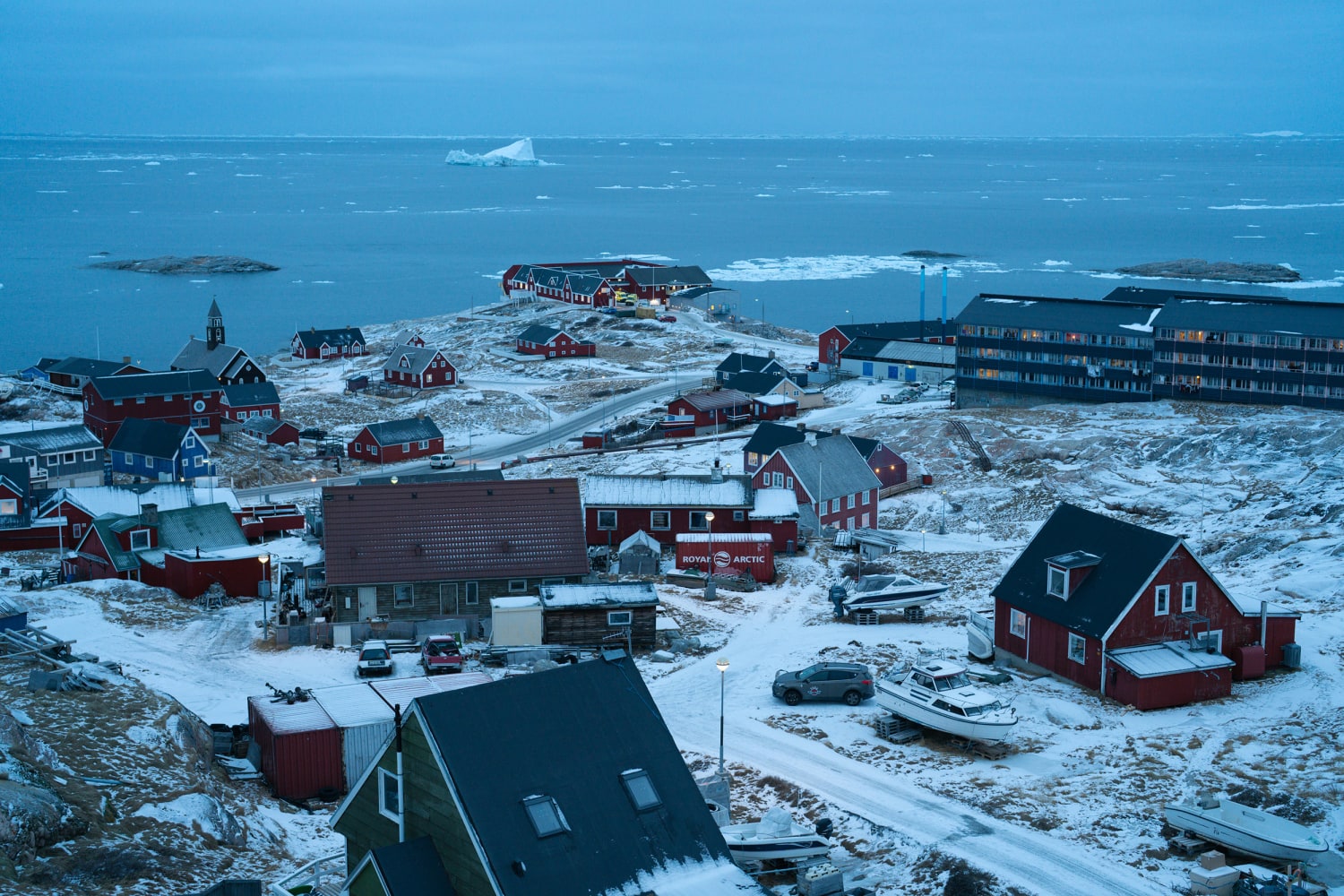
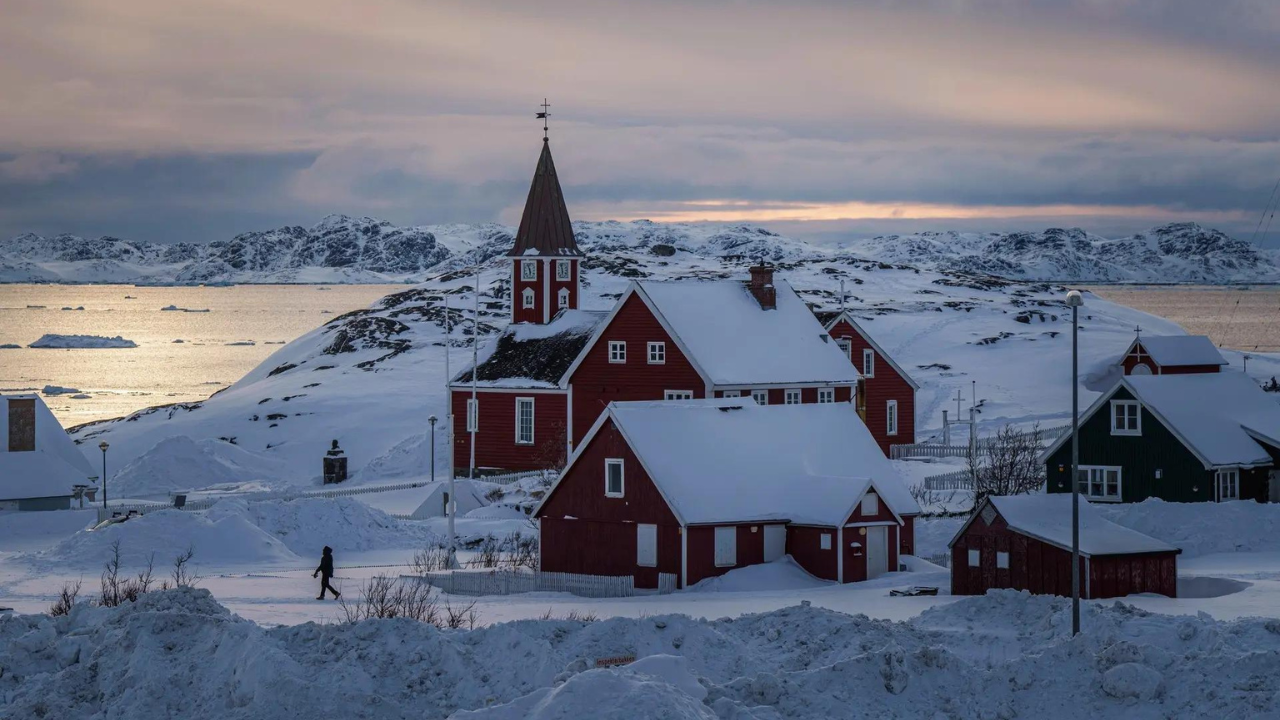
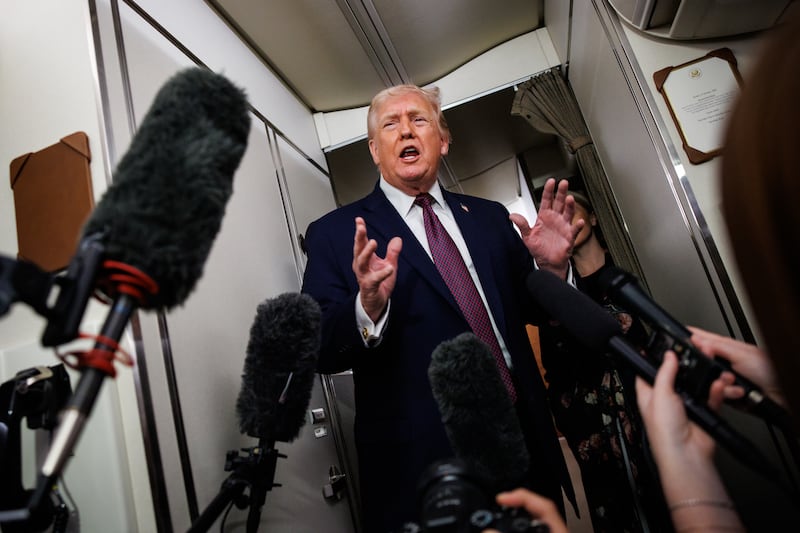
The diplomatic standoff between Greenland, Denmark, and the United States reveals critical cross-border e-commerce and market entry opportunities for strategic sellers. Greenland's firm rejection of U.S. territorial ambitions signals a significant realignment of Arctic economic and strategic interests, presenting nuanced market positioning strategies for international sellers.
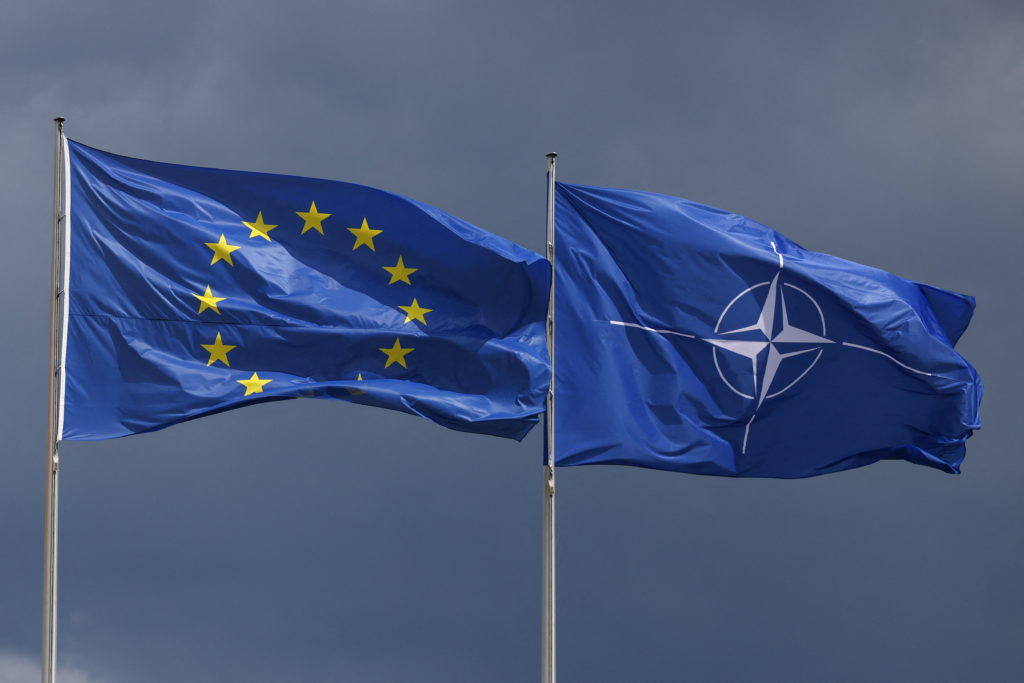
Key market implications emerge from this geopolitical development. The strong alignment with Denmark and the EU creates a more stable regulatory environment for cross-border sellers targeting Nordic markets. Sellers should focus on EU-compliant product strategies, particularly in technology, mineral resources, and specialized Arctic-capable merchandise. The region's strategic importance suggests emerging opportunities in high-tech equipment, specialized logistics solutions, and infrastructure-related product categories.
The geopolitical tension highlights the importance of understanding regional political dynamics for market entry. Sellers can leverage this insight by developing region-specific product lines that align with Greenland's independence aspirations and technological modernization efforts. The purchase of 16 F-35 fighter jets by Denmark indicates significant investment in defense and technology sectors, signaling potential B2B and specialized equipment market opportunities.
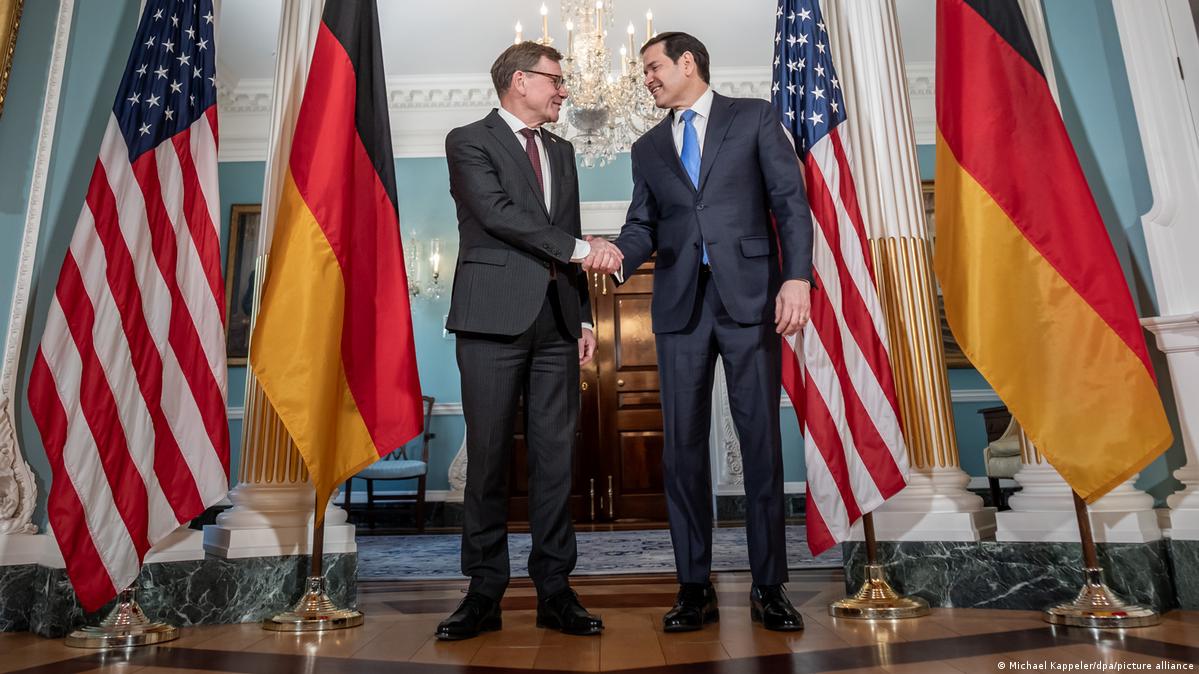
Strategic sellers should monitor the evolving diplomatic landscape, recognizing that geopolitical relationships directly impact trade accessibility, regulatory environments, and market receptiveness. The January 2026 White House talks represent a critical inflection point for understanding future market dynamics in the Arctic region.
問題 5
What product categories show potential in the Greenland-Denmark market?
High-tech equipment, defense technology, specialized logistics solutions, infrastructure-related products, and B2B technological offerings are promising categories, driven by Denmark's strategic investments and Greenland's modernization efforts.
How does Greenland's political stance impact cross-border sellers?
Greenland's alignment with Denmark and the EU creates a more stable regulatory environment, offering sellers predictable market entry strategies focused on EU compliance, technology products, and specialized Arctic-capable merchandise.