



AI Infrastructure Investment Hits a Critical Crossroads
- Market Volatility Exposes Fragile Foundations of Tech's Massive Data Center Expansion















概览
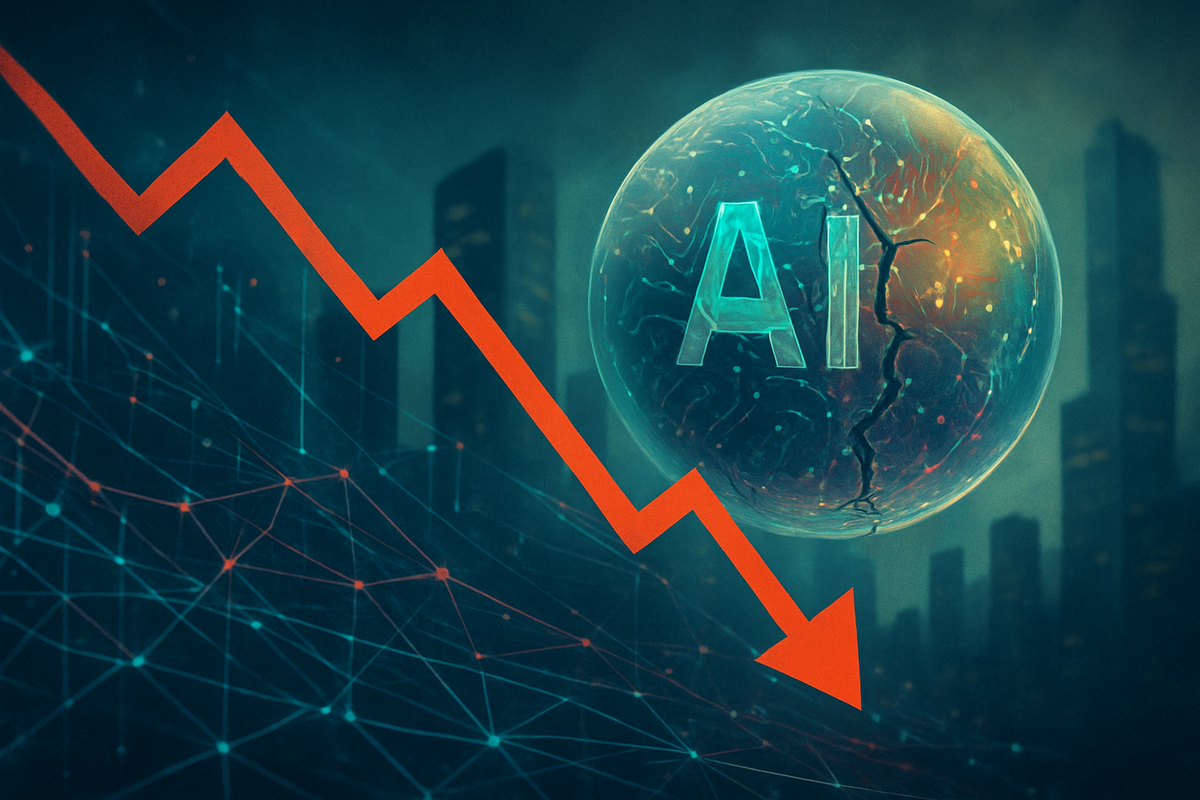
The AI infrastructure investment landscape is experiencing a profound moment of reckoning, revealing the delicate balance between technological ambition and financial pragmatism. Recent market movements expose a critical inflection point where investor enthusiasm meets economic scrutiny, with major tech players facing unprecedented challenges in scaling their AI data center strategies.
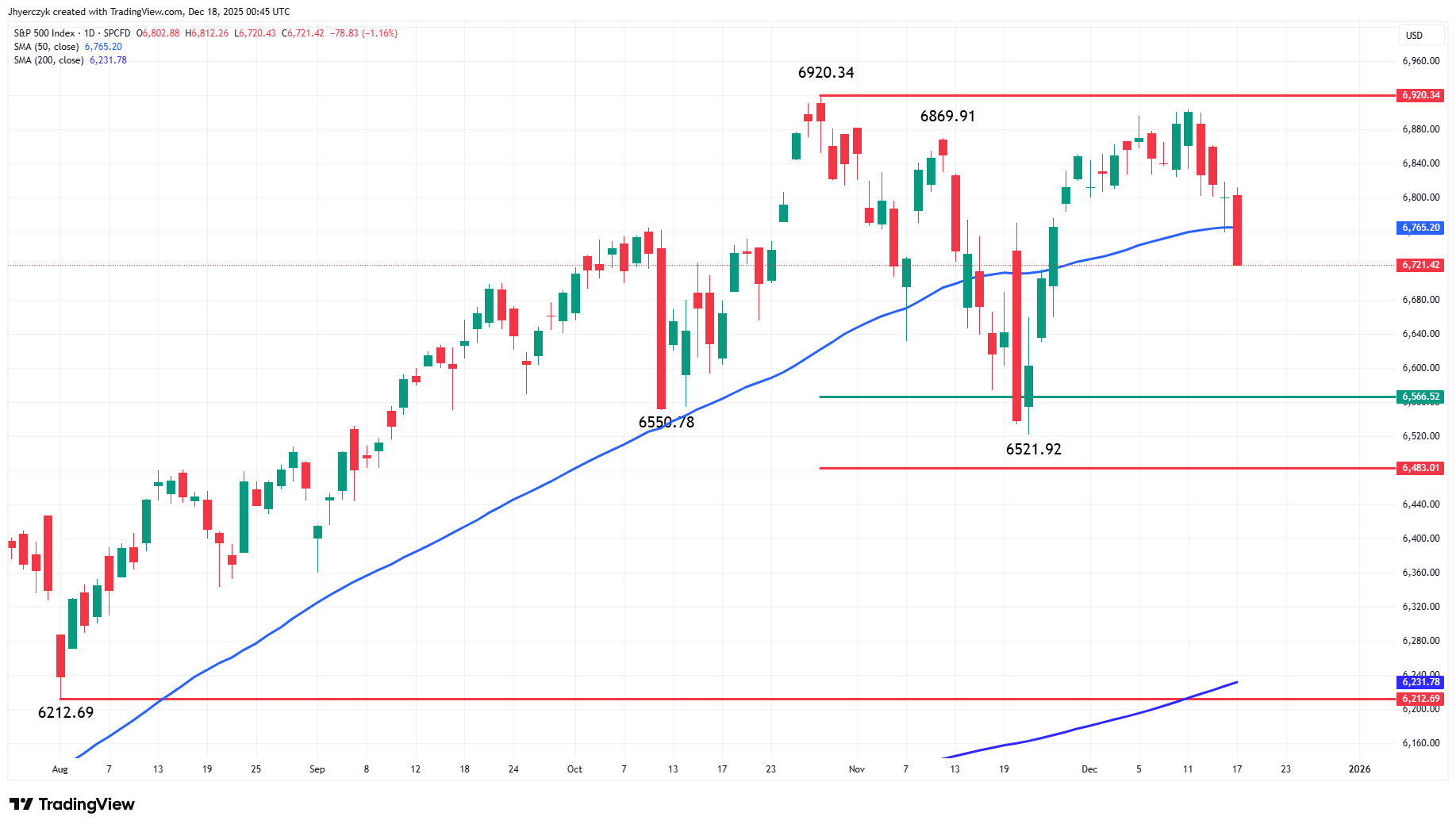
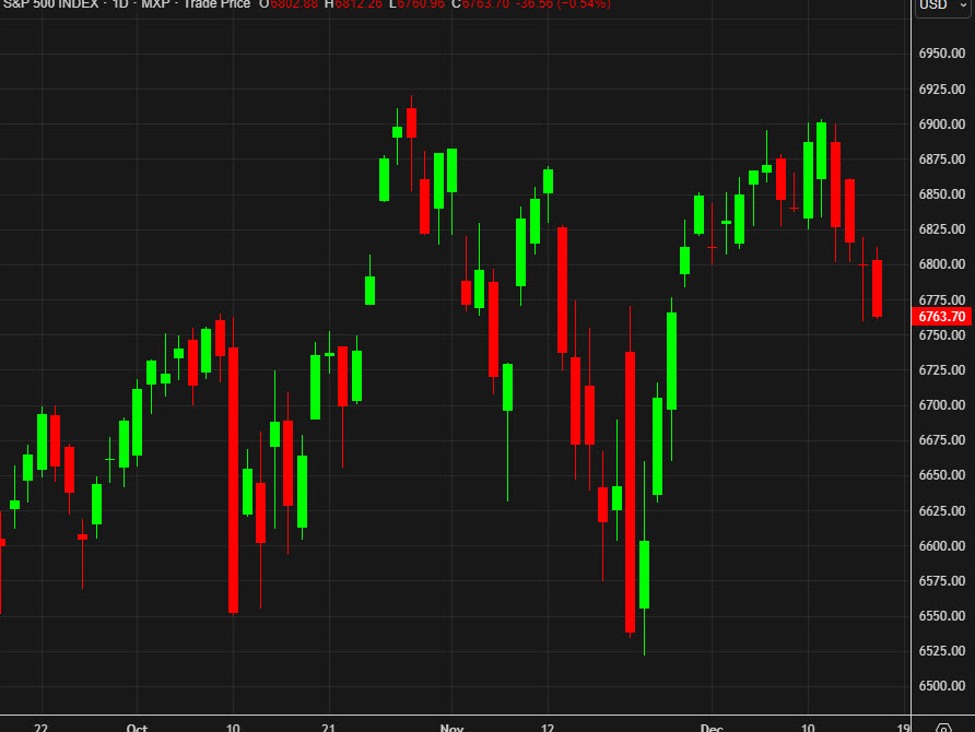
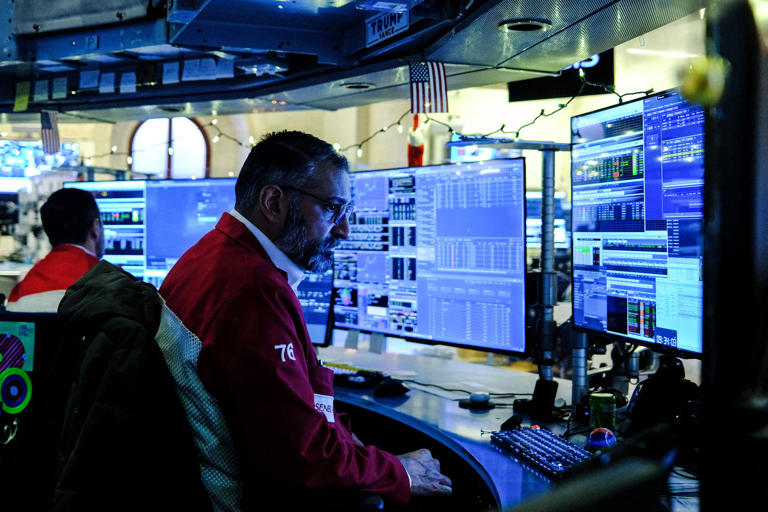
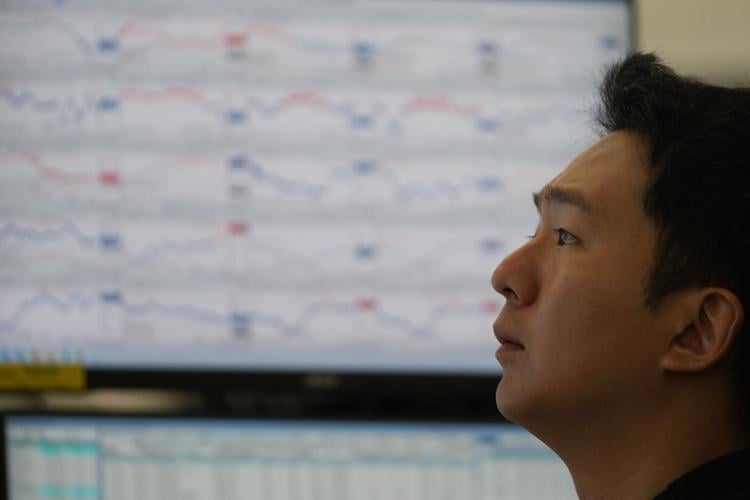
Semiconductor stocks have witnessed a dramatic sell-off, with the PHLX Semiconductor Index plummeting over 10% in just five days. Companies like Nvidia and Broadcom are experiencing sharp declines, driven by growing concerns about the sustainability of massive data center investments. The Oracle-OpenAI $10 billion data center project's stalled negotiations with Blue Owl Capital symbolize a broader market hesitation—investors are no longer writing blank checks for AI expansion.
The underlying dynamics reveal a nuanced challenge: while AI demand remains fundamentally strong, the financial infrastructure supporting this growth is increasingly fragile. Analysts like Daniel Newman suggest the current market turbulence represents a "speed bump" rather than a complete roadblock. However, the criticism from short sellers like Jim Chanos, who describes business models as "commodity-based and risky," indicates a deeper structural uncertainty about AI infrastructure investments.
Micron Technology offers a potential counterpoint, reporting robust earnings that suggest continued strong demand from data centers and cloud providers. This highlights the complex ecosystem—where some players struggle, others find opportunities. The market is essentially performing a critical re-evaluation, carefully reassessing capital expenditures, debt risks, and the overall AI buildout strategy.
The Federal Reserve's monetary policy adds another layer of complexity. With unemployment rising and inflation remaining stubborn, tech investments are being scrutinized through a macroeconomic lens. The concept of 'U-star'—the theoretical unemployment rate that neither accelerates nor slows inflation—becomes a critical framework for understanding these investment dynamics.
Ultimately, this moment represents more than a market correction. It's a sophisticated recalibration of expectations, where technological potential must now demonstrate clear, measurable economic value. For AI infrastructure investors and builders, the message is clear: innovation must now be matched with rigorous financial discipline.
問題 3
Why are AI infrastructure investments suddenly facing market skepticism?
Investors are reassessing the financial sustainability of massive data center expansions. Concerns include high debt levels, rapid chip depreciation, and questions about the immediate economic return on these multi-billion dollar investments. The Oracle-OpenAI $10 billion project's stalled negotiations exemplify this growing caution.
What does the current market volatility mean for AI technology companies?
It signals a maturation phase where technological potential must be matched with clear financial discipline. Companies will need to demonstrate more concrete value propositions, show more transparent ROI models, and potentially slow down their expansion strategies to maintain investor confidence.