




Sports Talent Mobility: E-Commerce Recruitment Insights 2025
- 29 Player Transfers Reveal Critical Market Strategy Shifts




















概览
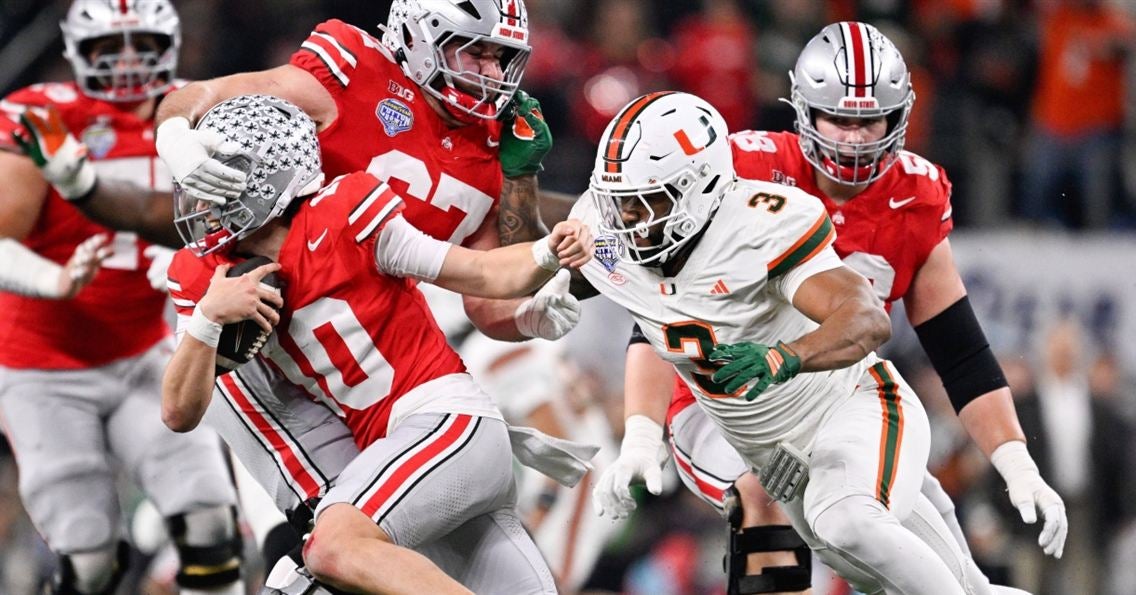
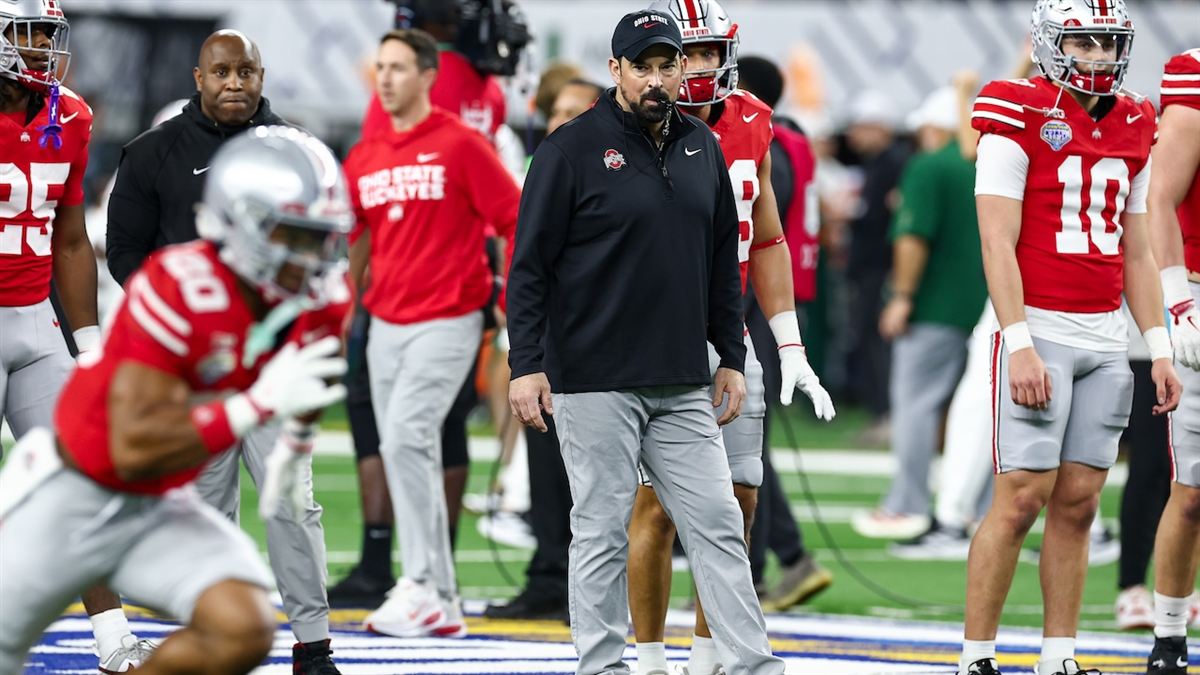
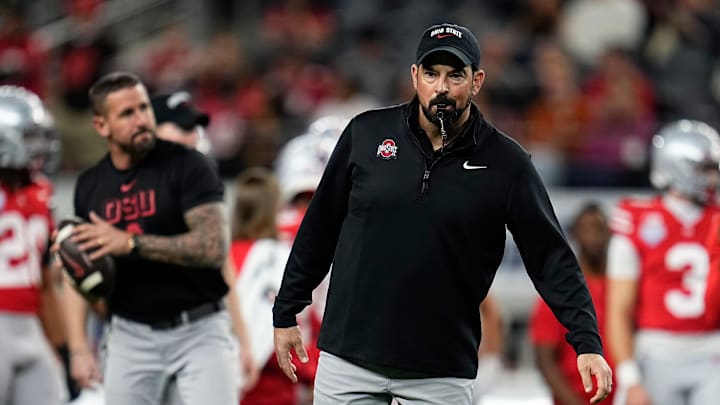
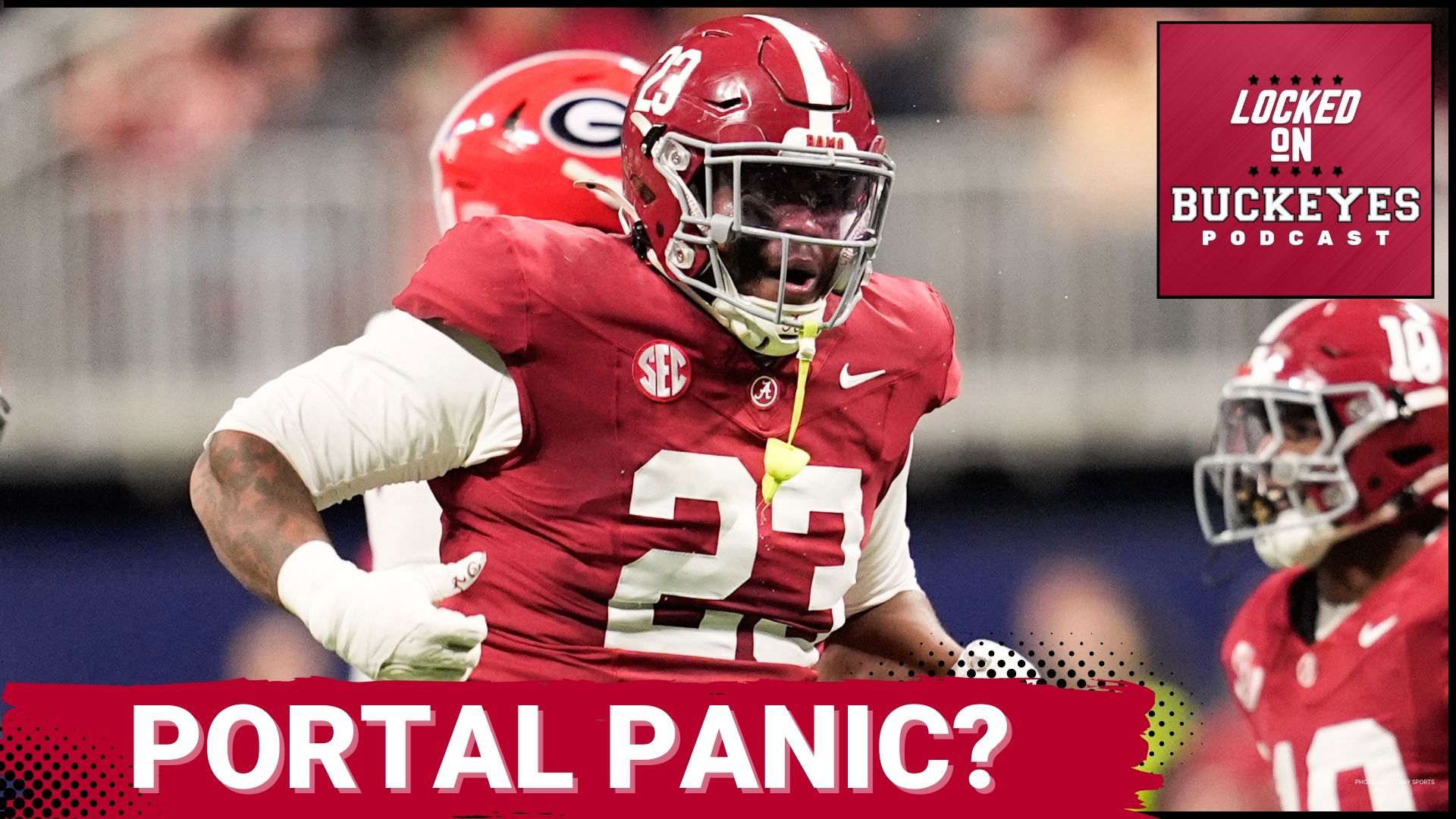
The Ohio State football transfer portal phenomenon represents a critical case study in talent mobility and strategic resource management with profound implications for cross-border e-commerce sellers.
The unprecedented roster transformation, involving 29 players entering the transfer portal, mirrors emerging trends in digital marketplaces where talent and opportunity increasingly transcend traditional institutional boundaries. Just as athletes seek optimal playing environments, e-commerce sellers must continuously evaluate and reposition their market strategies.
Key parallels emerge between collegiate athletics and e-commerce platform dynamics. The transfer portal's mechanism resembles marketplace seller migration, where professionals seek platforms offering better compensation, visibility, and growth potential. Ohio State's strategic approach—carefully selecting seven potential starter transfers while maintaining roster quality—directly reflects sophisticated seller recruitment strategies employed by Amazon, eBay, and Shopify.
Critical insights for cross-border sellers include:
- Talent mobility is now a fundamental market characteristic
- Platform loyalty is declining in favor of individual opportunity
- Strategic adaptability determines long-term competitive positioning
- Continuous skill development and platform assessment are essential
The most impacted positions (wide receivers, defensive line) parallel high-volatility e-commerce product categories where rapid adaptation determines success. Bo Jackson's strategic decision to return represents a calculated risk management approach sellers must emulate—balancing immediate opportunities with long-term strategic goals.
Operationally, this transfer dynamic suggests sellers must:
- Continuously monitor platform performance metrics
- Develop flexible market entry/exit strategies
- Invest in skill development and platform-specific capabilities
- Maintain a diverse, adaptable product/service portfolio
問題 3
How do sports transfer dynamics relate to e-commerce seller strategies?
Both domains prioritize talent mobility, platform optimization, and strategic repositioning. Just as athletes seek better opportunities through transfer portals, sellers continuously evaluate marketplace performance, seeking platforms with superior compensation, visibility, and growth potential.
How frequently should sellers reassess their marketplace strategy?
Quarterly reviews are recommended. Analyze platform performance metrics, commission structures, audience engagement, and competitive landscape. Be prepared to reallocate resources or pivot strategies within 30-90 days based on emerging trends.