



Regulatory Crackdown: How Multistate Settlements Expose Deceptive Marketing Practices
- Landmark consumer protection action reveals systemic risks in retail promotional strategies






































概览
The multistate settlement against Menards represents a pivotal moment in regulatory enforcement, exposing the intricate vulnerabilities of contemporary retail marketing practices. Spanning ten states and totaling $4.25 million, this coordinated action unveils a critical compliance landscape where deceptive advertising can trigger massive financial and reputational consequences.
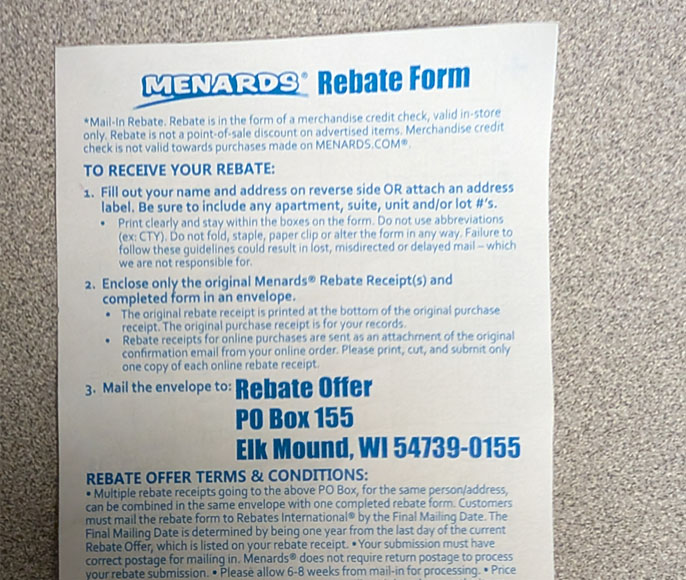
The core issue transcends a single retailer's missteps. Menards' rebate strategy systematically misled consumers by advertising "11% OFF" promotions that were fundamentally misleading. By presenting store credits as immediate discounts and obscuring critical details in fine print, the company created a complex web of marketing deception that caught the attention of multiple state attorneys general.
What makes this settlement particularly significant is its comprehensive approach to consumer protection. The mandated changes go beyond financial penalties, requiring Menards to fundamentally restructure its marketing communication. Key requirements include developing transparent online rebate submission processes, providing clear program rules, and ensuring customers have at least one year to submit claims. This represents more than a punitive measure—it's a regulatory blueprint for ethical promotional practices.
The timing is crucial. Emerging during the COVID-19 pandemic, when consumer vulnerability was heightened, this settlement signals a growing intolerance for opportunistic marketing tactics. Regulators are sending a clear message: transparency isn't optional, especially during economic stress periods. For retailers and e-commerce platforms, this case serves as a critical warning about the increasing sophistication of consumer protection enforcement.
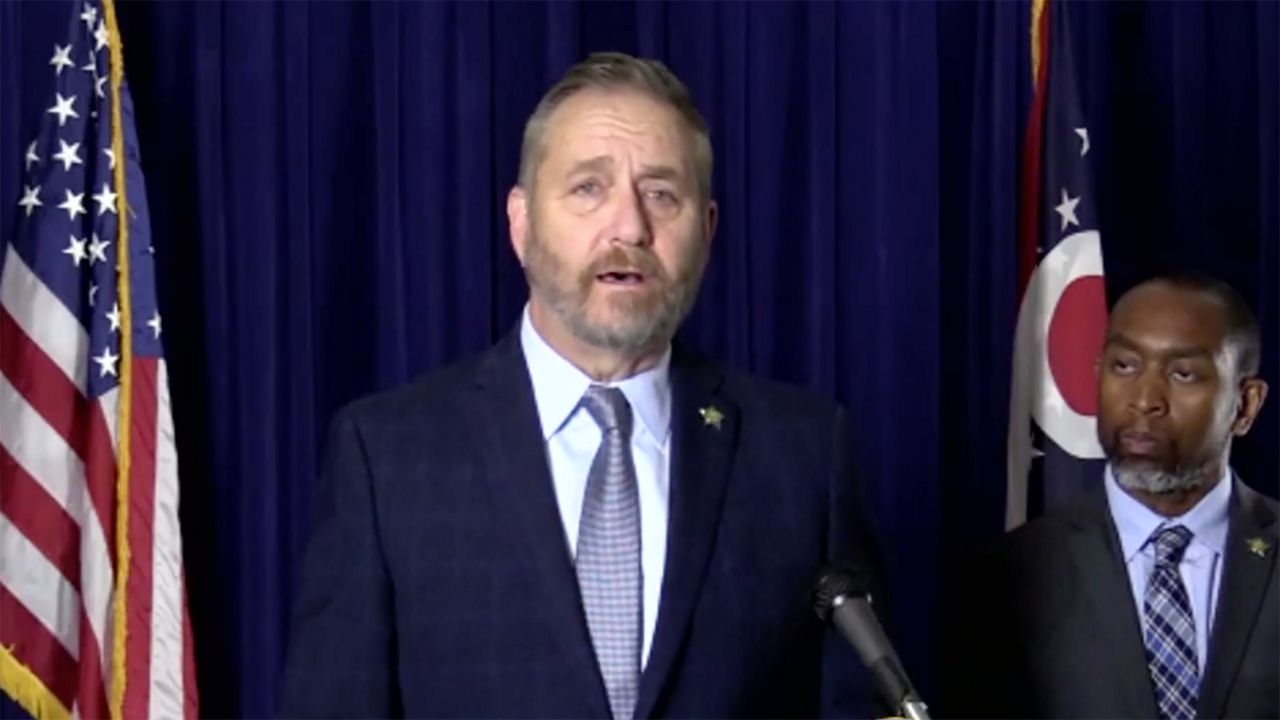
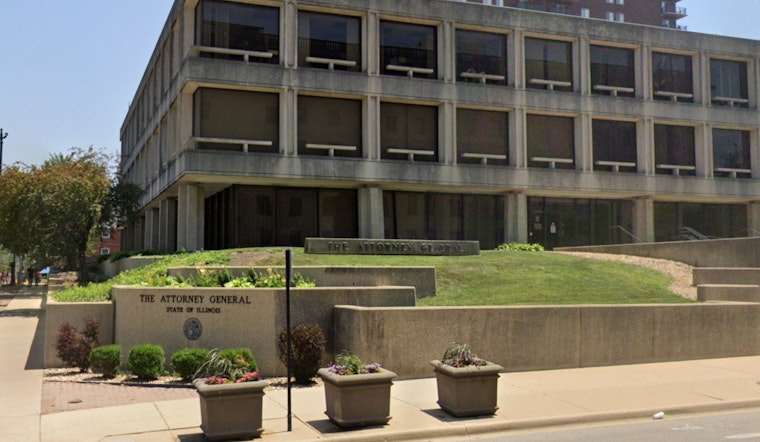
The coordinated action across Arizona, Illinois, Iowa, Kansas, Michigan, Minnesota, Nebraska, Ohio, South Dakota, and Wisconsin demonstrates a new era of interstate regulatory collaboration. By presenting a unified front, these states have created a powerful deterrent against misleading marketing practices, effectively establishing a new standard of accountability that extends far beyond Menards' specific case.
問題 4
What does this settlement mean for other retailers?
It signals increased regulatory scrutiny of marketing practices, especially during economic stress periods like the COVID-19 pandemic. Retailers must prioritize transparency, clear communication, and ethical promotional strategies to avoid significant financial and reputational risks.
What changes must Menards implement to comply with the settlement?
Menards must develop online rebate submission methods, provide transparent rebate tracking, clearly explain rebate program rules, discontinue ads suggesting store credits are immediate discounts, and allow customers at least one year to submit rebate claims.