



Game Design Clones: The High-Stakes Legal Battlefield of Intellectual Property in Video Games
- Emerging regulatory landscape reveals critical risks for game developers seeking inspiration over innovation























概览
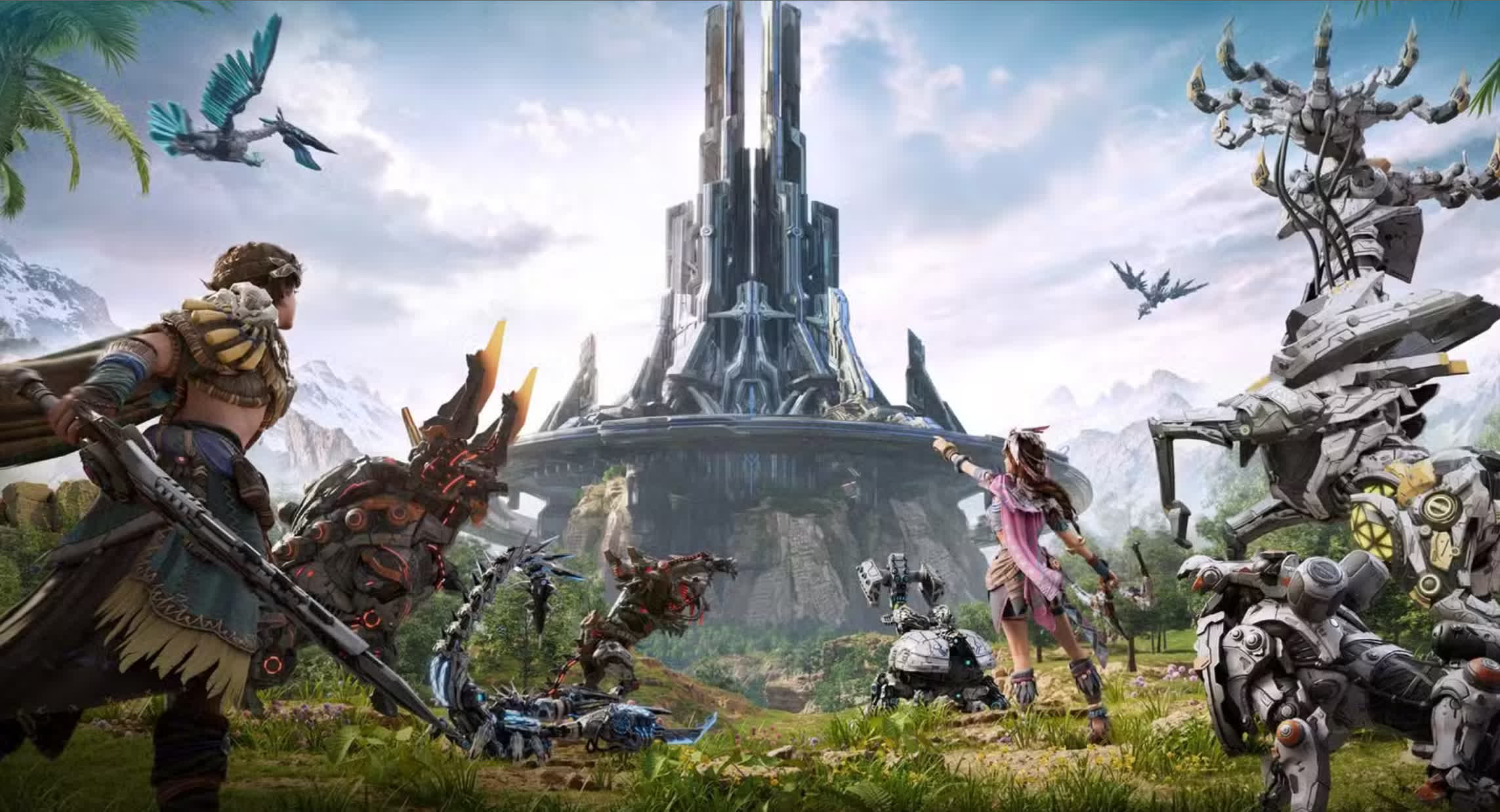
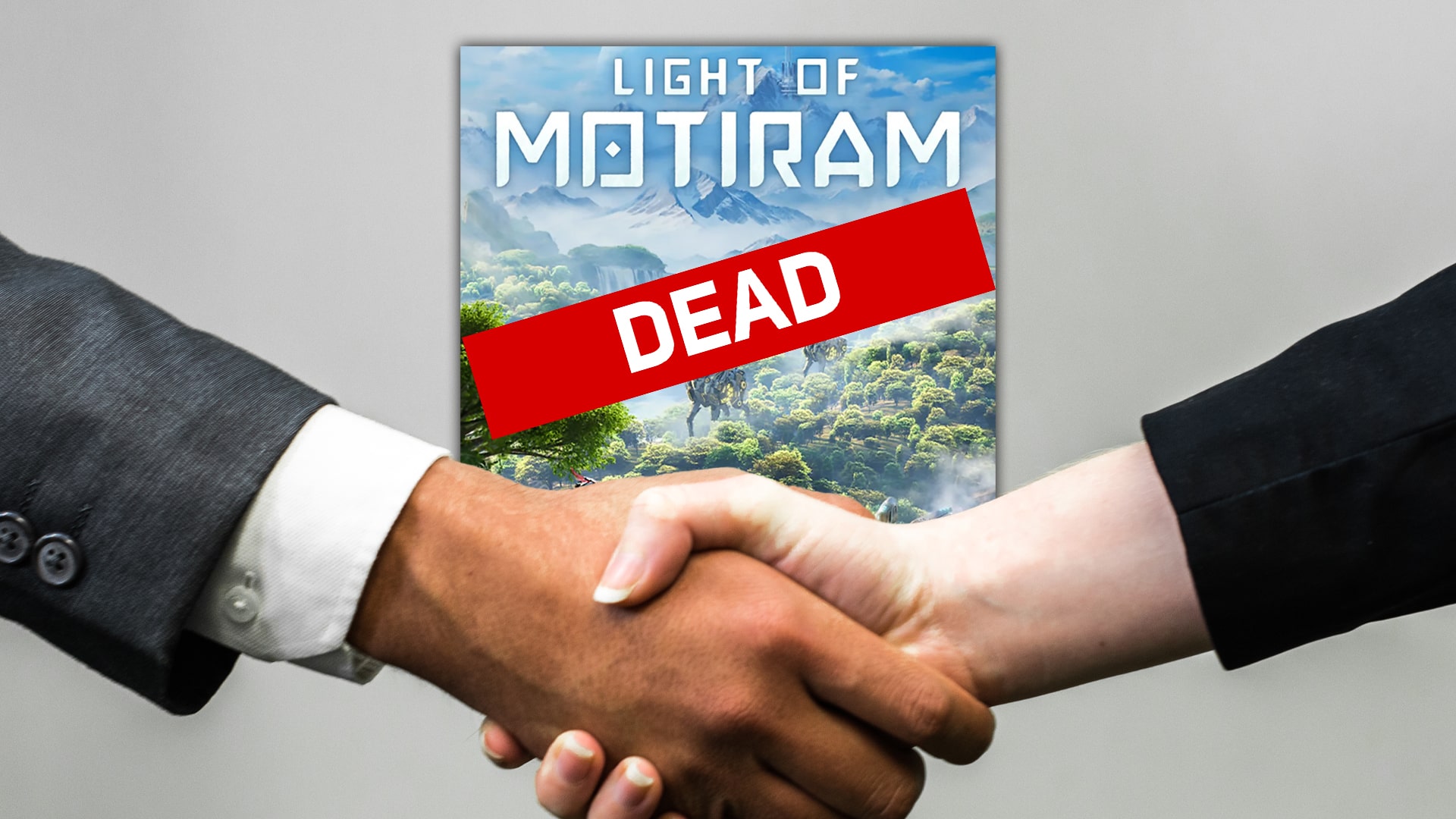
The video game industry is experiencing a pivotal moment of intellectual property (IP) reckoning, where the line between inspiration and infringement has become razor-thin. The recent Sony-Tencent lawsuit surrounding the "Light of Motiram" game illuminates a critical strategic challenge: how can developers create innovative games without triggering legal landmines?
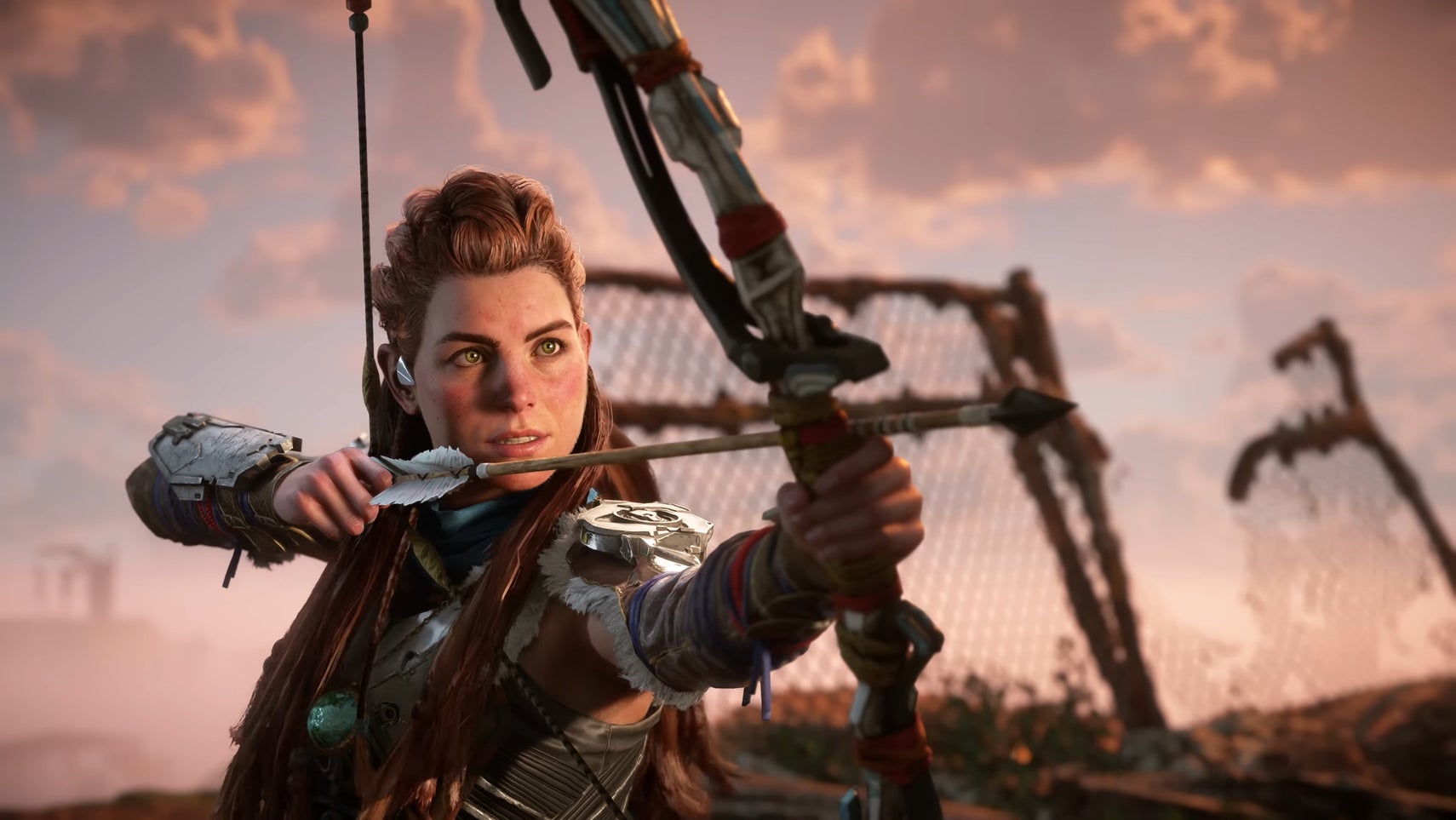
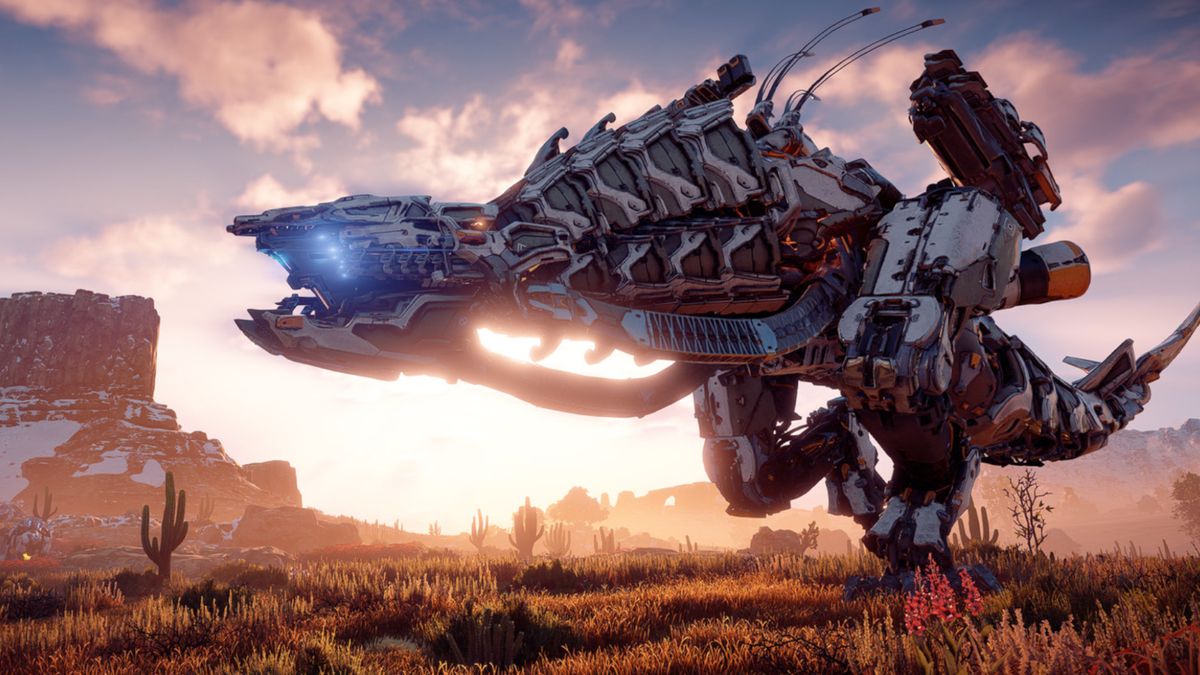
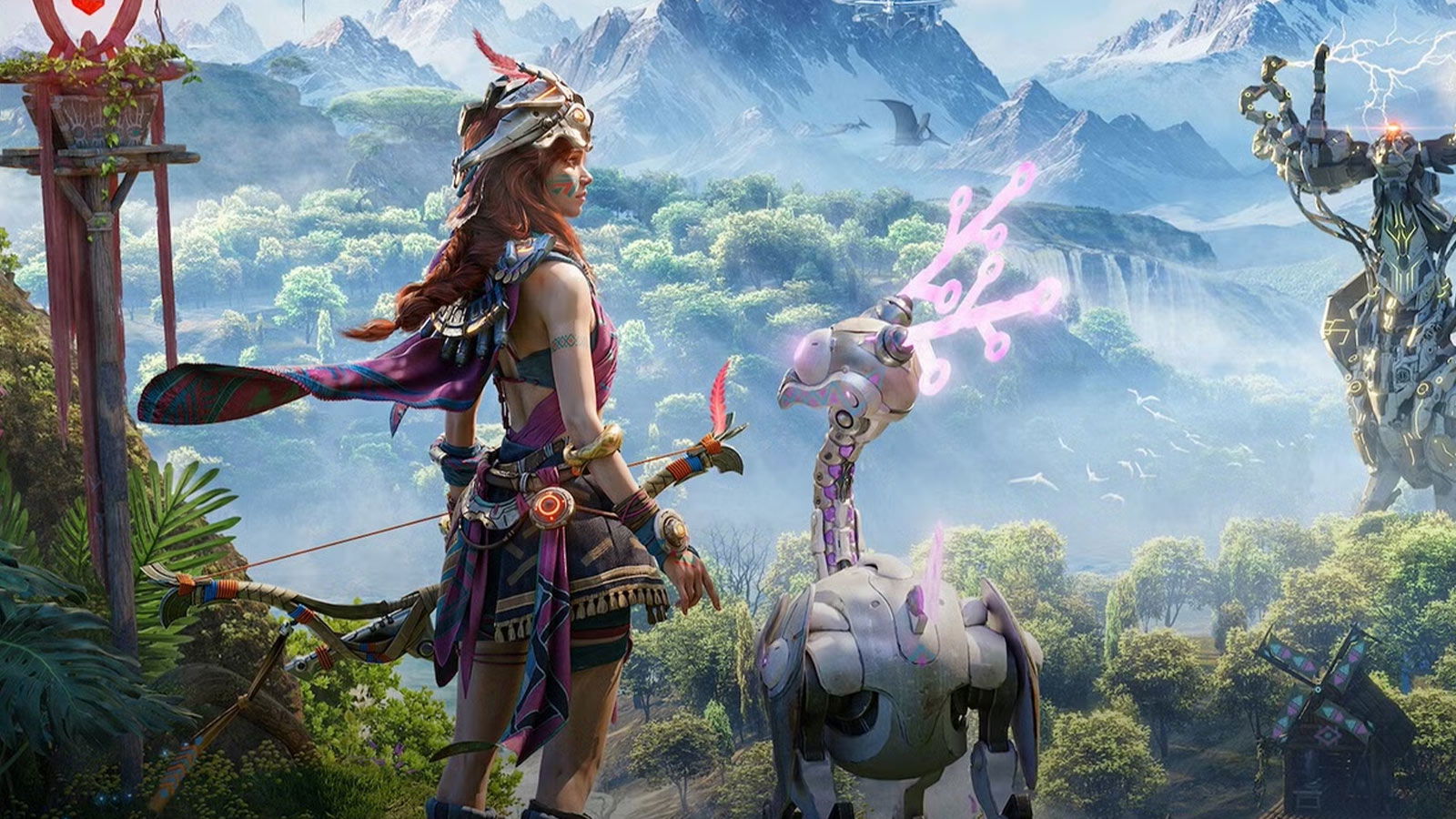
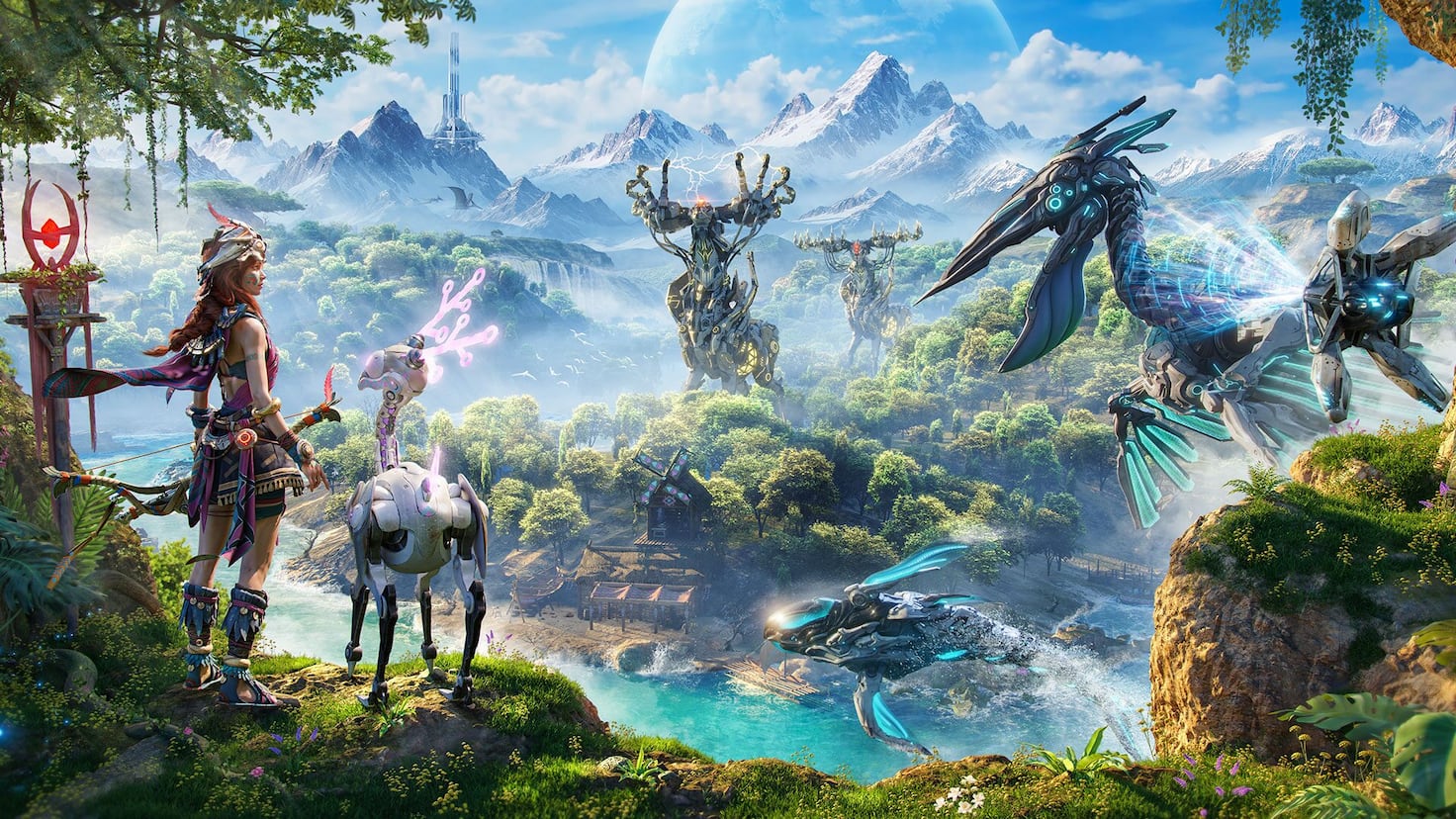
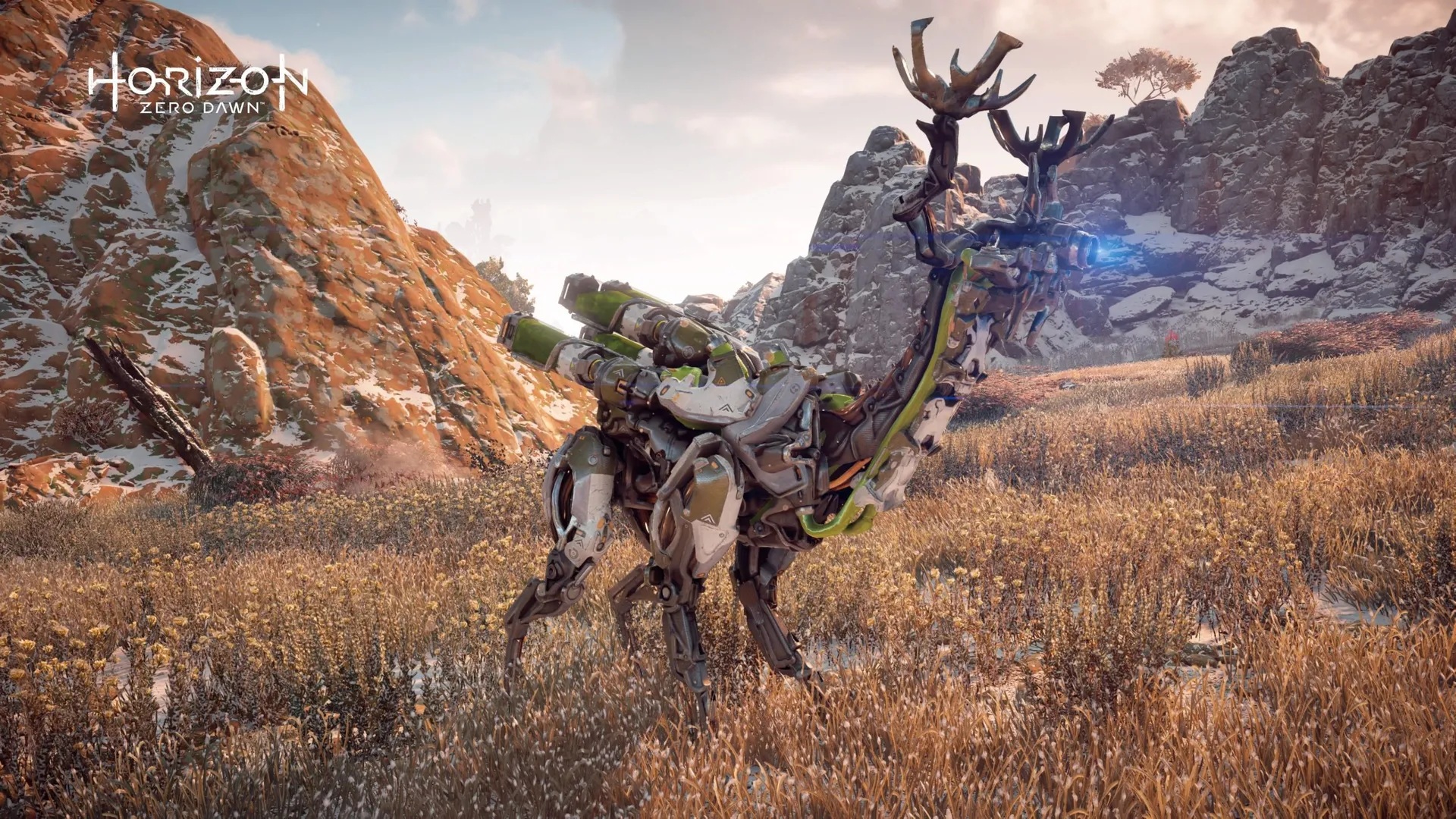
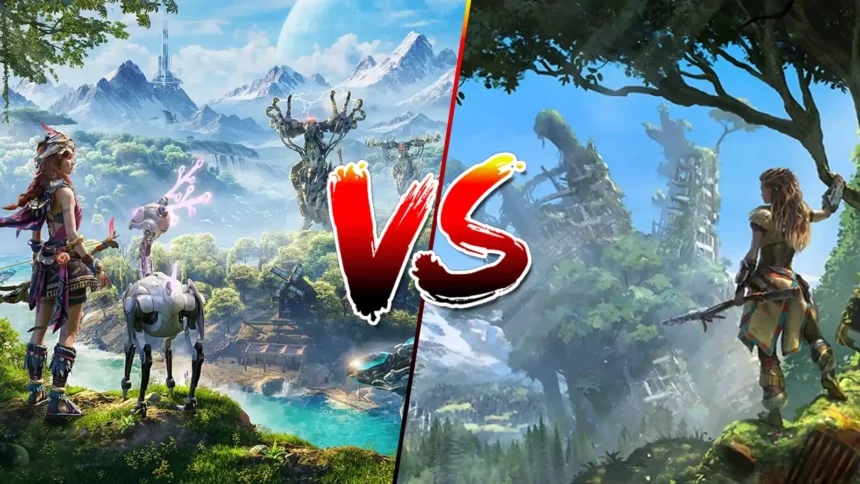
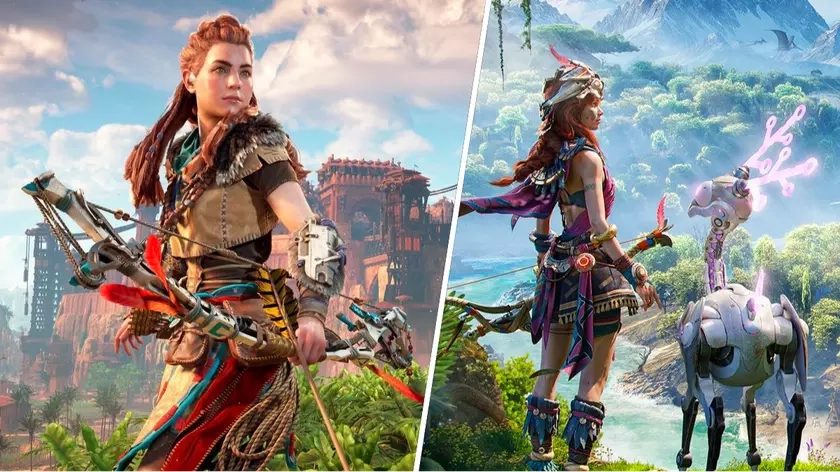
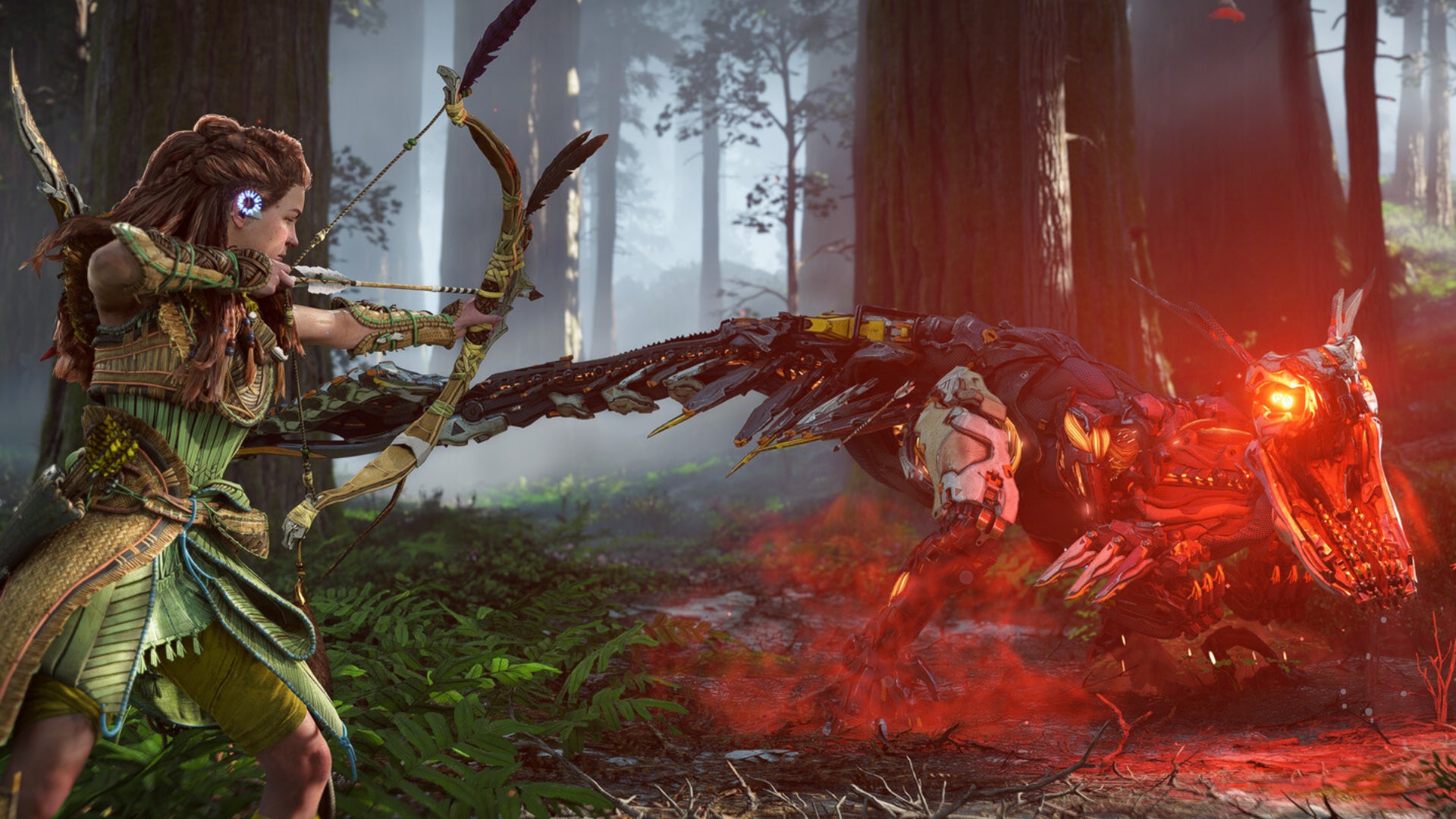
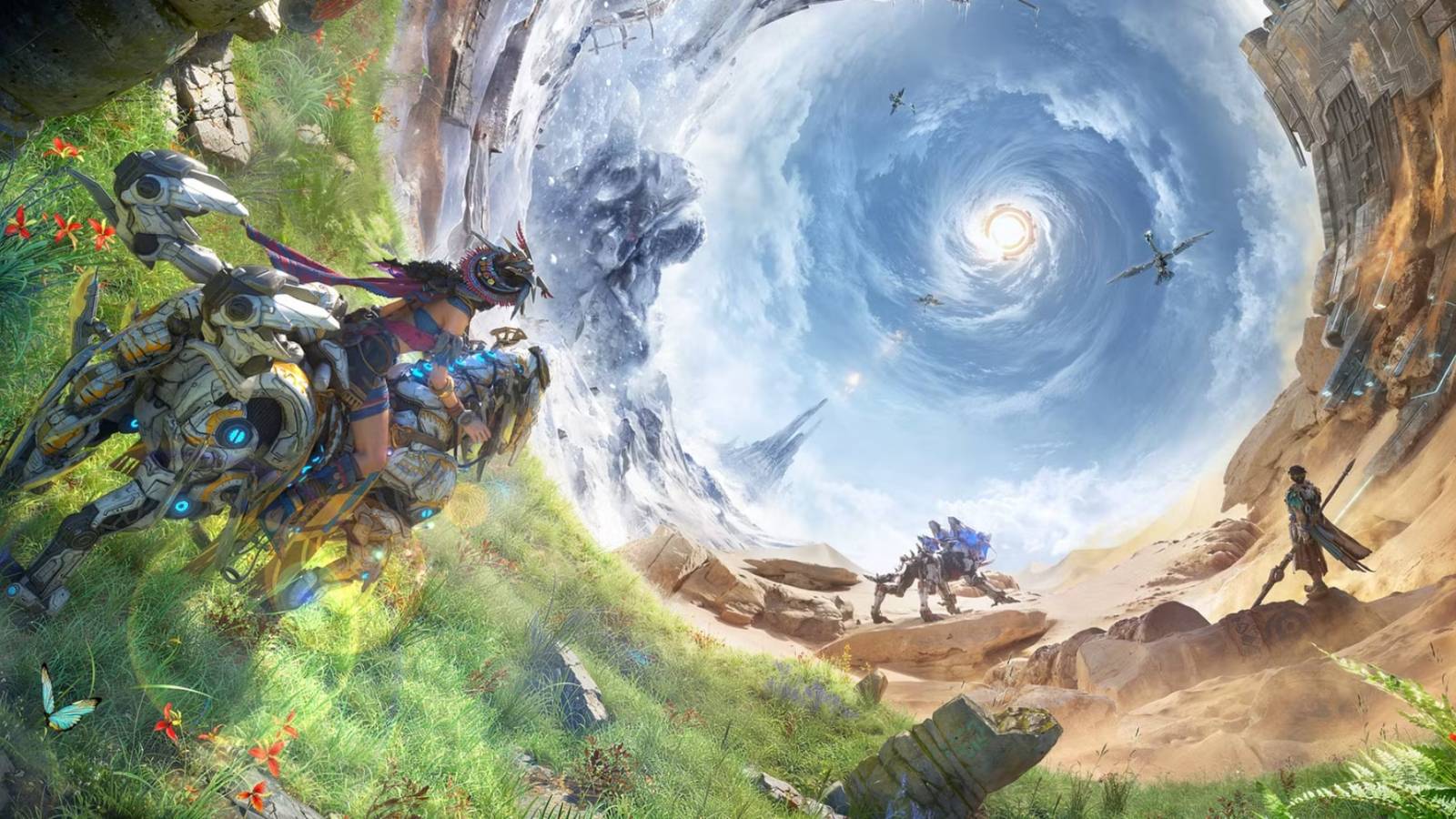
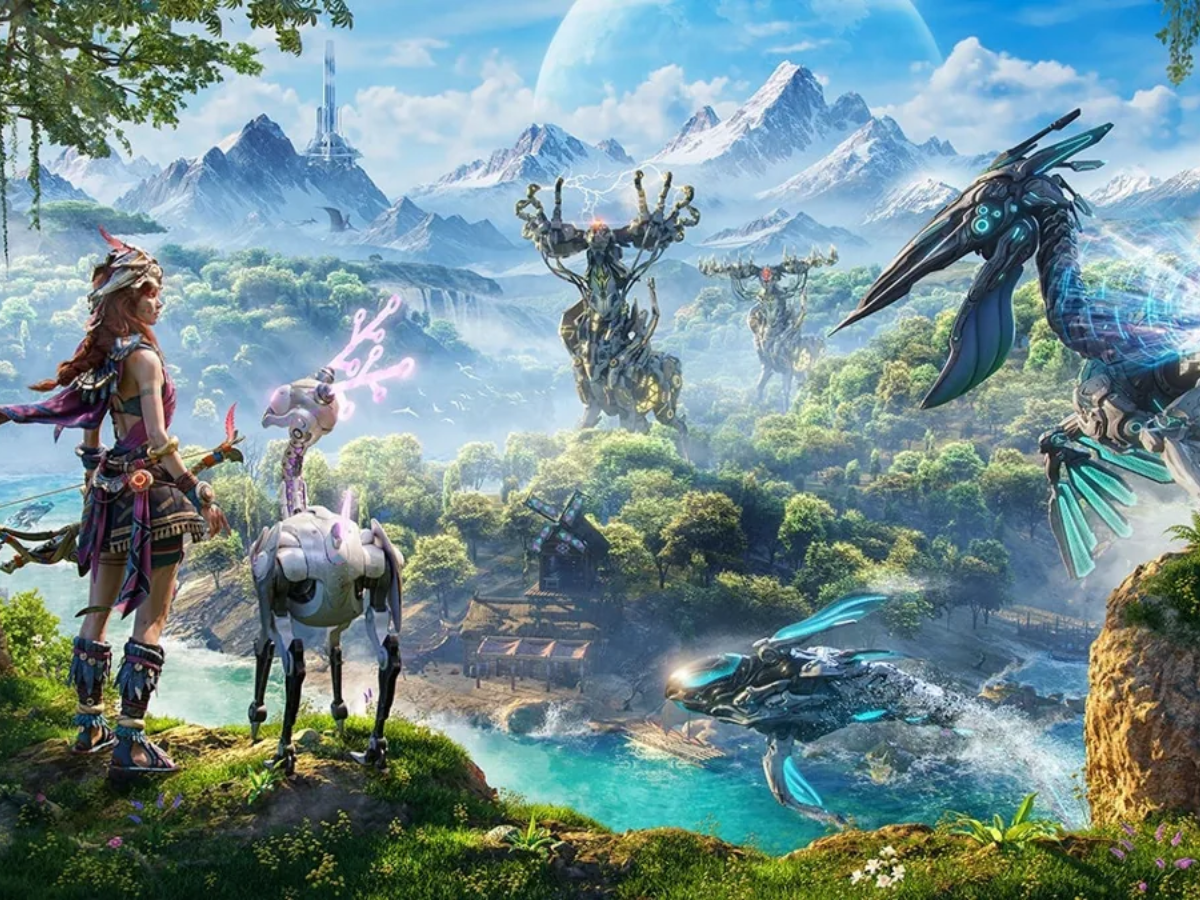
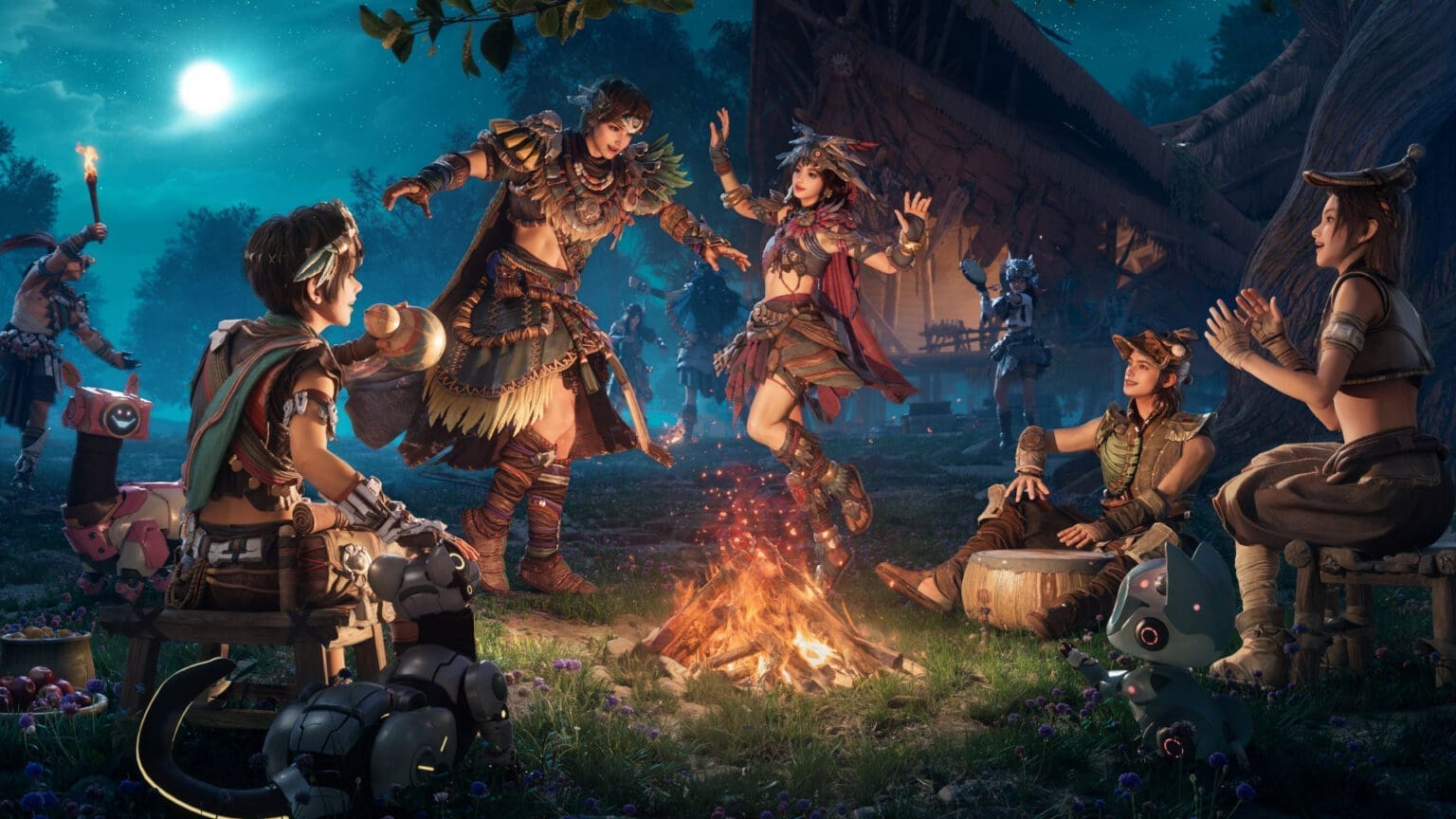
Regulatory complexity emerges as the core tension in this dispute. Sony's lawsuit against Tencent wasn't just about surface-level similarities, but challenged the very boundaries of genre conventions and game design. By claiming "Light of Motiram" was a 'slavish clone' of "Horizon: Zero Dawn", Sony exposed the nuanced legal terrain where game mechanics, visual aesthetics, and narrative structures intersect with intellectual property protections.
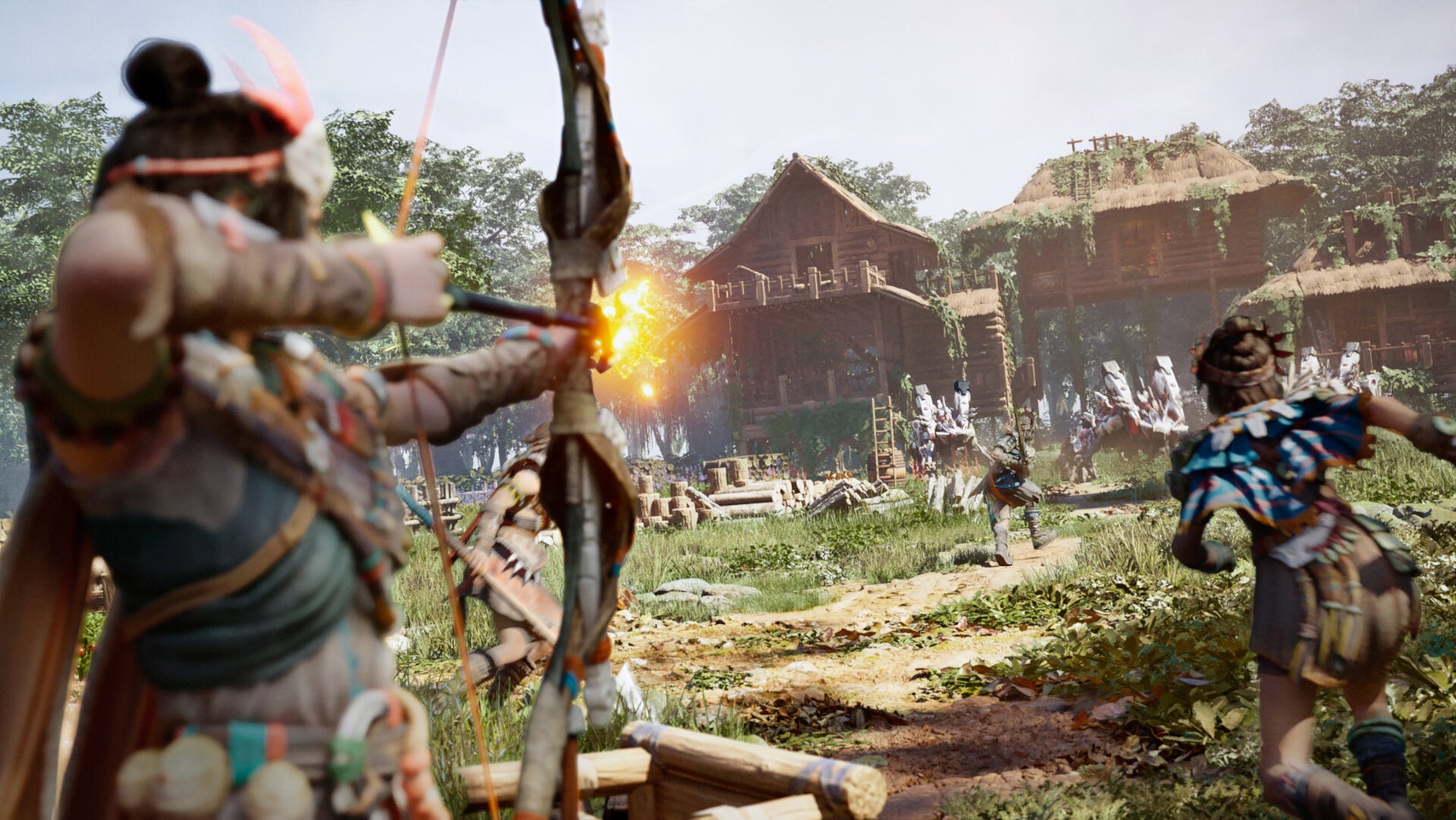
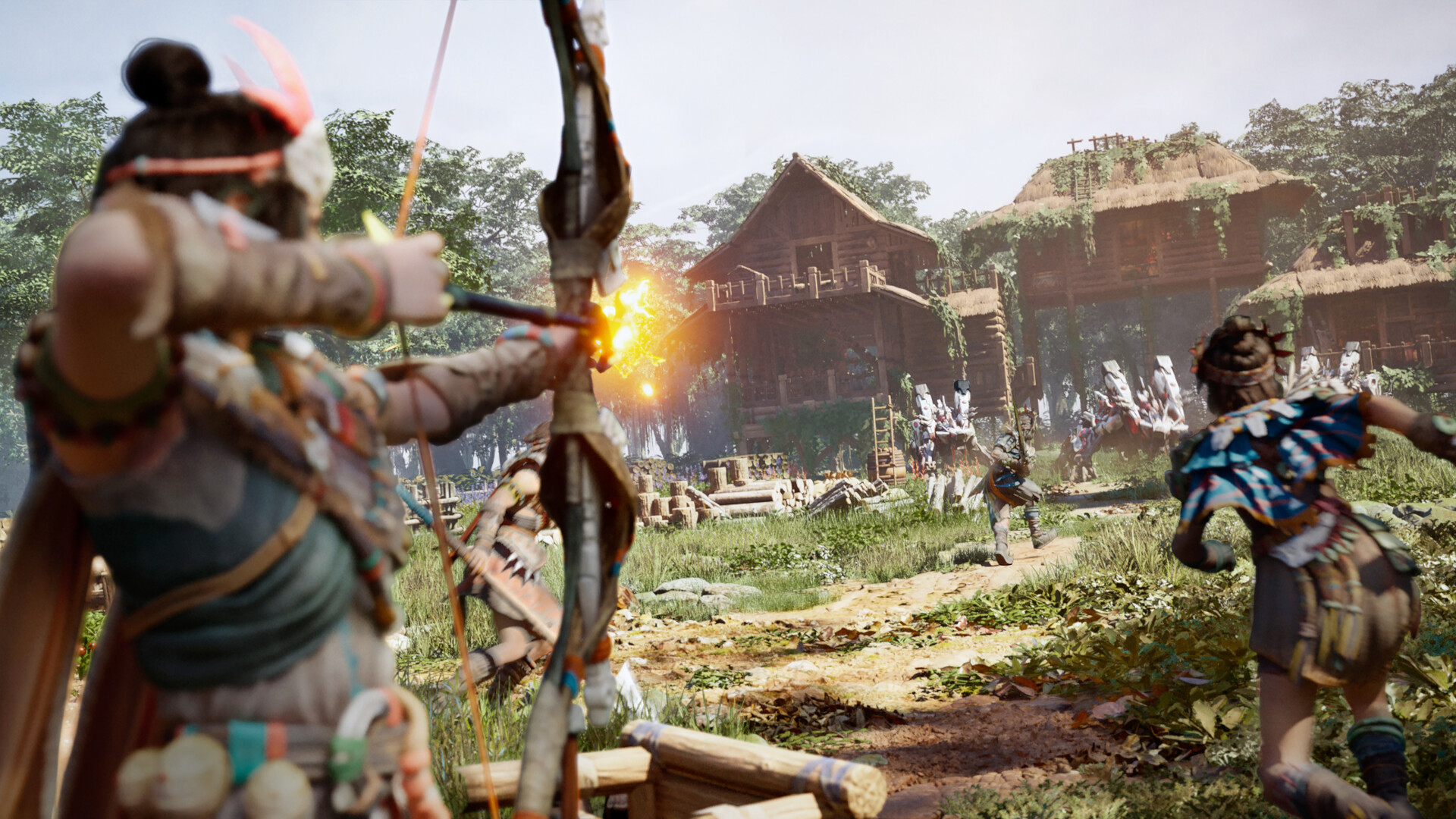
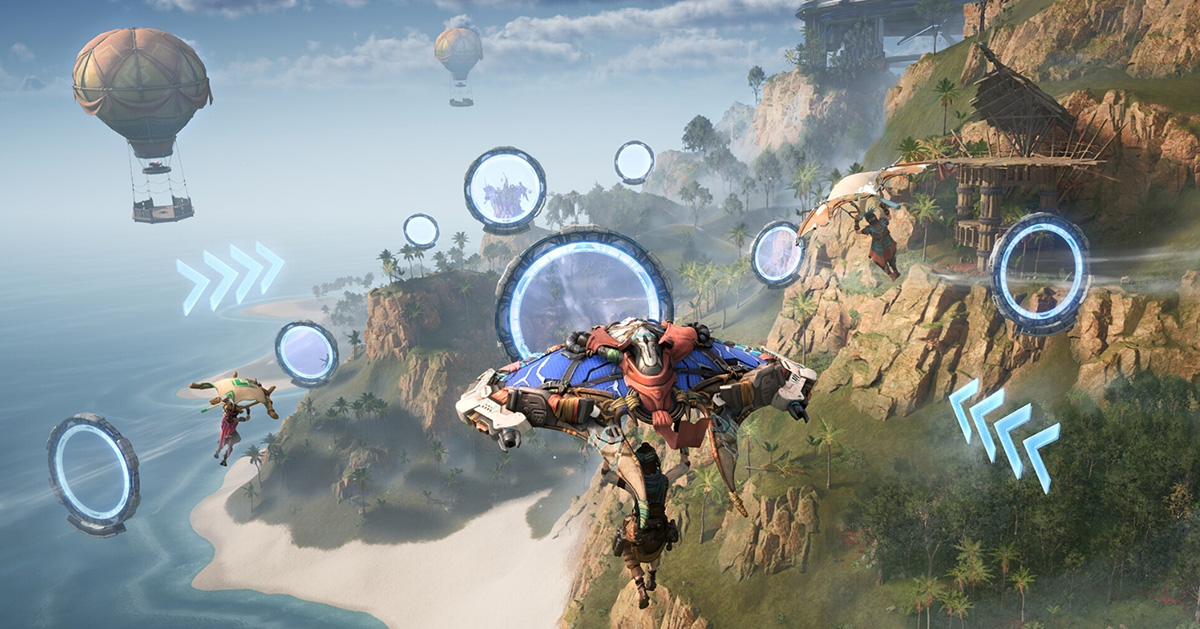
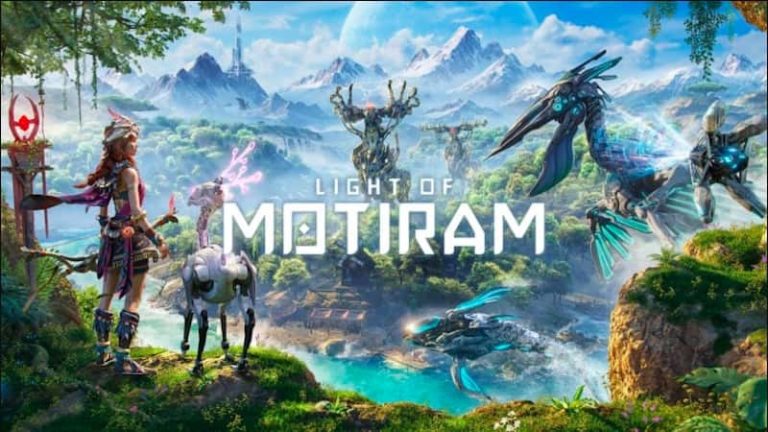
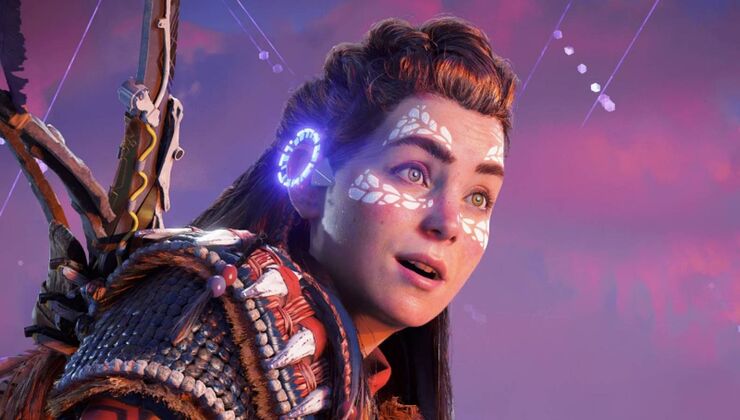
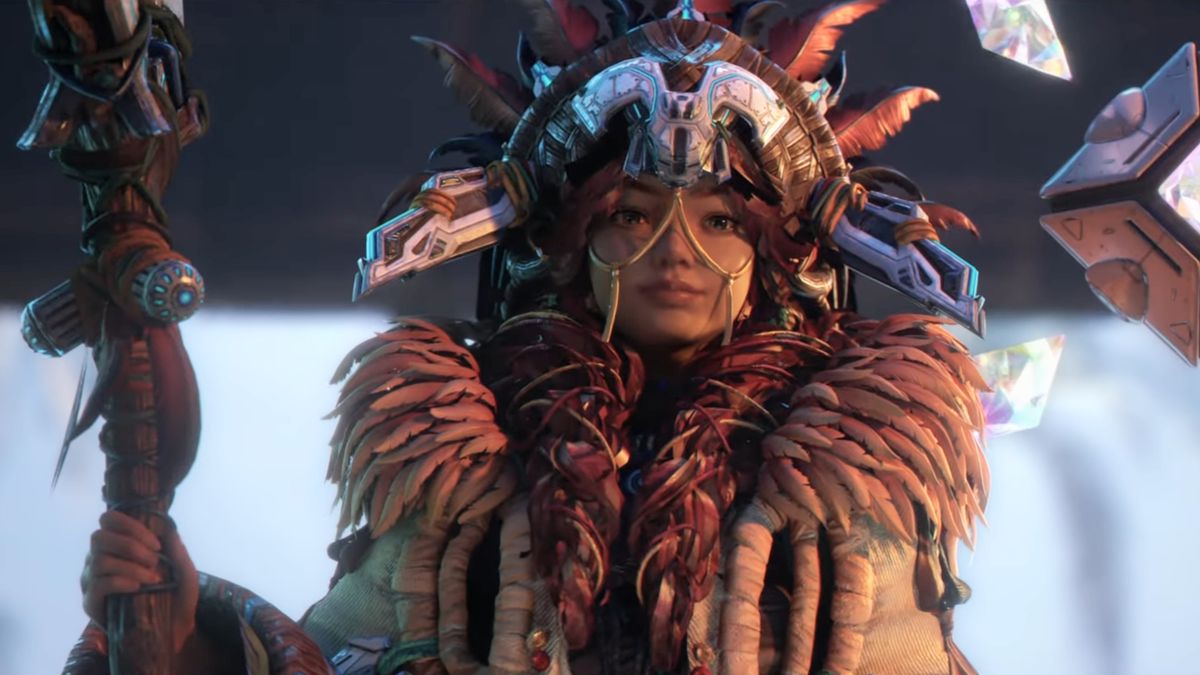
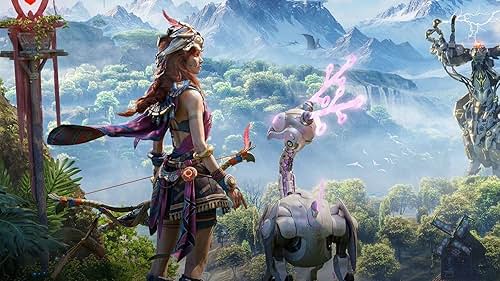
The settlement reveals three profound implications for the gaming industry. First, game developers must now navigate an increasingly narrow corridor of creative expression. The striking similarities in "Light of Motiram" - including a red-haired protagonist in a cybernetic aboriginal outfit, base-building mechanics, and robot hunting gameplay - demonstrate how easily a game can be perceived as derivative. Second, major platforms like Steam and Epic Games Store are becoming de facto IP enforcement mechanisms, quickly delisting games that might trigger legal challenges. Third, the case underscores a critical strategic imperative: originality is no longer optional, but a fundamental competitive advantage.
Tencent's response - modifying marketing materials and halting the game's release - signals a pragmatic approach to IP risk management. By preemptively altering visual branding and removing specific descriptive elements, they demonstrated how proactive design modifications can potentially circumvent legal challenges.
The long-term impact extends beyond this single case. Game developers must now invest significantly more resources in original conceptualization, treating game design as a complex legal and creative challenge. The era of genre-inspired "me-too" titles is rapidly closing, replaced by a more sophisticated landscape where innovation is the primary defense against potential litigation.
問題 3
How are digital platforms like Steam responding to potential IP infringement?
Digital platforms are becoming increasingly proactive in IP enforcement, quickly removing games that might trigger legal challenges. The 'Light of Motiram' case shows platforms will delist games during active legal disputes, effectively acting as first-line IP protection mechanisms for major game publishers.
What are the potential consequences of creating a game too similar to an existing franchise?
Consequences can include legal action, platform delisting, marketing halt, and potential financial damages. In this case, Tencent's 'Light of Motiram' was removed from Steam and Epic Games Store, demonstrating how quickly digital platforms can enforce IP protections. Developers might face significant sunk costs and reputational damage.