




Cross-Border Sellers: Passport Mobility Reshapes Global Trade
- 168-Destination Gap Reveals Critical E-Commerce Strategy Shifts













概览
The 2026 global passport mobility landscape is fundamentally transforming cross-border e-commerce strategies, with profound implications for international sellers navigating an increasingly complex geopolitical environment.
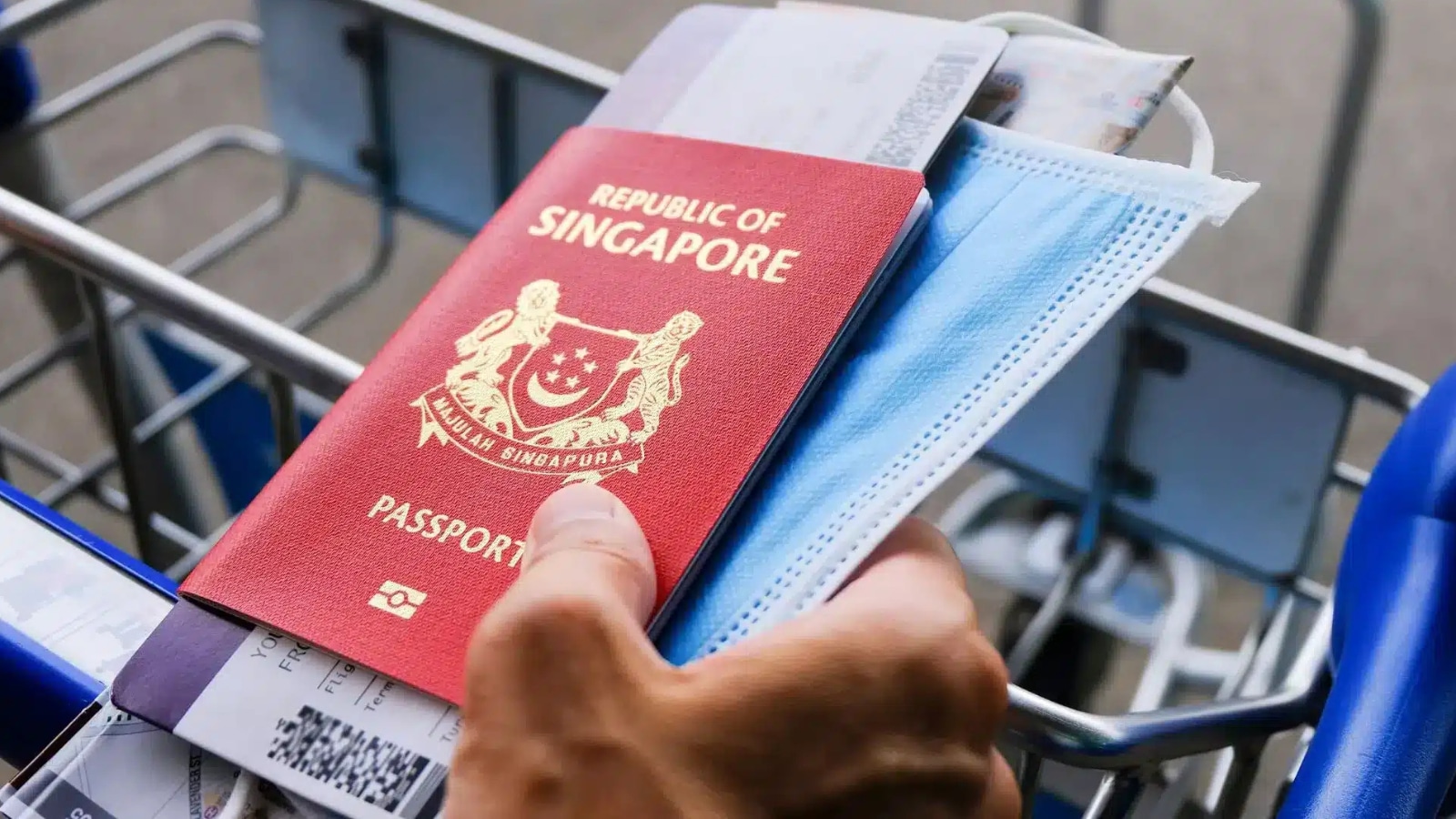
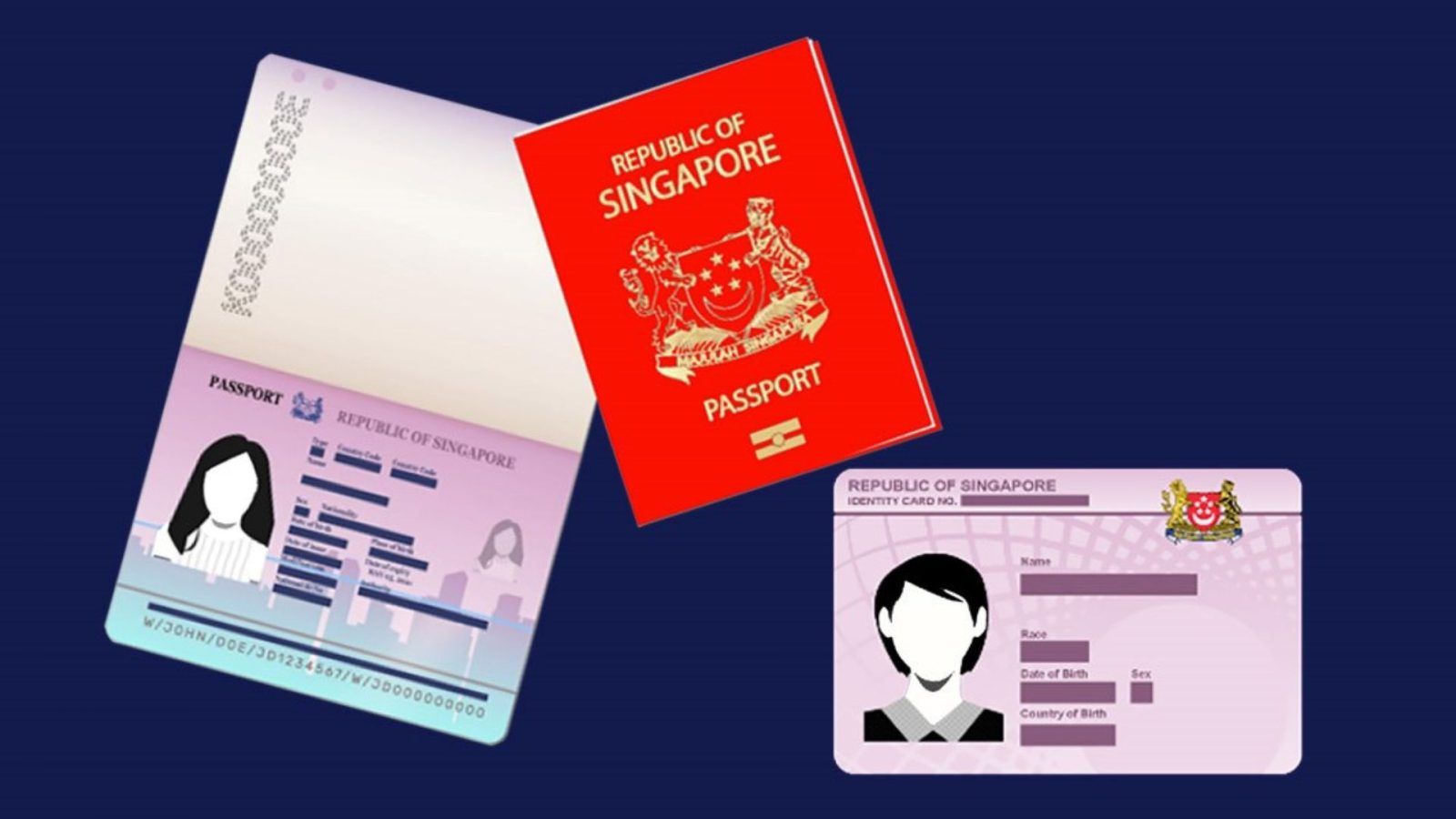
Asian nations are dramatically redefining global economic participation, led by Singapore (192 visa-free destinations), Japan, and South Korea (188 destinations). This mobility advantage translates directly into e-commerce market access, creating significant competitive differentials for sellers based in these countries. The United Arab Emirates' remarkable 57-place climb demonstrates how diplomatic engagement and visa liberalization can unlock unprecedented market opportunities.
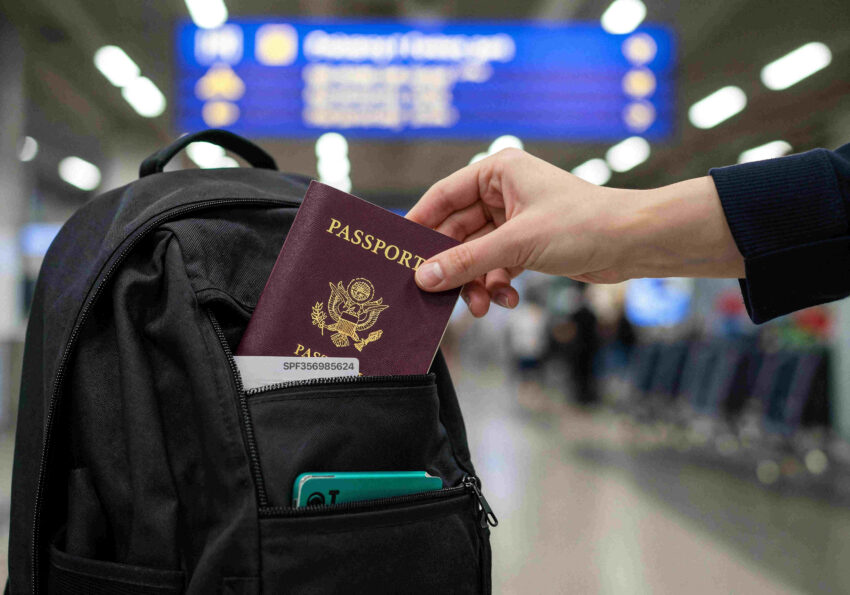
US-based sellers face critical strategic recalibration, with the American passport declining from first place in 2014 to tenth place in 2026. The proposed late-2025 US Customs and Border Protection plan introduces extensive data collection requirements, potentially creating substantial barriers for international business travel. Sellers must now factor in:
- Comprehensive personal data disclosure (5 years social media, 10 years digital contacts)
- Potential "ideological screening" mechanisms
- Increased compliance complexity for cross-border interactions
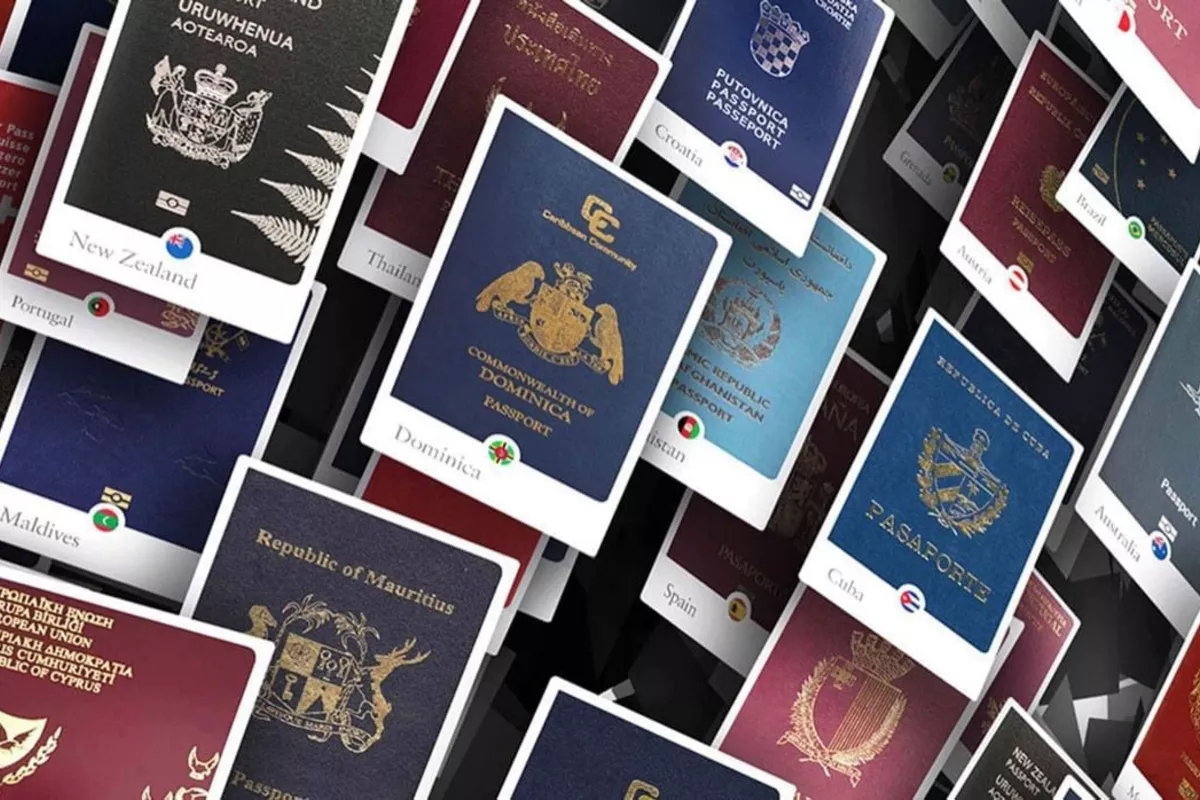
Passport power now directly correlates with economic participation, with experts like Christian H. Kaelin highlighting how mobility advantages concentrate among economically powerful nations. For e-commerce sellers, this means meticulously evaluating passport capabilities when expanding global market strategies. The 168-destination gap between top and bottom-ranked passports represents more than travel convenience—it's a critical competitive intelligence metric for international market entry.
Strategic sellers must view passport mobility as a core business asset, integrating geopolitical mobility trends into their cross-border expansion planning. The era of assuming uniform global market access is definitively over.
問題 4
How can sellers mitigate passport mobility limitations?
Sellers can diversify business registration locations, leverage local partnerships, utilize digital communication platforms, and carefully plan international travel. Investing in comprehensive compliance strategies and maintaining flexible business structures will be crucial for navigating increasingly complex global mobility landscapes.
What specific challenges do US-based e-commerce sellers face in 2026?
US sellers must navigate stricter travel regulations, including mandatory disclosure of 5 years of social media history and 10 years of digital contact information. The US passport's drop from first to tenth place means reduced visa-free access, potentially increasing travel costs and complexity for international business operations.