



Global Shipping Risks: Black Sea Oil Terminal Attacks Impact Cross-Border Trade
- 2% Global Oil Supply Disrupted, Shipping Costs Expected to Rise 15-25%










概览
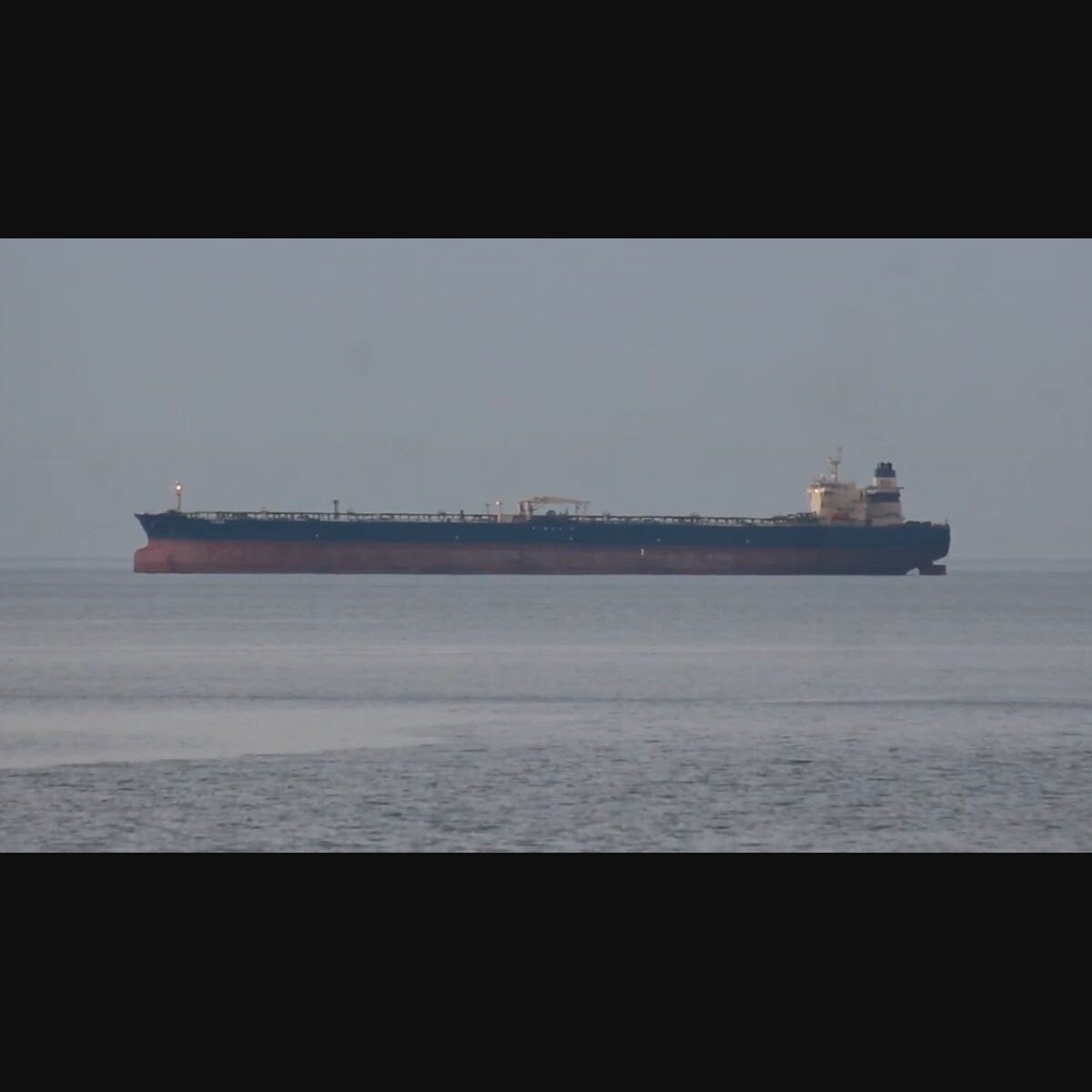
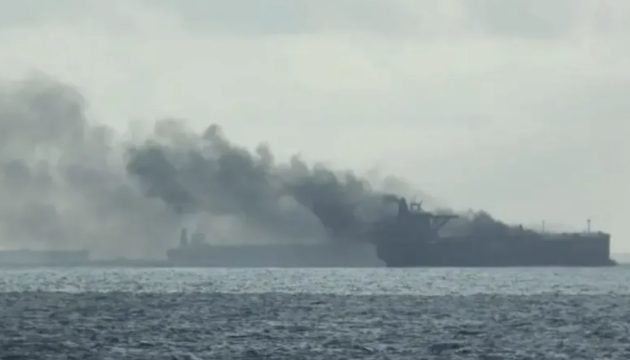
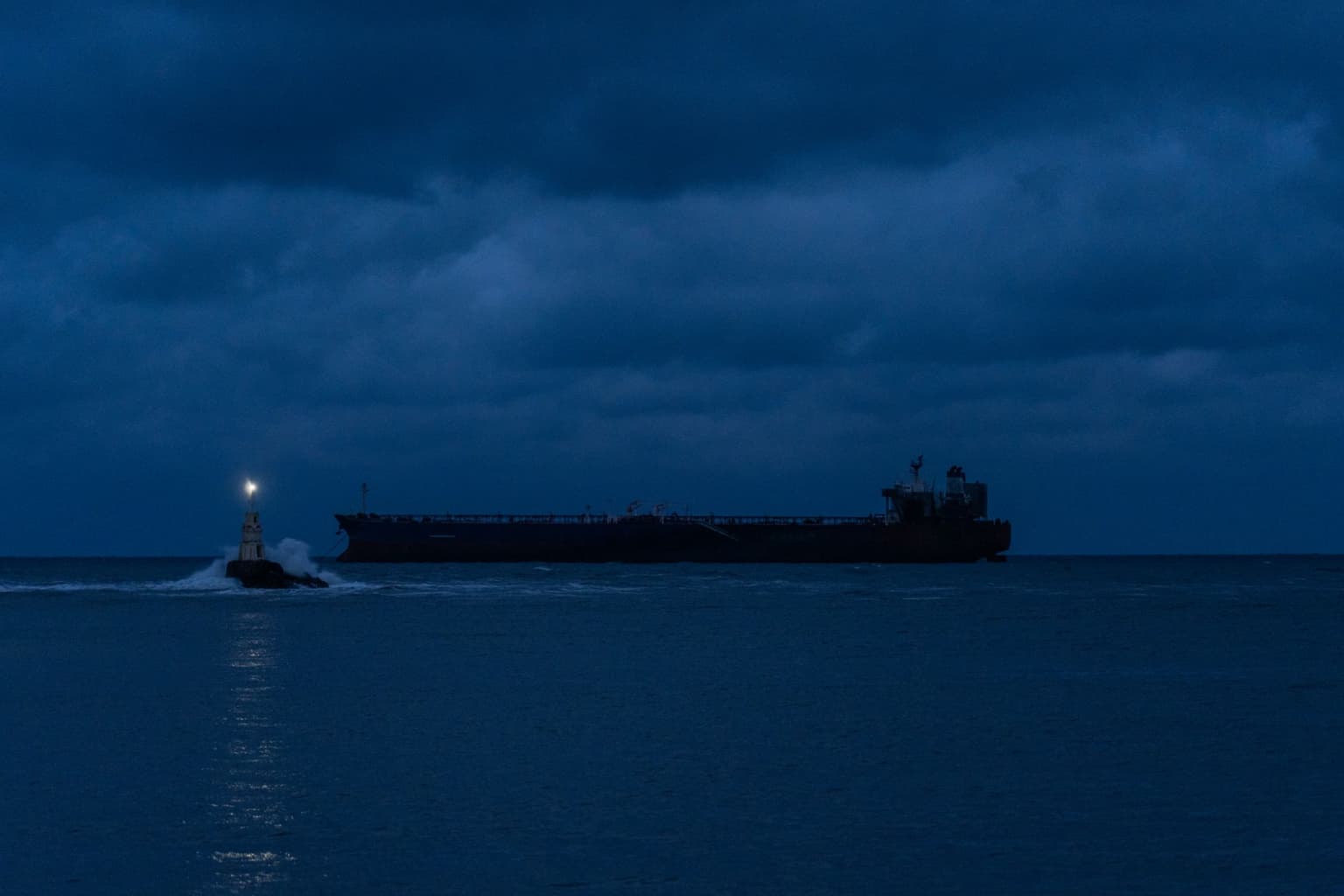
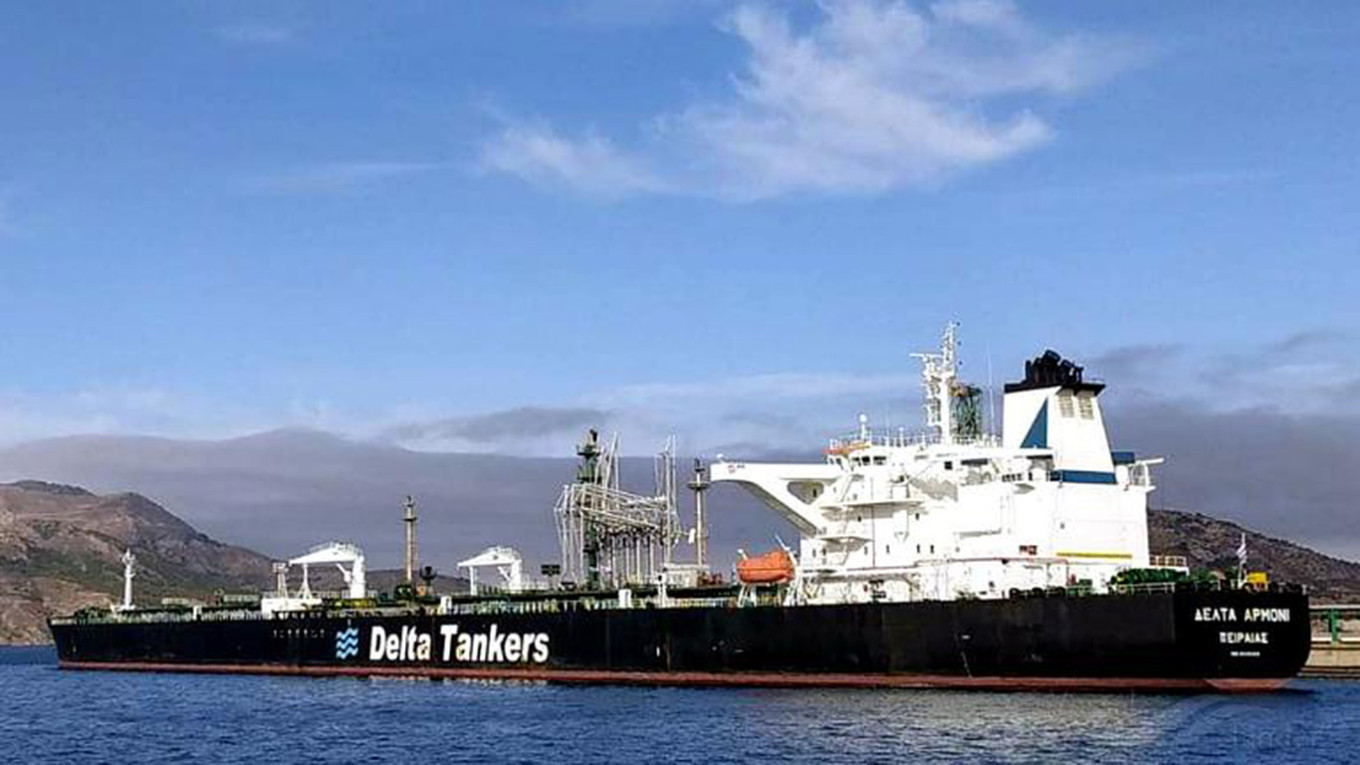
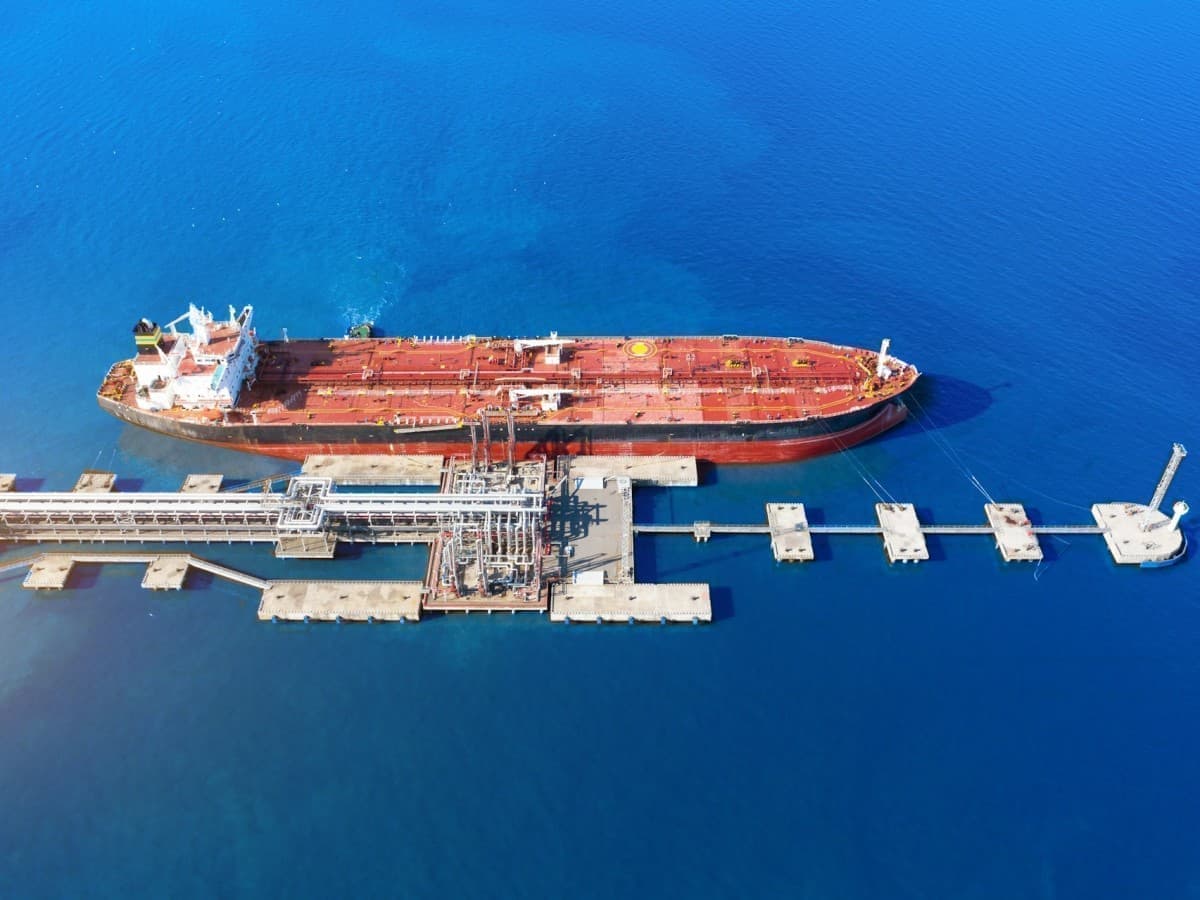
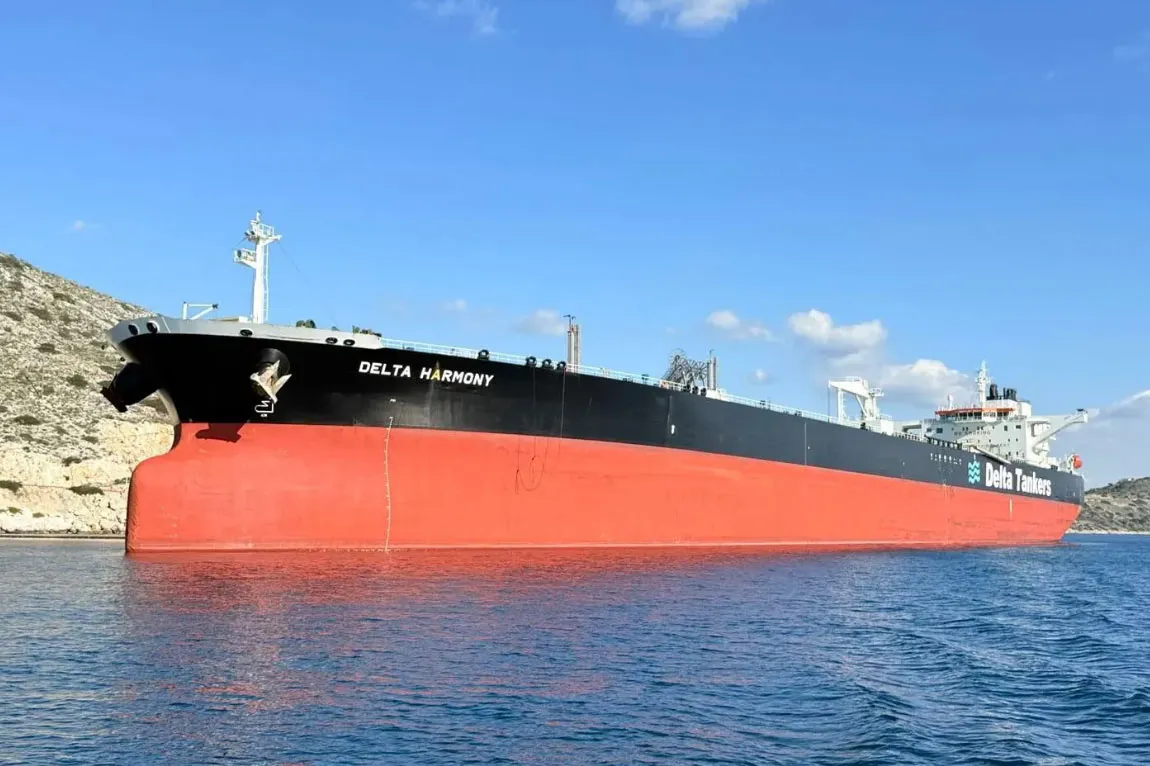
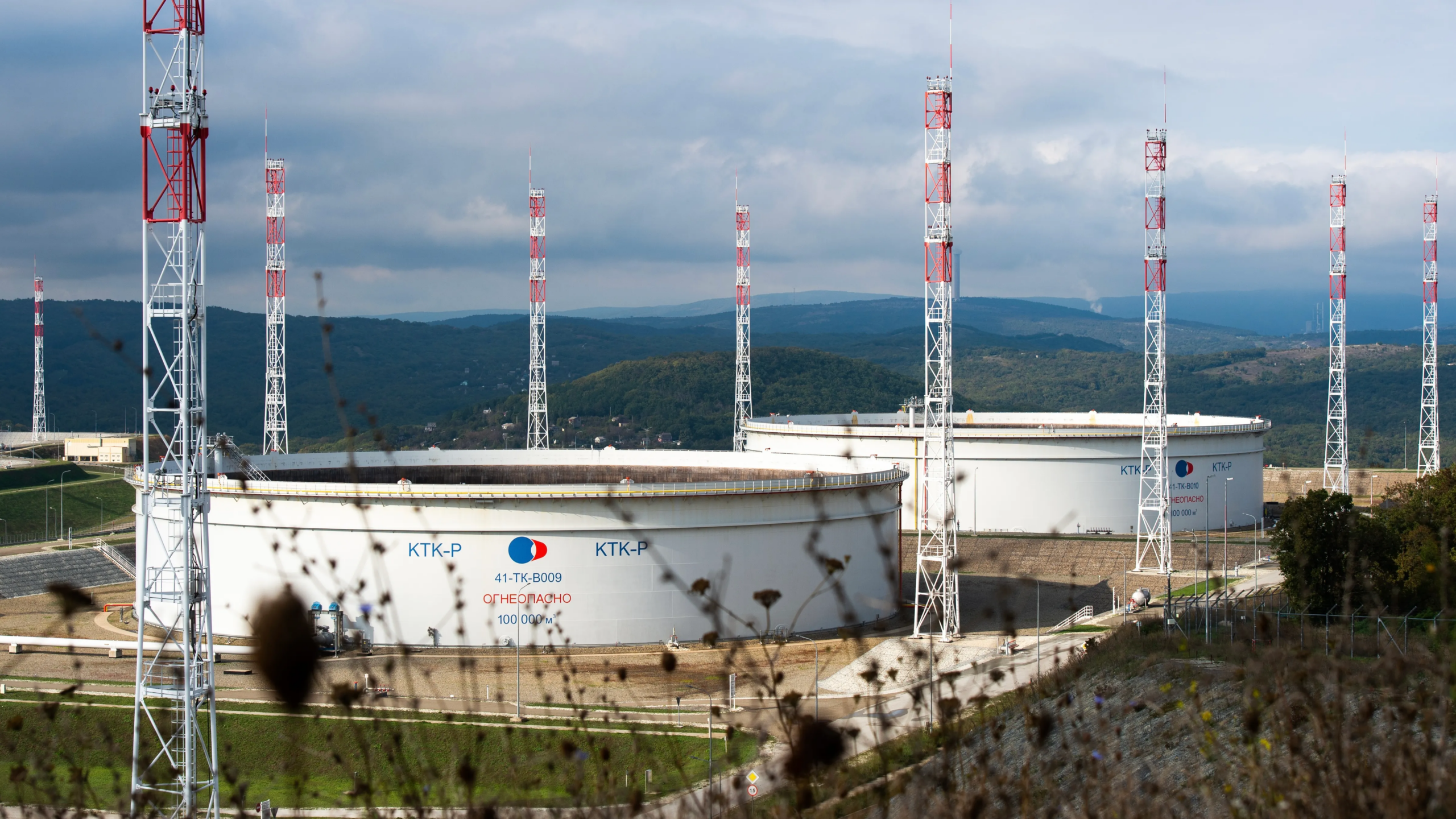
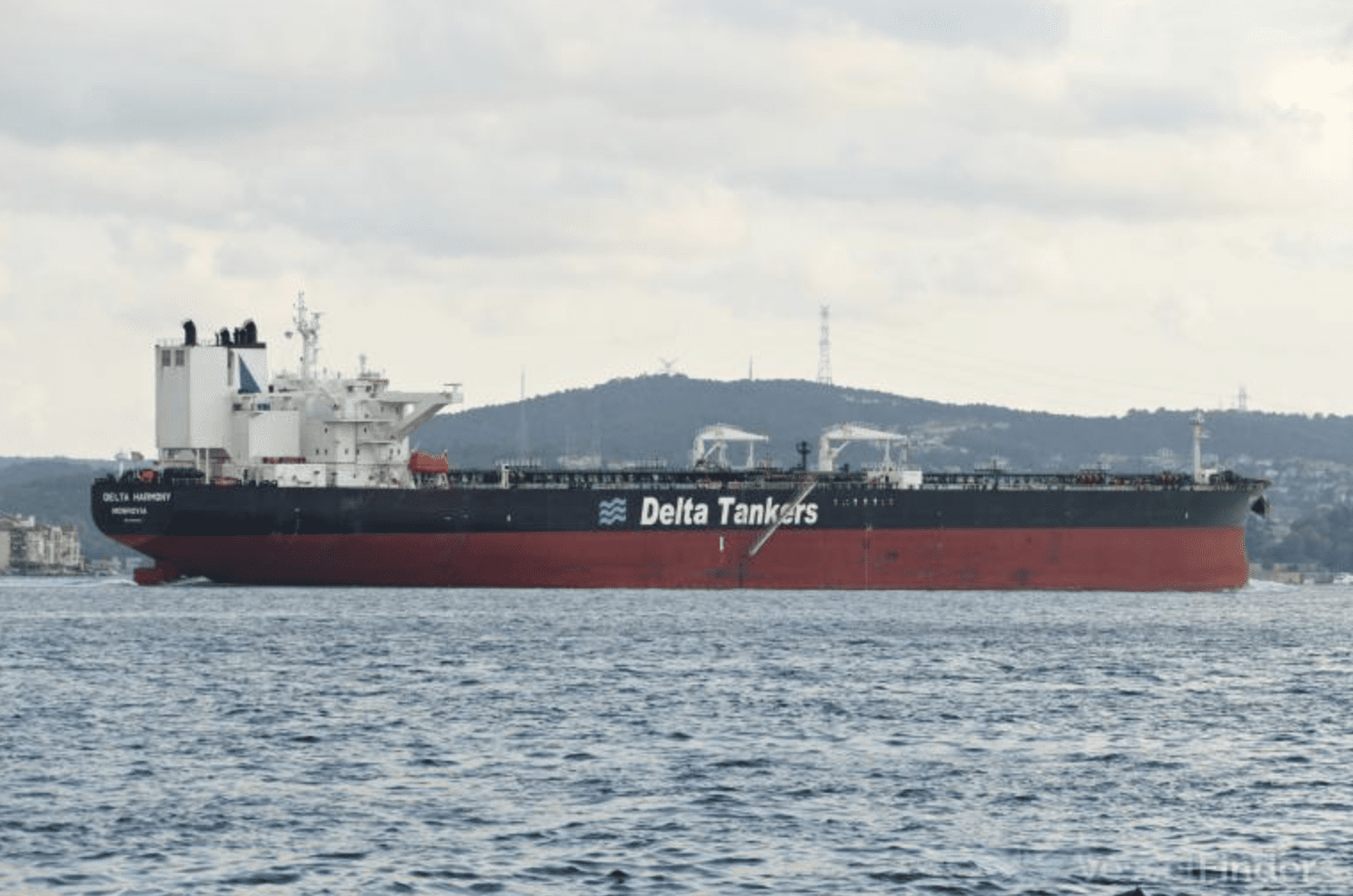
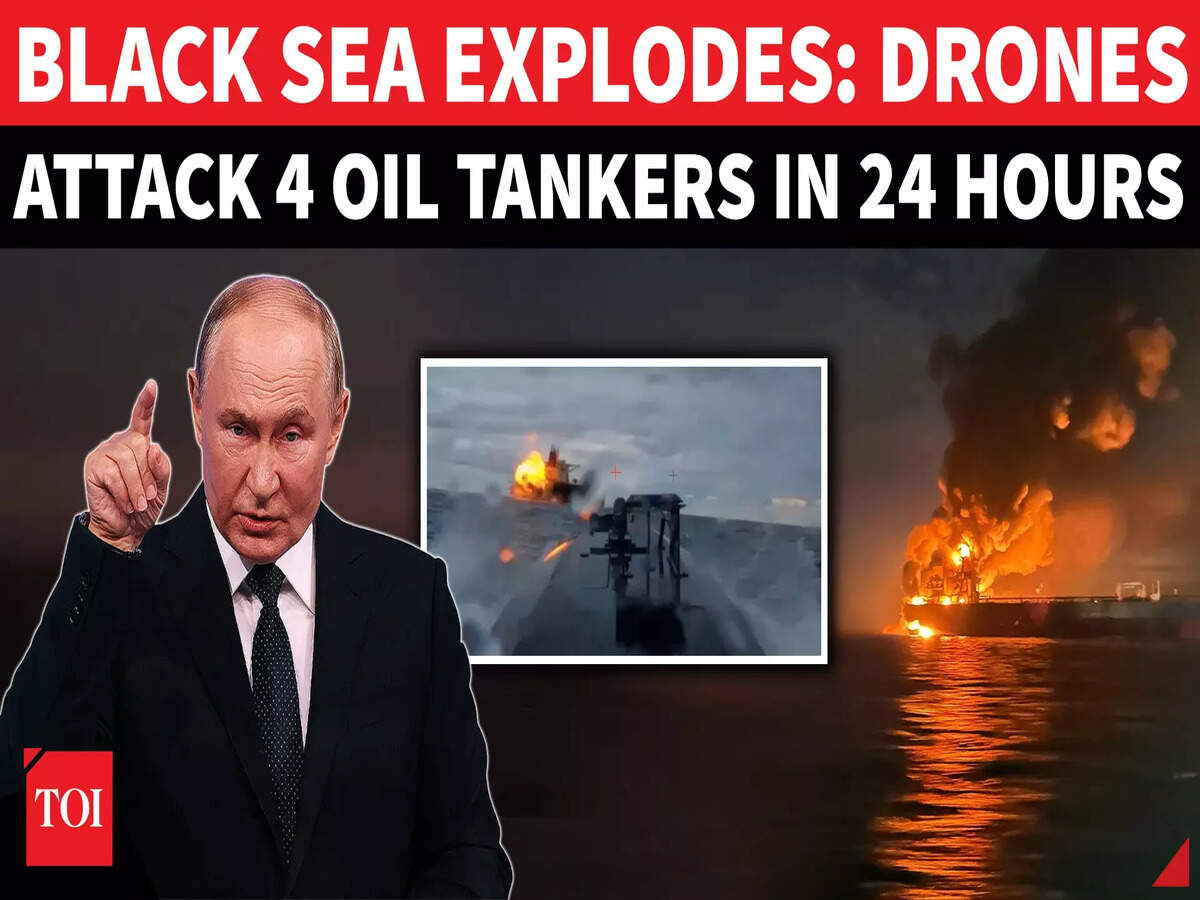
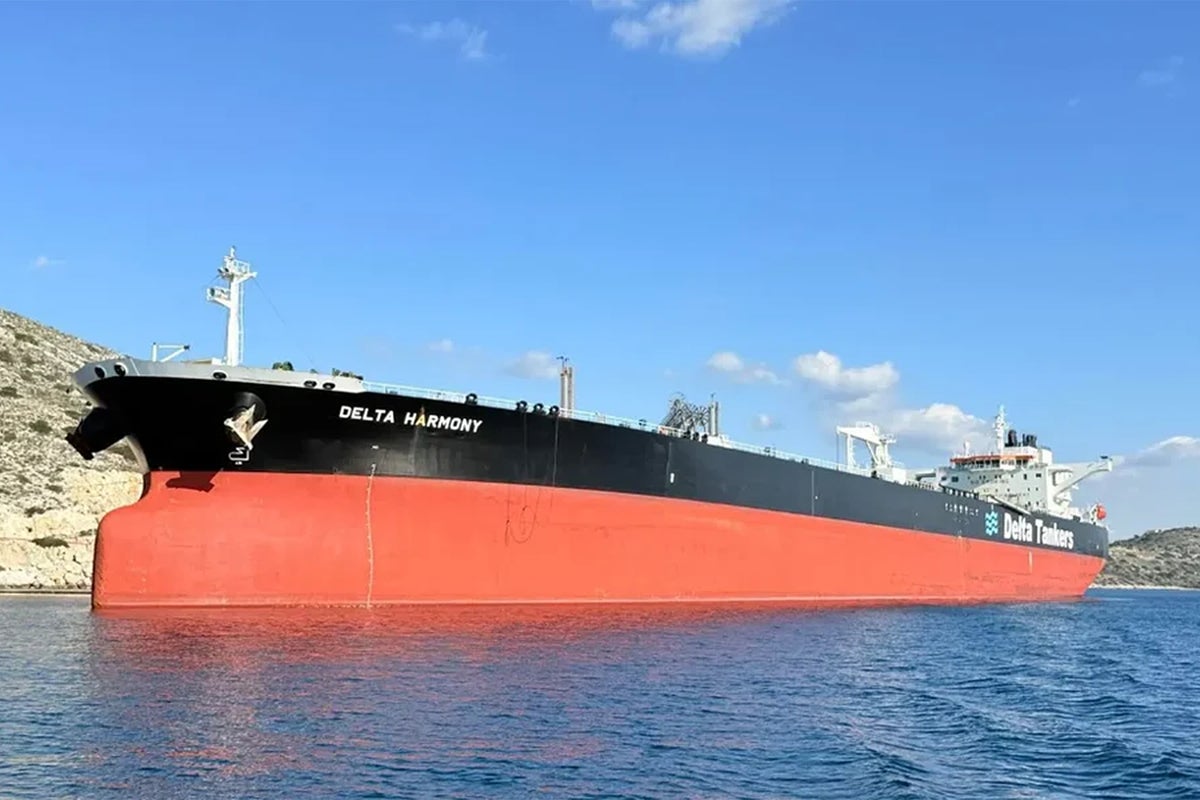
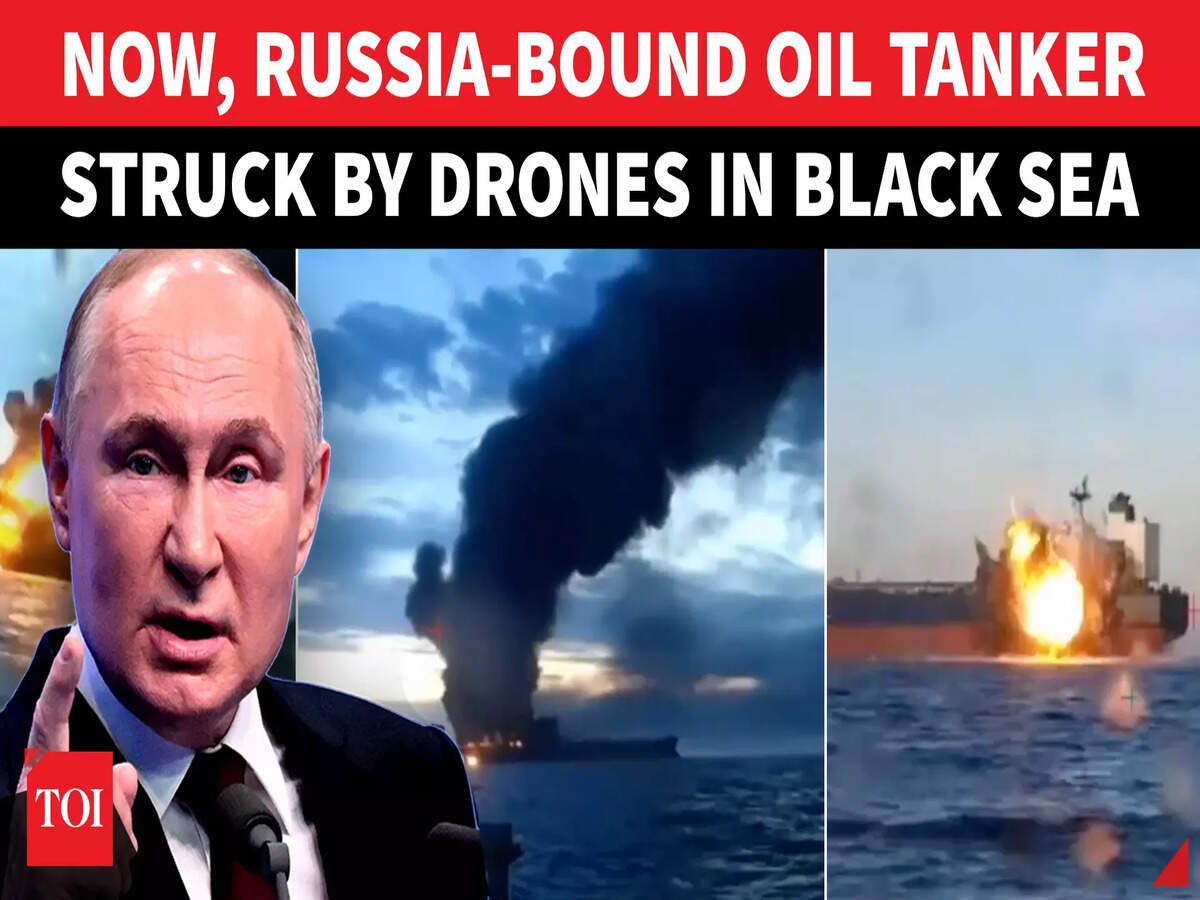
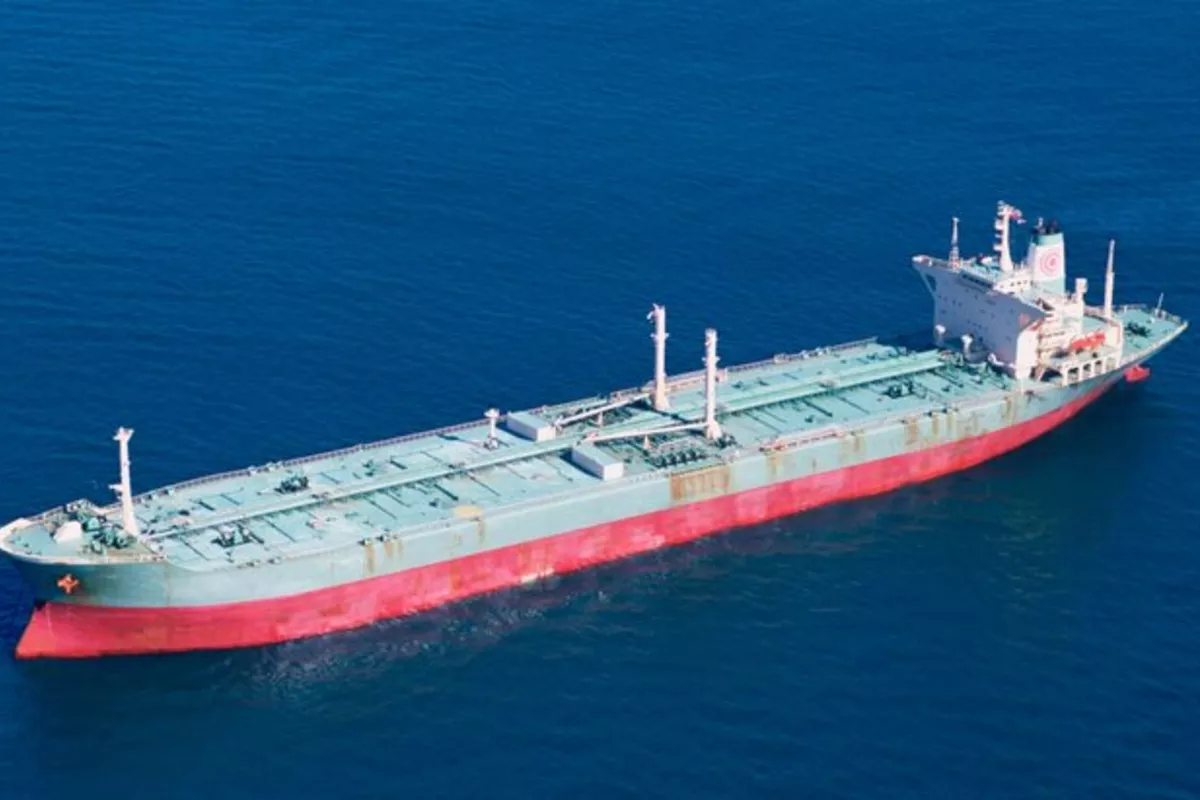
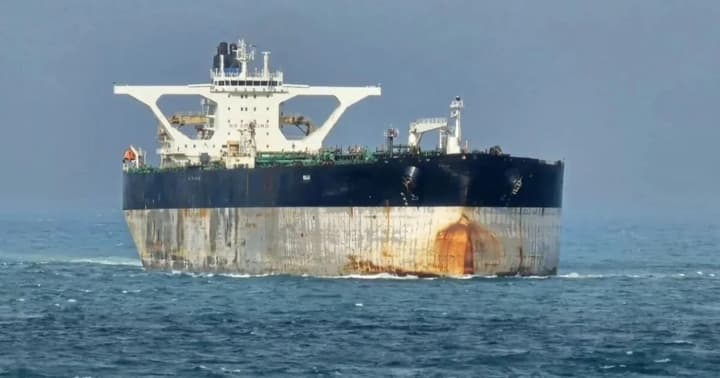
The recent drone attacks on oil tankers in the Black Sea represent a critical inflection point for international cross-border logistics and energy supply chains. On January 13, 2026, multiple Greek-managed tankers including Delta Harmony and Matilda were targeted near the Caspian Pipeline Consortium (CPC) terminal, causing immediate market volatility and signaling escalating geopolitical risks.
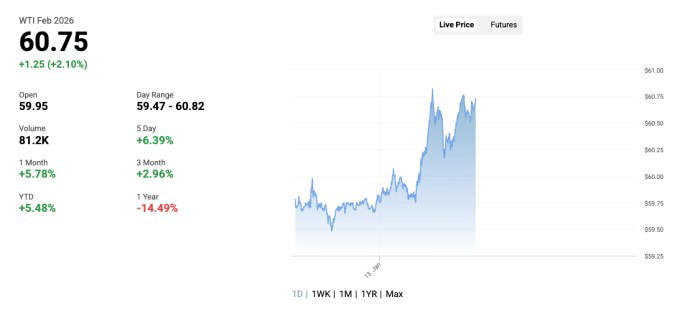
Strategic Implications for Cross-Border Sellers: The attacks directly impact global shipping infrastructure, with immediate consequences for international traders. Kazakhstan's oil production has plummeted 35% between January 1-12, while the CPC terminal—handling approximately 80% of regional crude exports—operates at limited capacity. WTI and Brent crude prices surged 2.1% and 1.9% respectively, indicating potential cost cascades across supply chains.
Operational Risk Assessment: Cross-border sellers must recognize this event as more than an energy sector disruption. The maritime strikes signal broader supply chain vulnerabilities, particularly in geopolitically sensitive regions. Shipping insurance premiums are expected to increase 15-25%, while maritime route security becomes a critical risk management consideration. Companies engaged in international logistics must immediately:
- Diversify shipping routes
- Review maritime insurance coverage
- Develop comprehensive contingency plans
- Monitor geopolitical tension indicators
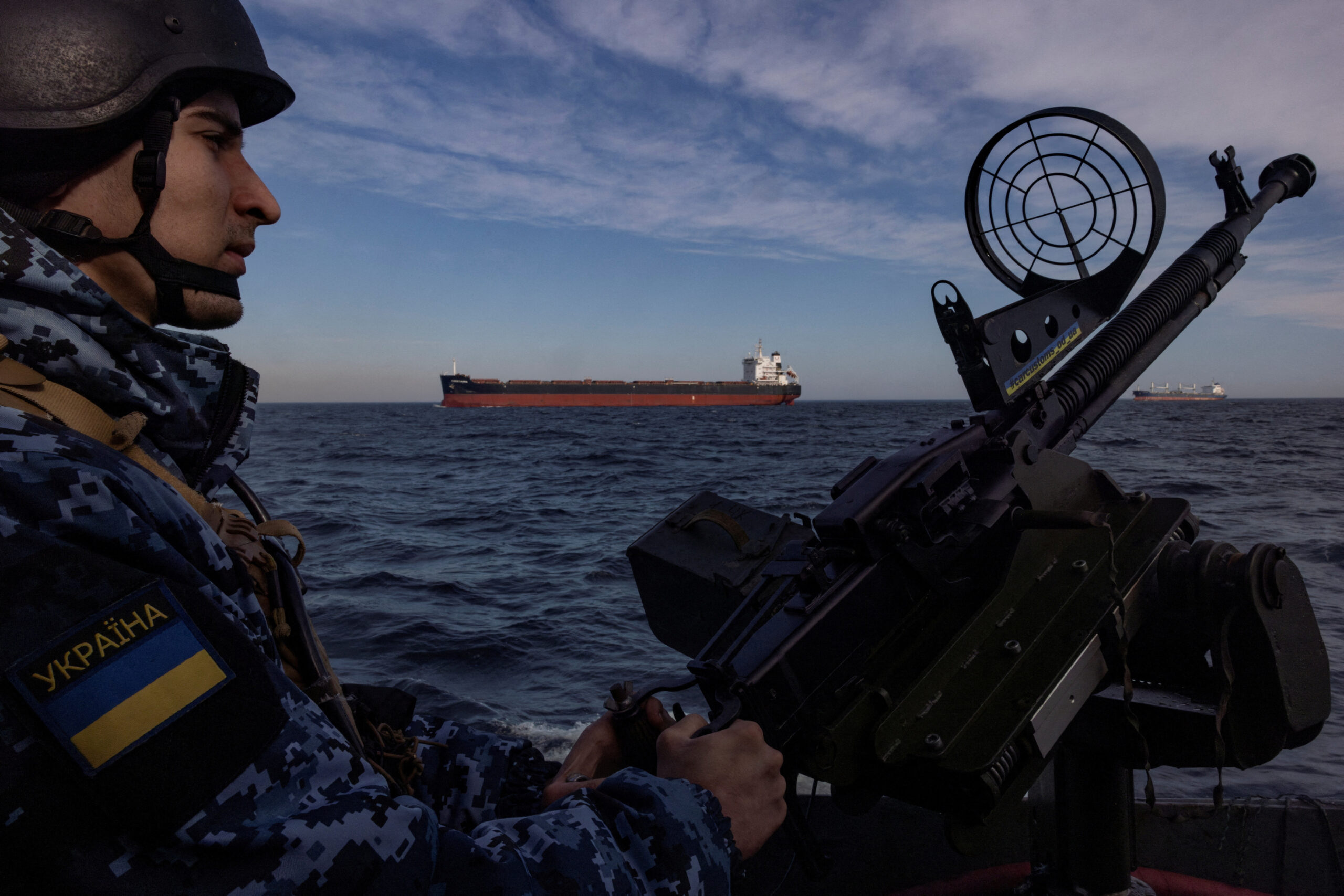
Market Adaptation Strategies: The ongoing Ukraine-Russia conflict creates unprecedented uncertainty for global trade infrastructure. With over 2% of global crude transportation potentially compromised, sellers must proactively reassess sourcing strategies, logistics networks, and risk mitigation protocols. The attacks underscore the critical need for adaptive, resilient supply chain management in an increasingly volatile global marketplace.
問題 4
Which global regions are most affected by these maritime attacks?
The Black Sea region, particularly areas around the Caspian Pipeline Consortium terminal near Novorossiysk, is most directly impacted. However, the effects ripple across global energy markets, with potential consequences for international trade routes, shipping logistics, and oil pricing.
How significant is the oil supply disruption caused by these attacks?
The attacks have disrupted approximately 2% of global crude transportation, with Kazakhstan's oil production dropping 35% in early January. This reduction, combined with increased market uncertainty, has already triggered a 2.1% surge in WTI crude prices and a 1.9% increase in Brent crude pricing.