


Resilience in Adversity: How the Packers Redefine Team Performance After Star Player's Injury
- Defensive strategy transformation signals organizational adaptability in professional sports











概览
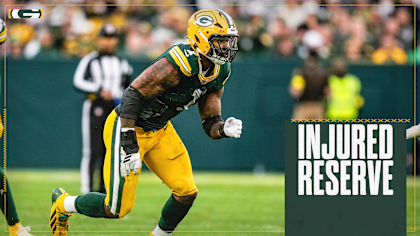
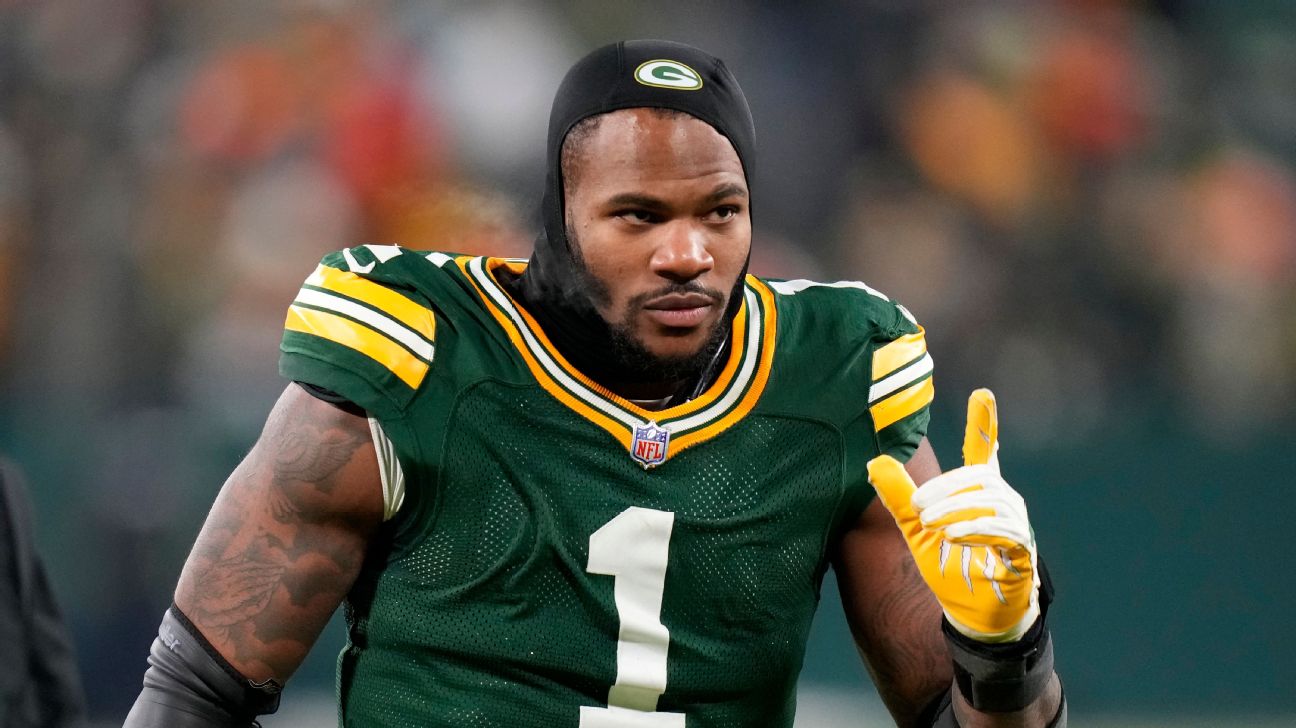
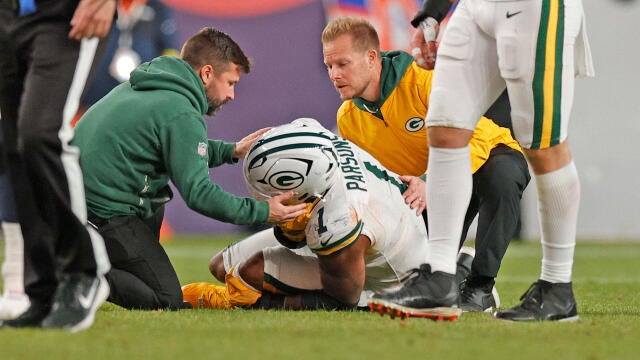
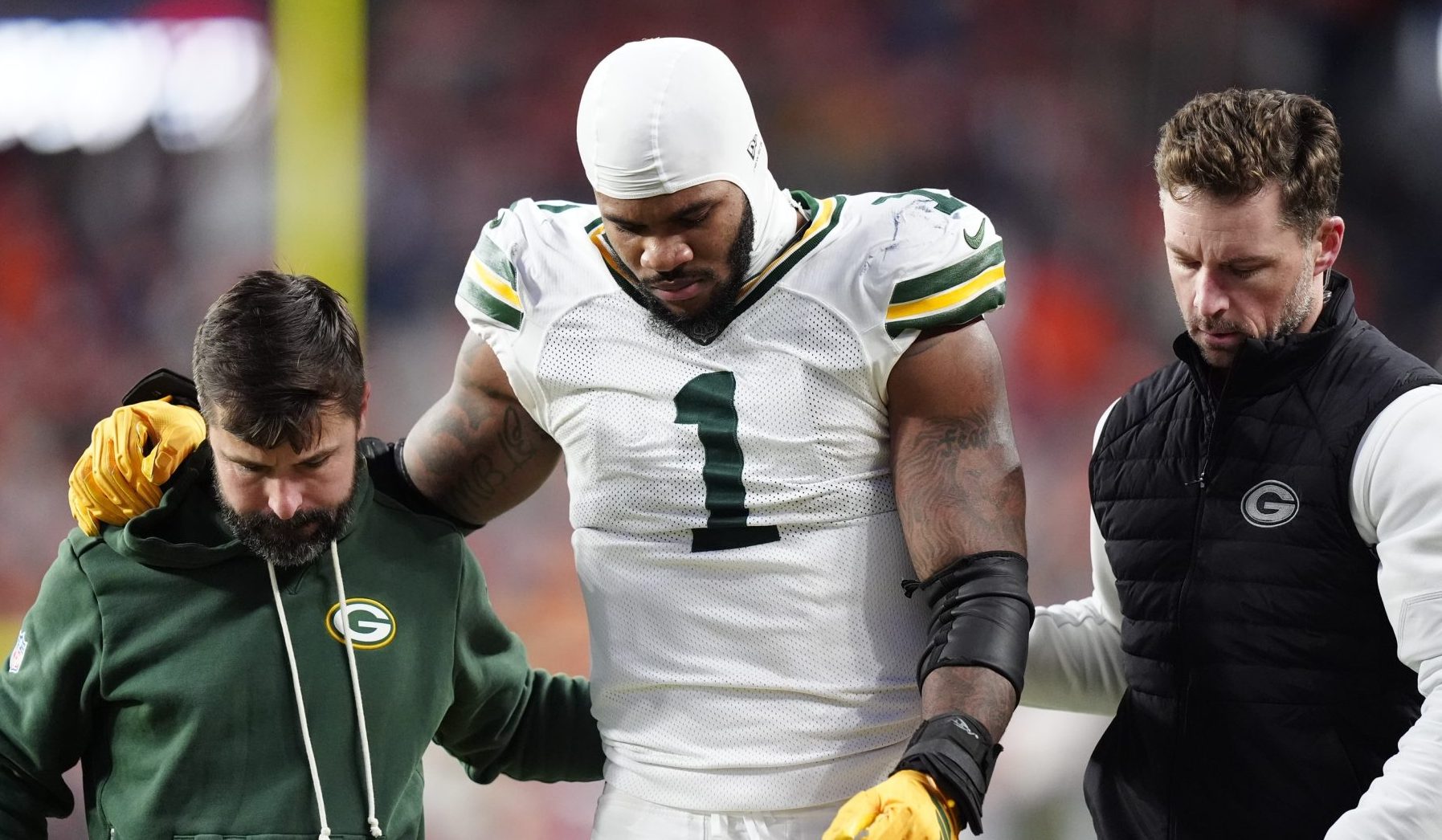
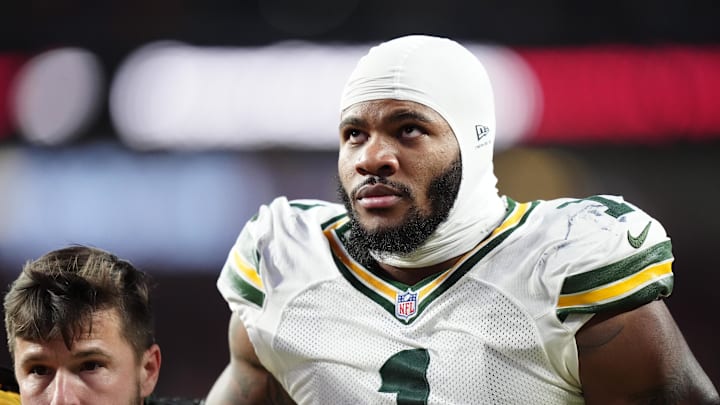
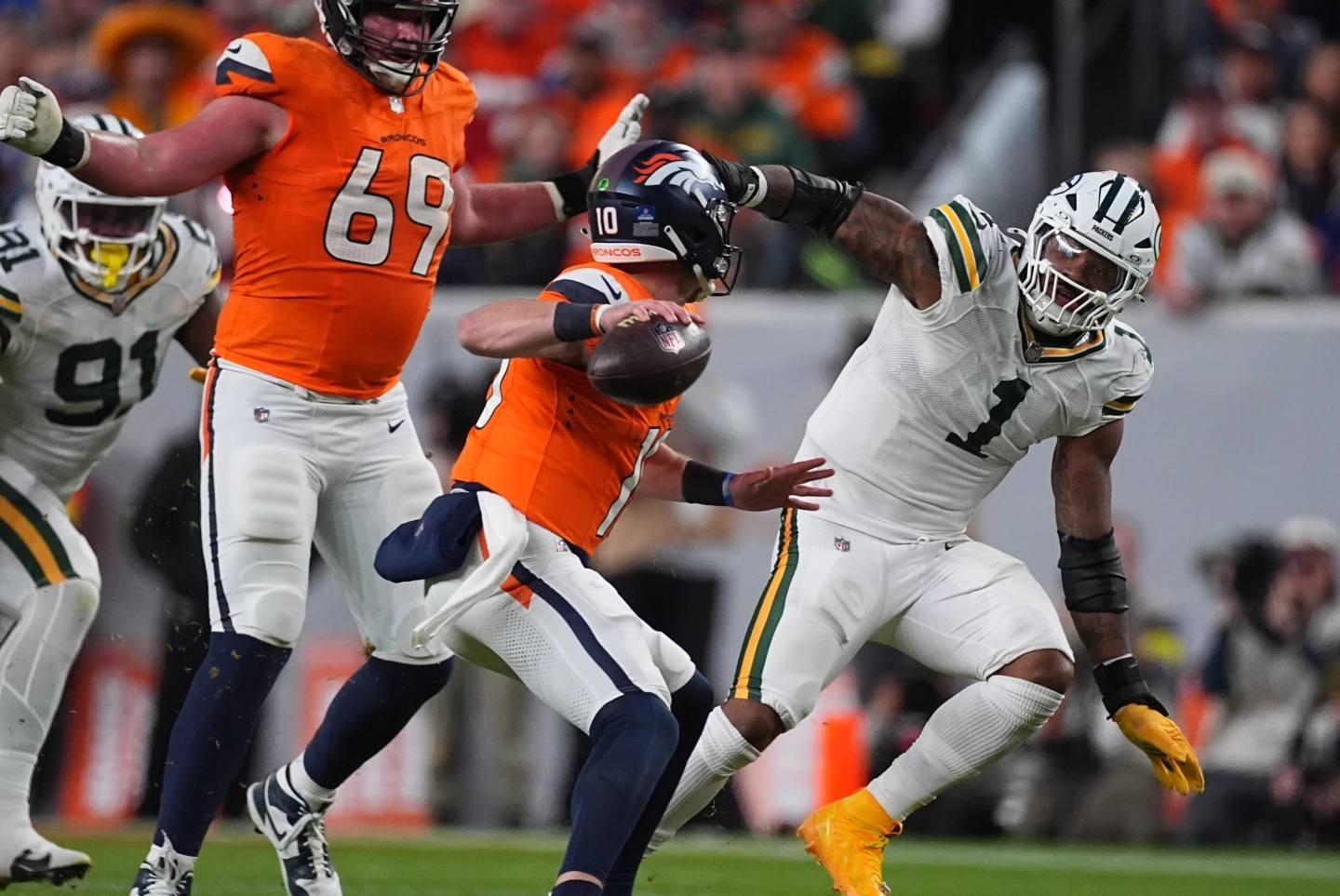
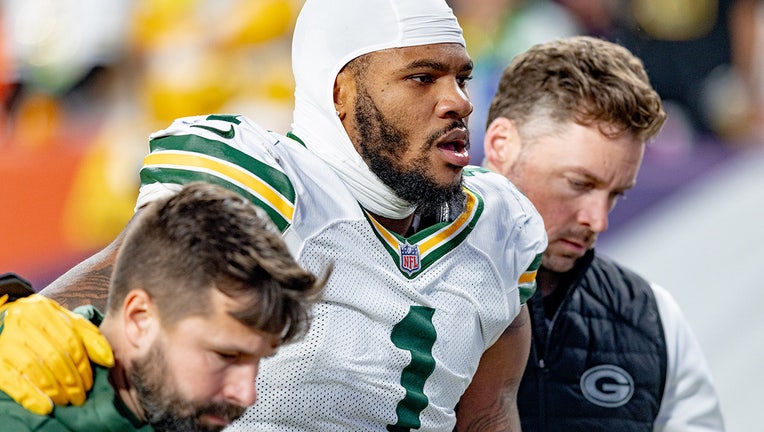
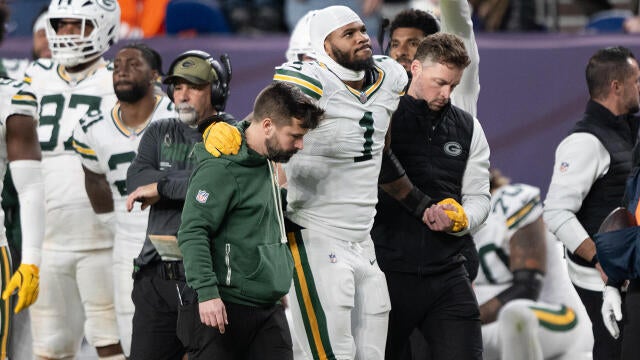
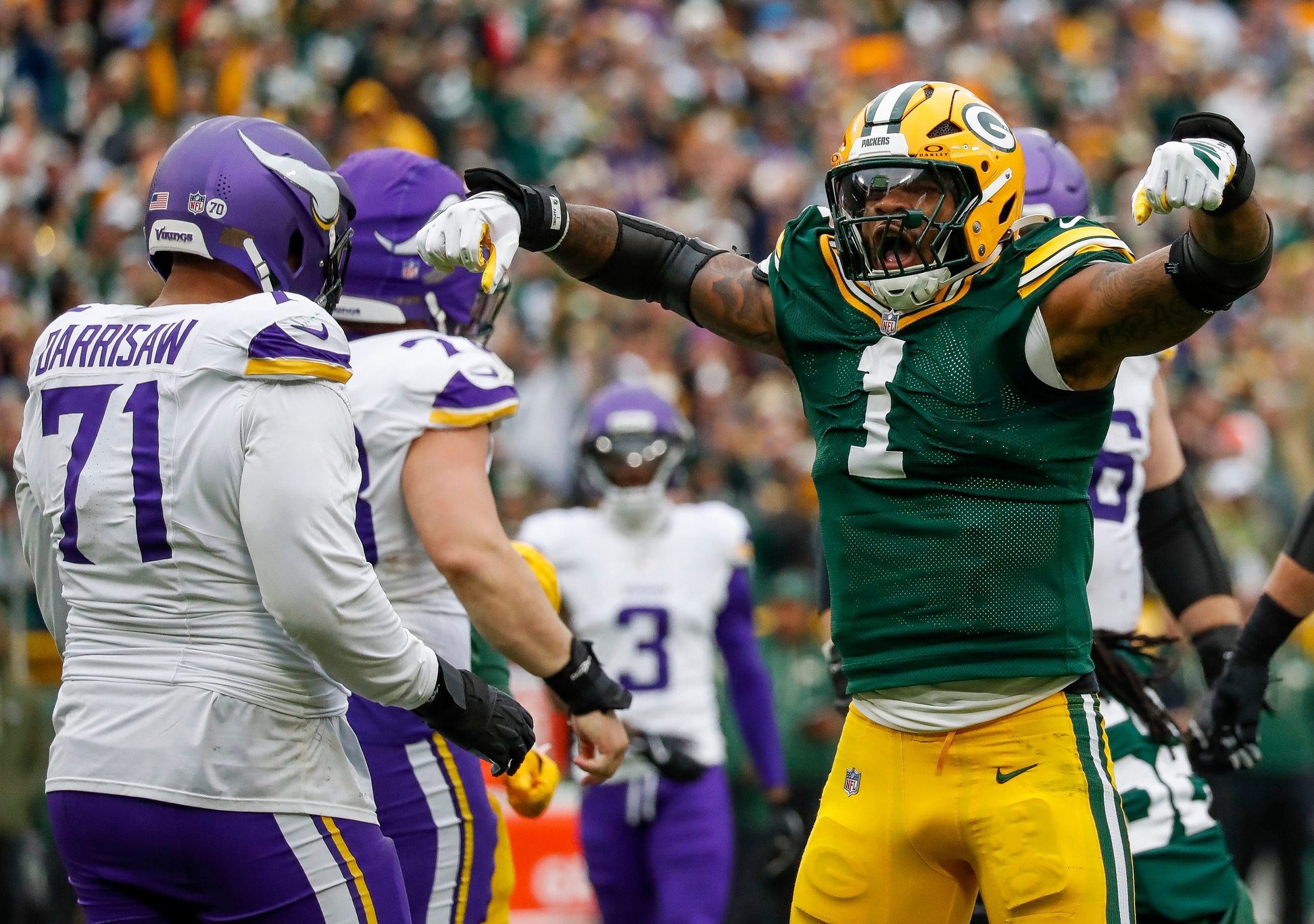
The Green Bay Packers are demonstrating a masterclass in organizational resilience following Micah Parsons' season-ending ACL injury, revealing a profound blueprint for navigating unexpected challenges in professional sports. Despite losing a defensive powerhouse who had accumulated 12.5 sacks and 83 Next Gen Stat pressures in the first 15 weeks, the team's leadership has transformed potential crisis into an opportunity for collective growth.
Defensive Coordinator Jeff Hafley has emerged as the strategic architect of this resilience, implementing a philosophy that transcends individual player limitations. His approach is not merely about replacing Parsons, but fundamentally reimagining defensive dynamics. By emphasizing that "we can't let circumstances dictate our behavior," Hafley is cultivating a team psychology that views challenges as catalysts for innovation rather than insurmountable obstacles.
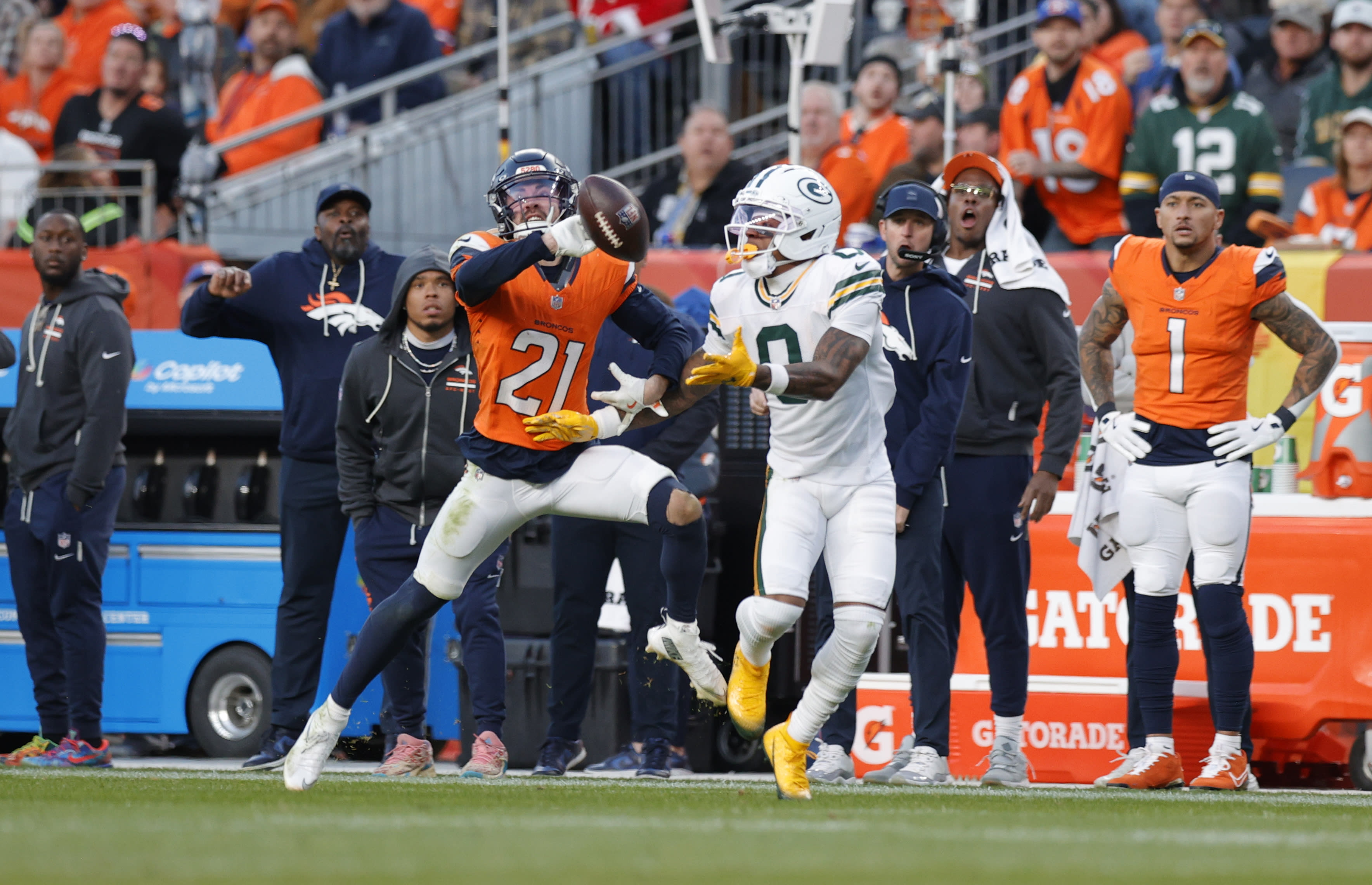
The Packers' response reveals a multi-layered strategy: tactical flexibility, psychological reframing, and long-term player development. With players like Xavier McKinney, Edgerrin Cooper, and Evan Williams stepping up, the team is demonstrating remarkable depth. The organization's first top-five total defense ranking in 15 years underscores that this is not just about surviving Parsons' absence, but potentially emerging stronger.
Remarkably, Hafley's bold prediction of Parsons potentially breaking the NFL sack record in 2026 signals more than optimism—it represents a commitment to player rehabilitation and long-term potential. By maintaining confidence in Parsons' return and the team's collective capabilities, the Packers are rewriting the narrative of injury management in professional sports.
The strategic implications extend beyond this season: the team has transformed a potential setback into a proving ground for organizational resilience, team unity, and adaptive leadership. Their approach offers a compelling case study in turning unexpected challenges into opportunities for collective growth and performance enhancement.
問題 3
How are the Packers maintaining defensive performance after Micah Parsons' injury?
The Packers are leveraging a flexible defensive scheme developed by Jeff Hafley, promoting depth players like Xavier McKinney and rookies Edgerrin Cooper and Evan Williams. They've maintained their top-five total defense ranking by viewing the injury as an opportunity for collective growth rather than a limitation.
What makes Jeff Hafley's leadership approach unique in handling team adversity?
Hafley emphasizes a psychological approach that refuses to let circumstances dictate team behavior. He maintains team morale by focusing on collective potential, expressing confidence in player recovery, and creating opportunities for other team members to step up and contribute.