



Geopolitical Powder Keg: India-Bangladesh Relations Unravel Amid Electoral Uncertainty
- Diplomatic breakdown signals critical regional instability threatening economic and strategic partnerships









)







概览
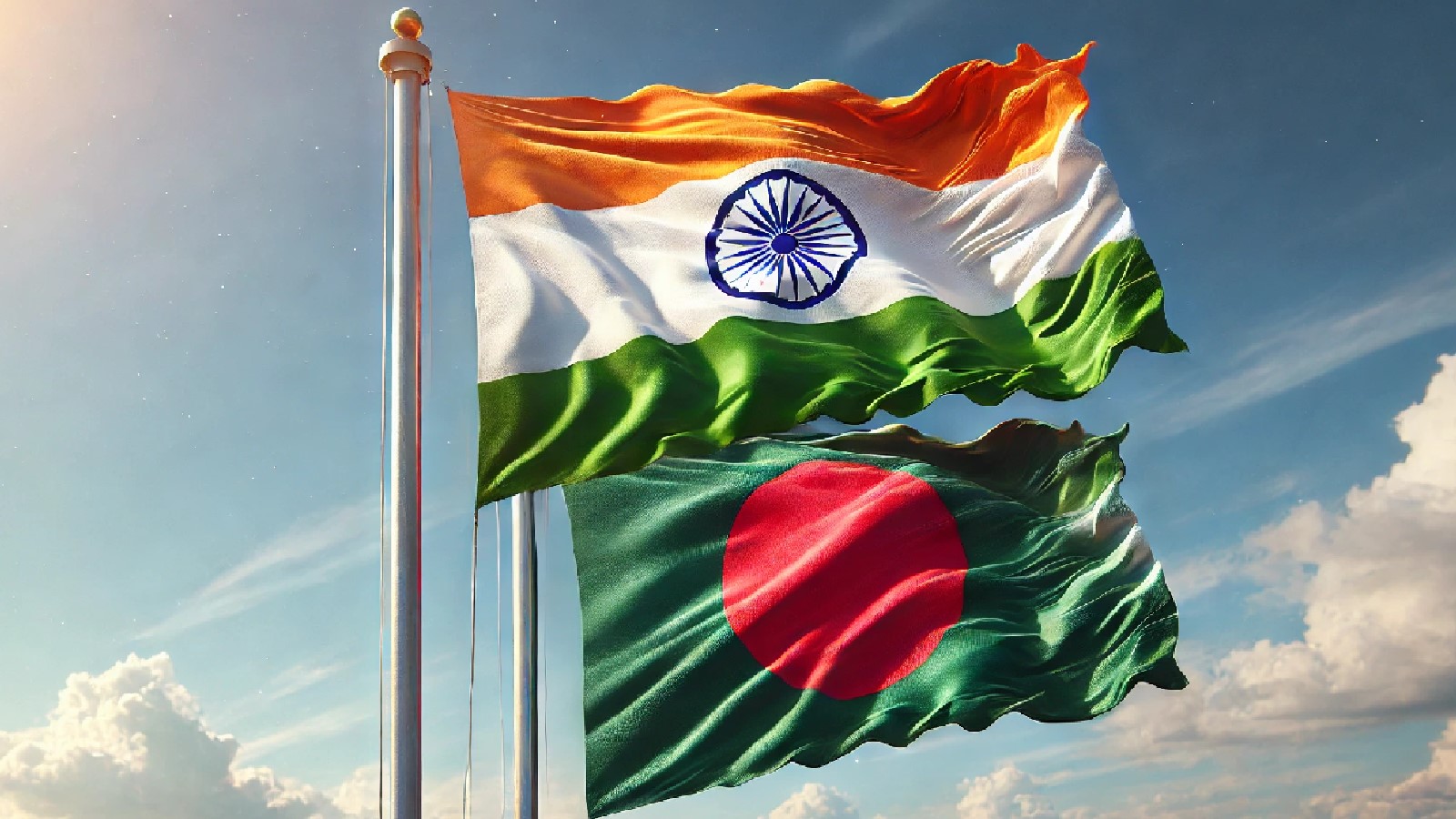
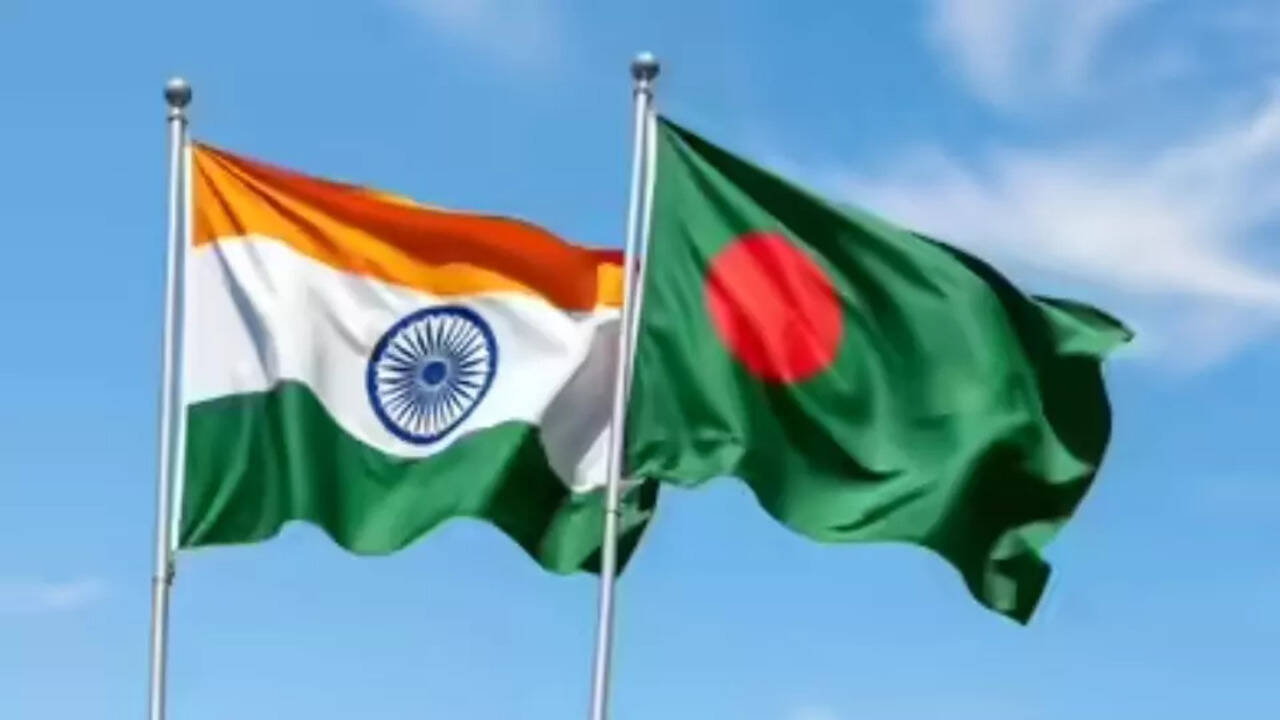
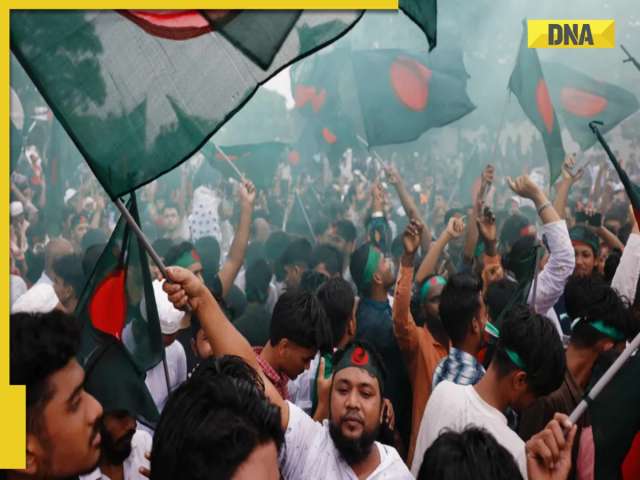
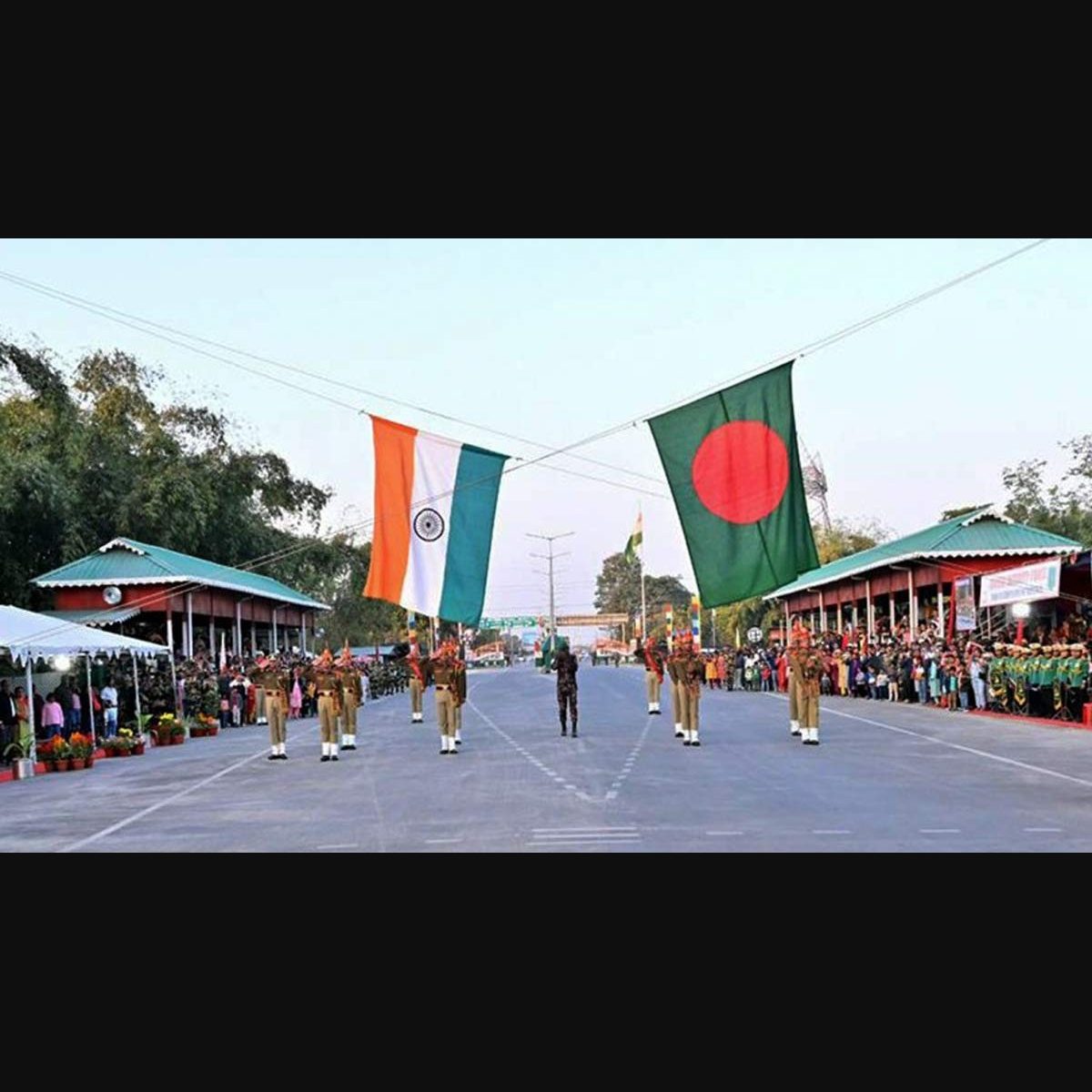
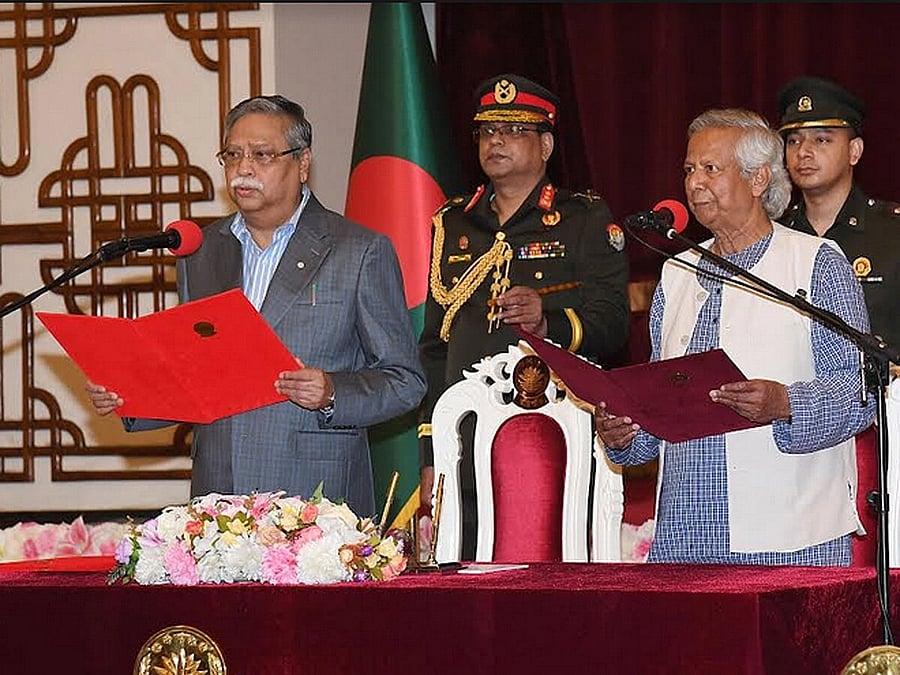
The India-Bangladesh diplomatic landscape is experiencing a profound and dangerous reconfiguration, marked by escalating tensions that threaten regional stability and cross-border economic relationships. At the epicenter of this geopolitical crisis is the political exile of Sheikh Hasina and the interim government led by Muhammad Yunus, which has fundamentally altered the bilateral dynamic.
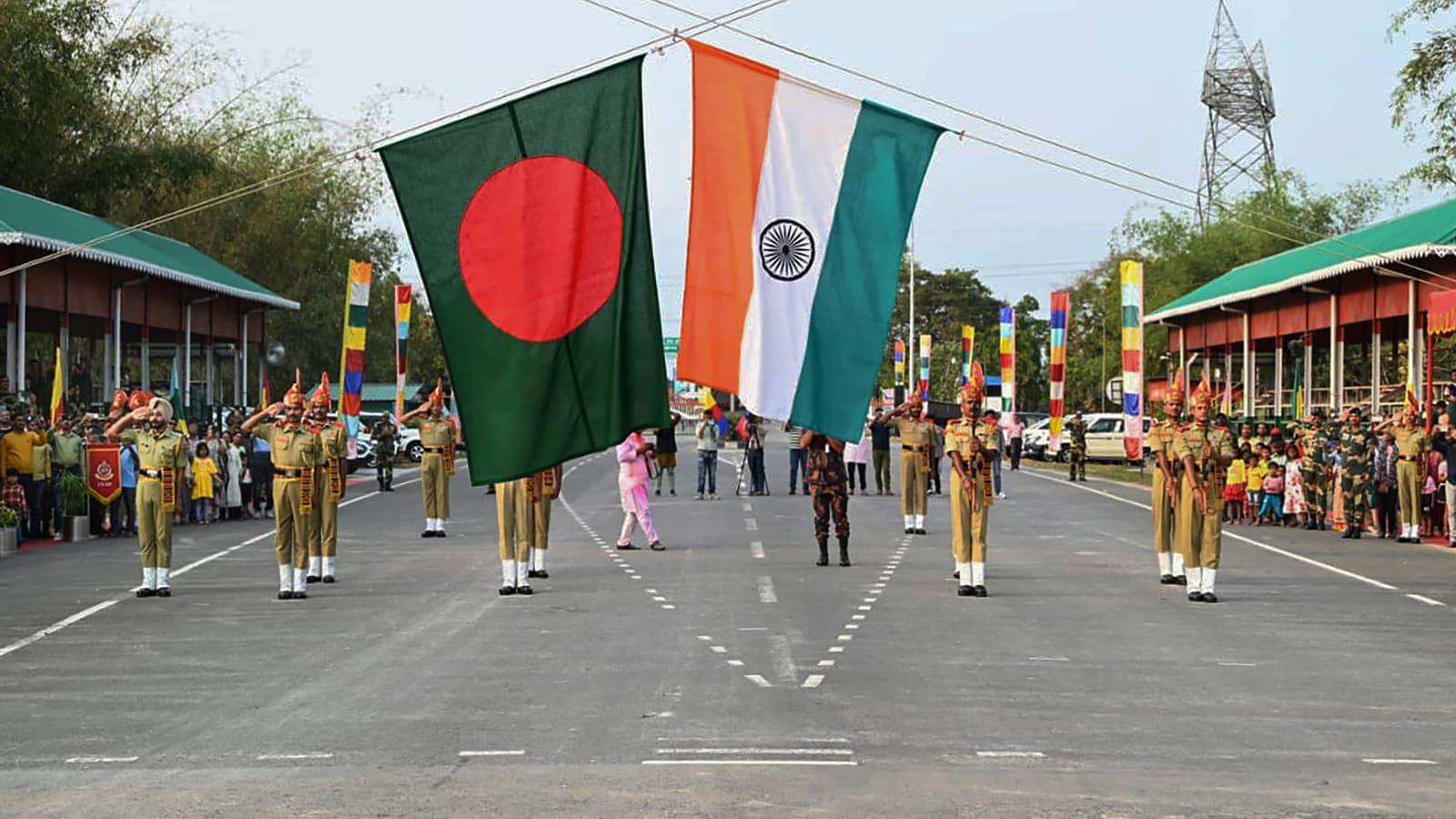
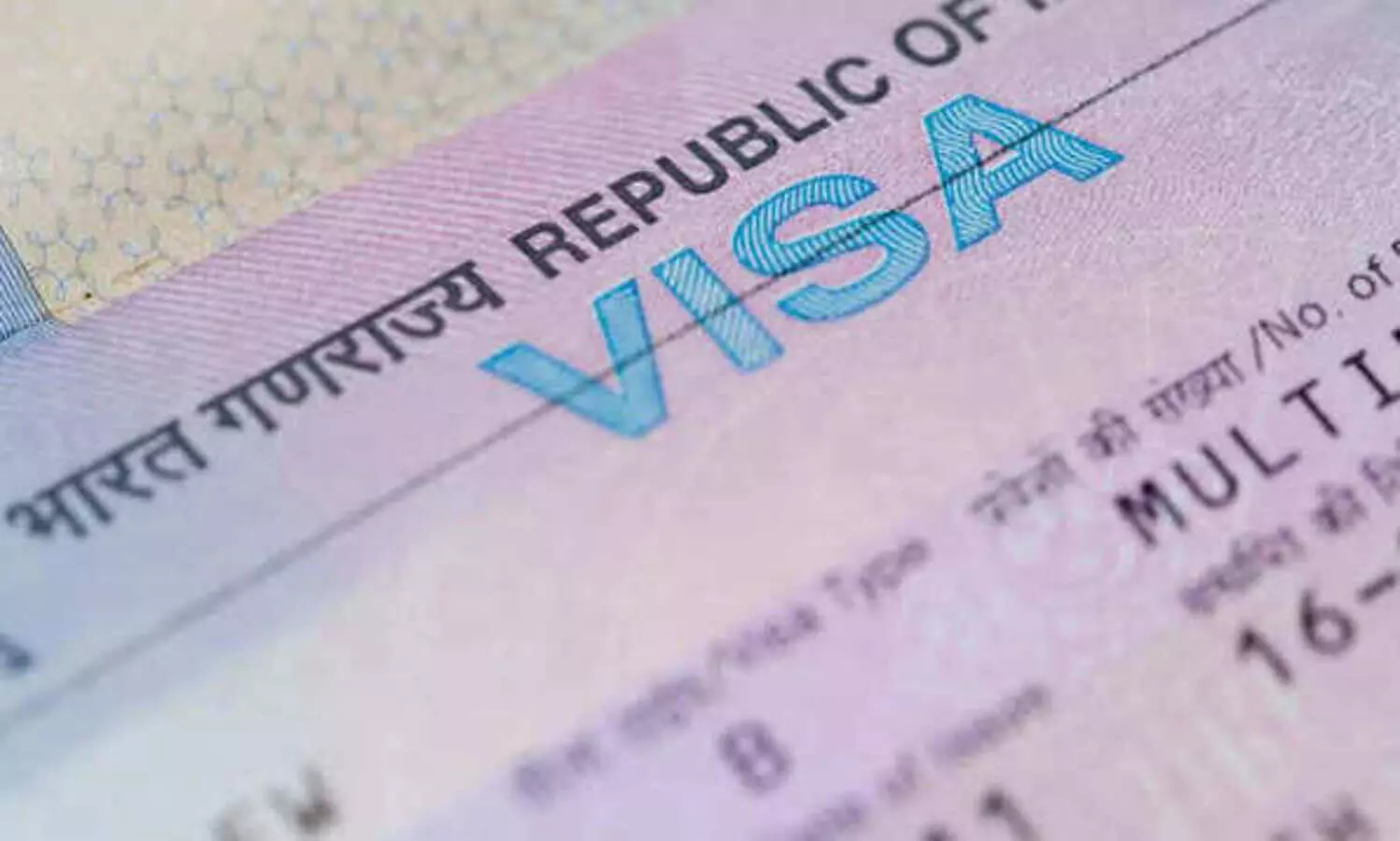
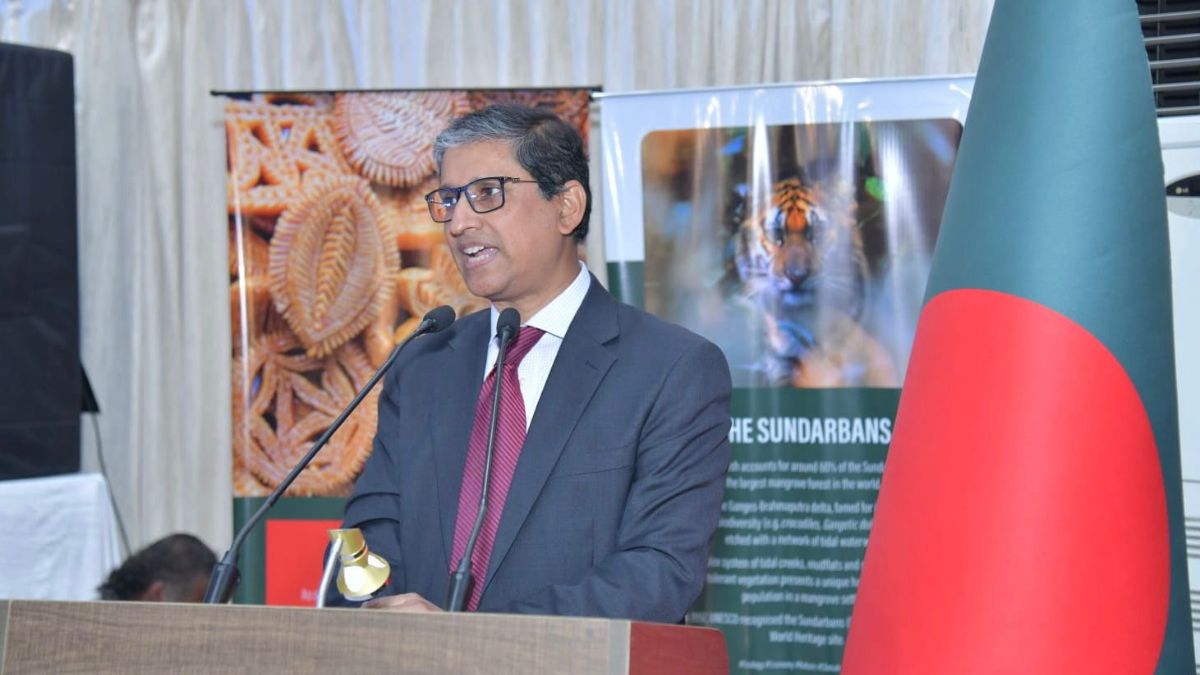
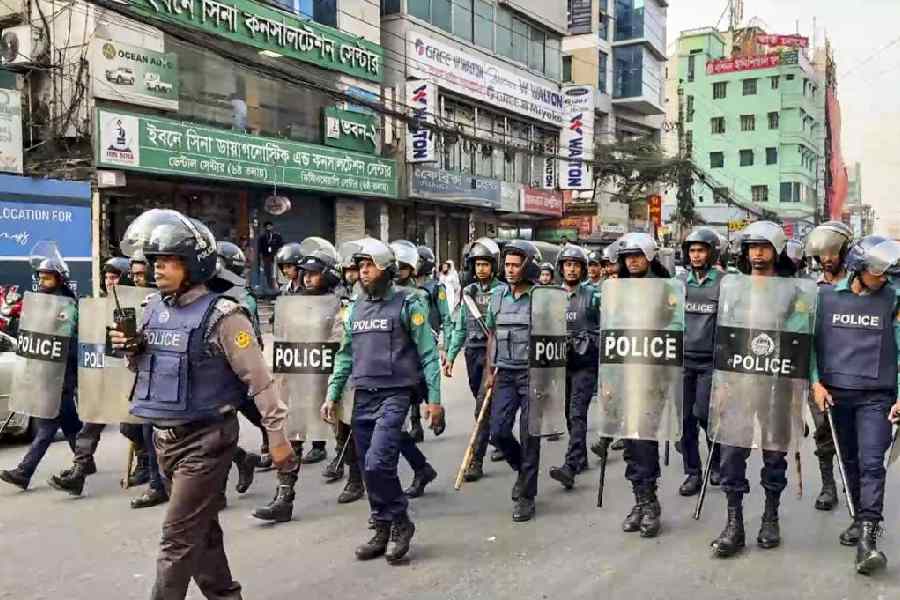
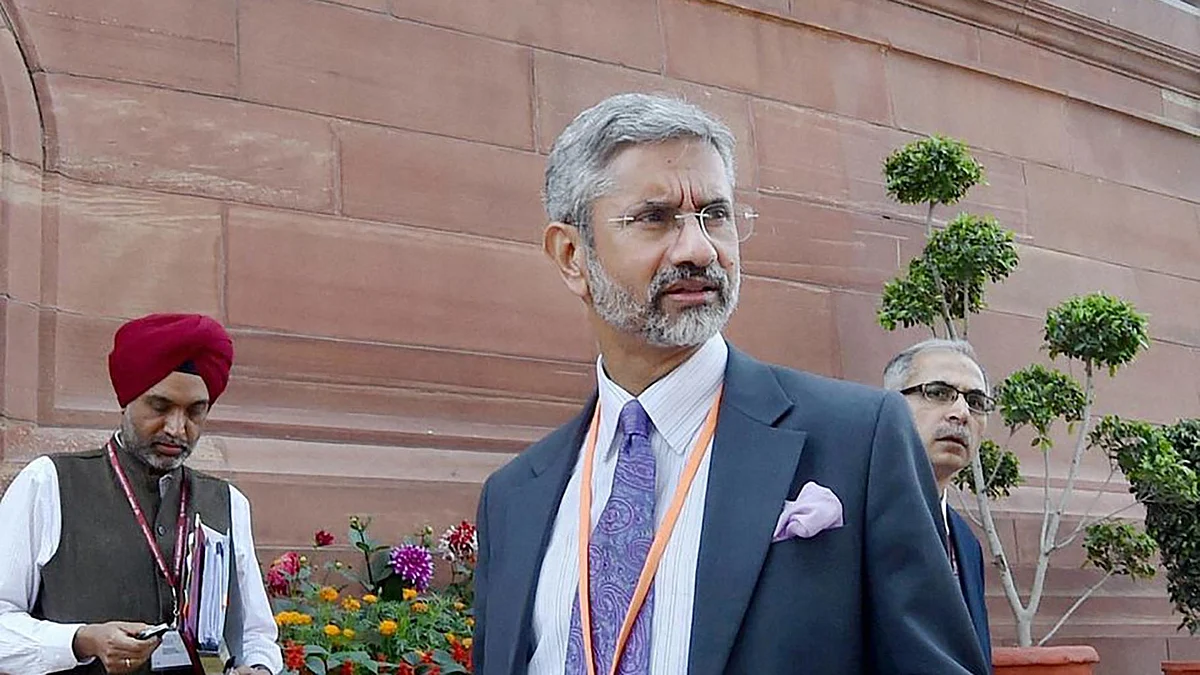
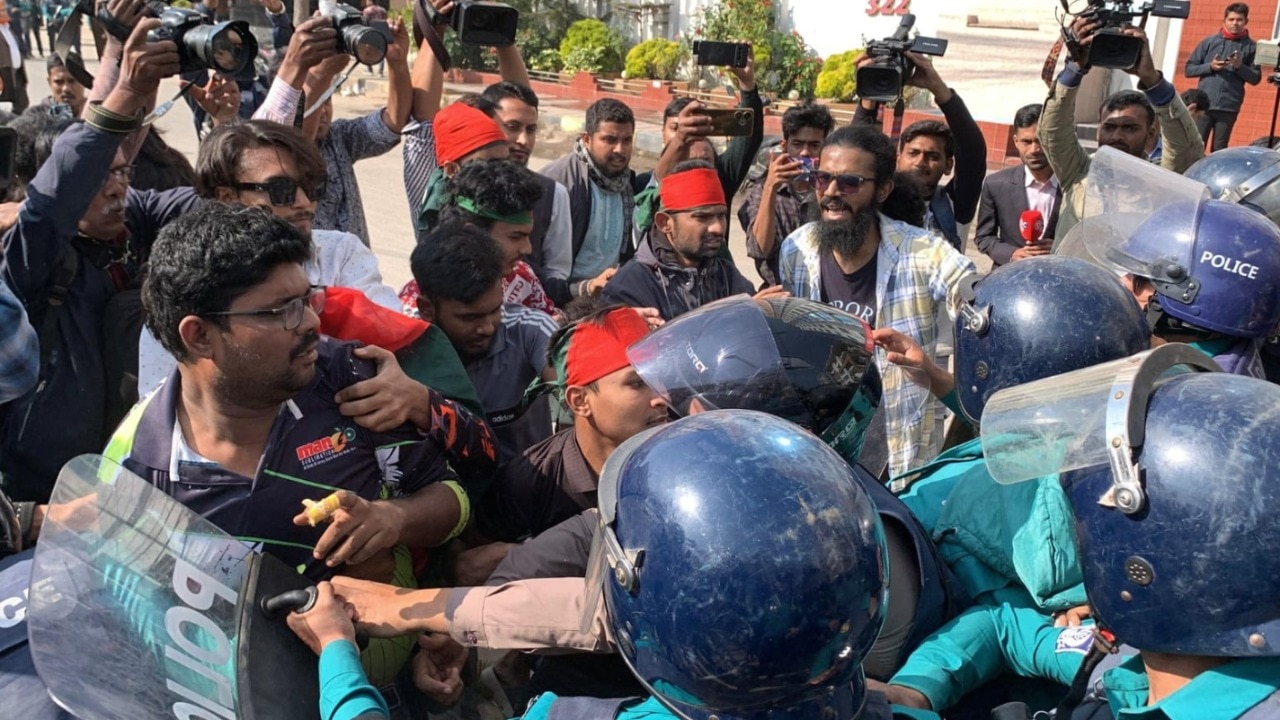
Strategic Diplomatic Breakdown: India has taken unprecedented steps to signal its displeasure, including the closure of visa centers in Bangladesh's Rajshahi and Khulna regions and summoning the Bangladeshi High Commissioner. These actions represent more than routine diplomatic friction—they signal a potential fundamental realignment of regional geopolitical relationships. The interim government's apparent pivot towards Pakistan is particularly alarming, potentially disrupting decades of strategic understanding between India and Bangladesh.
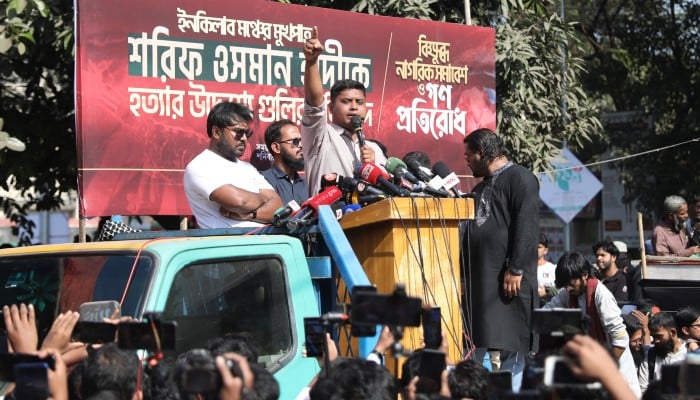
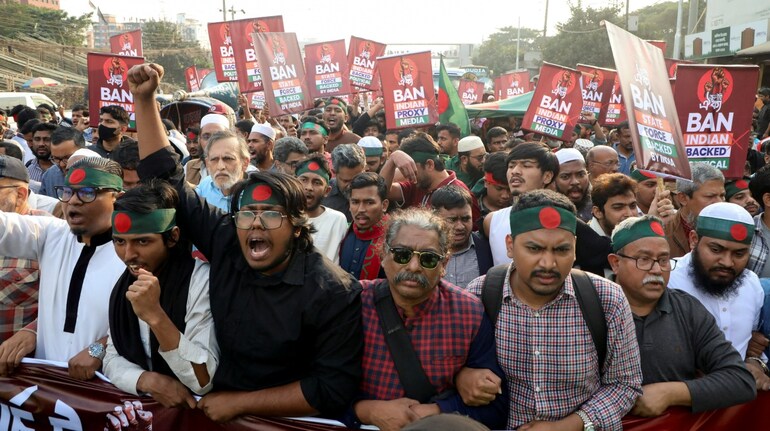
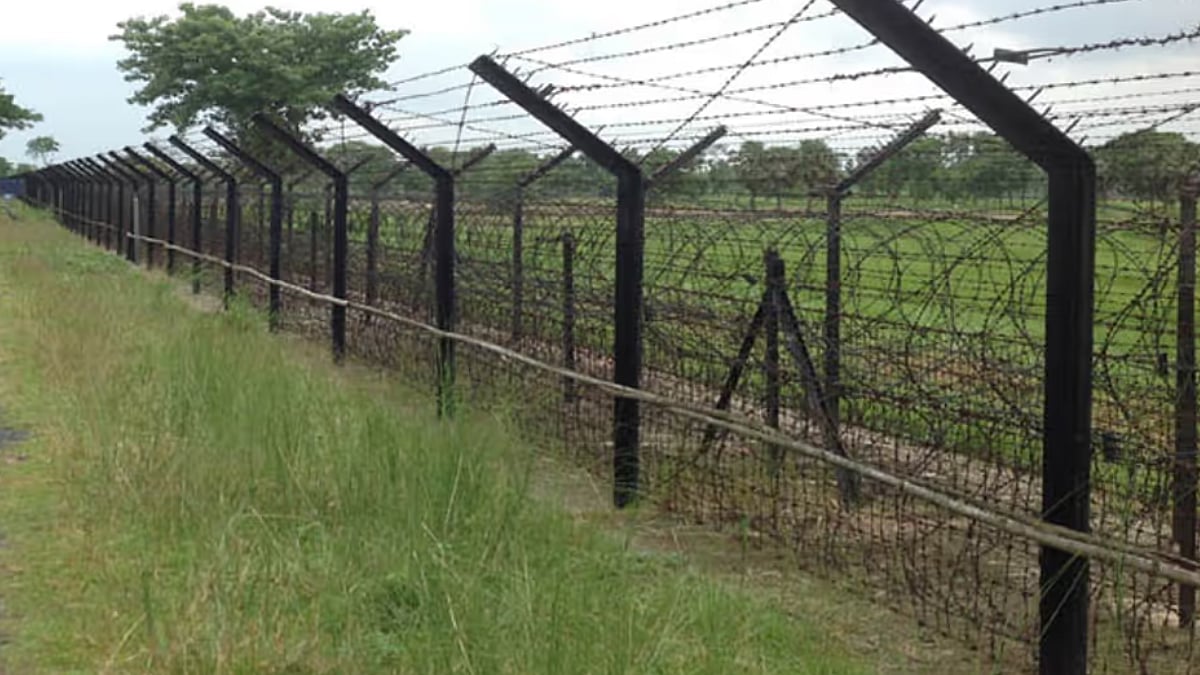
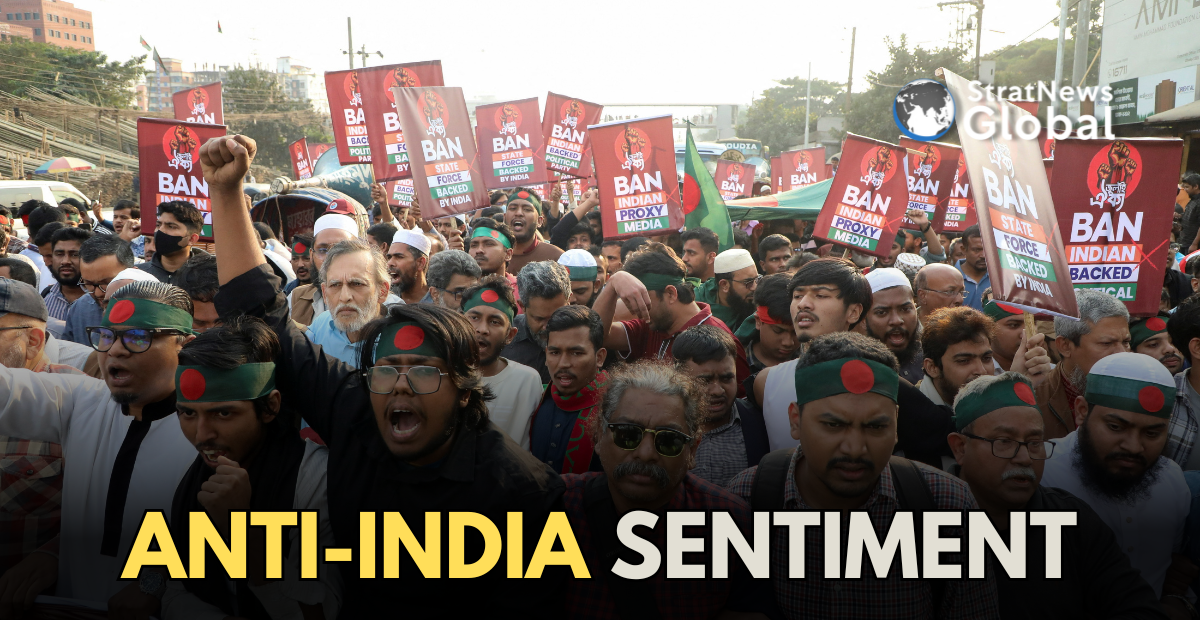
The upcoming February 12 elections serve as a critical inflection point. With radical elements like the National Citizens Party making provocative statements about India's northeastern states, the potential for escalation is significant. The diplomatic row has already manifested in concrete actions: India has suspended visa application centers, Bangladesh has requested Hasina's extradition, and tensions continue to mount.
The most concerning aspect is the potential for systemic instability. Observers suggest that radical groups backing the Yunus government might intentionally create security situations to prolong the interim administration's tenure. This strategy introduces a dangerous element of unpredictability into an already volatile diplomatic environment.
The implications extend far beyond bilateral relations. Cross-border trade, economic cooperation, and regional security are now at significant risk. Businesses and strategic planners must recognize that this is not merely a diplomatic spat, but a potential fundamental restructuring of geopolitical alignments in South Asia.
問題 3
What triggered the current diplomatic tensions between India and Bangladesh?
The tensions stem from Sheikh Hasina's exile, the interim government led by Muhammad Yunus, and provocative statements by radical groups like the National Citizens Party. India views the current political situation as a security threat, particularly regarding potential instability near its northeastern states.
How might these diplomatic tensions impact regional trade and economic cooperation?
The escalating tensions could significantly disrupt cross-border trade, potentially leading to increased economic barriers, reduced investment, and uncertainty for businesses operating in both markets. The suspension of visa centers and growing diplomatic friction signal potential long-term economic consequences.