


Google's Pixel Software Evolution: Precision Engineering Meets User Customization
- Signals a strategic shift towards granular device personalization and incremental performance optimization















概览
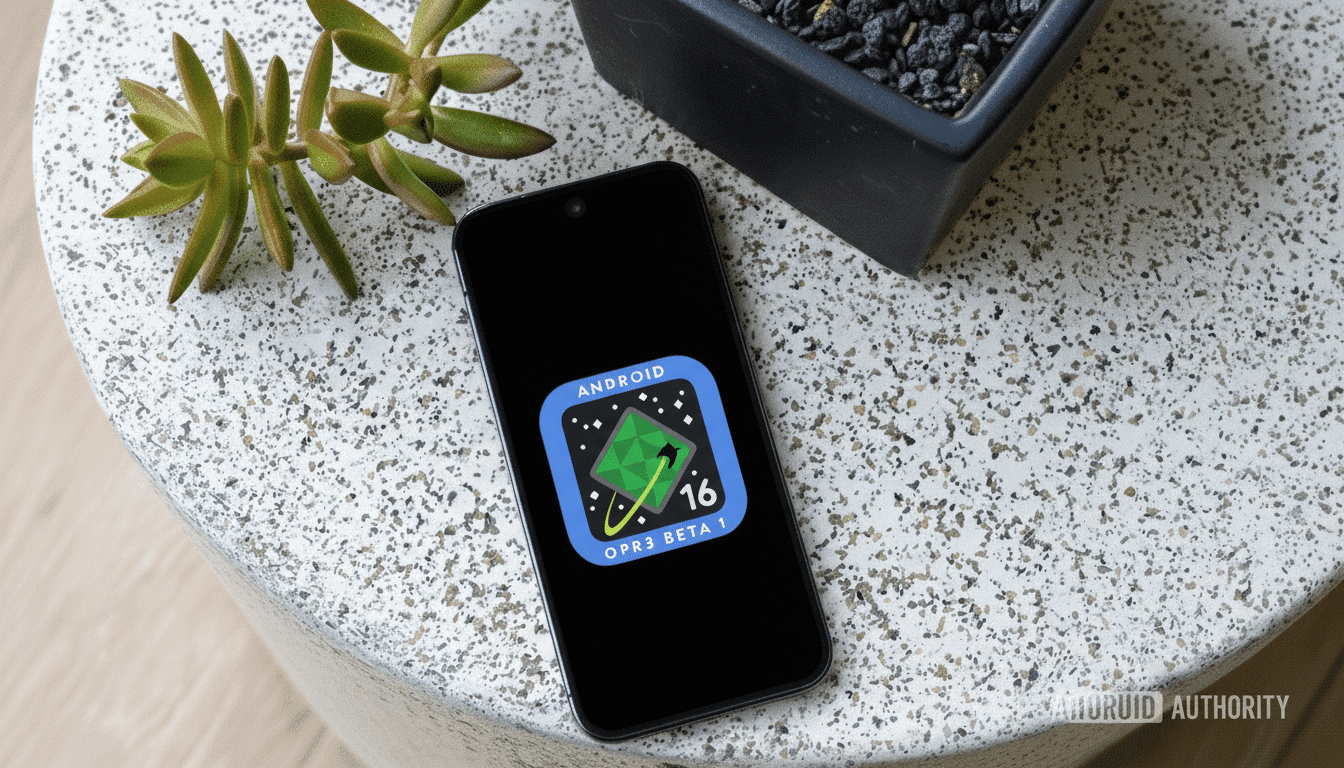
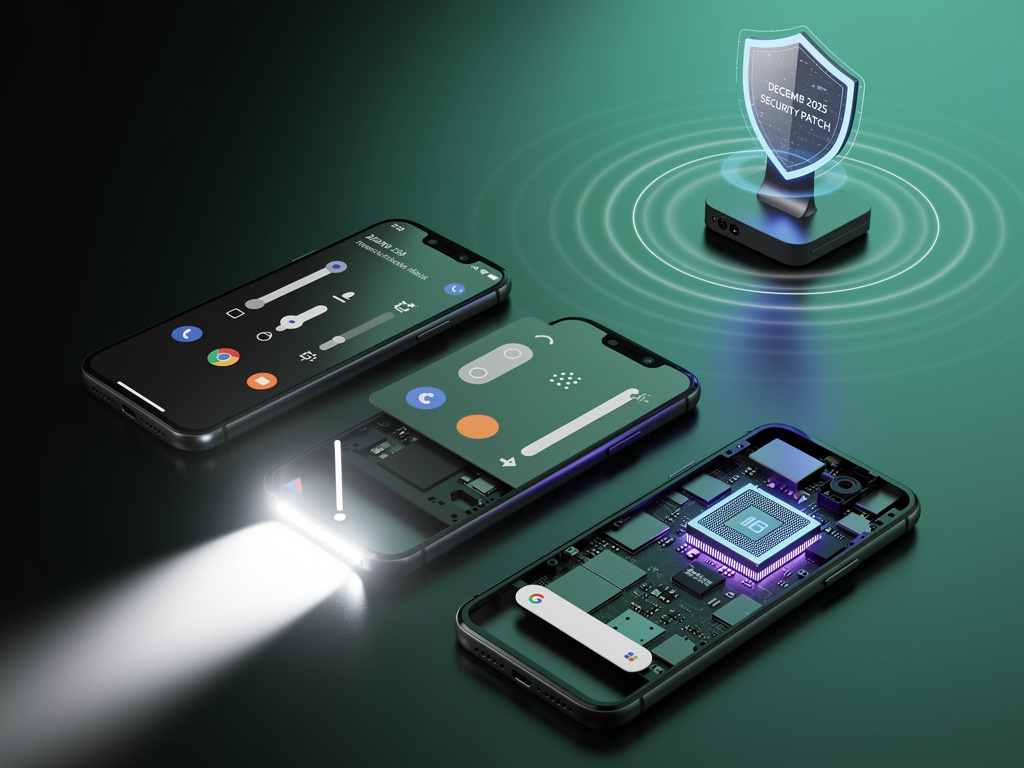
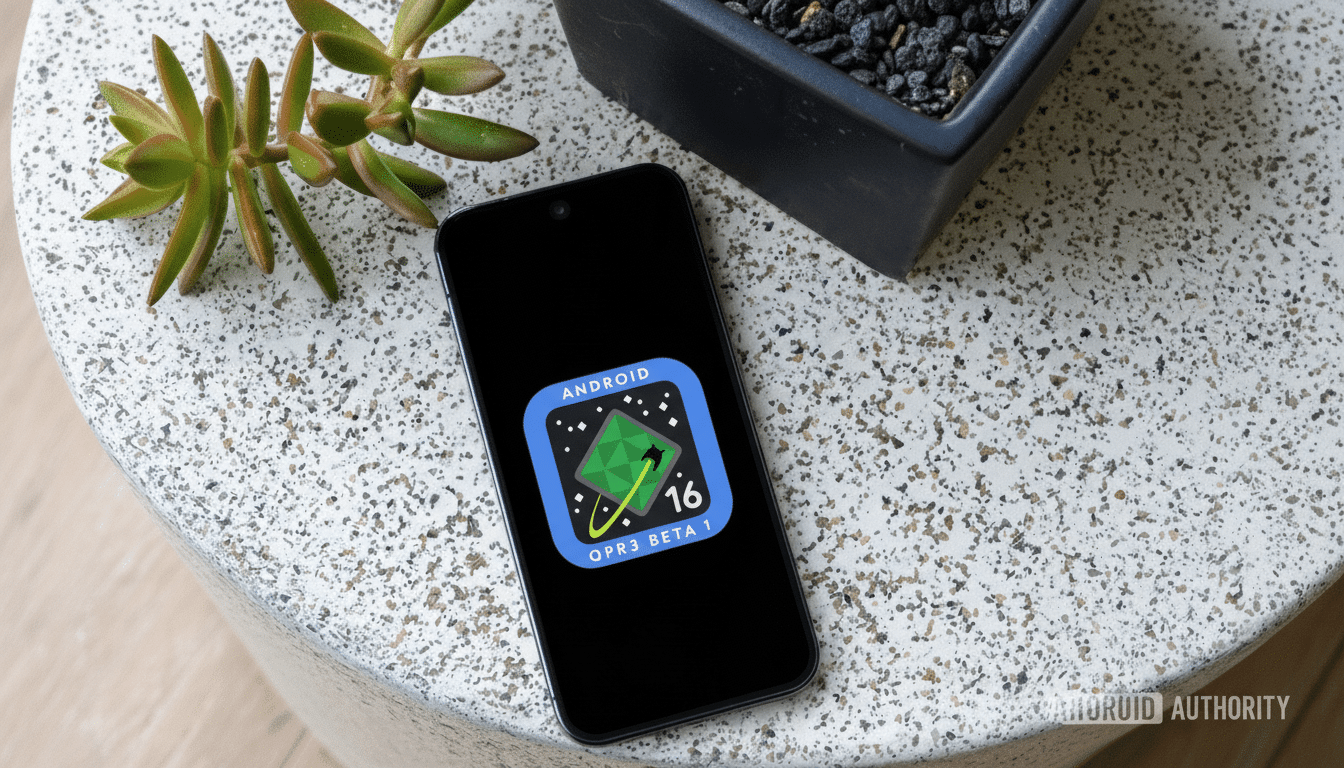
Google's latest Pixel software updates reveal a nuanced approach to smartphone ecosystem development, where incremental improvements and user-centric customization are becoming core strategic differentiators. The Android 16 QPR3 beta represents more than routine maintenance—it's a calculated demonstration of how software refinement can transform user experience.
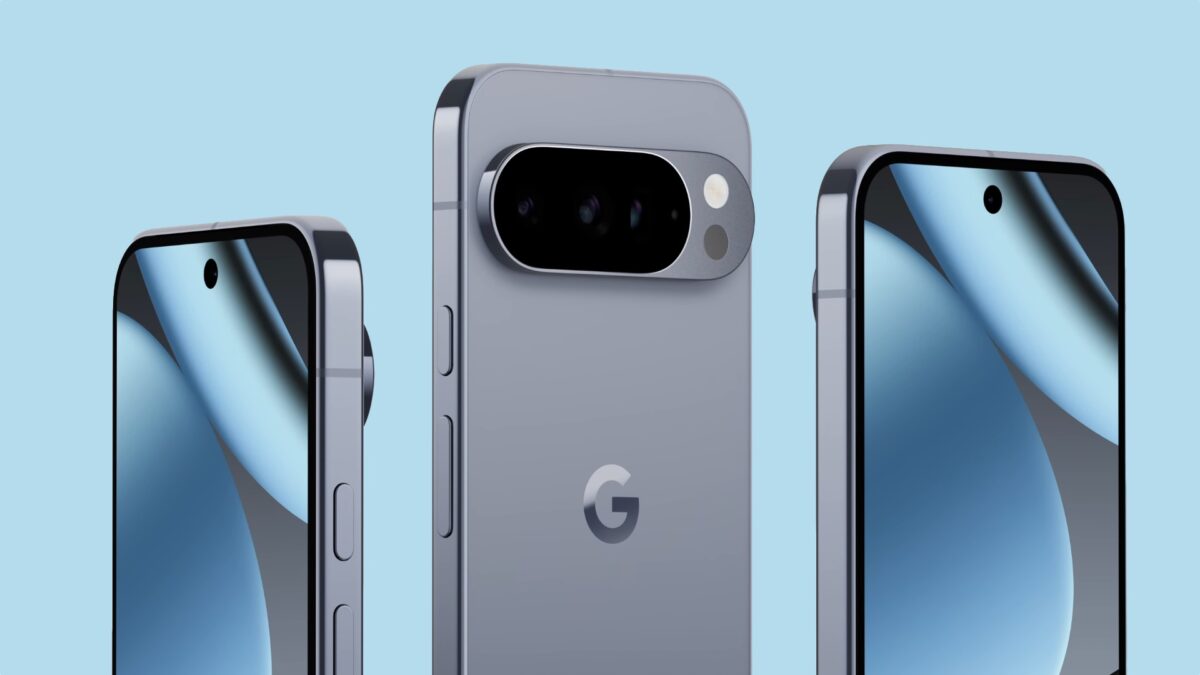
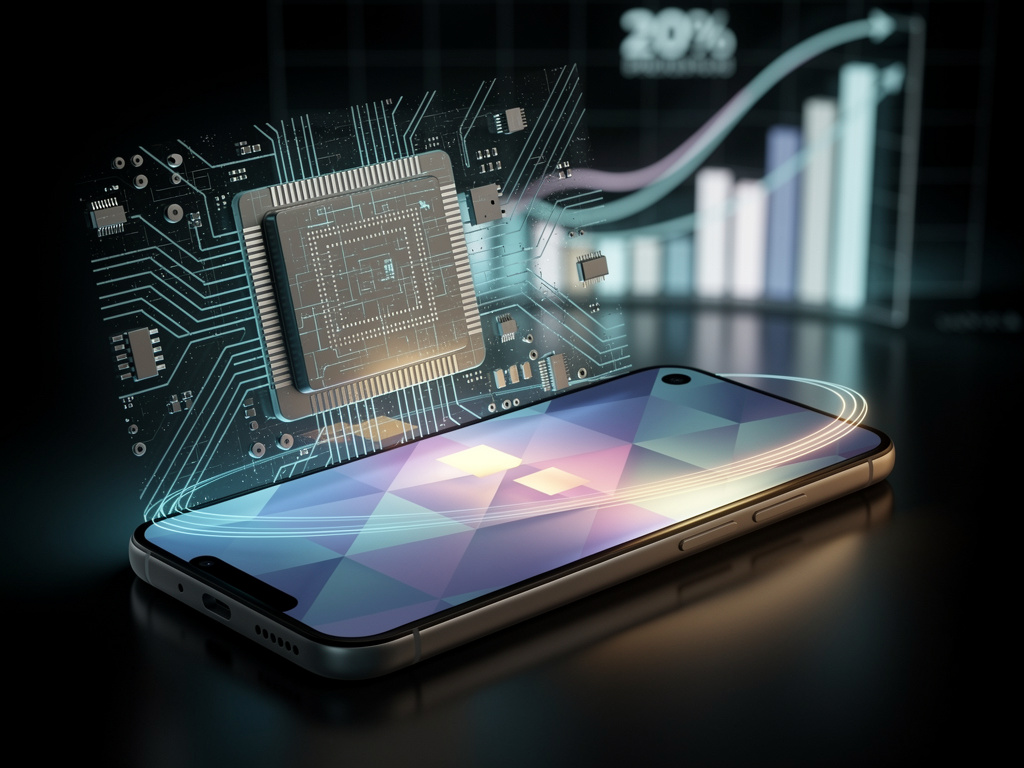
The GPU driver update for the Pixel 10 series exemplifies Google's methodical performance optimization strategy. By releasing version 25.1 of the Tensor G5's PowerVR GPU driver, Google is addressing performance limitations through targeted software interventions. This approach suggests a profound understanding that modern smartphone differentiation happens increasingly through software intelligence rather than pure hardware specifications.
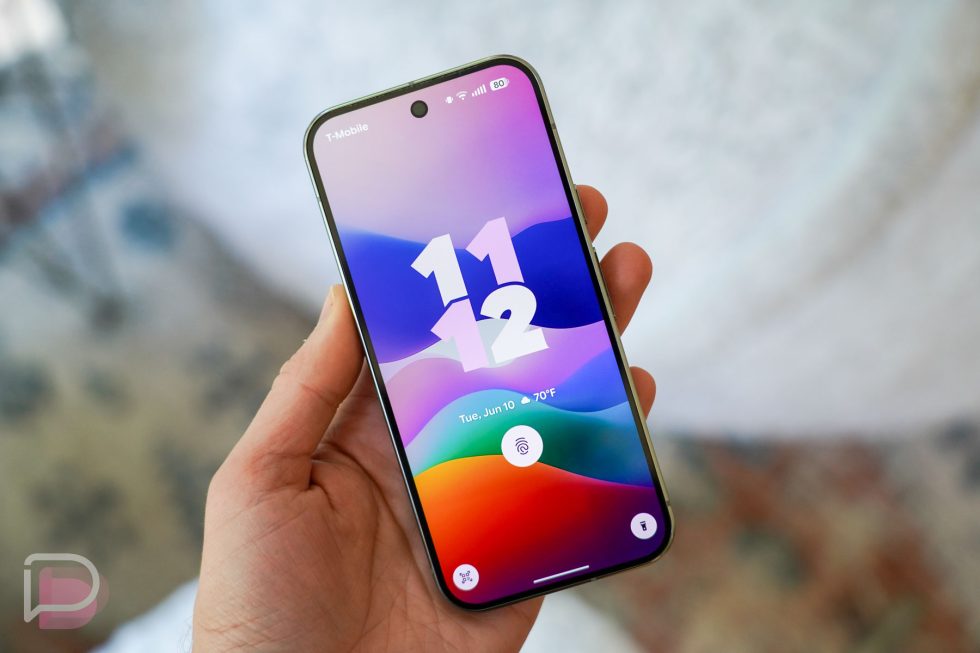
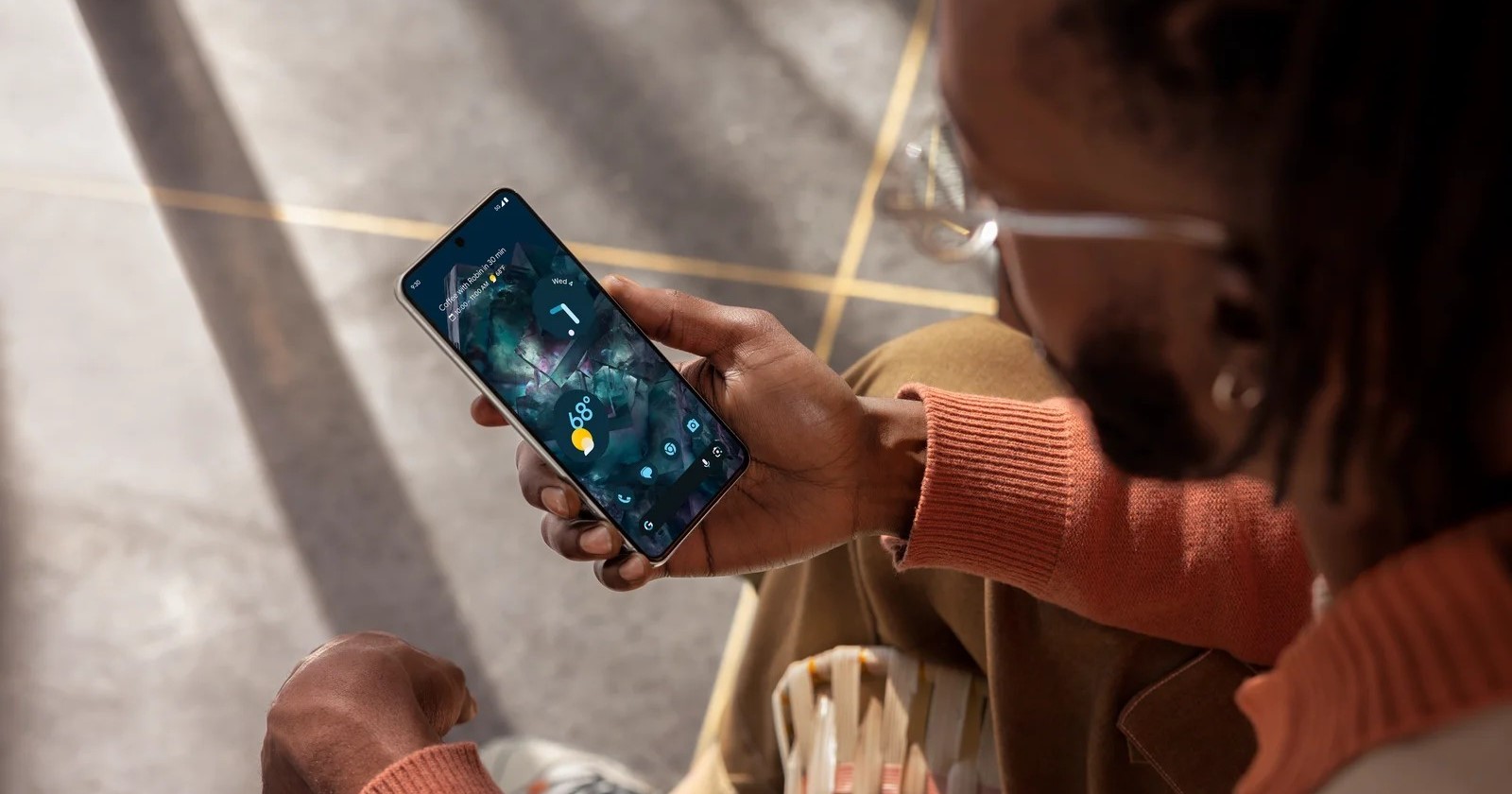
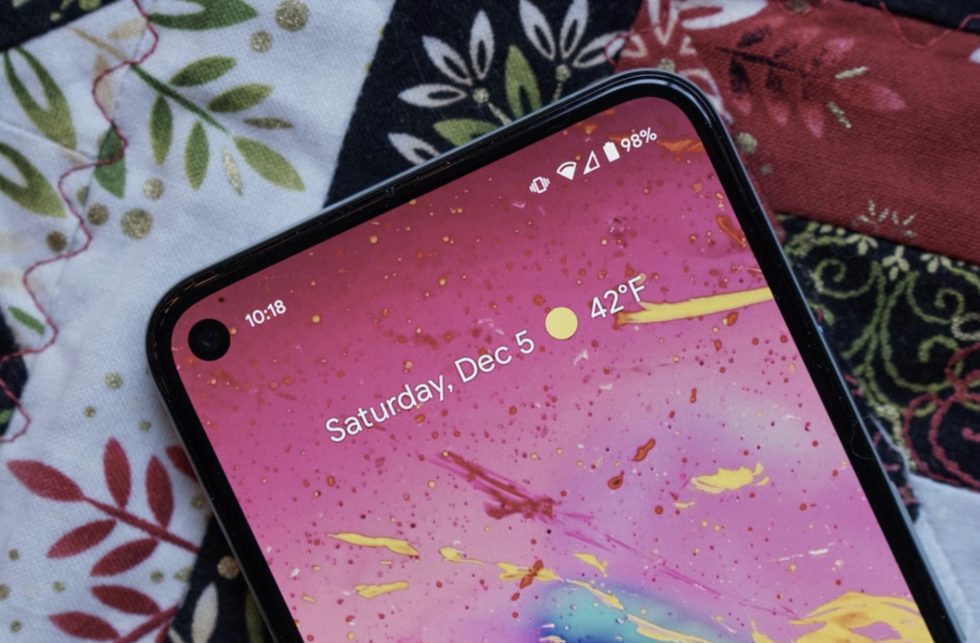
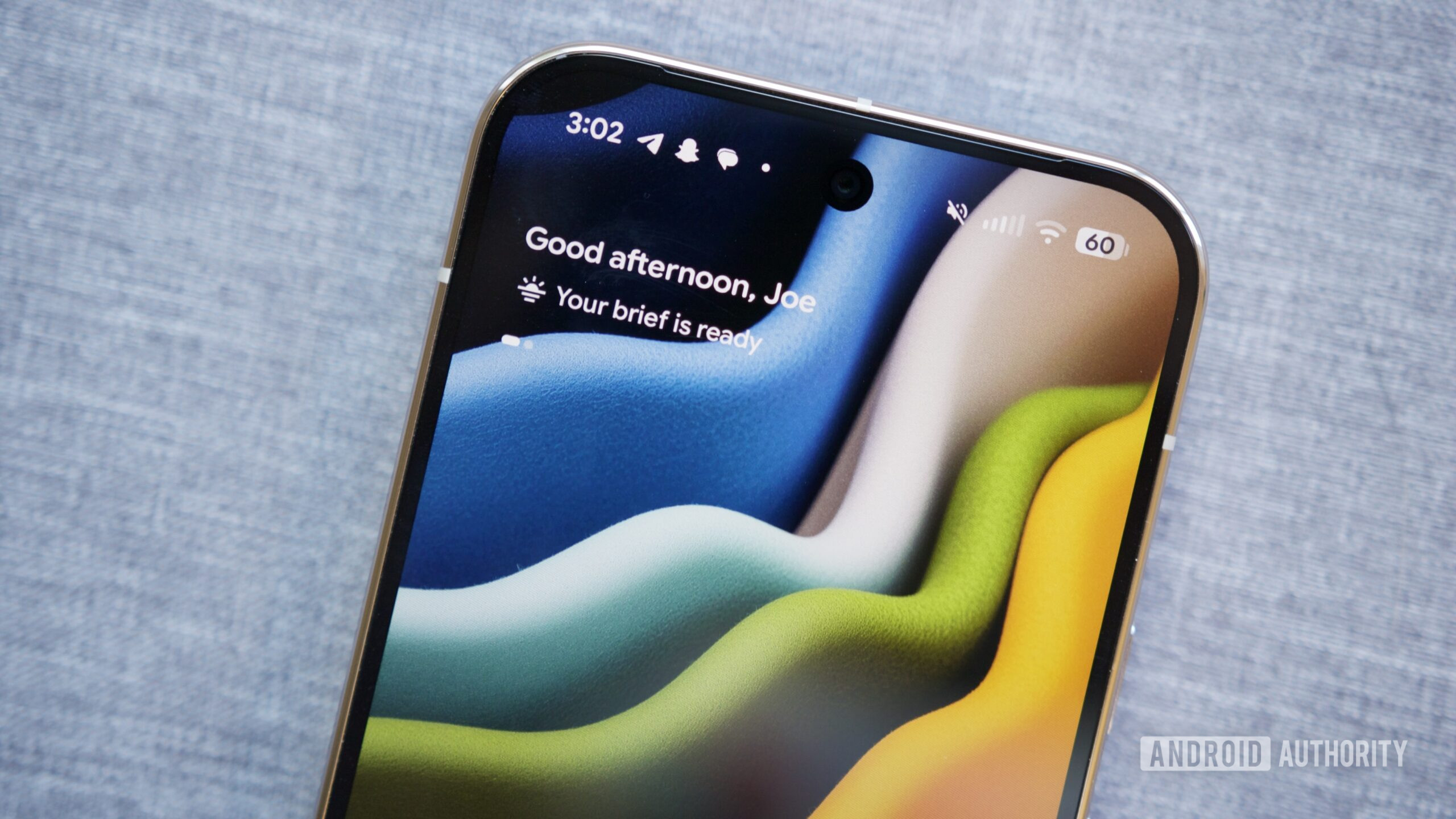
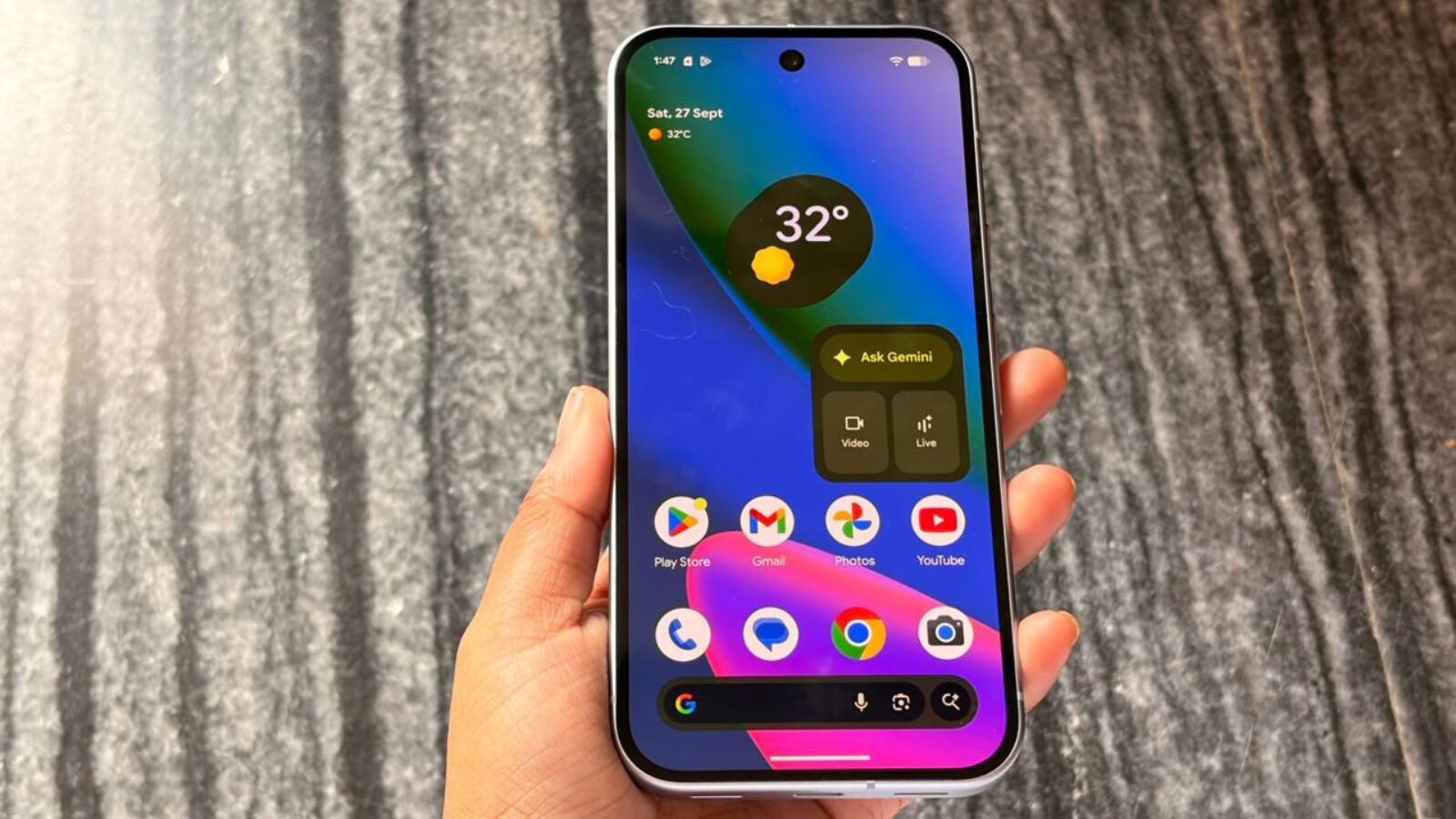
Equally significant is the 'At a Glance' widget removal feature, which represents a critical user experience breakthrough. By allowing users to disable a previously non-removable interface element, Google is signaling a fundamental shift towards user agency and personalization. This move acknowledges that one-size-fits-all design paradigms are obsolete in an era of increasingly sophisticated, individualized digital experiences.
The beta nature of these updates—carefully rolled out with measured performance improvements—demonstrates Google's commitment to stability and incremental innovation. Rather than dramatic overhauls, the company is pursuing a surgical approach of continuous, data-driven refinement. This strategy minimizes user disruption while steadily enhancing device capabilities, creating a virtuous cycle of user trust and technological advancement.
For developers and tech enthusiasts, these updates underscore a critical trend: software is becoming the primary battleground for smartphone differentiation. Hardware convergence means that true competitive advantage now emerges through intelligent, adaptive software ecosystems that can dynamically respond to user preferences and performance requirements.
問題 3
What makes the Pixel 10's GPU driver update significant?
The update represents a targeted approach to performance optimization, introducing version 25.1 for the Tensor G5's PowerVR GPU. While minor improvements are observed, it signals Google's commitment to continuous software refinement beyond initial hardware launch.
Why is the 'At a Glance' widget removal feature important?
It demonstrates Google's shift towards user-centric design by allowing unprecedented customization. Users can now disable a previously mandatory interface element, reflecting a broader trend of giving users more control over their digital experience.