



Apple's Display Revolution: How OLED Technology Will Redefine Desktop Computing
- Strategic display innovation signals massive transformation in Apple's desktop ecosystem for tech professionals and creators




概览
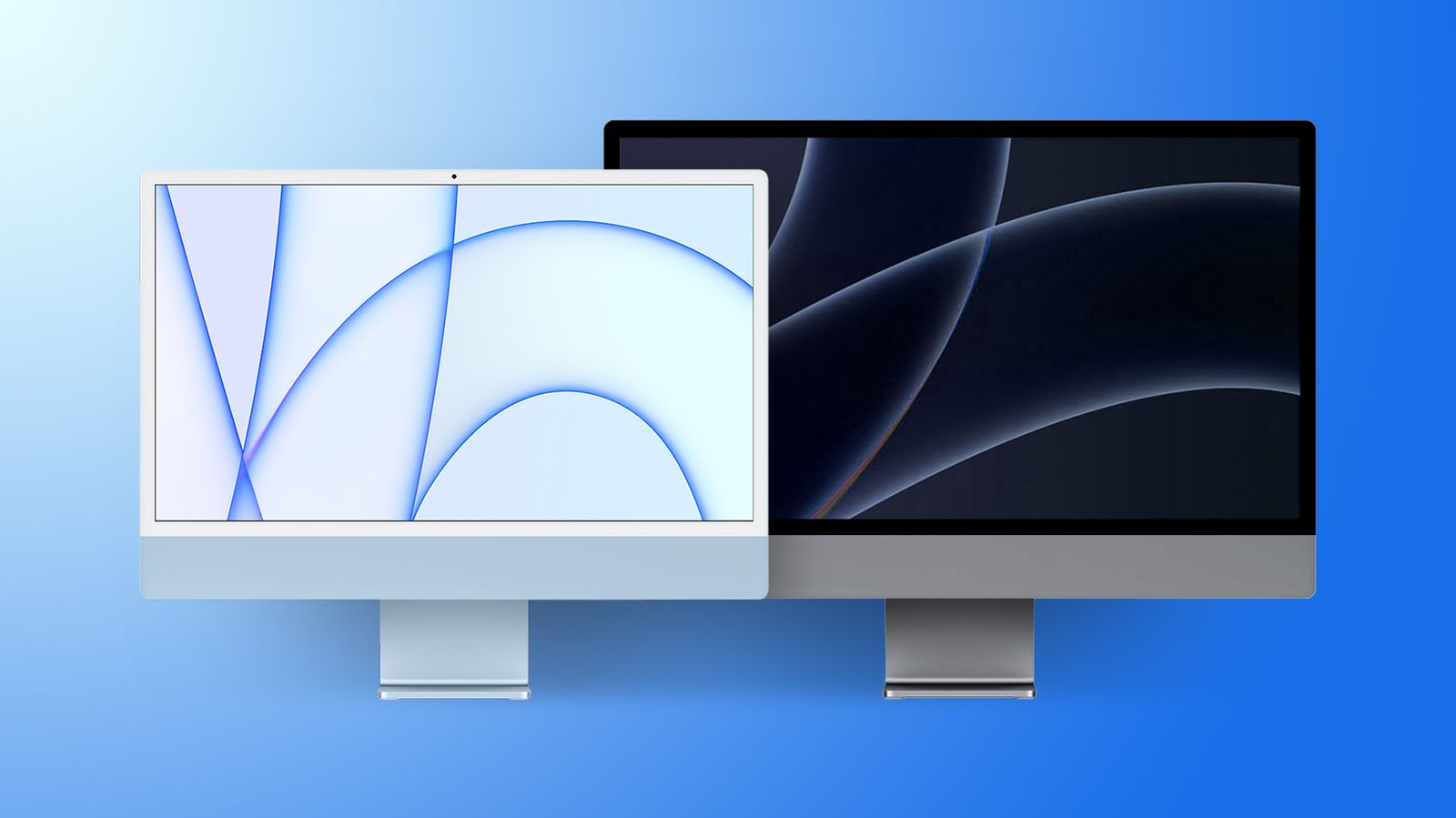
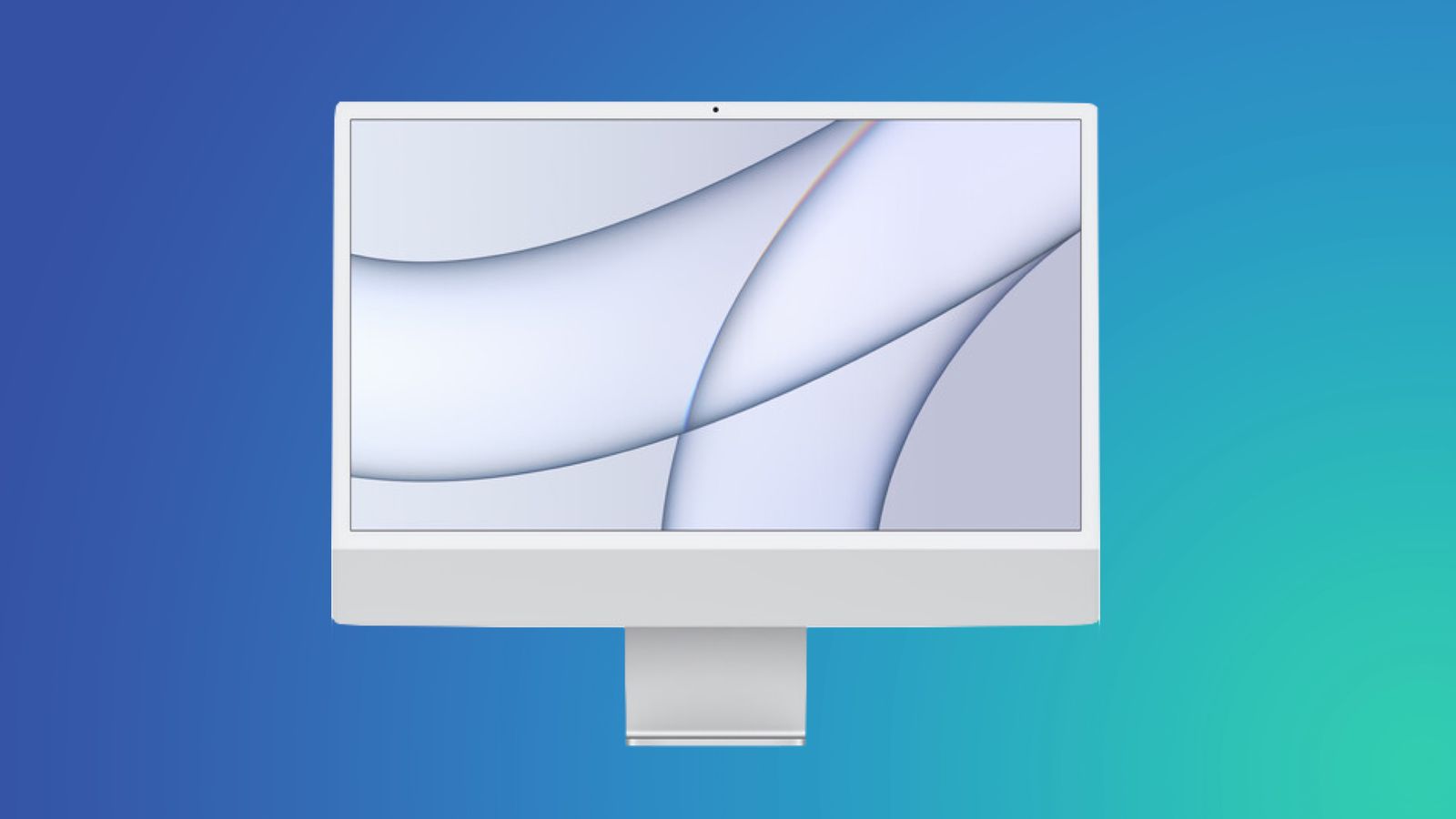
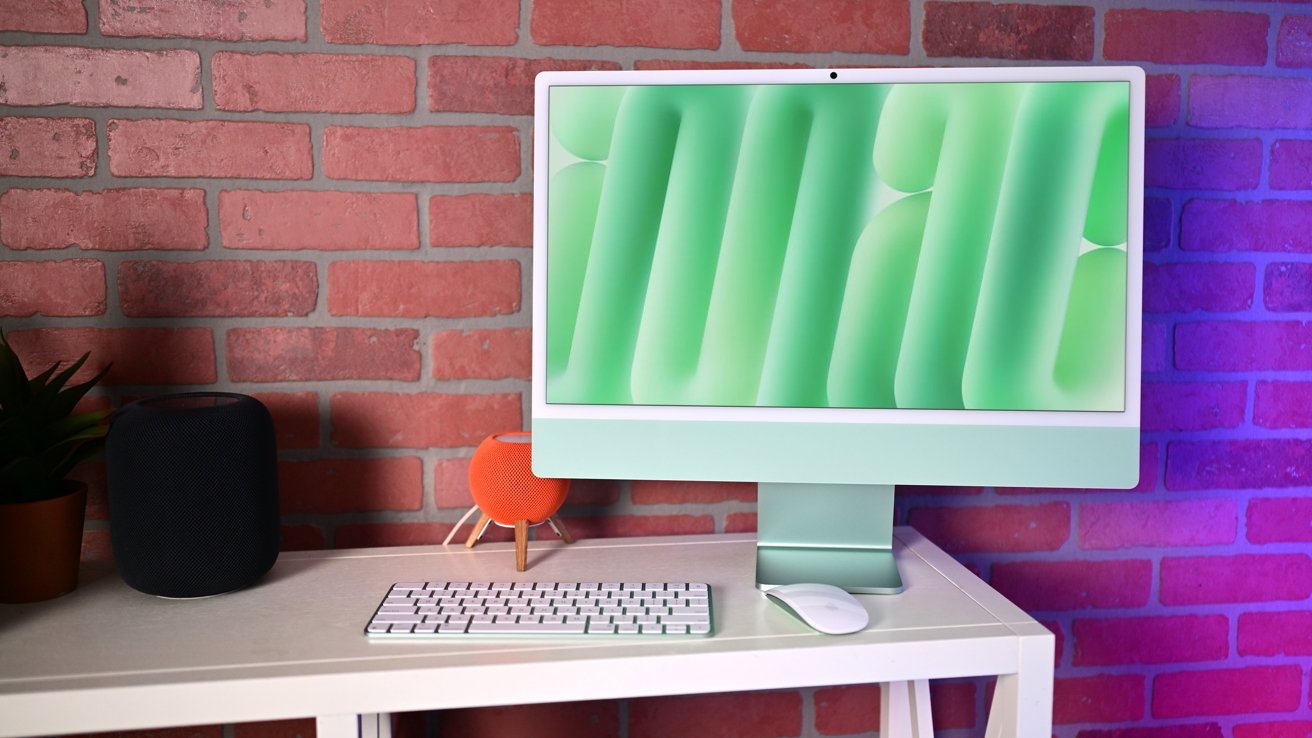
Apple's desktop computing strategy is undergoing a profound transformation, with OLED display technology emerging as the critical inflection point for future product design. The planned 24-inch OLED iMac, targeted for 2027, represents more than a mere screen upgrade—it's a calculated technological leap that will redefine visual performance and user experience in professional computing.
Display Technology Evolution is at the heart of this strategic shift. By developing an OLED panel offering approximately 600 nits of brightness—a significant improvement over current 500-nit LCD displays—Apple is signaling its commitment to pixel-level illumination and superior visual quality. The collaboration with display giants Samsung and LG underscores the technical complexity of this transition, with challenges including burn-in prevention and color uniformity across larger screens.
Chip and Configuration Innovations complement the display strategy. The potential introduction of the M5 Max chip and a potential iMac Pro resurrection suggest Apple is not just improving displays but reimagining the entire desktop computing experience. The extended development timeline (targeting 2027-2028) reveals a methodical approach typical of Apple: prioritizing technological perfection over rushed market entry.
The broader implications are profound. This isn't just about a better screen—it's about positioning the iMac as a premier platform for creative professionals, designers, and high-performance computing users. By meticulously engineering display technology and computational power, Apple is creating a defensible ecosystem that goes beyond hardware specifications, focusing on holistic user experience and technological leadership.
For technology strategists and professionals, this signals a critical trend: display technology is no longer a peripheral consideration but a core differentiator in computing platforms. Apple's patient, iterative approach to OLED integration across its product lines—from iPhones to MacBooks to now potentially iMacs—demonstrates a long-term vision of technological convergence and user-centric design.
問題 3
Why is Apple taking until 2027 to release the OLED iMac?
Apple's extended timeline reflects its commitment to technological perfection. The complex challenges of large-scale OLED manufacturing, including maintaining consistent brightness, preventing burn-in, and ensuring color uniformity, require meticulous engineering. This approach allows Apple to deliver a superior product rather than rushing to market with compromised technology.
How will the OLED iMac impact professional users?
The new OLED iMac promises significantly enhanced visual performance with 600 nits brightness and pixel-level illumination, making it ideal for creative professionals like graphic designers, video editors, and photographers who require color accuracy and high-contrast displays. The potential M5 Max chip will further boost computational capabilities for demanding creative workflows.