


American Airlines Rewrites the Loyalty Program Playbook: The High-Stakes Battle for Premium Travelers
- Strategic Recalibration of AAdvantage Program Signals Aggressive Revenue Targeting in Competitive Airline Market


概览
American Airlines is executing a calculated transformation of its loyalty ecosystem, strategically dismantling traditional mile-earning mechanisms to drive more lucrative passenger behaviors. The core revelation is a systematic redesign of the AAdvantage program that prioritizes high-value customers while systematically reducing benefits for budget-conscious travelers.
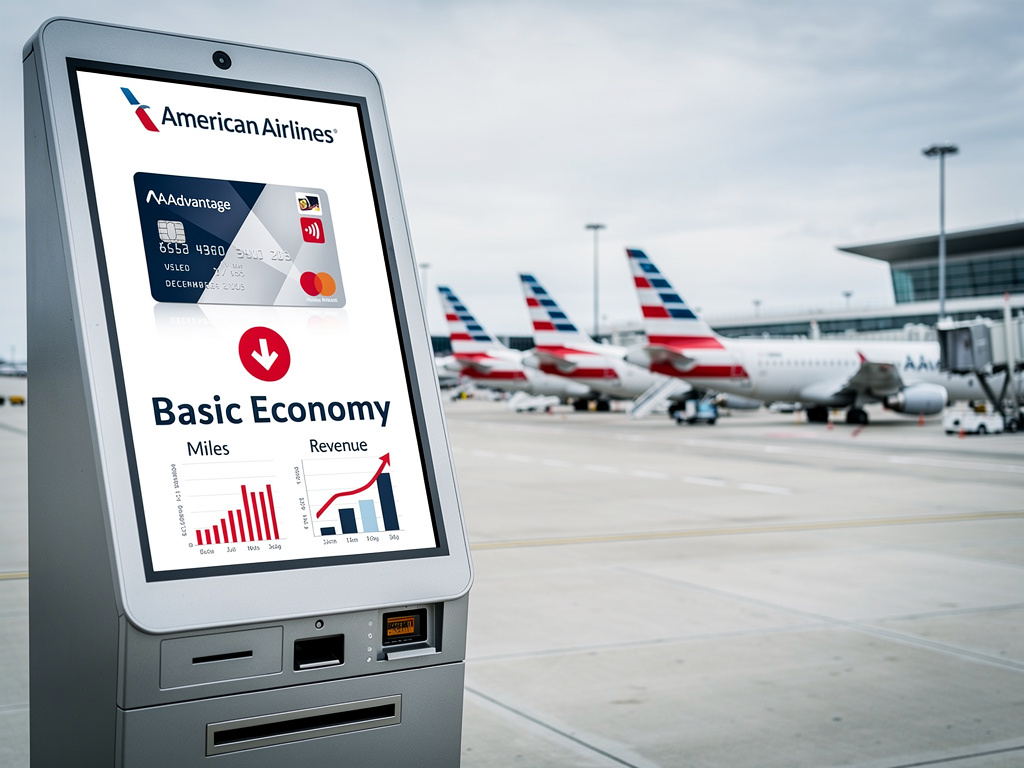
The most significant shift emerges in basic economy ticket policies, where American Airlines will eliminate miles and Loyalty Points earning effective December 17, 2025. This isn't merely a cost-cutting measure, but a sophisticated market segmentation strategy. By removing earning potential for the lowest-tier tickets, the airline is subtly compelling travelers to upgrade their fare classes to maintain loyalty program engagement.
Comparing the competitive landscape reveals a broader industry trend. Delta has already implemented similar restrictions, while United remains somewhat more flexible. This suggests American Airlines is aligning with an emerging standard of loyalty program design that emphasizes revenue generation over pure travel volume. The nuanced approach maintains core amenities for basic economy passengers—complimentary personal items, carry-on bags, in-flight entertainment—while strategically reducing financial incentives.
The program modifications extend beyond basic economy restrictions. Incremental rewards at different Loyalty Point tiers demonstrate a calculated approach to member motivation. From food and beverage coupons at 15,000 points to vacation credits at higher levels, American is creating a more granular incentive structure that encourages consistent, higher-value spending within their ecosystem.
Critically, these changes reflect a post-pandemic strategic realignment. As airlines recover from COVID-19 disruptions, American is positioning itself to compete more effectively in the luxury travel market. By refining fare structures and loyalty program mechanics, the airline aims to generate higher revenue per passenger while maintaining the core attractiveness of its AAdvantage program.
The most telling signal is not just the policy change, but the execution—initially posting and then quickly removing detailed information, suggesting a carefully managed communication strategy. For frequent travelers and business customers, this represents a clear mandate: adapt your travel strategies or risk diminishing returns from loyalty program participation.
問題 4
Why is American Airlines eliminating miles for basic economy tickets?
The strategy aims to encourage passengers to purchase higher-tier tickets by removing financial incentives for the lowest-cost fare class. This approach drives revenue by subtly pushing travelers toward more expensive ticket options that maintain full loyalty program benefits.
When do these changes take effect?
The new policies, including the elimination of miles and Loyalty Points for basic economy tickets, will be implemented on December 17, 2025. This gives travelers and corporate travel managers time to adjust their booking strategies.