




Cross-Border Seller Resilience: Ukraine Crisis Impact
- Strategic Insights for E-Commerce Adaptation in Geopolitical Disruption















概览
The ongoing Russia-Ukraine conflict reveals critical strategic insights for cross-border e-commerce sellers, demonstrating how geopolitical tensions fundamentally reshape market dynamics and operational resilience. Winter infrastructure attacks in Kyiv expose systemic vulnerabilities that parallel challenges faced by global e-commerce supply chains.
With temperatures plummeting to -19°C and Russian strikes causing widespread power disruptions affecting 70% of Kyiv's infrastructure, sellers can extract profound operational lessons. The conflict highlights the critical importance of adaptive logistics and decentralized supply chain strategies. E-commerce businesses must develop multi-region sourcing capabilities, ensuring continuity through geographically distributed manufacturing and fulfillment networks.
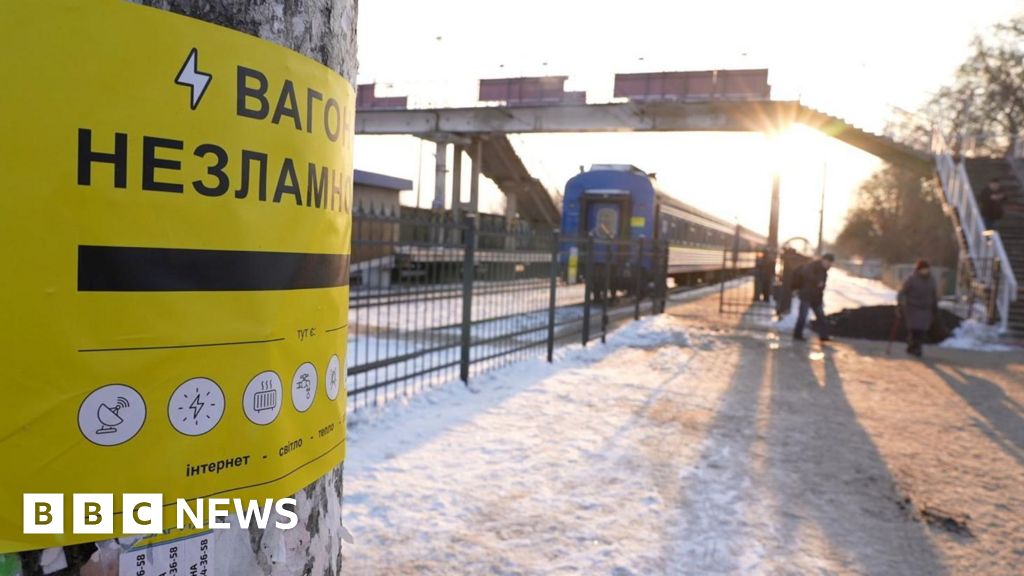
Key strategic implications emerge for cross-border sellers: First, infrastructure resilience is now a core competitive advantage. Companies demonstrating rapid adaptation—like Ukraine's innovative "Invincibility Trains" providing mobile warming stations—showcase the premium on operational flexibility. Second, technological redundancy becomes crucial. Sellers must invest in backup communication systems, distributed data storage, and contingency shipping routes to mitigate geopolitical risks.
The humanitarian narrative also presents nuanced market opportunities. Survival-oriented product categories will see significant demand shifts, including portable power stations, emergency communication devices, thermal clothing, and modular heating solutions. European and North American sellers can leverage these insights to develop targeted product lines addressing crisis-driven consumer needs.
Critically, this conflict underscores the interconnected nature of global e-commerce. Sellers can no longer view geopolitical events as distant abstractions but must integrate geopolitical risk assessment into core strategic planning. The ability to rapidly reconfigure supply chains, pivot product offerings, and maintain operational continuity will separate resilient businesses from vulnerable ones.
問題 4
How do geopolitical conflicts impact cross-border e-commerce sellers?
Geopolitical conflicts create supply chain disruptions, forcing sellers to develop adaptive strategies like multi-region sourcing, technological redundancy, and flexible logistics networks. Sellers must assess infrastructure risks and develop contingency plans to maintain operational continuity.
How can e-commerce businesses build supply chain resilience?
Build resilience through diversified manufacturing locations, invest in backup communication systems, develop flexible shipping routes, maintain distributed inventory across multiple regions, and continuously monitor geopolitical risk indicators for proactive adaptation.