




Golf Industry Shifts: Strategic Player Transitions Impact Cross-Border Markets
- Reveals $50-85M Player Contract Dynamics Affecting Sports Merchandise Ecosystem

























概览
The professional golf landscape is experiencing a transformative period with significant implications for cross-border sports merchandise and digital content markets. The recent developments surrounding LIV Golf and the PGA Tour reveal complex player movement strategies that extend far beyond athletic competition into a sophisticated global entertainment and merchandise ecosystem.
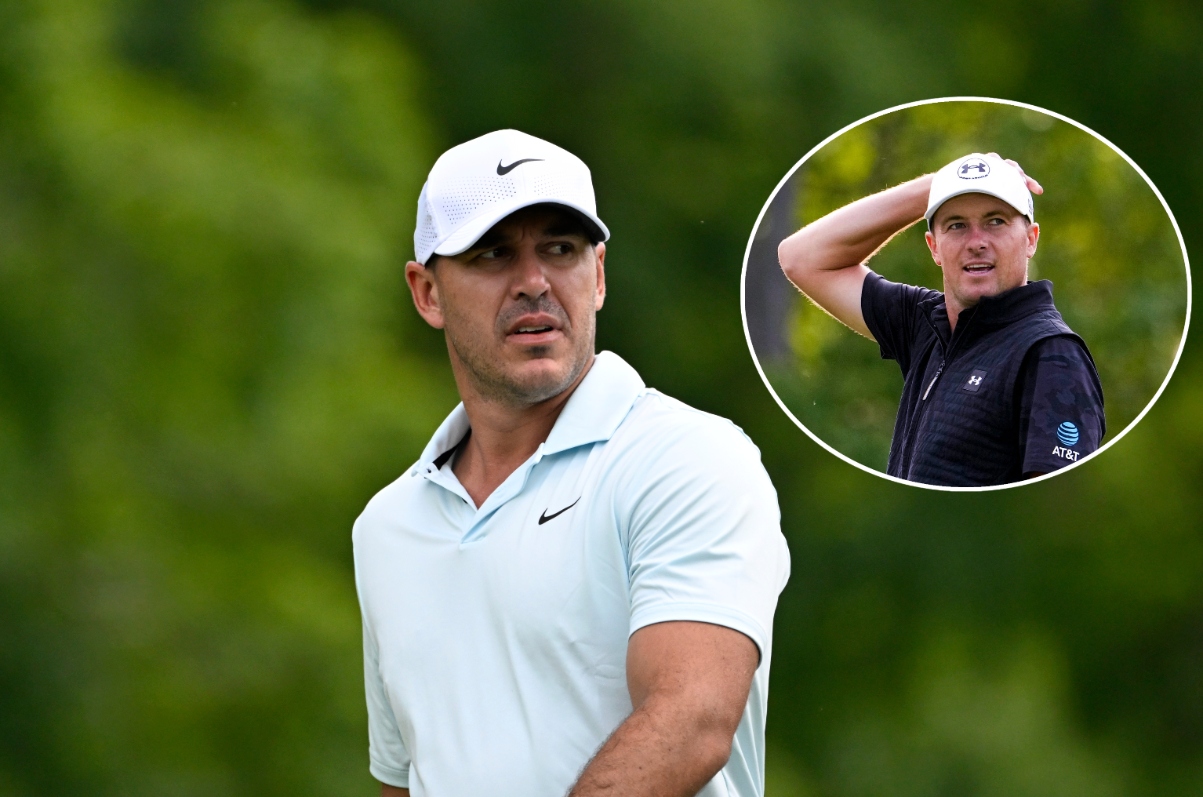
Key strategic shifts are emerging in player contract negotiations and league dynamics. The PGA Tour's new Returning Member Program demonstrates a calculated approach to reintegrating high-profile athletes like Brooks Koepka, with strict conditions including a five-year equity participation restriction potentially worth $63 million. This policy signals a broader trend of strategic player management that directly impacts sports merchandise valuation and licensing opportunities.
For cross-border e-commerce sellers, these developments create multiple emerging market opportunities. The ongoing player negotiations between LIV Golf and PGA Tour generate significant fan engagement, driving demand for athlete-specific merchandise, collectibles, and digital content. Players like Bryson DeChambeau, with his strategic social media positioning, showcase how personal branding now transcends traditional sports marketing.
The February 2nd deadline for player applications and the LIV Golf season starting February 4-7 in Riyadh represent critical windows for sellers to align product strategies. Merchandise categories like golf apparel, signed memorabilia, and athlete-branded equipment are likely to experience heightened market volatility and potential value appreciation during these transition periods.
Sellers should monitor athlete contract developments as leading indicators for sports merchandise trend cycles, recognizing that player movements now represent complex business negotiations with global market implications.
問題 5
What risks should sellers be aware of in sports merchandise markets?
Rapid player contract changes can cause sudden shifts in athlete brand value. Sellers must maintain flexible inventory and be prepared to quickly pivot marketing strategies based on league and player developments.
How can sellers track athlete market value effectively?
Monitor social media engagement, contract negotiations, tournament performance, and league movement news. Use tools tracking athlete mentions, merchandise sales trends, and fan sentiment indicators.