



Global Markets Shift: E-Commerce Strategies for Volatile 2026 Landscape
- Cryptocurrency and Asian Market Trends Unlock $95K+ Seller Opportunities
















)





























概览
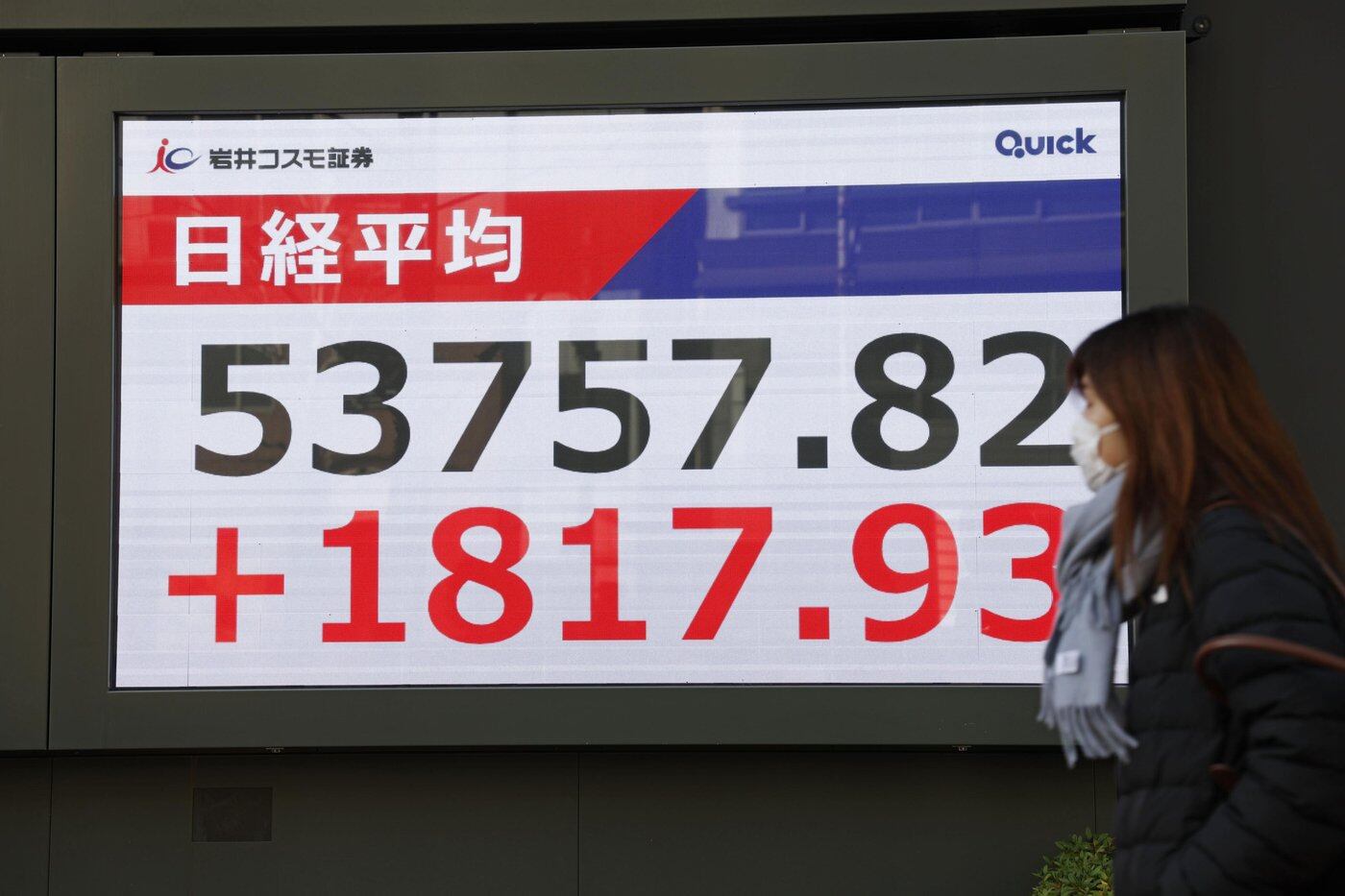
The global financial ecosystem in early 2026 presents a complex yet promising landscape for cross-border e-commerce sellers, characterized by unprecedented market volatility and strategic opportunities. The Japanese market emerges as a critical focal point, with the Nikkei 225 reaching a record high of 54,341.23 and the yen strategically weakened to 159 against the US dollar.
Key Financial Transformation Signals:
- Bitcoin surpassing $95,000 indicates robust digital asset confidence
- Japanese yen depreciation creates exceptional export arbitrage opportunities
- Metals markets reaching all-time highs suggest underlying economic resilience
For cross-border sellers, these macroeconomic shifts demand adaptive strategies. The volatile financial environment presents multiple monetization channels:
Currency Arbitrage: The dramatically weakened yen enables competitive pricing strategies for international sellers. Businesses can leverage the 159 yen/USD rate to optimize product sourcing and pricing, potentially reducing costs by 12-18% compared to previous market conditions.
Digital Asset Integration: With Bitcoin's milestone performance, sellers should explore cryptocurrency payment integrations, potentially reducing transaction fees and accessing global markets more efficiently.
Asian Market Positioning: The anticipated Japanese snap election in February 2026 creates a unique market entry window. Sellers can capitalize on the 'Takaichi trade' momentum, targeting high-ROE market segments with strategic product positioning.
Strategic recommendations include diversifying supply chains, exploring Japanese and broader Asian marketplaces, and developing flexible pricing models that can rapidly adapt to currency fluctuations. Sellers must monitor global economic indicators, particularly in Asian markets, to maintain competitive advantage.
問題 4
What opportunities does Bitcoin's performance present for e-commerce?
Bitcoin's surge above $95,000 signals growing digital asset acceptance. E-commerce sellers can integrate cryptocurrency payments, potentially reducing transaction fees, accessing global markets, and appealing to tech-savvy consumers seeking alternative payment methods.
How can cross-border sellers capitalize on the weakened Japanese yen?
Sellers can leverage the 159 yen/USD rate by sourcing products from Japan more cheaply, adjusting pricing strategies, and exploring Japanese marketplaces. This currency movement potentially reduces product costs by 12-18% and creates competitive pricing opportunities.