




Gaza Diplomatic Reset | Humanitarian Market Signals 2024
- Reconstruction Opportunities Emerge for 50+ International Suppliers


















概览
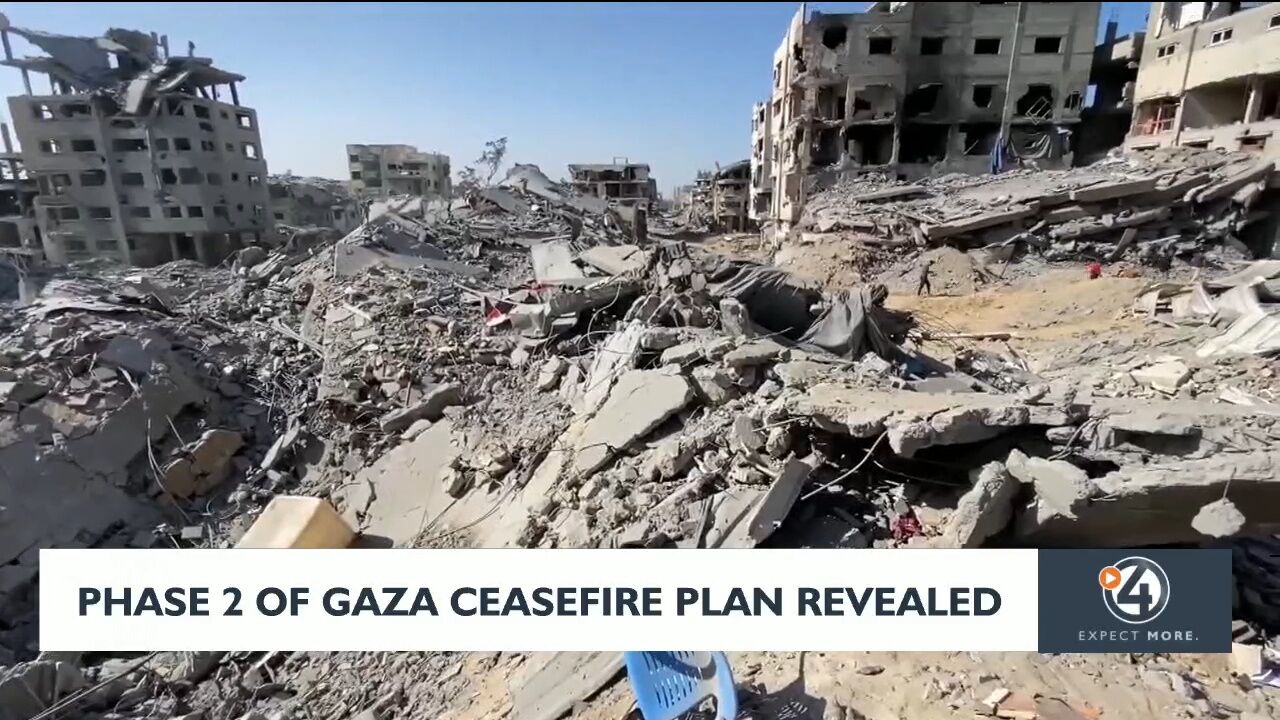
The US-led Gaza diplomatic initiative represents a critical reconstruction market opportunity with significant cross-border trade implications. The second phase of the ceasefire introduces a complex governance restructuring that will dramatically reshape humanitarian and infrastructure supply chains across the Middle East region.
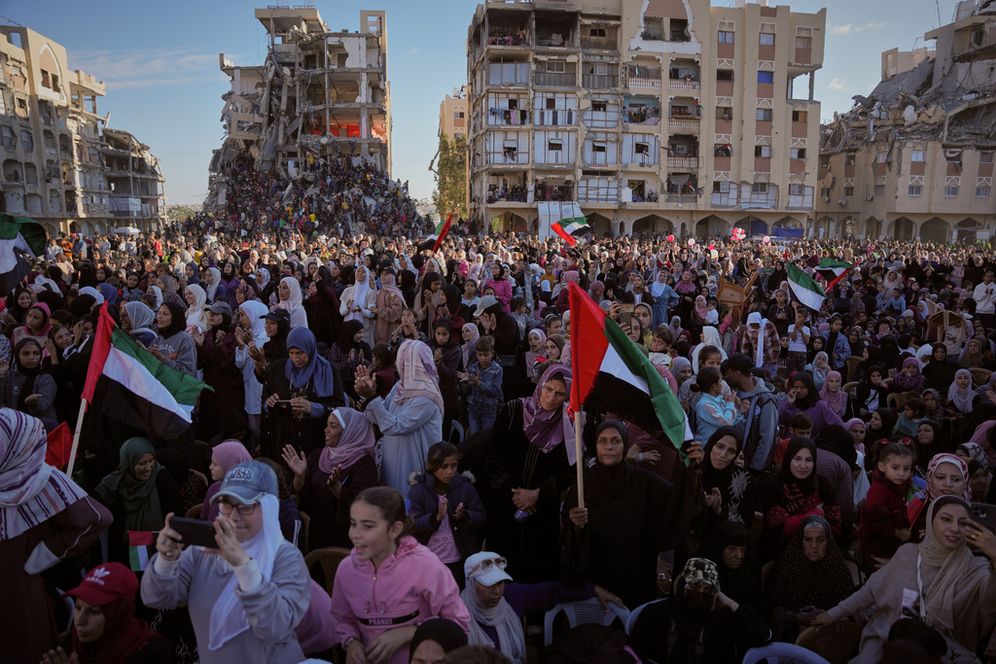
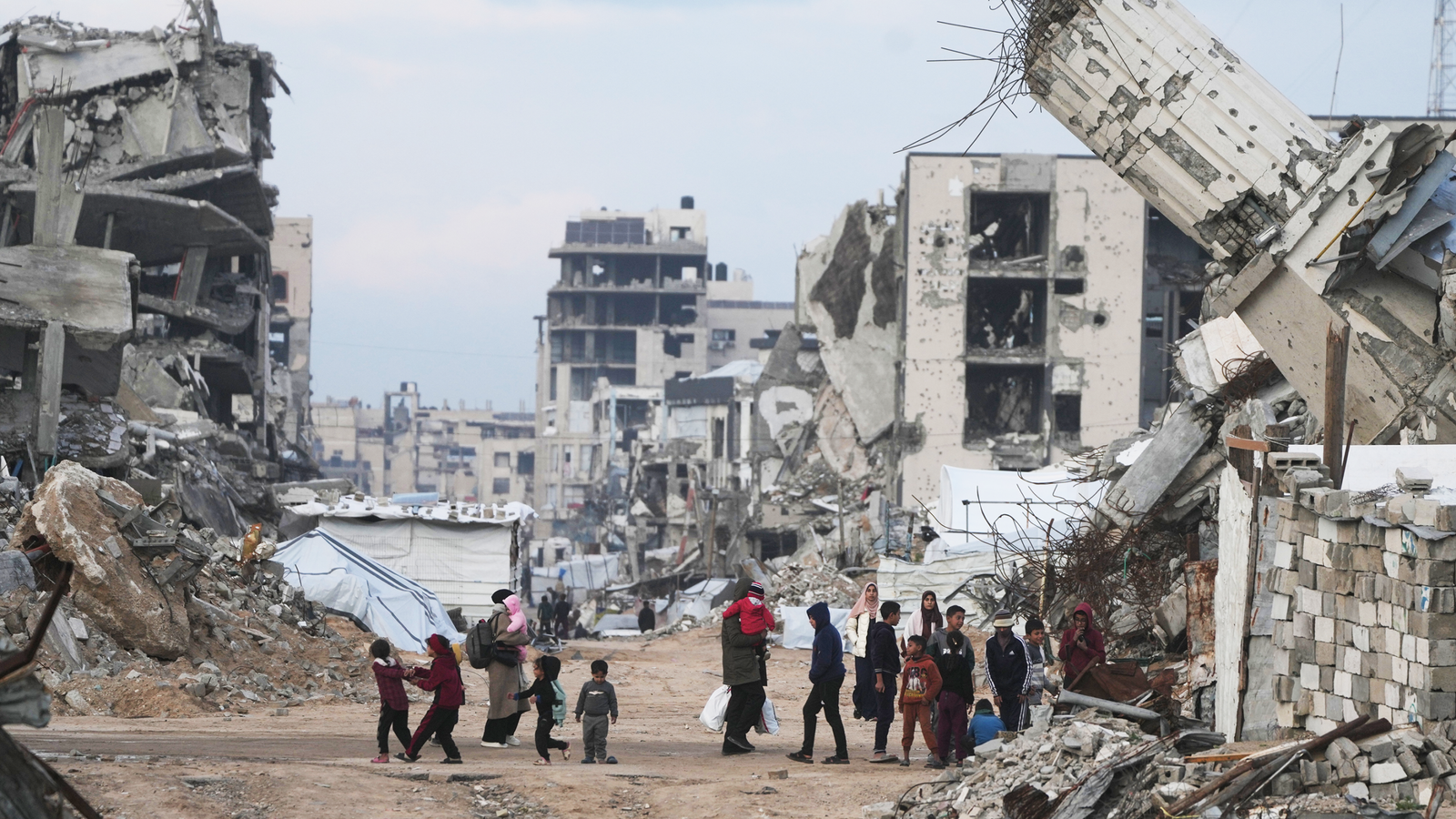
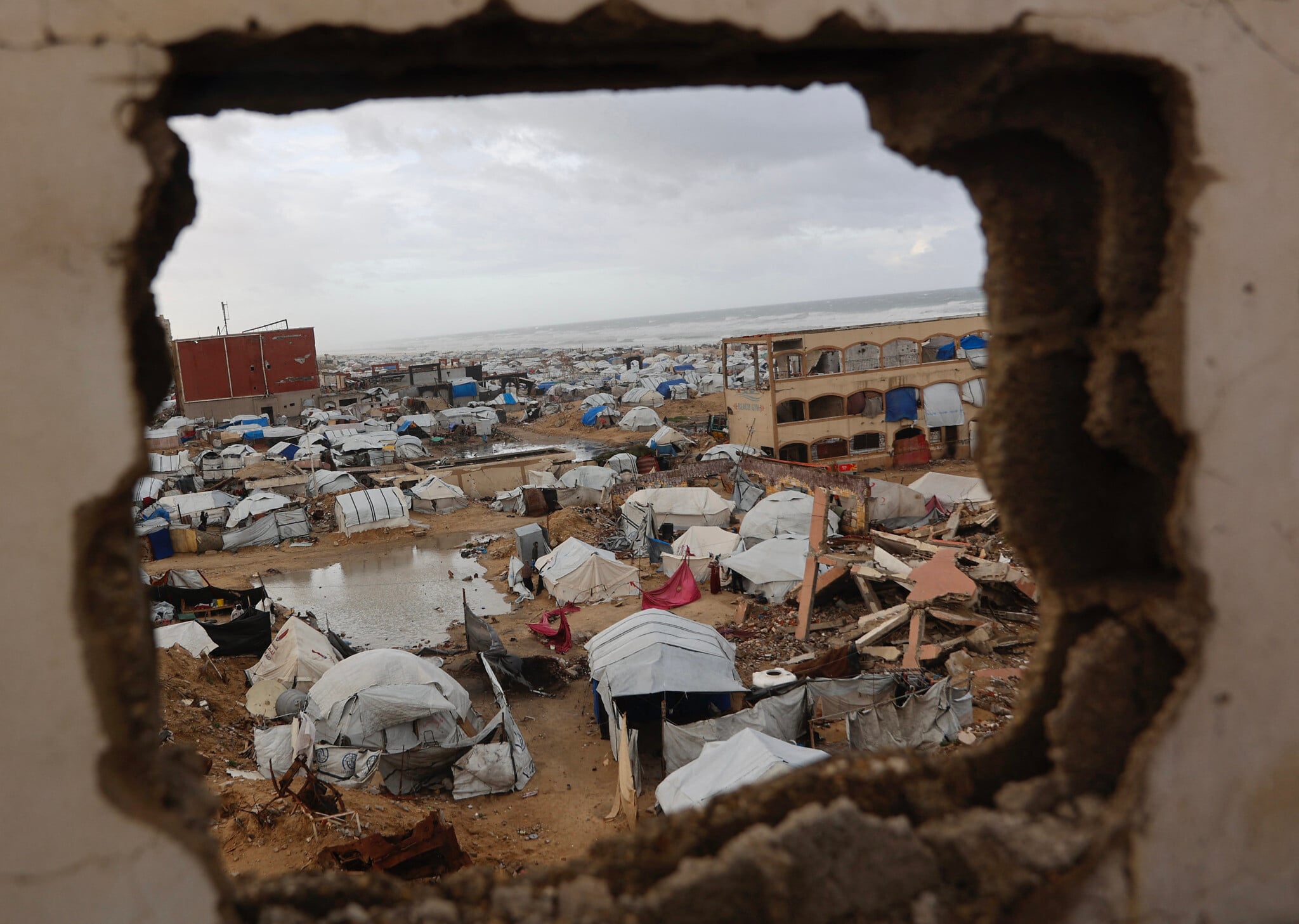
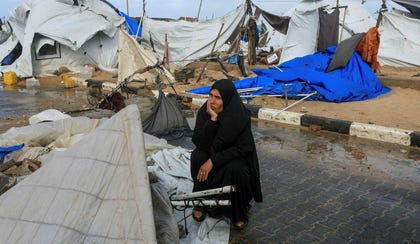
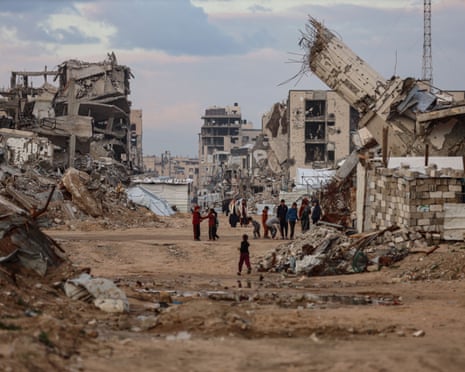
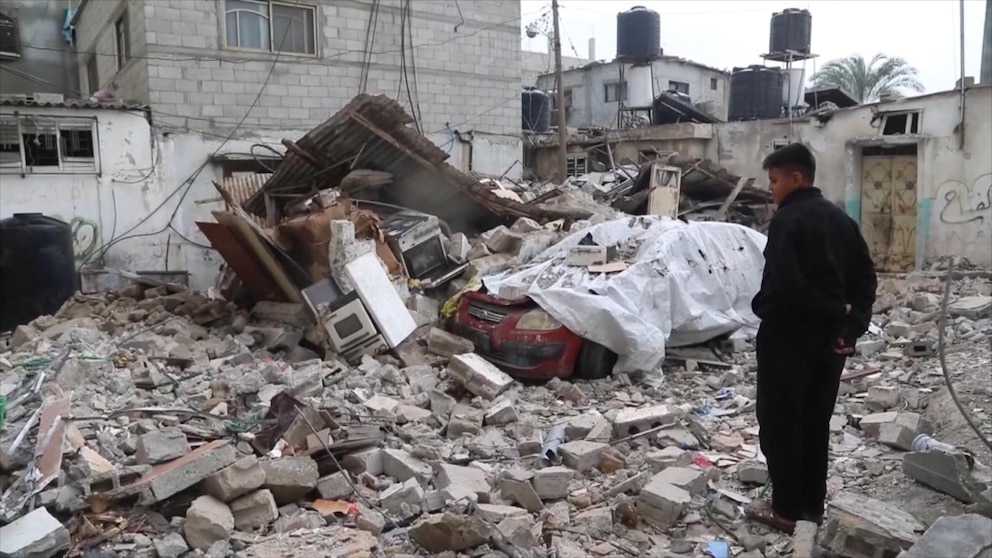
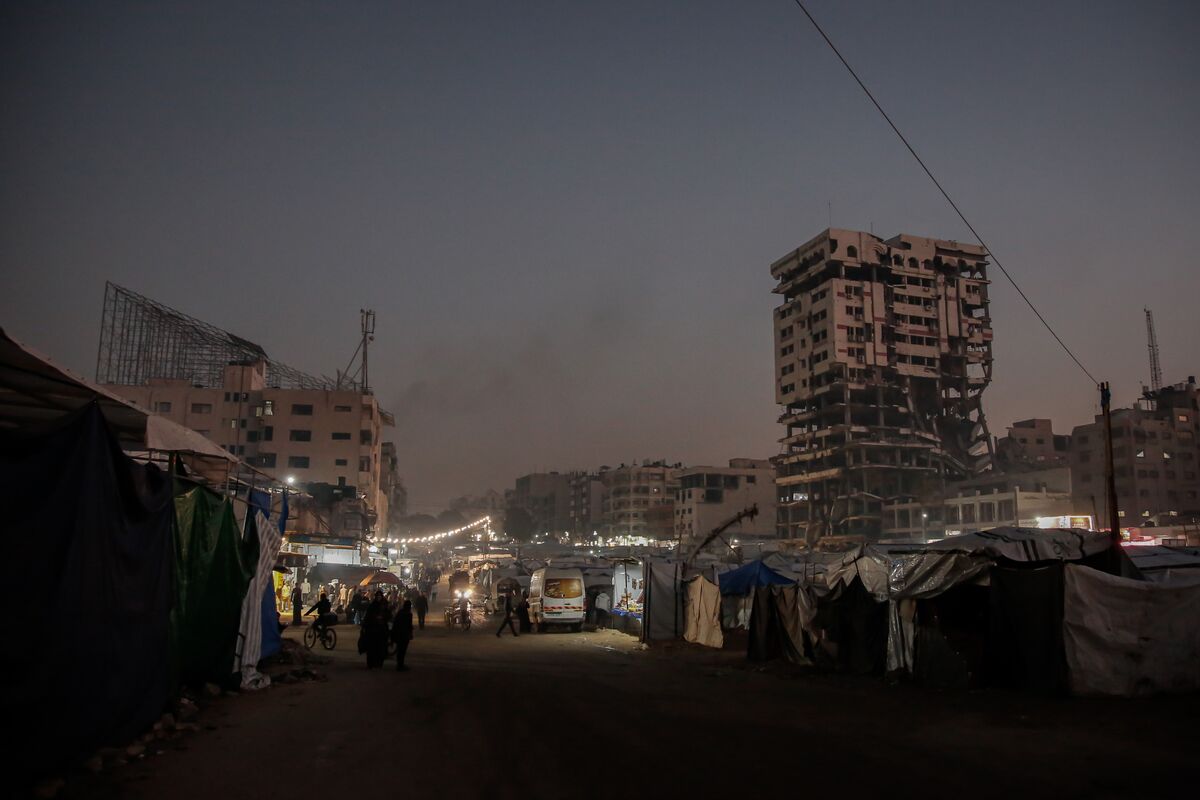
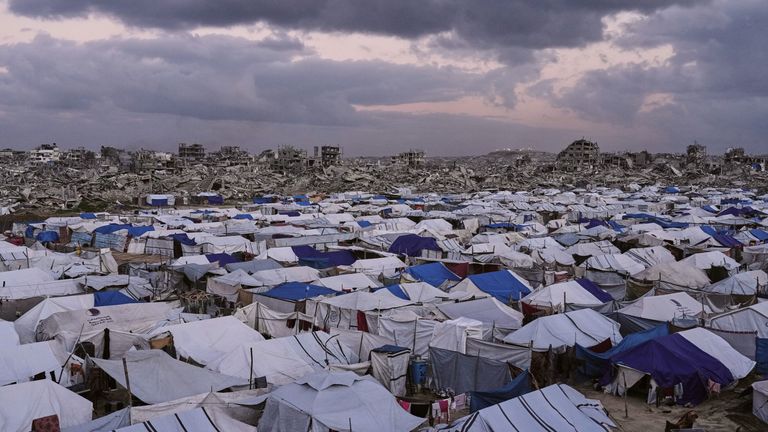
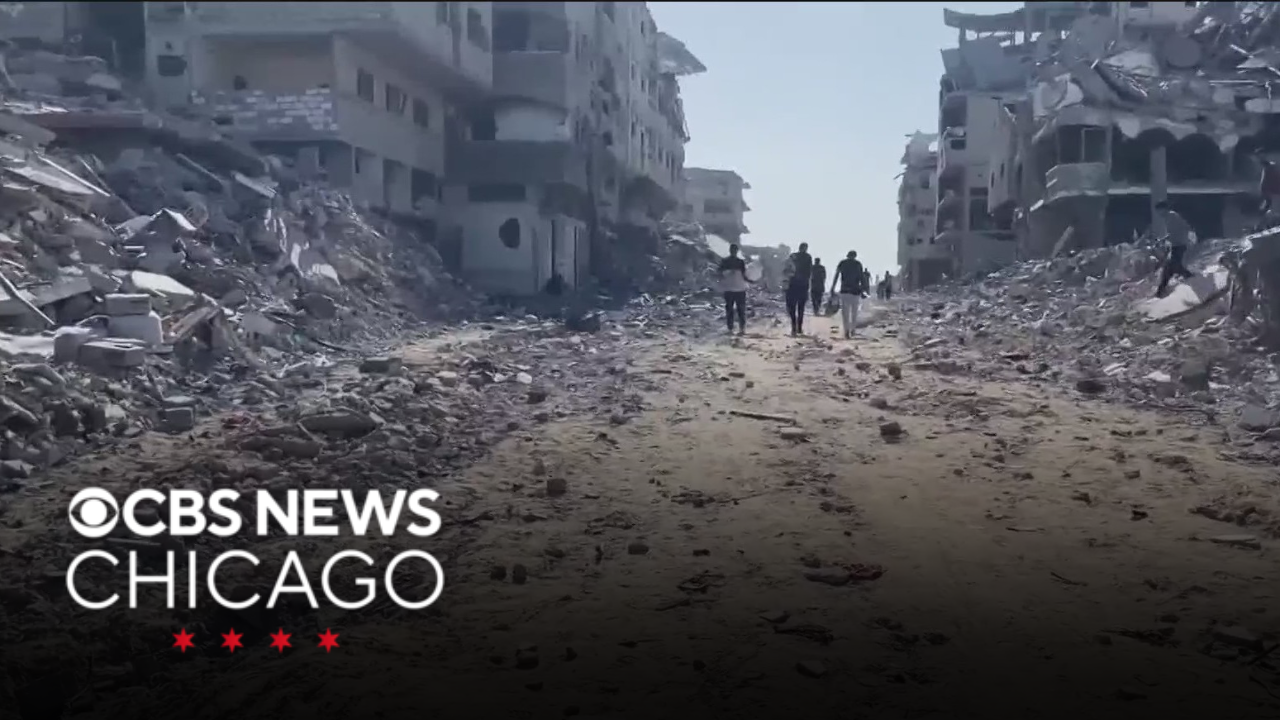
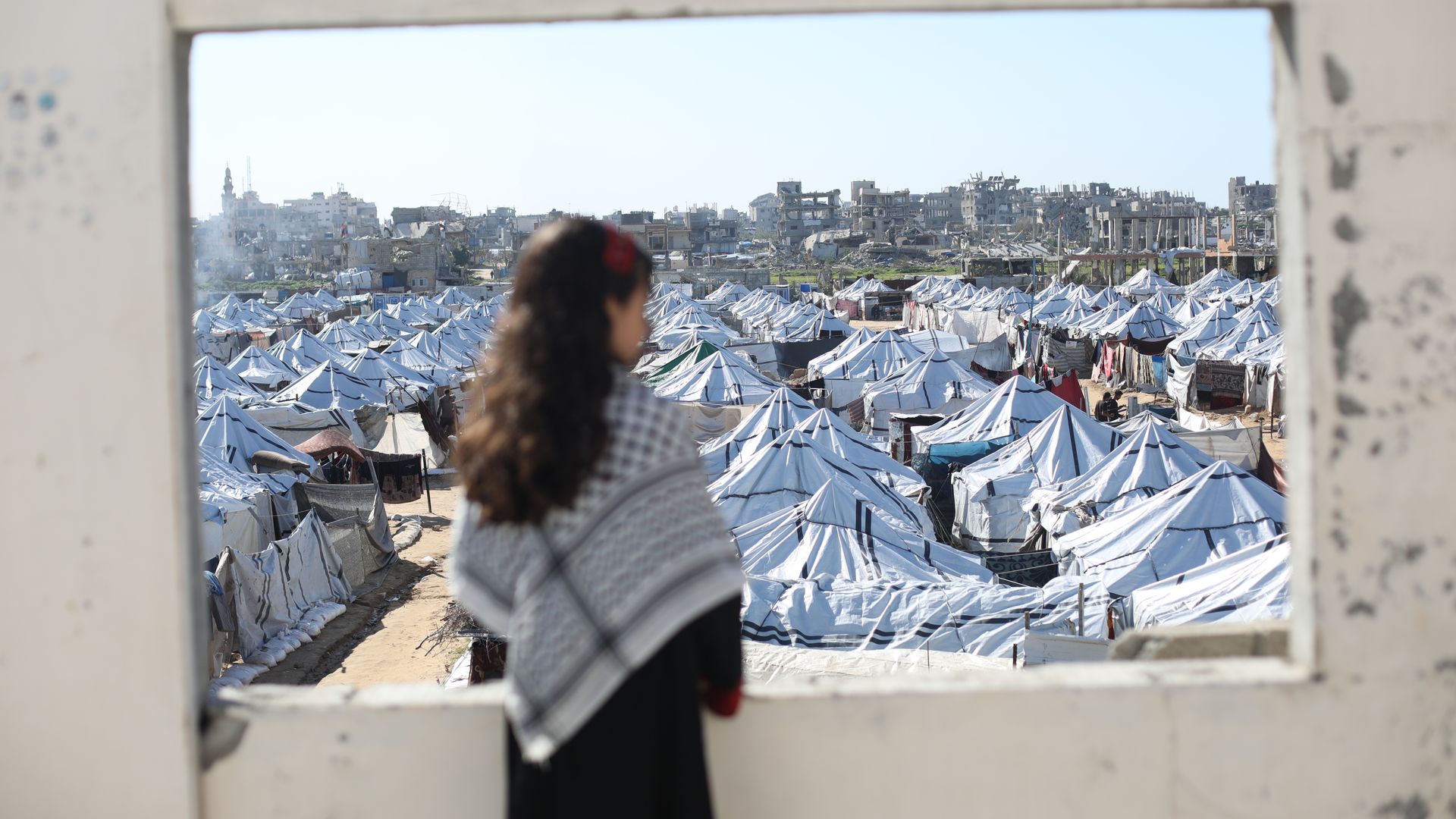
Key market signals indicate substantial reconstruction demand emerging in Gaza's infrastructure and essential services sectors. With over 80% of buildings damaged, the rebuilding effort will require massive international procurement across multiple categories: construction materials, medical supplies, telecommunications infrastructure, and emergency housing solutions. Preliminary estimates suggest a $3-5B market opportunity for international suppliers willing to navigate the complex geopolitical landscape.
Seller segments most likely to benefit include:
- Construction equipment manufacturers
- Medical supply distributors
- Prefabricated housing providers
- Telecommunications infrastructure companies
- Humanitarian logistics specialists
The diplomatic framework, led by Ali Shaath and overseen by Nickolay Mladenov, creates a structured procurement environment with potential UN and international agency backing. The technocratic committee's mandate includes essential services restoration, which translates directly into targeted procurement opportunities for global suppliers.
Compliance and risk management will be critical. Sellers must carefully navigate complex international sanctions, verify end-user agreements, and maintain transparent supply chain documentation. The involvement of US, Israeli, and Egyptian vetting processes means rigorous supplier screening and ethical sourcing standards.
問題 3
What specific product categories will see highest demand in Gaza reconstruction?
Construction materials, medical equipment, telecommunications infrastructure, and prefabricated housing are expected to see the highest demand. The $3-5B reconstruction market will prioritize durable, rapidly deployable solutions that can withstand challenging environmental conditions.
What are the primary risks for suppliers entering this market?
Key risks include complex international sanctions, potential payment delays, security challenges, and rapidly changing geopolitical dynamics. Suppliers should maintain flexible contracts, robust insurance coverage, and close diplomatic channel communications.