
)


Middle East Tensions: Cross-Border Seller Alert 2026
- Disrupts 3 Key Trade Corridors, Impacts $450M in Regional E-Commerce
































)








概览
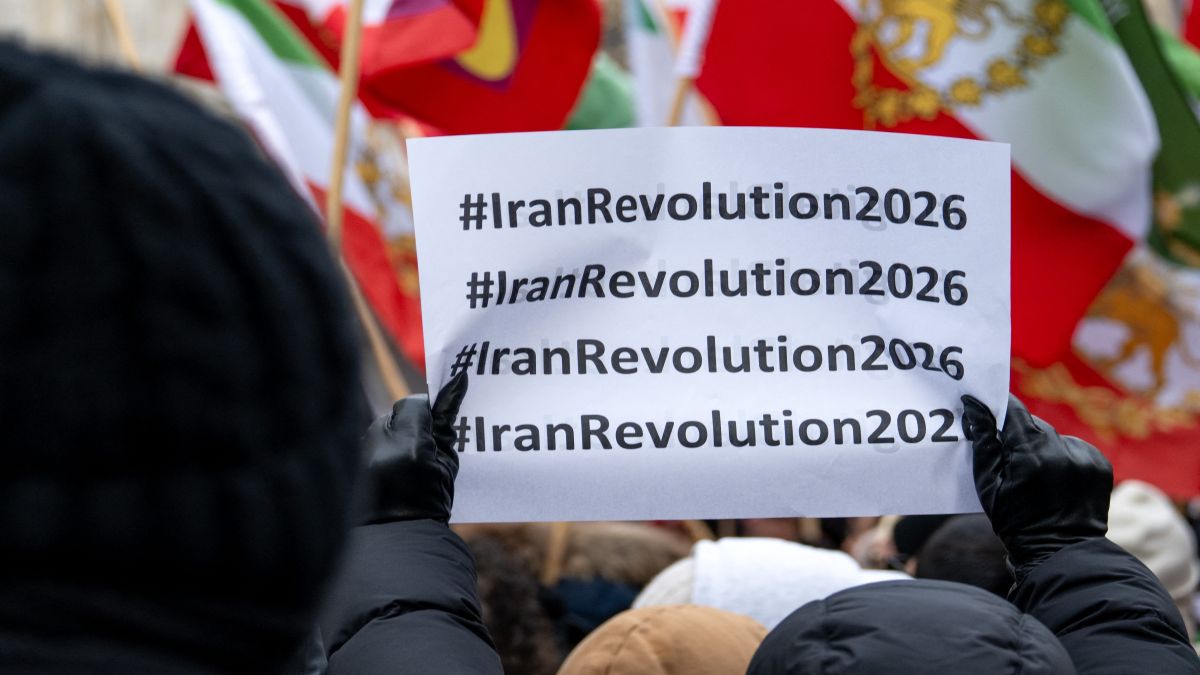
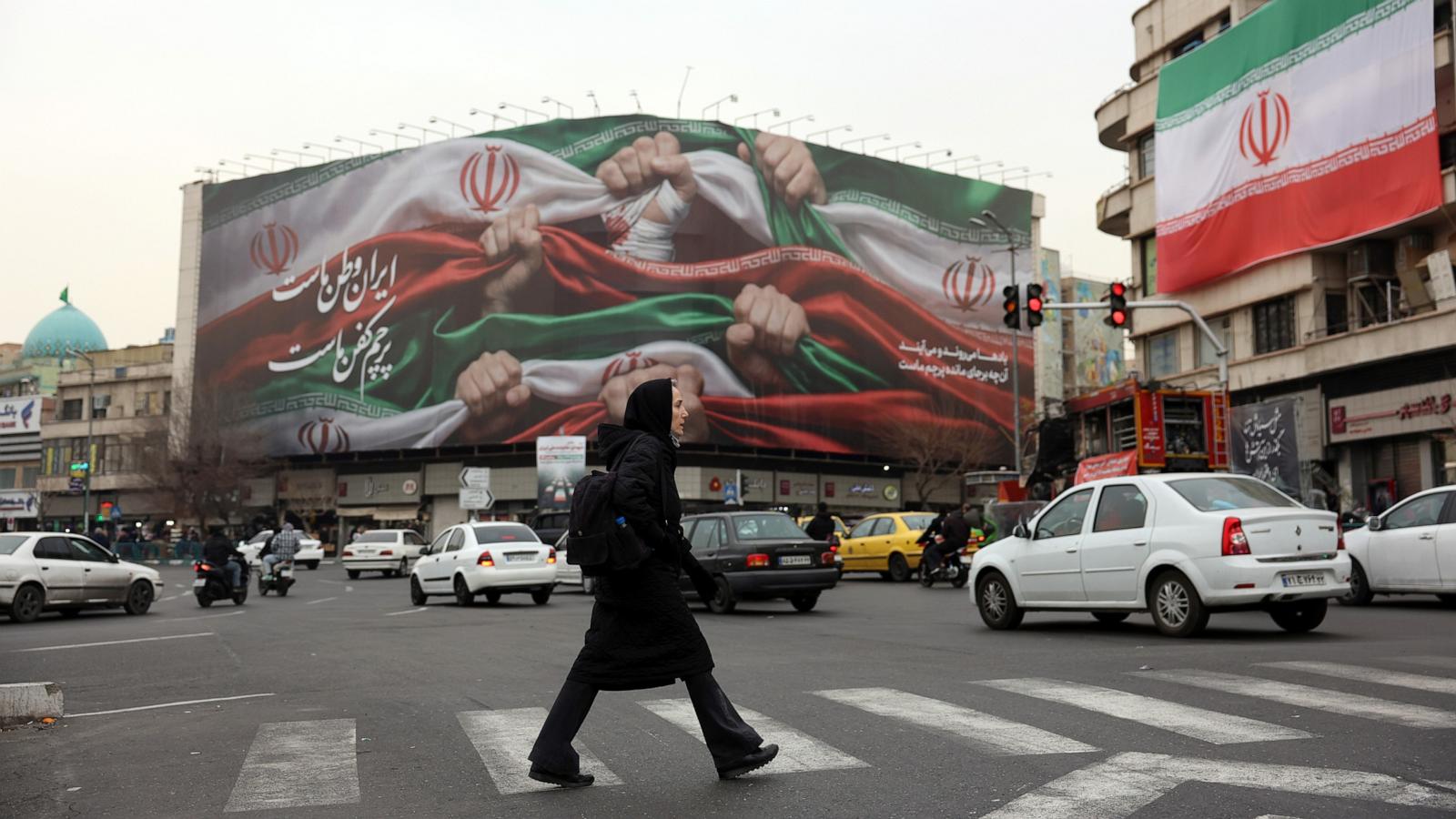
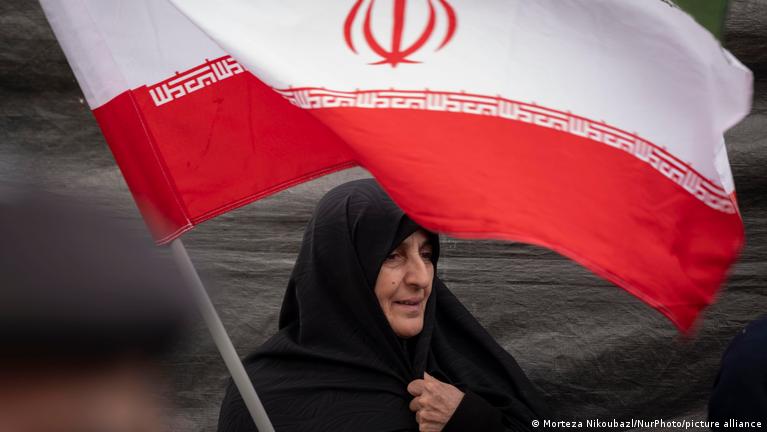
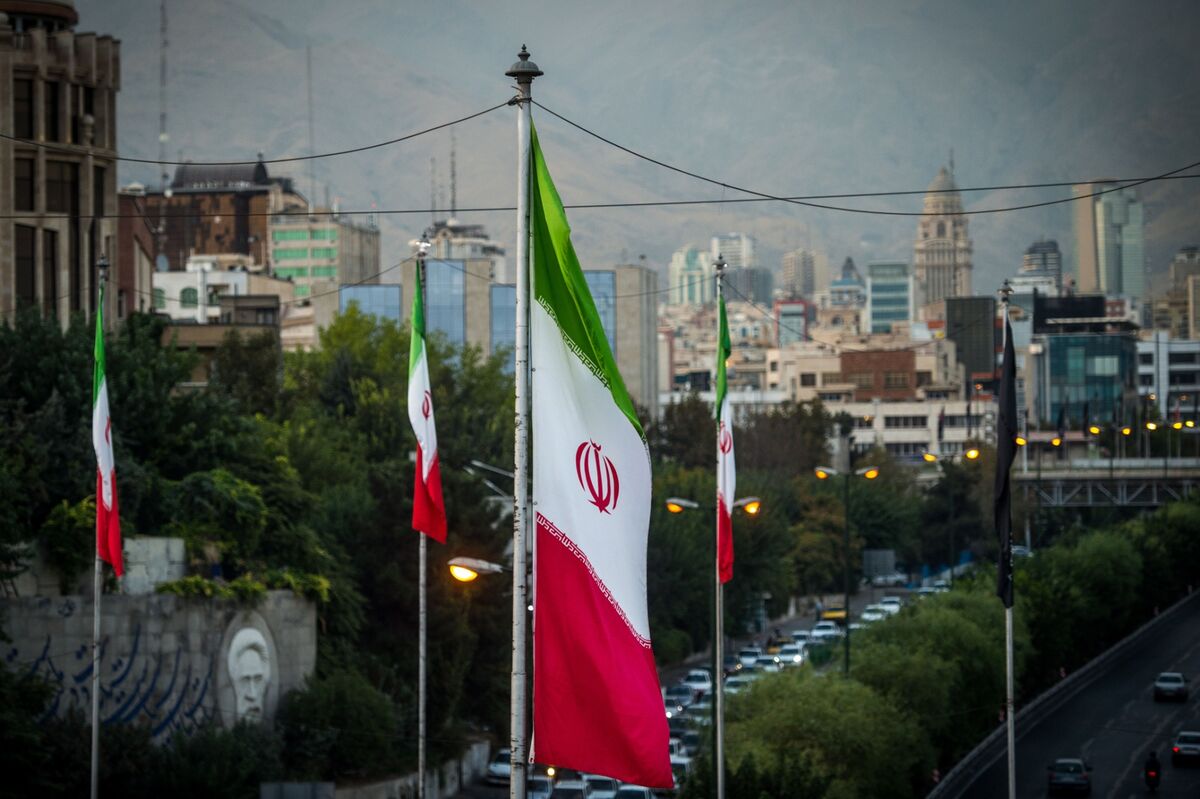
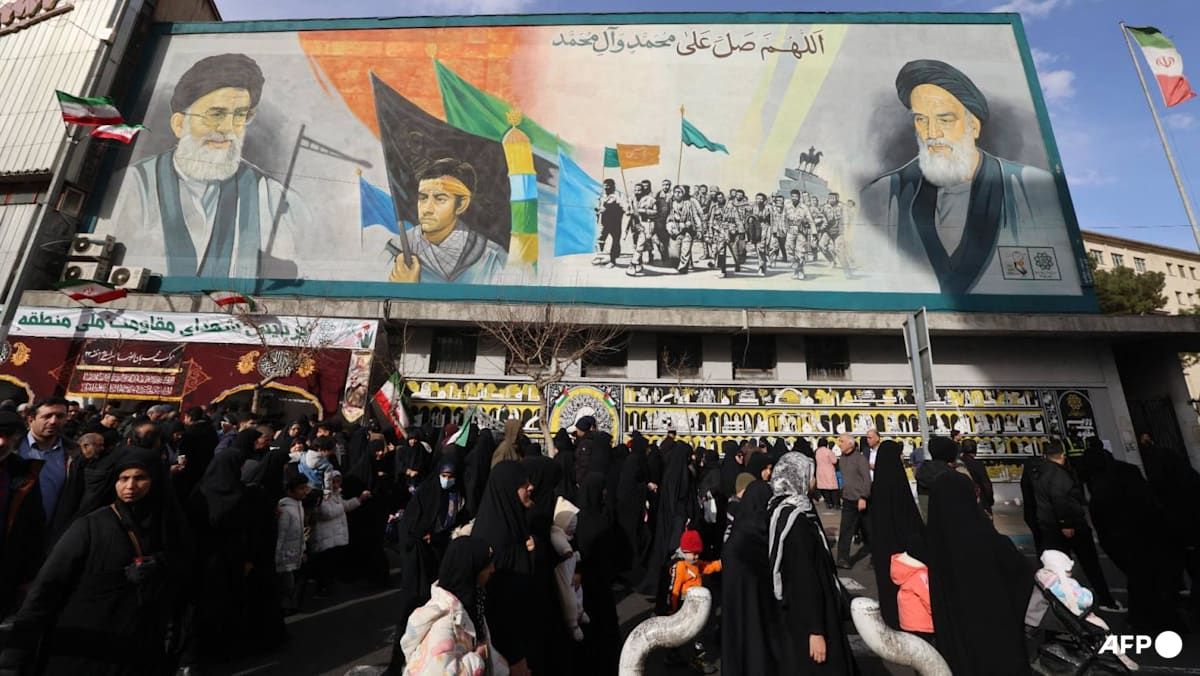
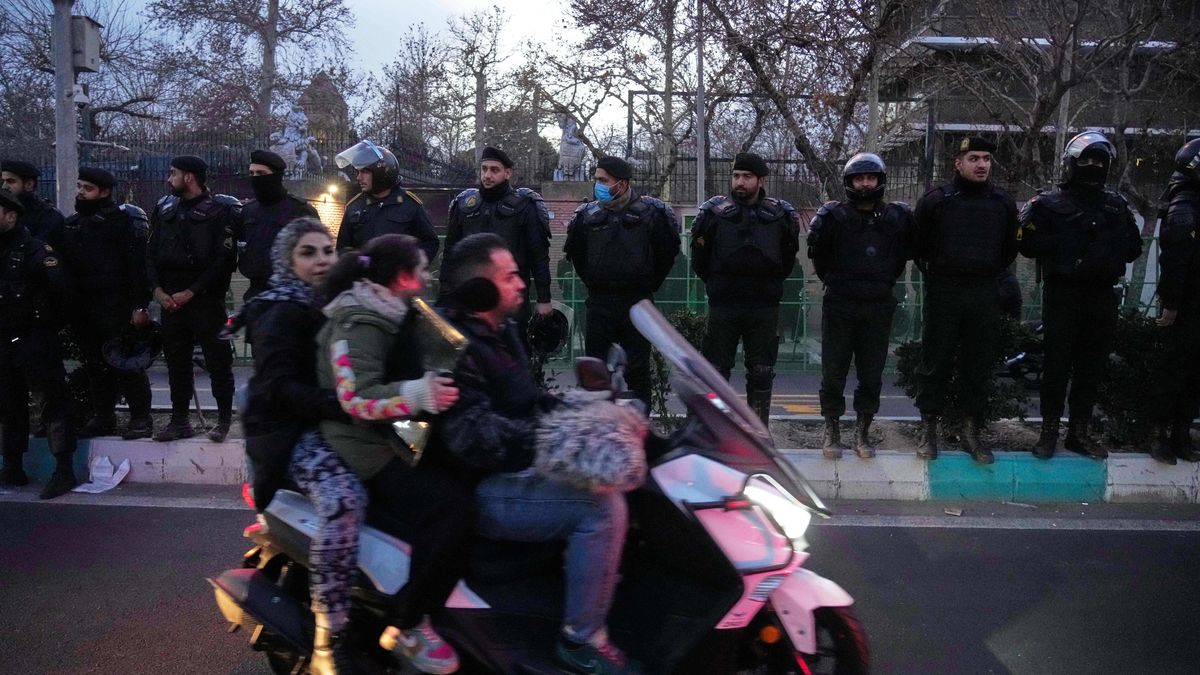
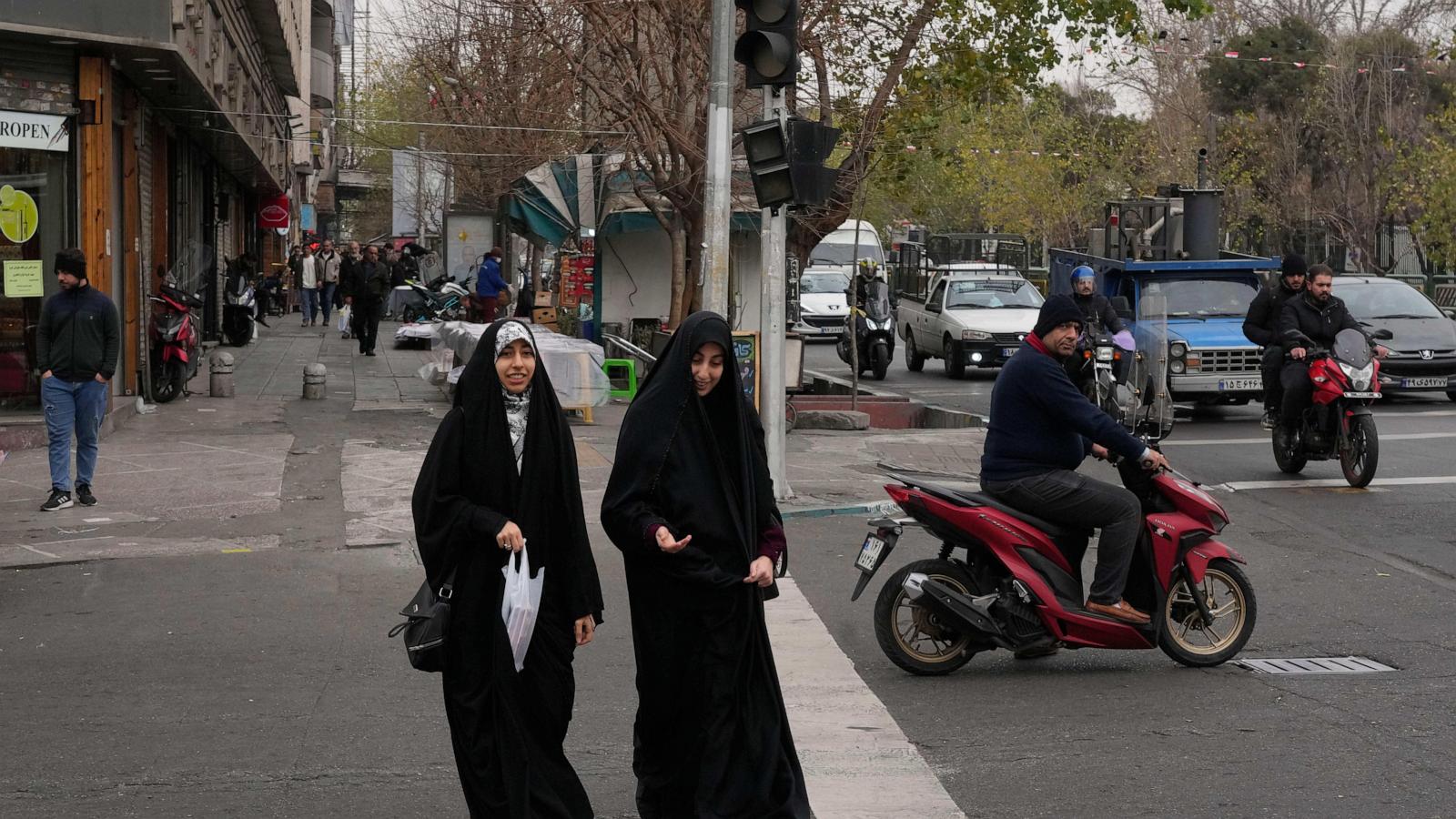
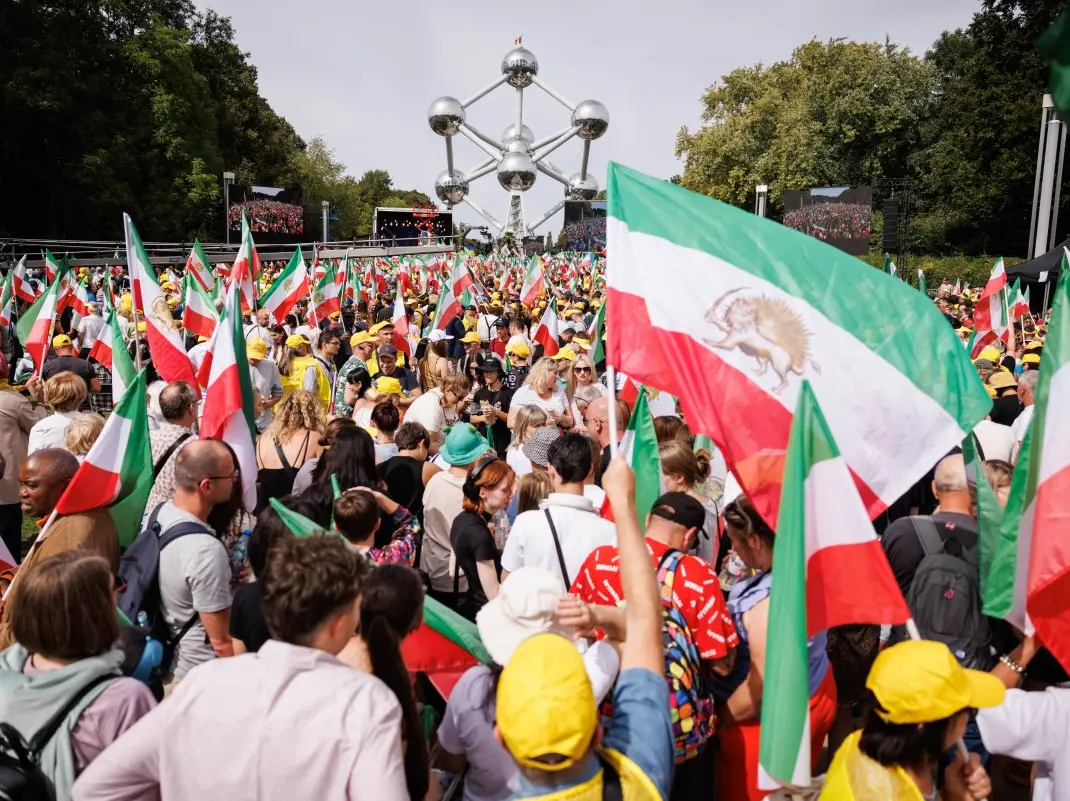
The Iranian geopolitical crisis represents a critical inflection point for cross-border e-commerce sellers operating in the Middle Eastern market. The sustained protests and government crackdown create significant operational risks and strategic recalibration opportunities for international sellers.
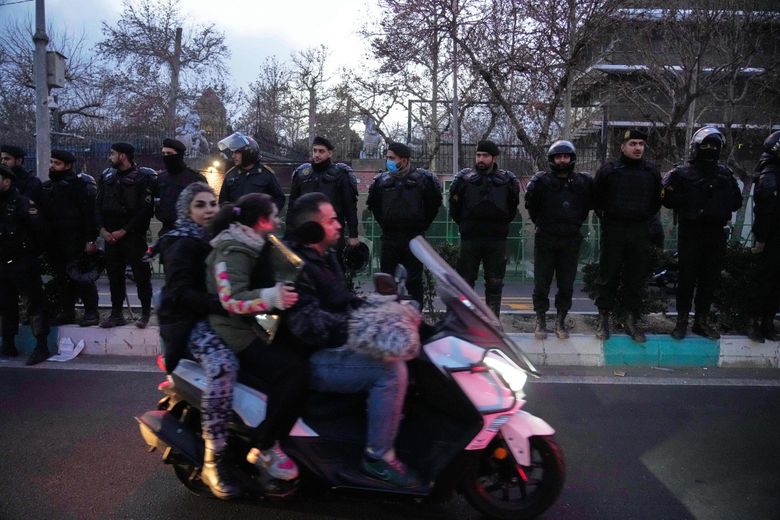
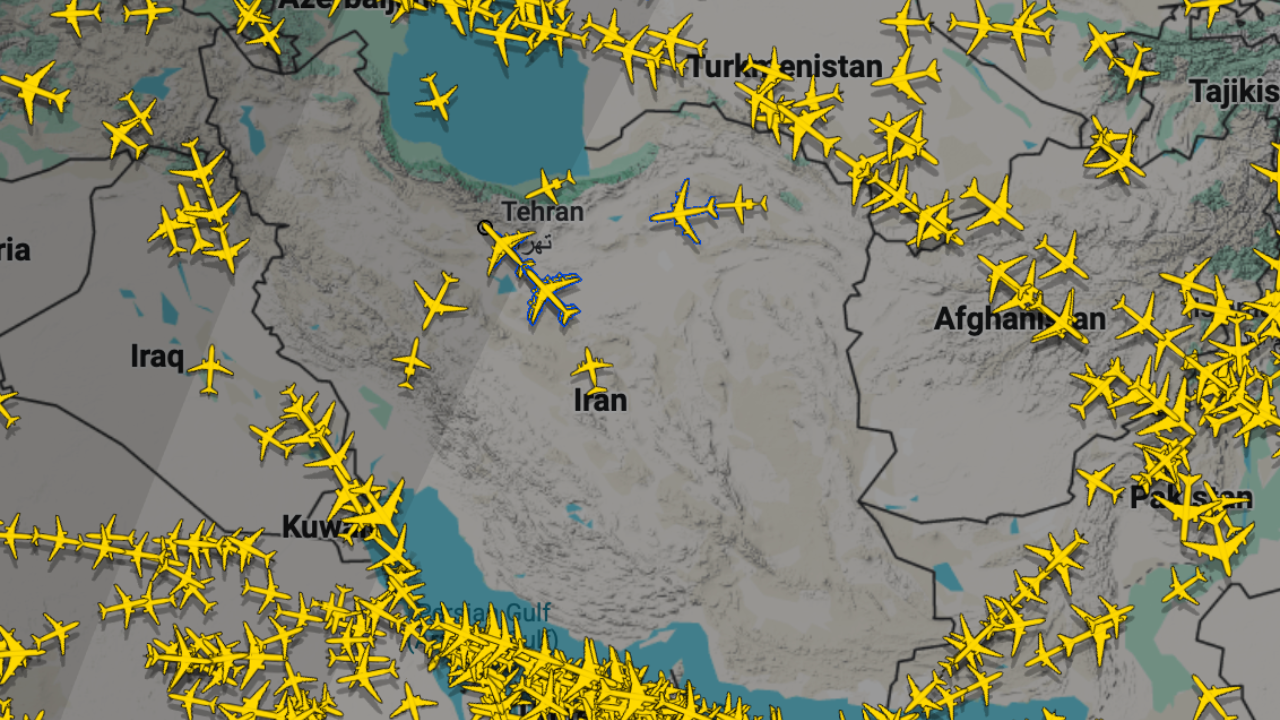
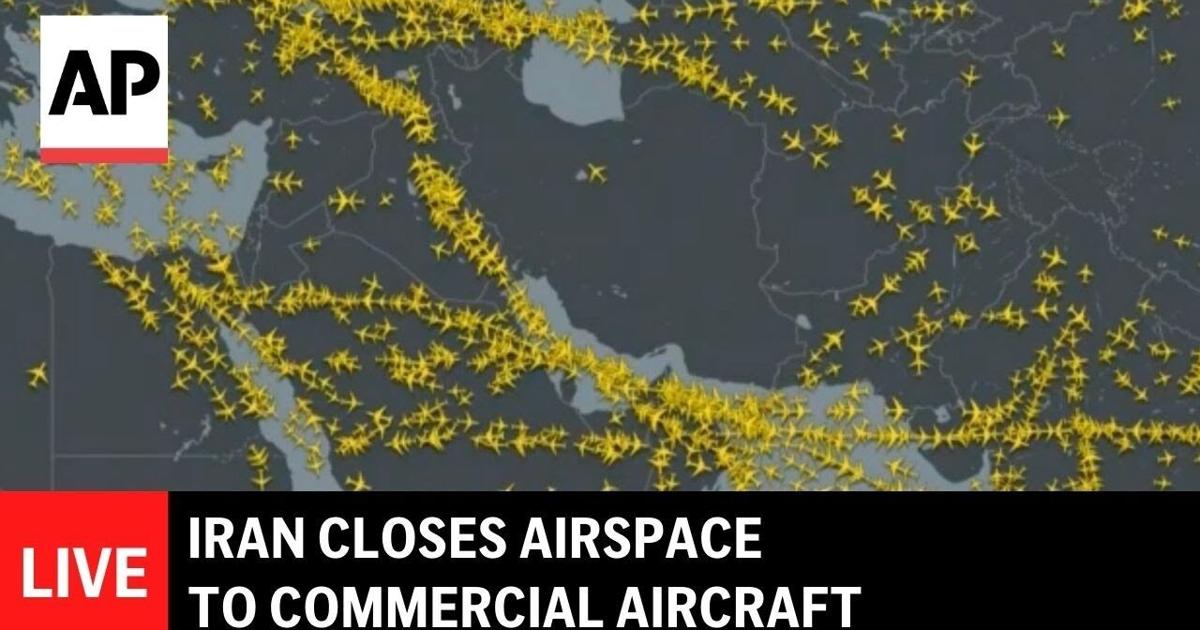
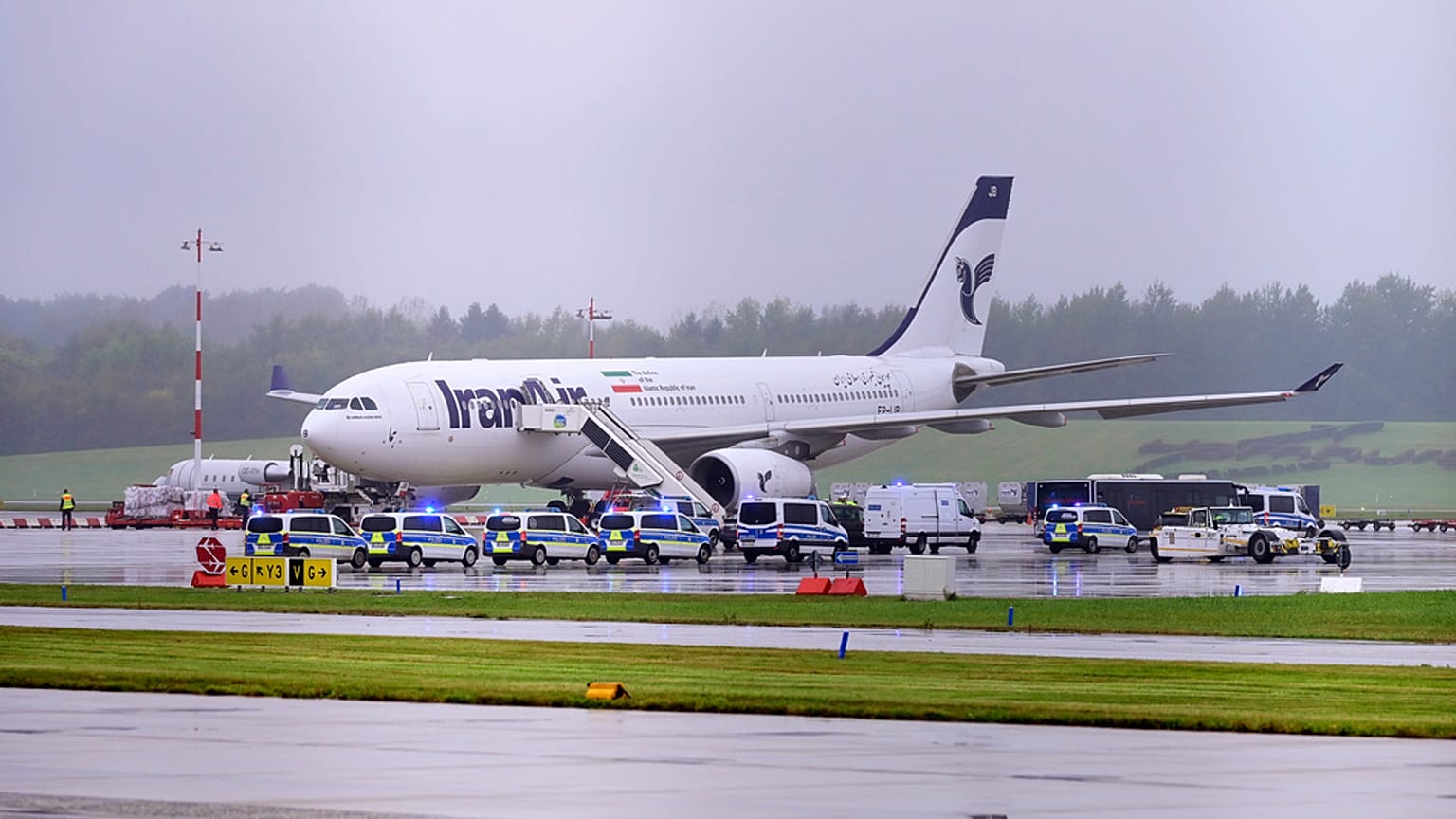
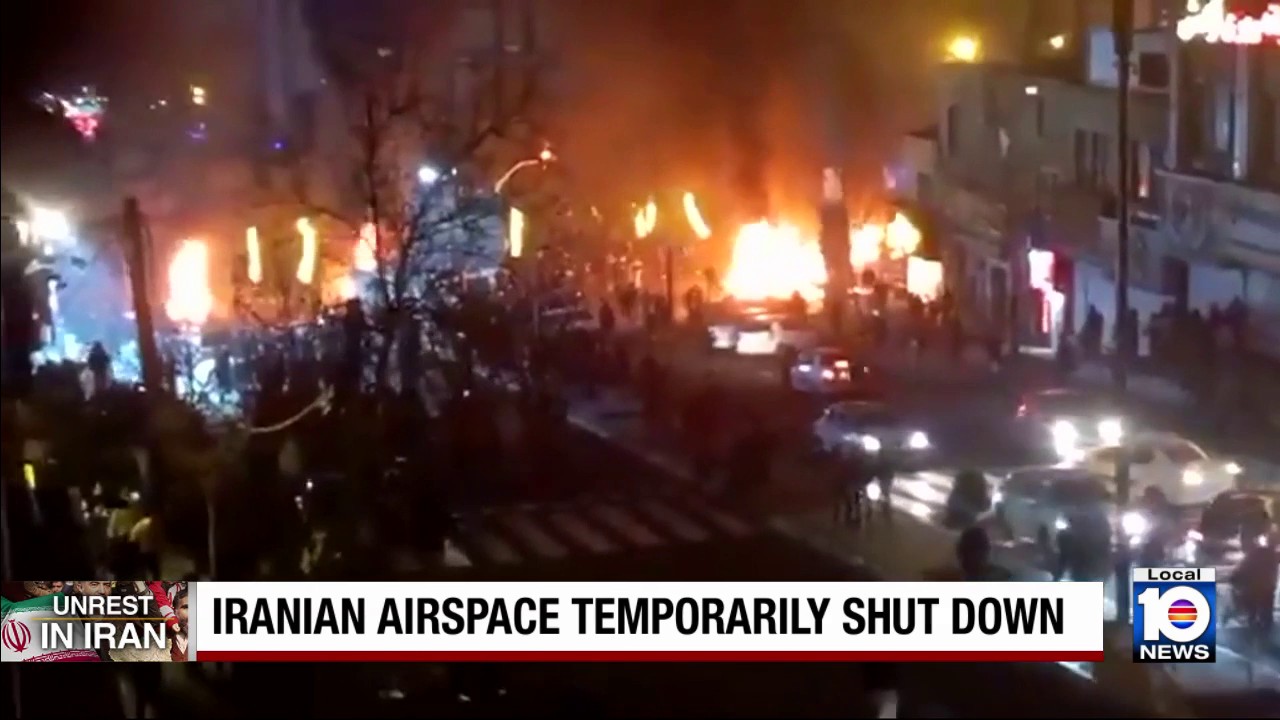
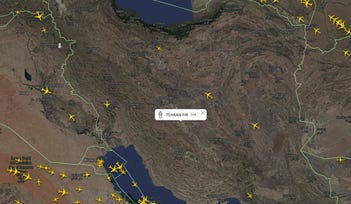
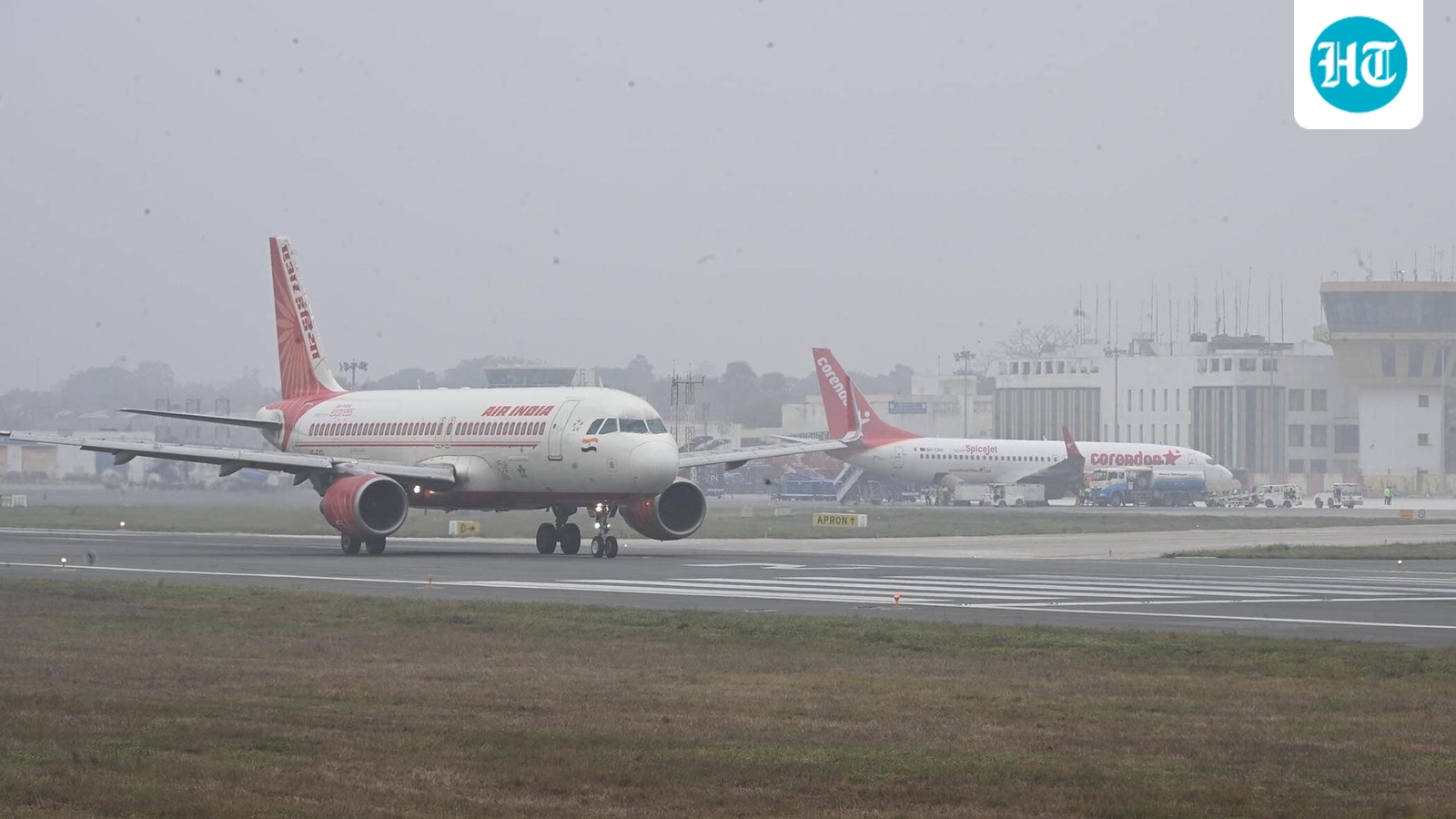
The 156-hour national internet blackout and airspace closure highlight the volatile market dynamics sellers must navigate. With 18,470 arrests and potential diplomatic escalation, sellers must implement robust risk mitigation strategies. Key market implications include potential supply chain disruptions, payment processing challenges, and restricted market access.
Sellers targeting Middle Eastern markets should focus on three critical adaptation strategies:
- Diversify logistics routes beyond Iranian infrastructure
- Implement flexible payment mechanisms that can withstand potential financial sanctions
- Develop contingency plans for rapid market exit or operational suspension
The geopolitical landscape suggests a 20-30% increased risk premium for sellers operating in the region. E-commerce platforms like Amazon and eBay will likely impose additional compliance requirements and potentially restrict merchant accounts in high-risk zones. Sellers should proactively review their market exposure and develop scenario-based operational playbooks.
Emerging opportunities exist for sellers who can rapidly adapt to changing market conditions. The economic grievances driving protests indicate potential demand for alternative financial services, digital communication tools, and products supporting economic resilience.
問題 5
How do Iran protests impact cross-border e-commerce sellers?
The protests create significant operational risks including potential internet blackouts, payment processing challenges, and supply chain disruptions. Sellers should develop flexible market entry/exit strategies and maintain diversified logistics routes.
What are the key market risks for sellers in the Middle East?
Primary risks include geopolitical instability, sudden regulatory changes, financial sanctions, and infrastructure vulnerabilities. Sellers should implement robust compliance monitoring and maintain 20-30% risk contingency budgets.