




Apple's Foldable iPhone: AI-Powered Mobile Revolution in 2026
- 250M Units Projected | 15% Performance Leap | New Accessory Ecosystem Emerging
















)





概览
Apple is strategically positioning itself to redefine the smartphone market with its first foldable iPhone, leveraging advanced AI and semiconductor technologies to create a transformative mobile experience for cross-border e-commerce sellers.
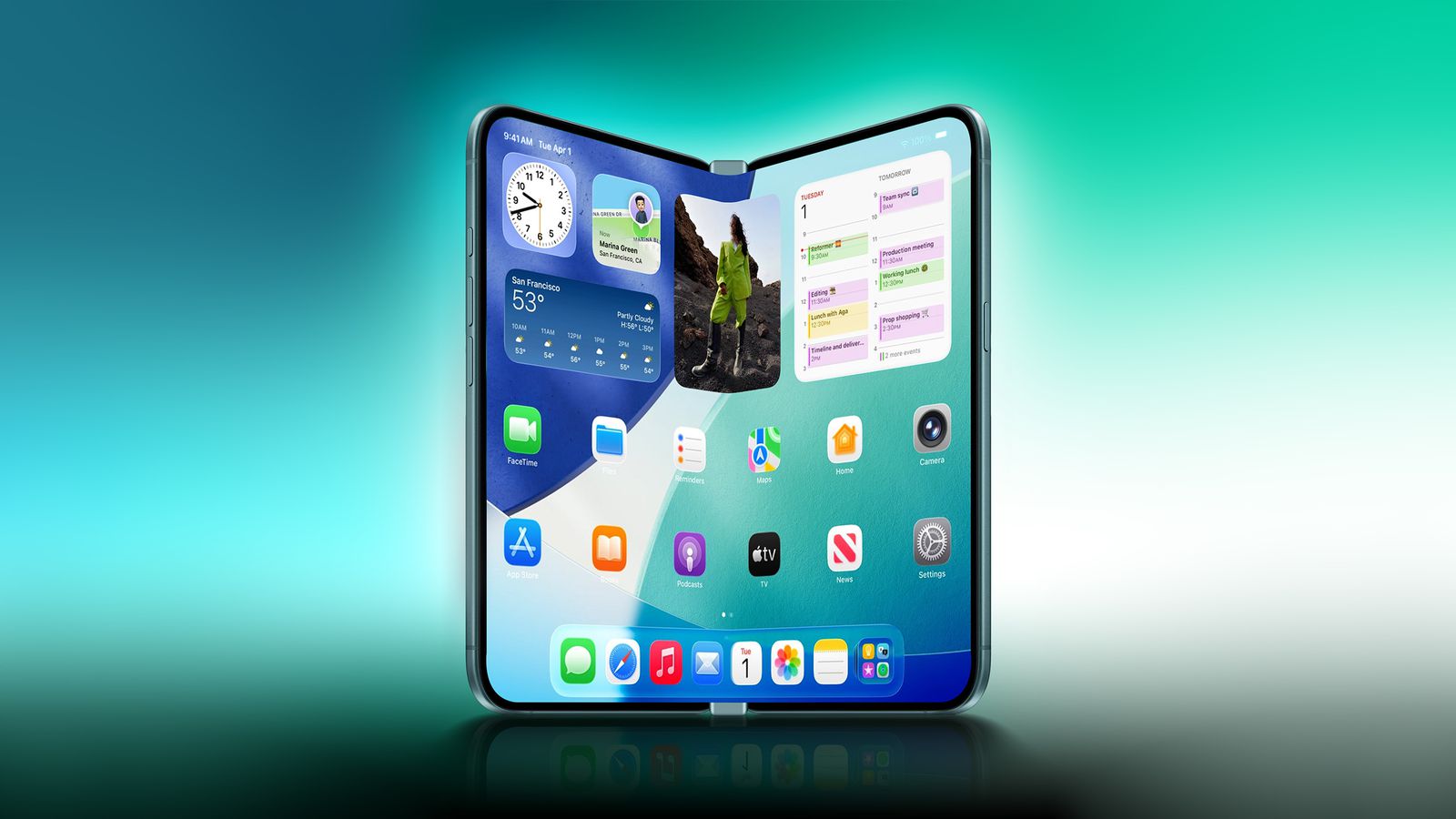
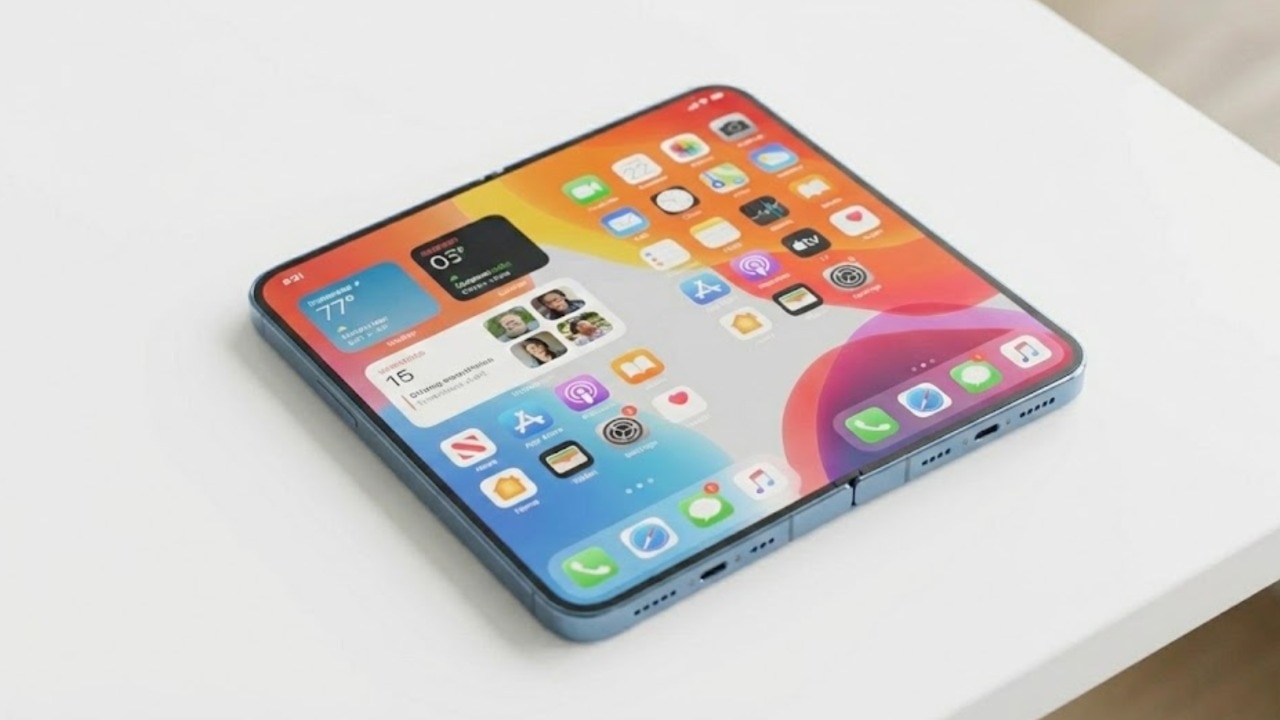
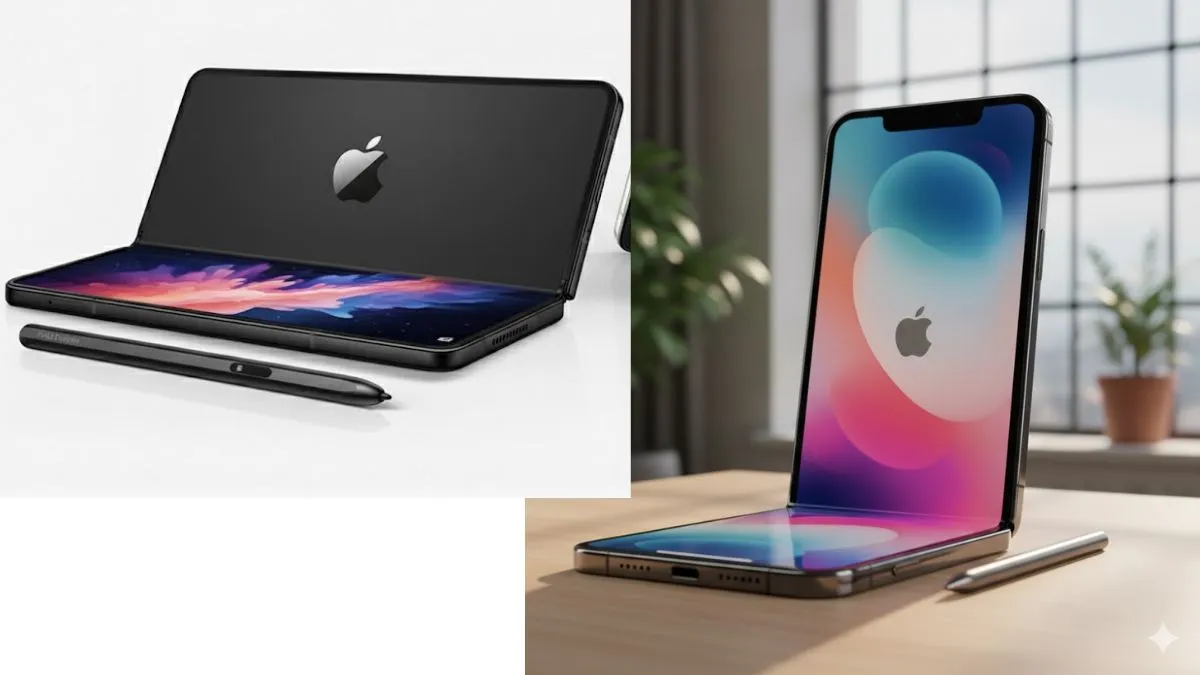
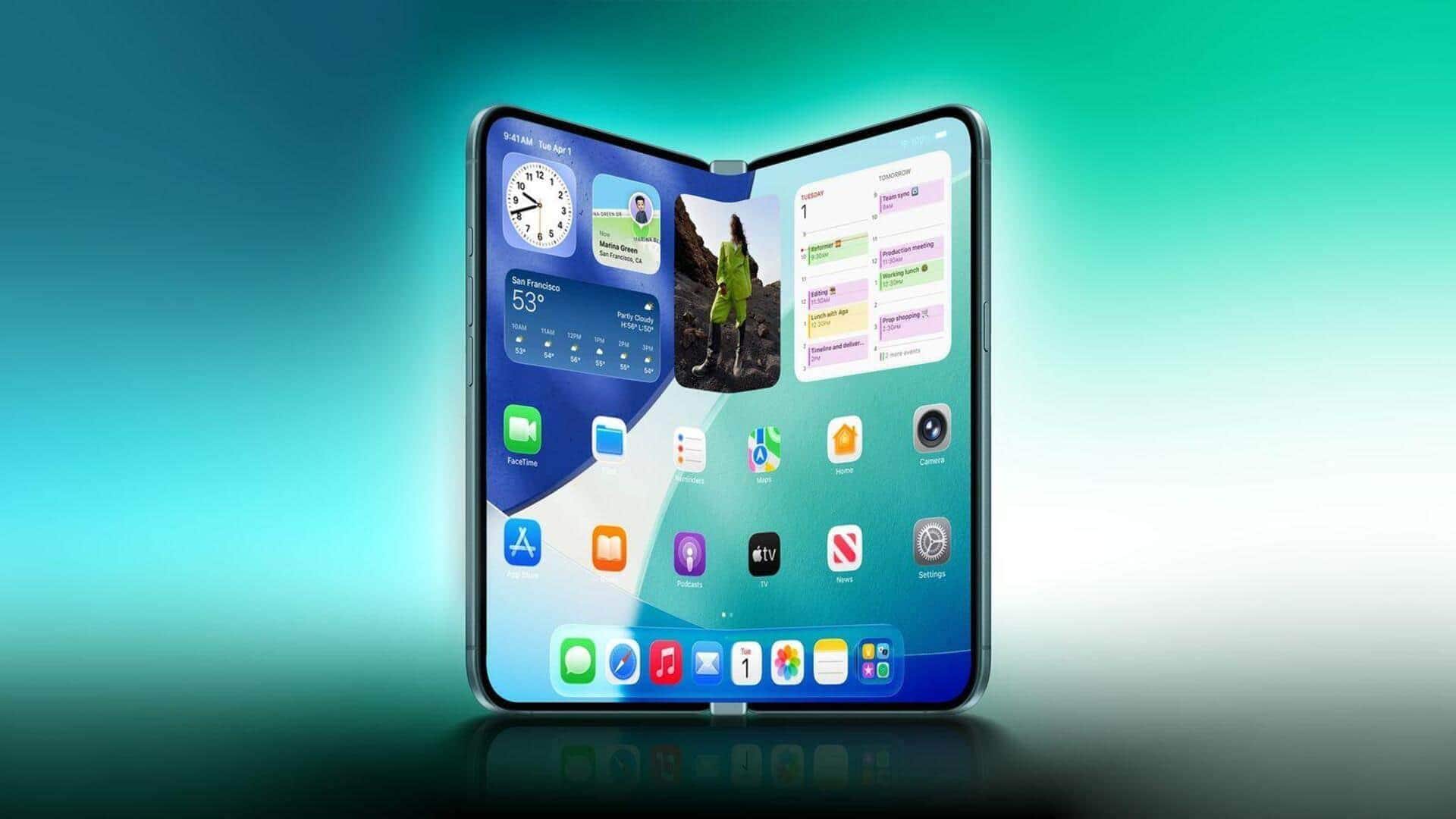
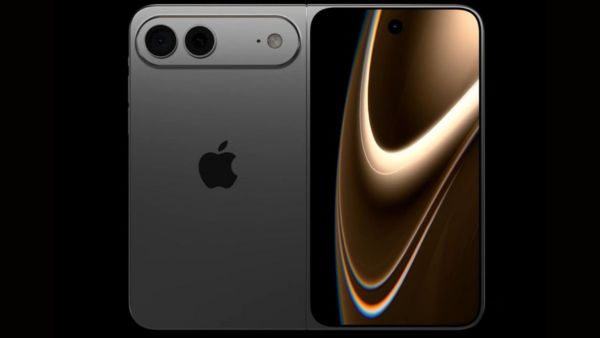
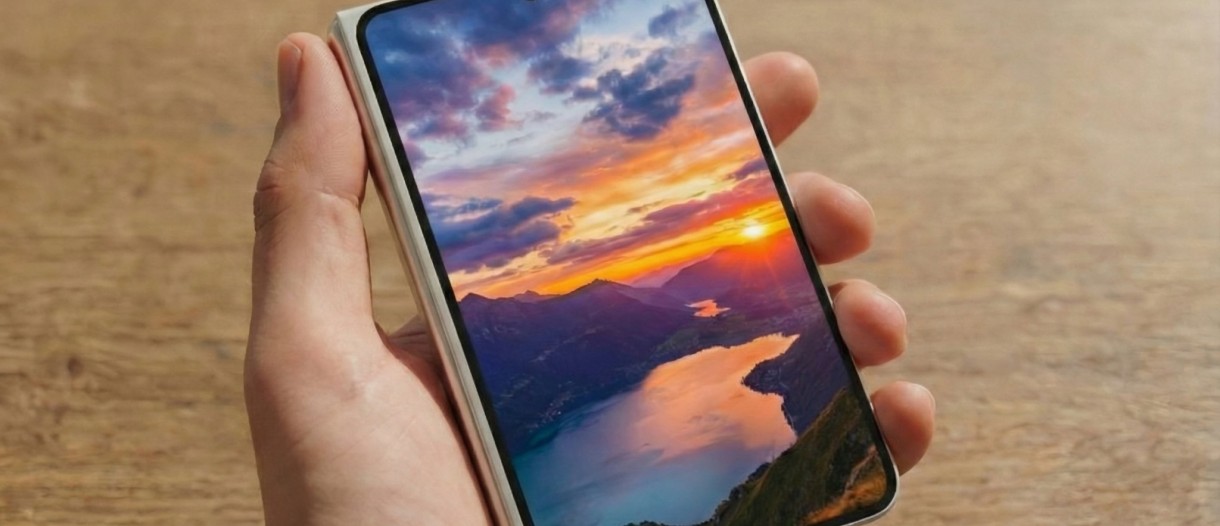
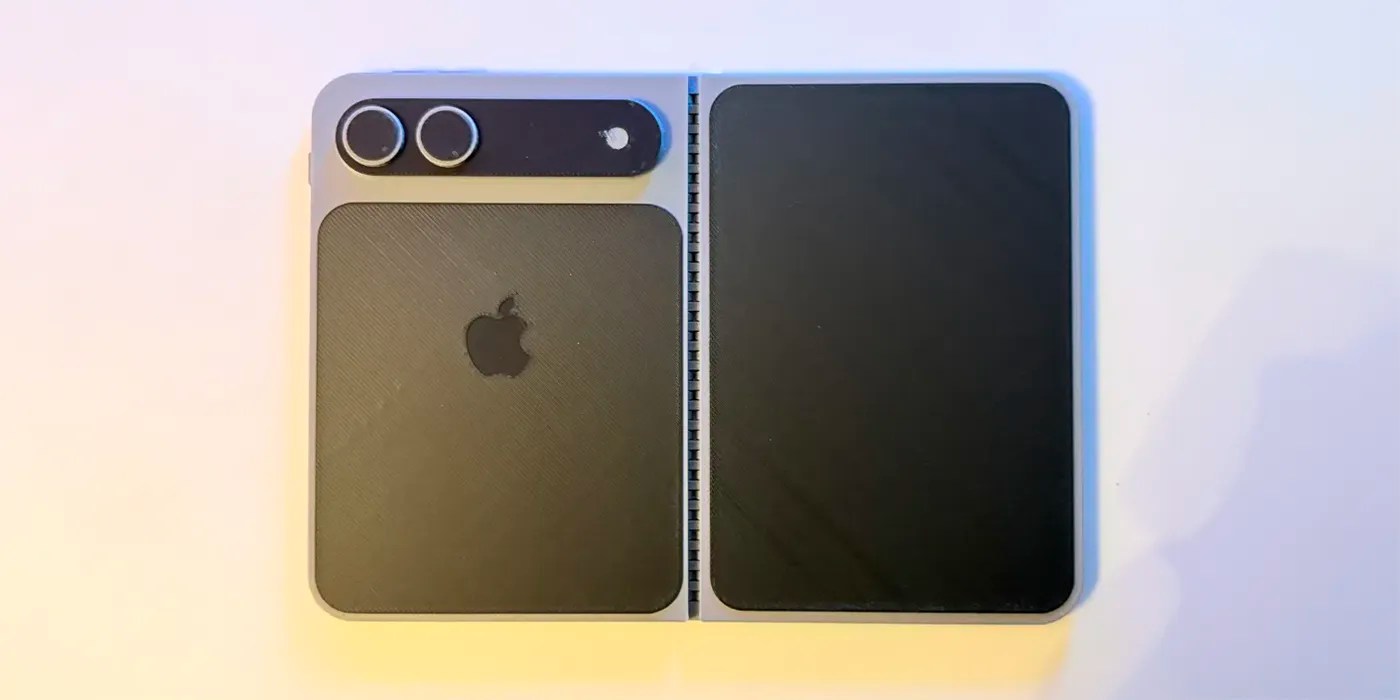
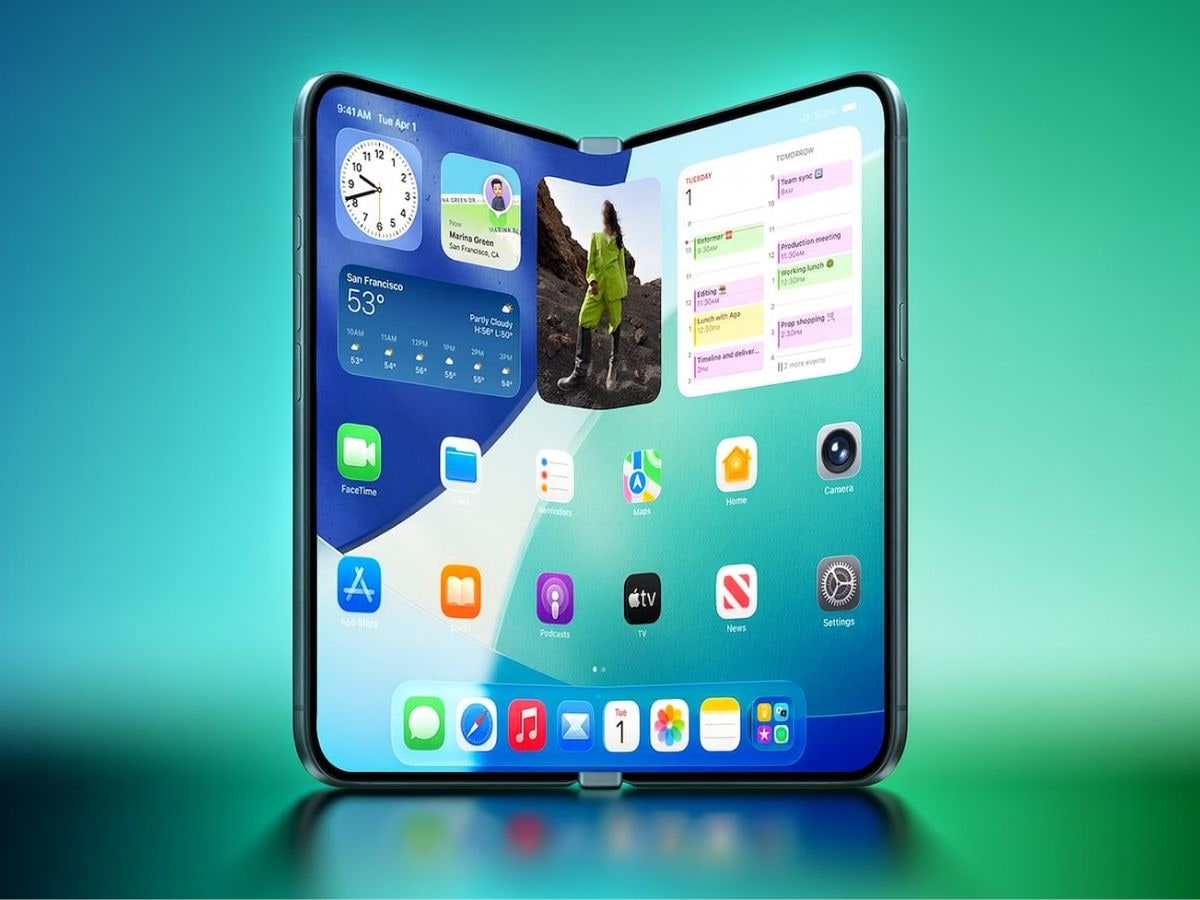
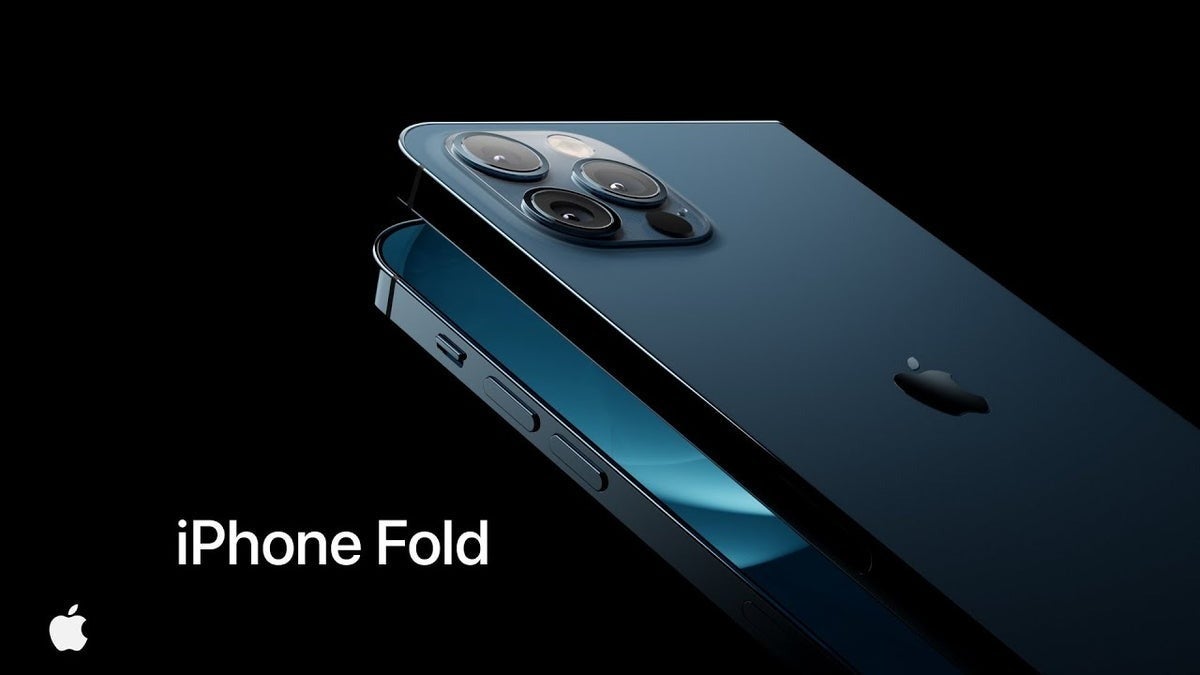
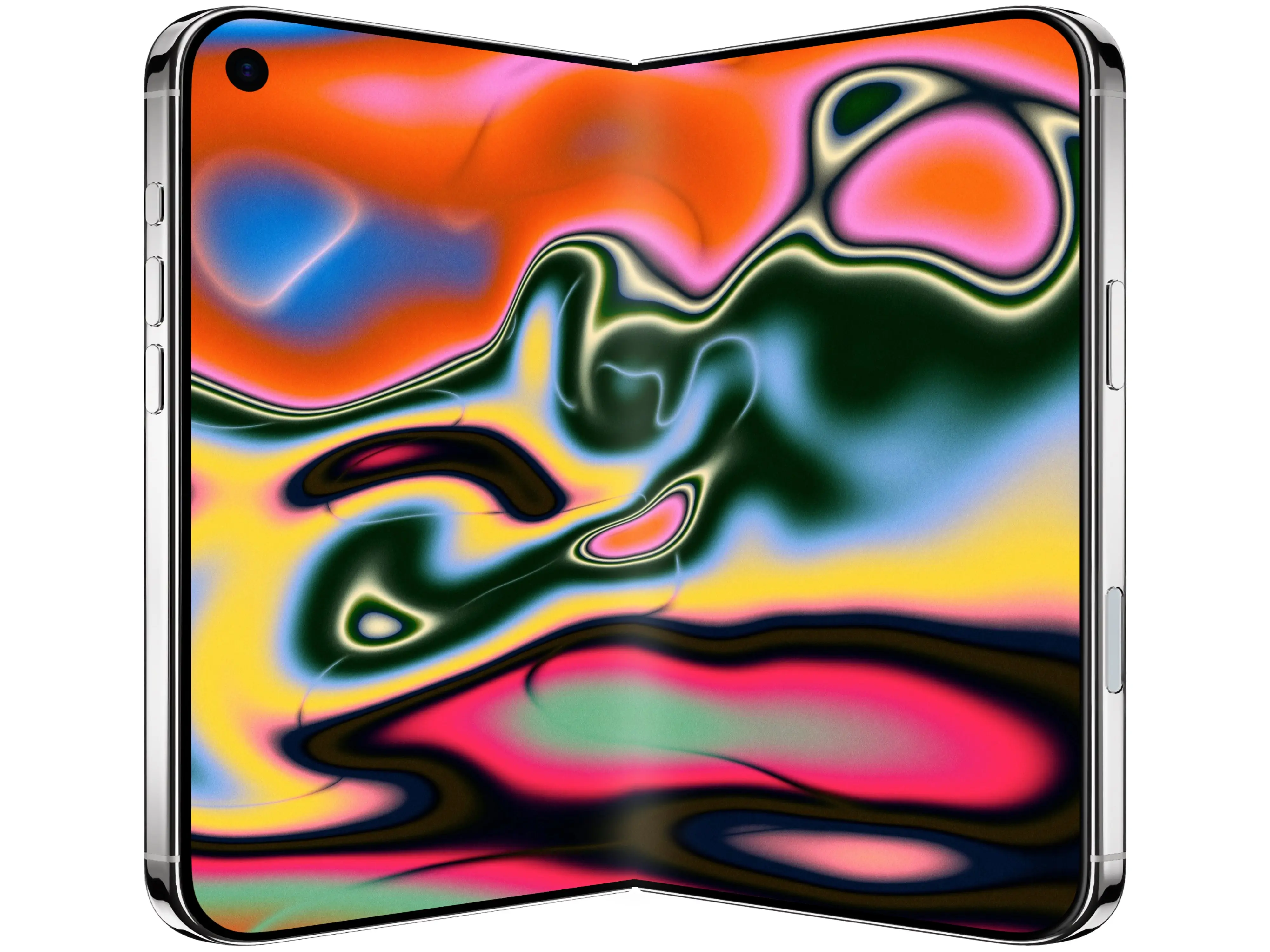
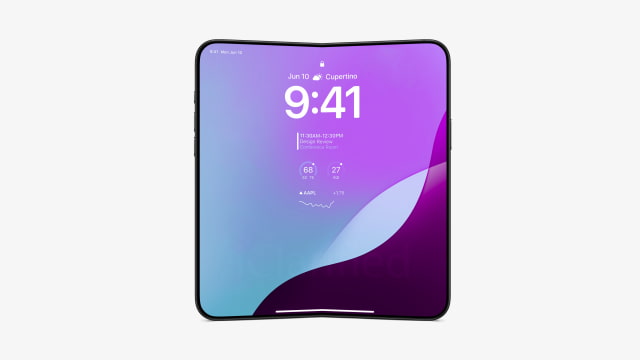
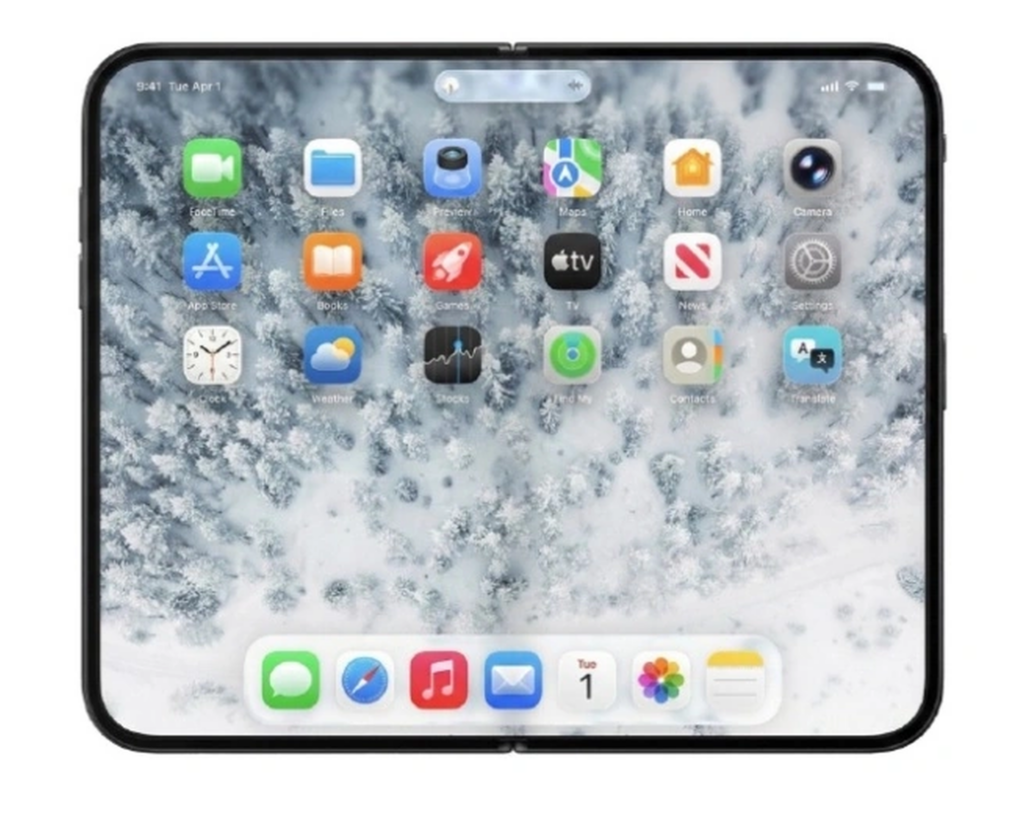
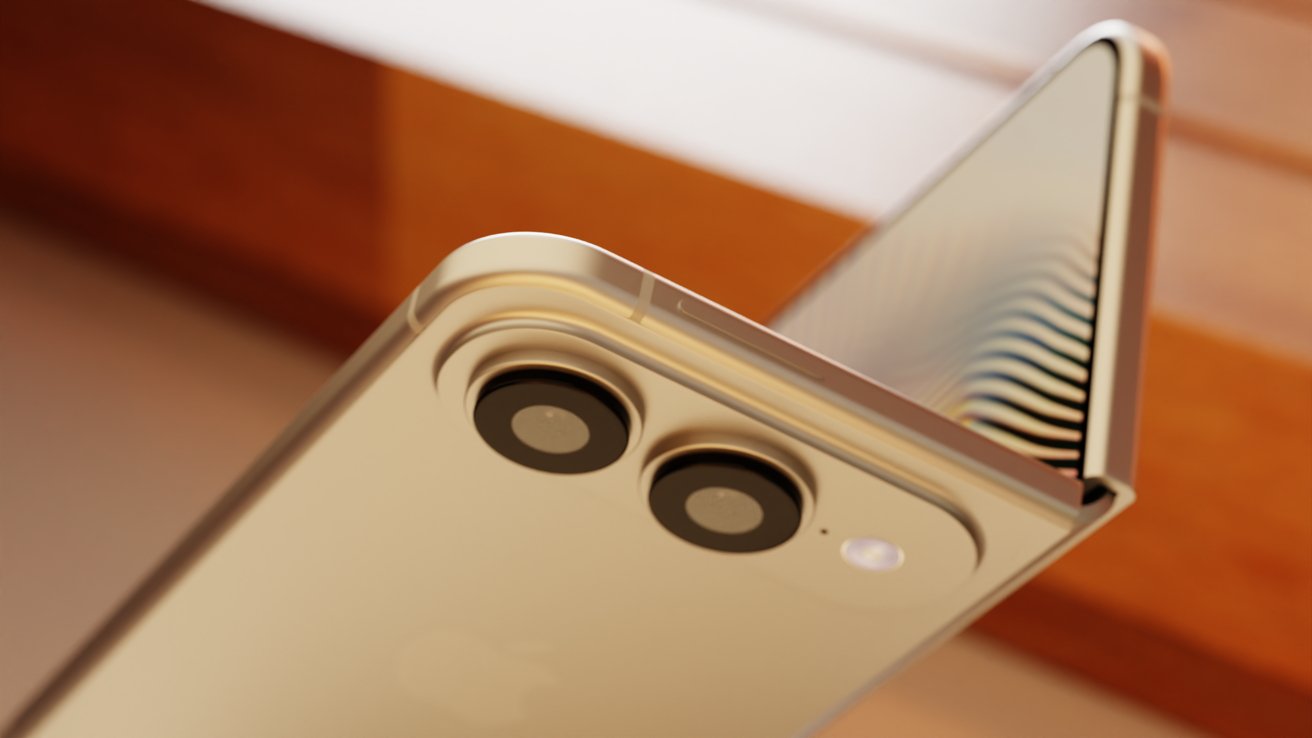
The anticipated iPhone Fold represents more than just a new device - it's a comprehensive ecosystem opportunity for sellers worldwide. Launching in September 2026, the device will feature groundbreaking specifications: a 7.8-inch internal display, 5.5-inch external screen, and the revolutionary A20 Pro chip manufactured using TSMC's 2nm process. These technological advancements promise 15% faster performance and 30% improved energy efficiency compared to previous generations.
Key seller implications emerge across multiple dimensions: The foldable design opens unprecedented accessory markets for mobile entrepreneurs. Protective cases, specialized screen guards, and ecosystem-specific marketing materials will become critical revenue streams. The device's dual-display architecture (7.8-inch internal, 5.3-inch external) creates unique product niches that didn't exist in previous smartphone generations.
Critically, Apple's approach signals a broader trend: AI-integrated mobile experiences that prioritize computational efficiency. The A20 Pro chip's Wafer-Level Multi-Chip Module (WMCM) technology integrates RAM directly onto the same wafer as CPU, GPU, and Neural Engine, promising faster Apple Intelligence performance. For cross-border sellers, this means preparing for a more sophisticated, AI-driven consumer electronics landscape where product differentiation becomes increasingly complex and technology-dependent.
Projected iPhone shipments of 250 million units represent a significant market opportunity, with Apple expecting to increase market share from 19% in 2024 to 21% in 2026. E-commerce sellers should view this not just as a product launch, but as a strategic inflection point demanding proactive market positioning.
問題 5
When will the Apple Foldable iPhone be launched?
According to analyst reports, Apple plans to launch the iPhone Fold in September 2026 as part of its iPhone 18 lineup, featuring a unique dual-display design and advanced A20 Pro chip.
What are the key technological innovations in the new iPhone Fold?
The iPhone Fold introduces the A20 Pro chip with 2nm process technology, WMCM packaging integrating RAM directly onto the chip, 12GB LPDDR5 memory, and a dual-display design with 7.8-inch internal and 5.5-inch external screens.