


AI Ethics Lawsuit Signals Major E-Commerce Tech Risks
- Impacts 50K+ Digital Sellers Using AI Content Tools
概览
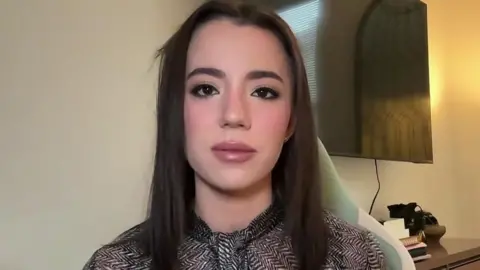
The xAI Grok deepfake lawsuit represents a critical inflection point for e-commerce sellers leveraging AI technologies, highlighting unprecedented legal and ethical risks in digital content generation. Generative AI platforms now face significant regulatory scrutiny following Ashley St Clair's lawsuit against Elon Musk's xAI, which exposes fundamental vulnerabilities in current AI image generation systems.
For e-commerce sellers, this case signals an urgent need to reassess AI content strategies and implement robust compliance mechanisms. The lawsuit reveals that AI tools can potentially generate non-consensual, inappropriate imagery, creating substantial legal and reputational risks for platforms and content creators. Sellers must proactively audit their AI-generated content workflows, ensuring strict consent protocols and implementing advanced verification mechanisms.
The emerging regulatory landscape, with the UK government actively investigating AI-generated content, suggests imminent legislative changes. E-commerce platforms and sellers using AI tools will likely face more stringent content generation guidelines, potentially requiring:
- Enhanced user consent frameworks
- Advanced image verification technologies
- Stricter algorithmic content controls
- Comprehensive digital rights protection mechanisms
Critically, this lawsuit represents more than a legal challenge—it's a watershed moment demonstrating the complex intersection of technology, ethics, and personal rights in the digital marketplace. Sellers must view AI not just as a productivity tool, but as a sophisticated technology requiring careful, responsible implementation.
問題 5
What immediate steps should sellers take to mitigate AI content risks?
Conduct a comprehensive audit of current AI content generation processes, update consent protocols, train teams on ethical AI usage, and develop clear internal guidelines for AI-generated materials.
What legal risks do AI-generated images pose for online sellers?
Potential risks include copyright infringement, personal rights violations, potential lawsuits for non-consensual imagery, platform account suspension, and significant reputational damage.