




Viking Trade Strategies: E-Commerce Lessons from Greenland's History
- Revealing 1000-Year-Old Cross-Border Expansion Tactics for Modern Sellers






概览
The historical narratives of Greenland offer profound insights into cross-border commerce strategies that resonate deeply with modern e-commerce entrepreneurs. Viking exploration represents an early masterclass in international market expansion, demonstrating timeless principles of strategic trade and cultural adaptation.
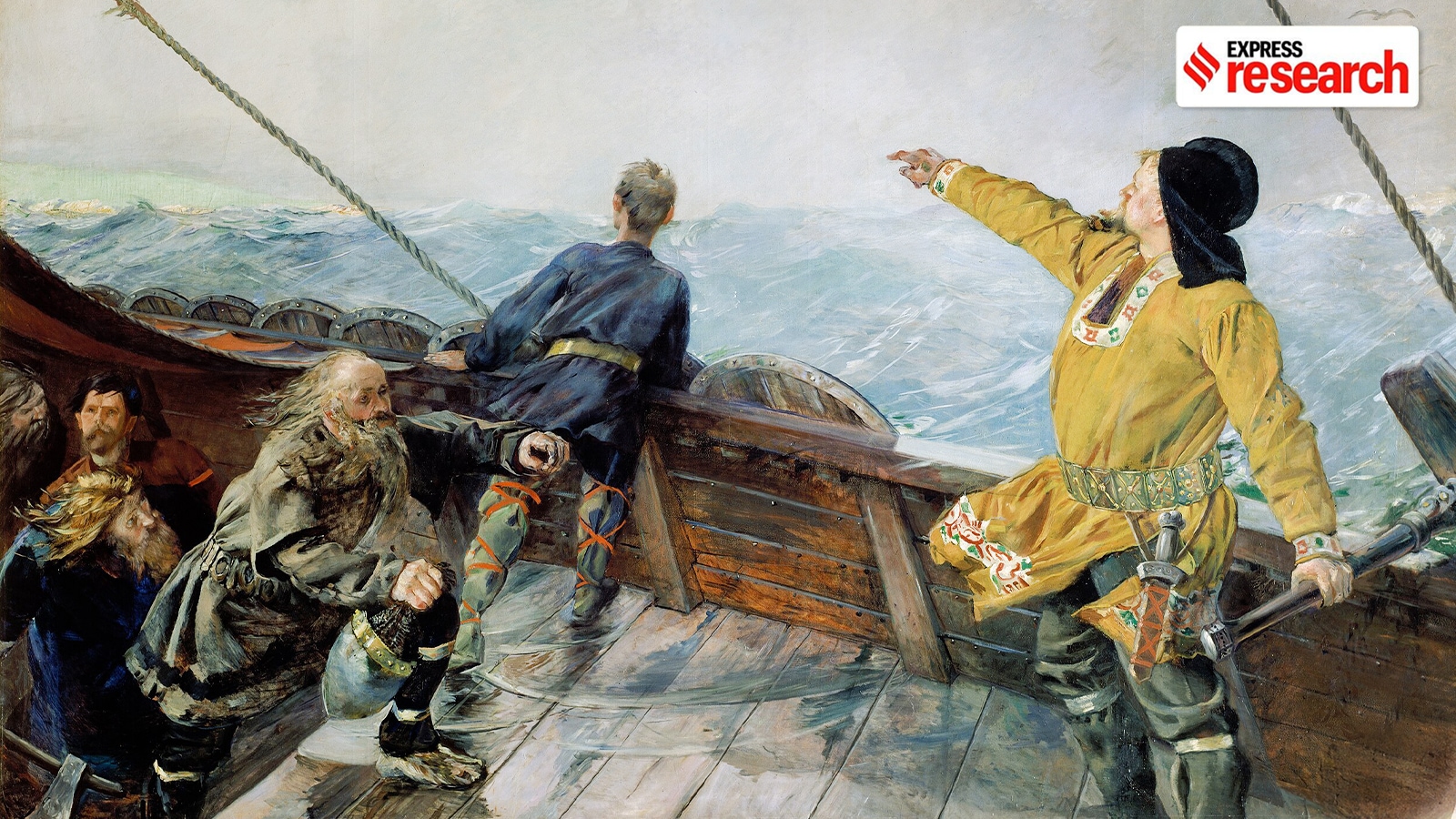
Between 970-1030 CE, Norse explorers like Eirik the Red pioneered sophisticated cross-border trade techniques that mirror contemporary international selling approaches. Their pragmatic naming conventions—strategically labeling territories like 'Markland' and 'Vinland' based on economic potential—showcase an advanced understanding of market positioning that today's Amazon and eBay sellers can learn from.
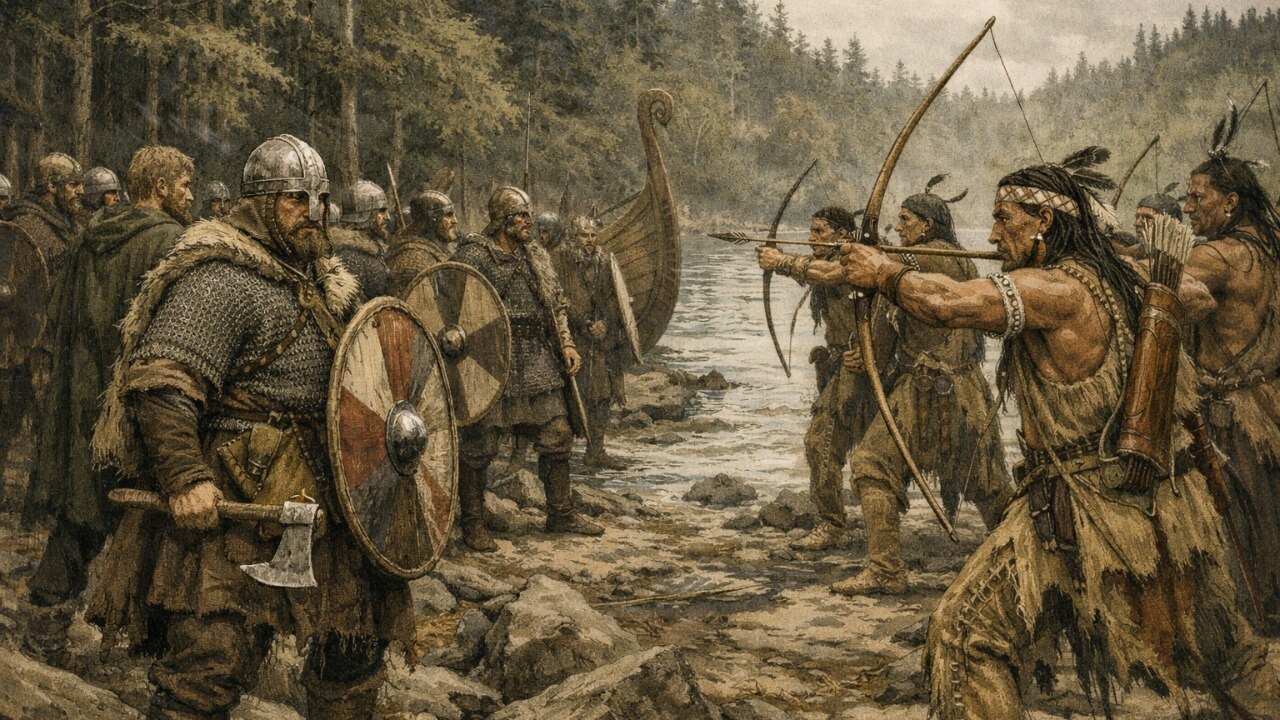
The Vikings' cross-cultural trade model reveals critical e-commerce insights: successful international expansion is about more than product listings. By engaging in complex trade relationships with indigenous populations, exchanging specialized goods like dyed cloth and dairy products for animal skins, they demonstrated nuanced negotiation techniques. Their settlement strategy emphasized comprehensive community development, including cultural integration—a parallel to modern marketplace platform strategies that prioritize localization and trust-building.
Critically, their approach to Greenland's colonization highlights three key seller principles:
- Strategic resource assessment
- Adaptive cross-cultural communication
- Long-term relationship building
By 1261, Greenland's formal submission to Norwegian rulership underscored the importance of strategic political and economic alliances—a principle equally vital in today's interconnected global e-commerce landscape. Modern sellers can draw direct parallels: successful cross-border commerce requires understanding local resources, building strategic relationships, and continuously adapting to new cultural contexts.
問題 4
What can e-commerce sellers learn from Greenland's historical settlement?
Sellers can learn three key lessons: (1) Conduct thorough market research before expansion, (2) Develop strong cross-cultural communication skills, and (3) Build long-term relationships rather than focusing on short-term transactions.
How did Viking trade strategies relate to modern cross-border e-commerce?
Vikings demonstrated sophisticated market entry techniques by strategically assessing resources, building cross-cultural relationships, and adapting to new environments—principles directly applicable to today's international e-commerce sellers expanding into new marketplaces.