





EU Trade Disruption: 10-25% Tariff Impact on Cross-Border Sellers
- Affects 8 NATO Countries, Potential $500M+ E-Commerce Market Shift












概览
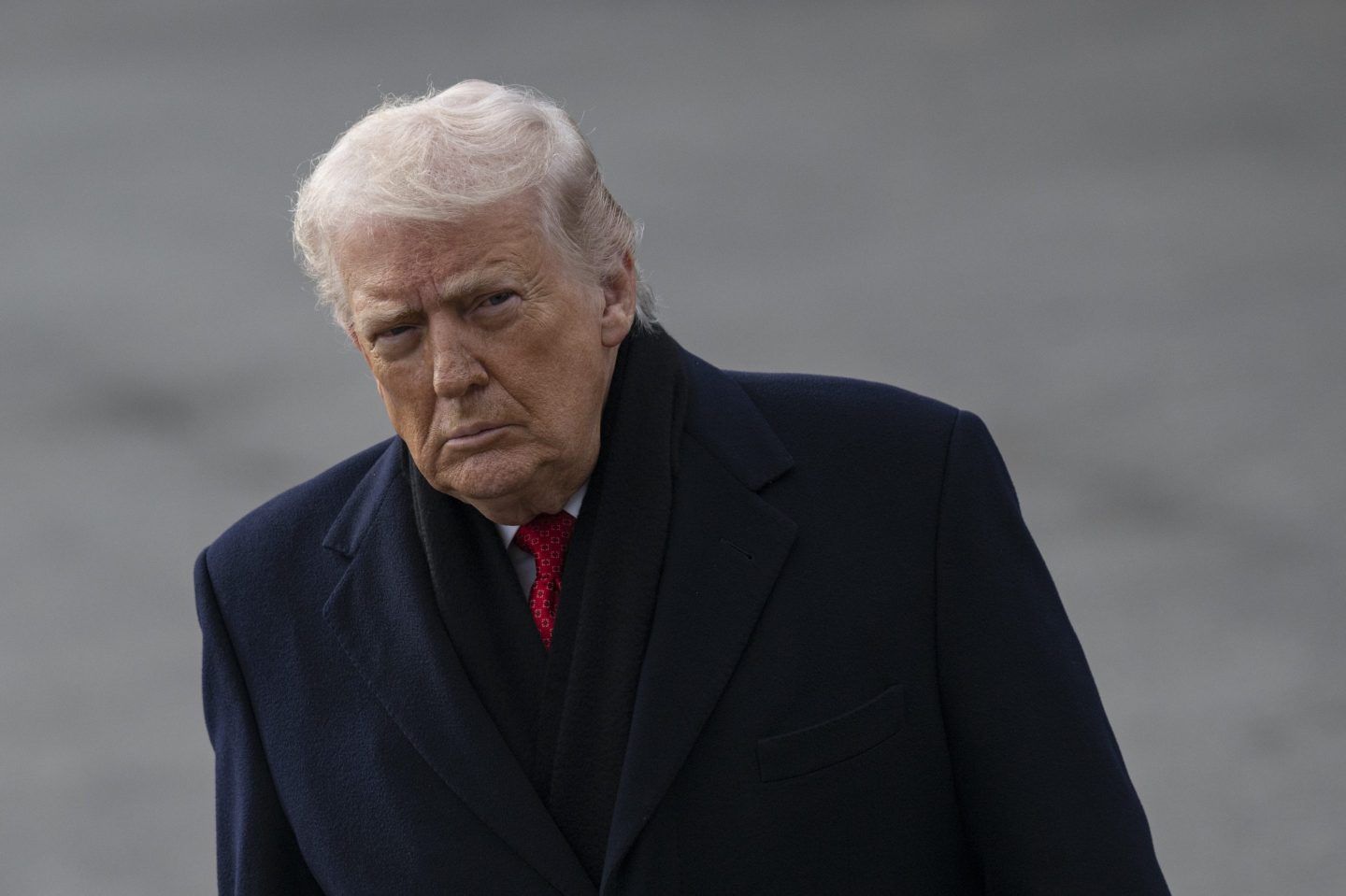
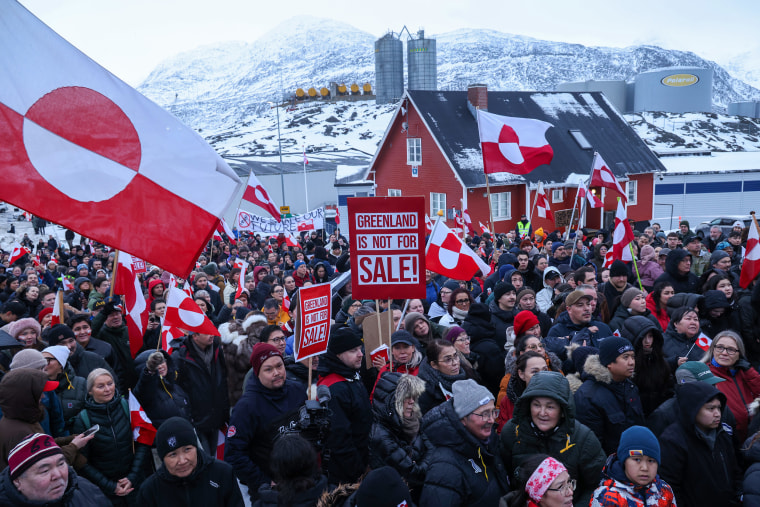
The unprecedented tariff announcement targeting eight European countries represents a critical inflection point for cross-border e-commerce sellers, creating complex market reconfiguration opportunities. Trump's 10-25% tariff strategy on Denmark, Norway, Sweden, France, Germany, UK, Netherlands, and Finland signals a major geopolitical and trade disruption with immediate implications for international sellers.
Strategic Market Implications: The tariff escalation creates immediate arbitrage opportunities for sellers who can rapidly adapt their sourcing and logistics strategies. European sellers will face margin compression between 8-15%, forcing strategic re-evaluation of supply chain configurations. US-based sellers shipping European products will need to implement immediate hedging strategies, potentially shifting sourcing to non-targeted countries or absorbing partial cost increases.
Operational Recommendations: Sellers must conduct rapid supply chain audits, focusing on:
- Tariff code reclassification opportunities
- Alternative sourcing from non-targeted countries
- Potential product repricing strategies
- Logistics route optimization to minimize tariff exposure
The geopolitical tension creates a dynamic environment where agile sellers can gain competitive advantages by quickly repositioning their international trade strategies. The tariff implementation timeline (February 1, 2026 at 10%, escalating to 25% by June 1) provides a strategic window for proactive market repositioning.
問題 4
Could these tariffs create new market opportunities?
Absolutely. Agile sellers can leverage this disruption by quickly repositioning their international trade strategies, exploring arbitrage opportunities in non-targeted markets, and developing innovative sourcing and logistics solutions.
Which product categories are most vulnerable to these tariffs?
High-value manufactured goods, electronics, precision instruments, and luxury consumer products from targeted European countries will face the most significant challenges. Sellers in these categories should prioritize diversifying supply chains and exploring alternative sourcing regions.