
Global Tech Supply Chain Disruption: Nvidia Chip Export Restrictions
- Impact Spans 1M+ Tech Orders Across Cross-Border Markets




/Nvidia%20logo%20and%20sign%20on%20headquarters%20by%20Michael%20Vi%20via%20Shutterstock.jpg)
概览
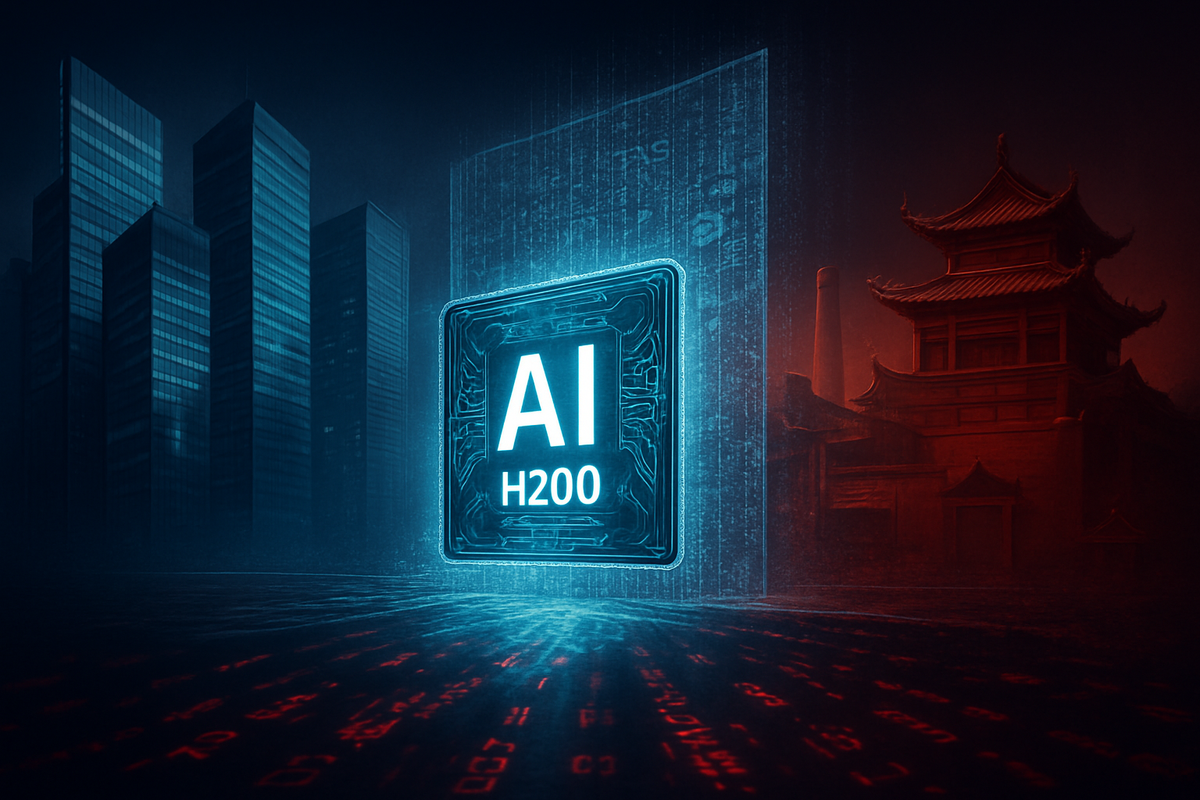
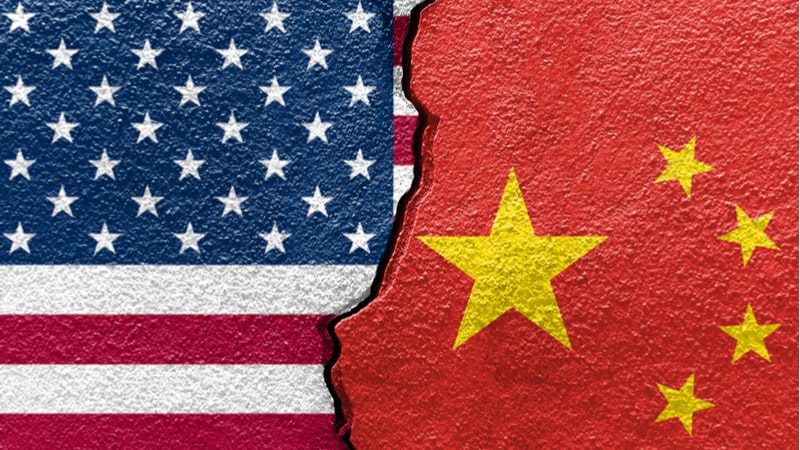
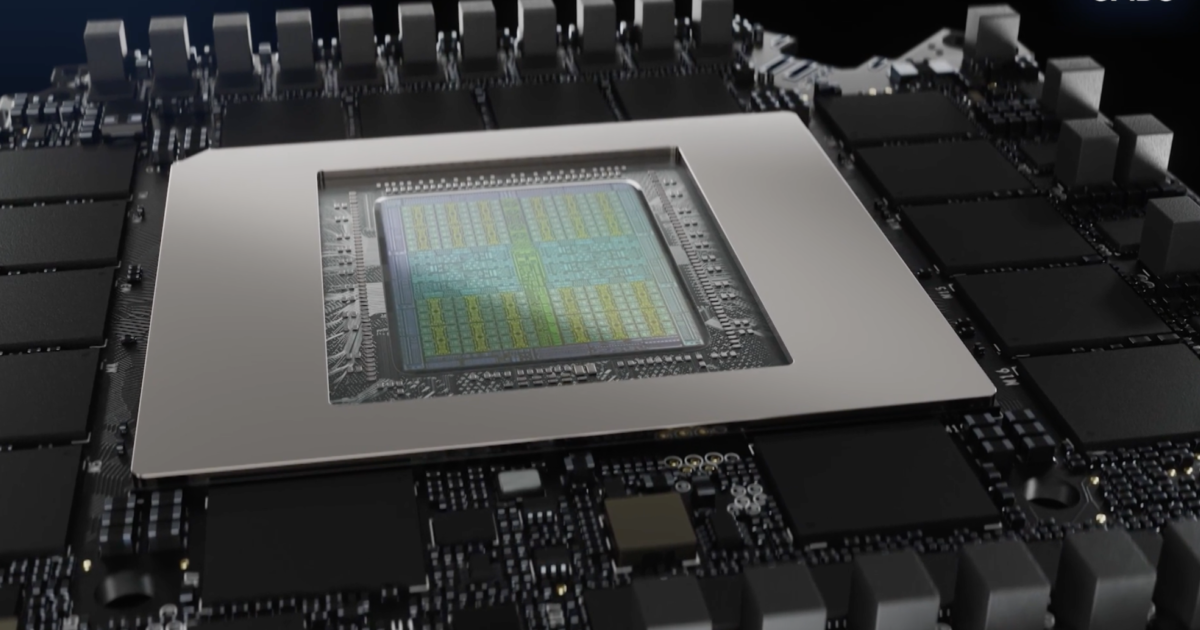
The US-China semiconductor export landscape is experiencing a critical transformation driven by geopolitical technology restrictions on advanced AI processors. The Nvidia H200 chip blockade represents a pivotal moment in cross-border technology trade, signaling unprecedented regulatory complexity for international technology sellers.
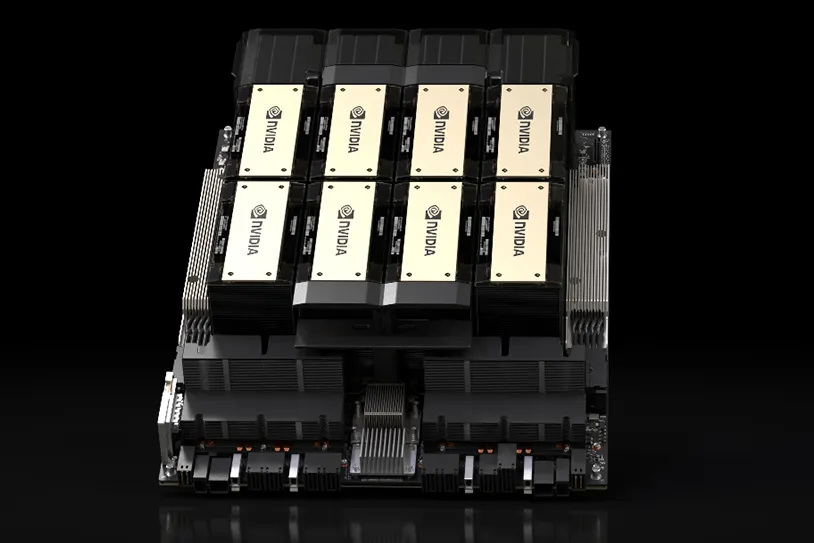
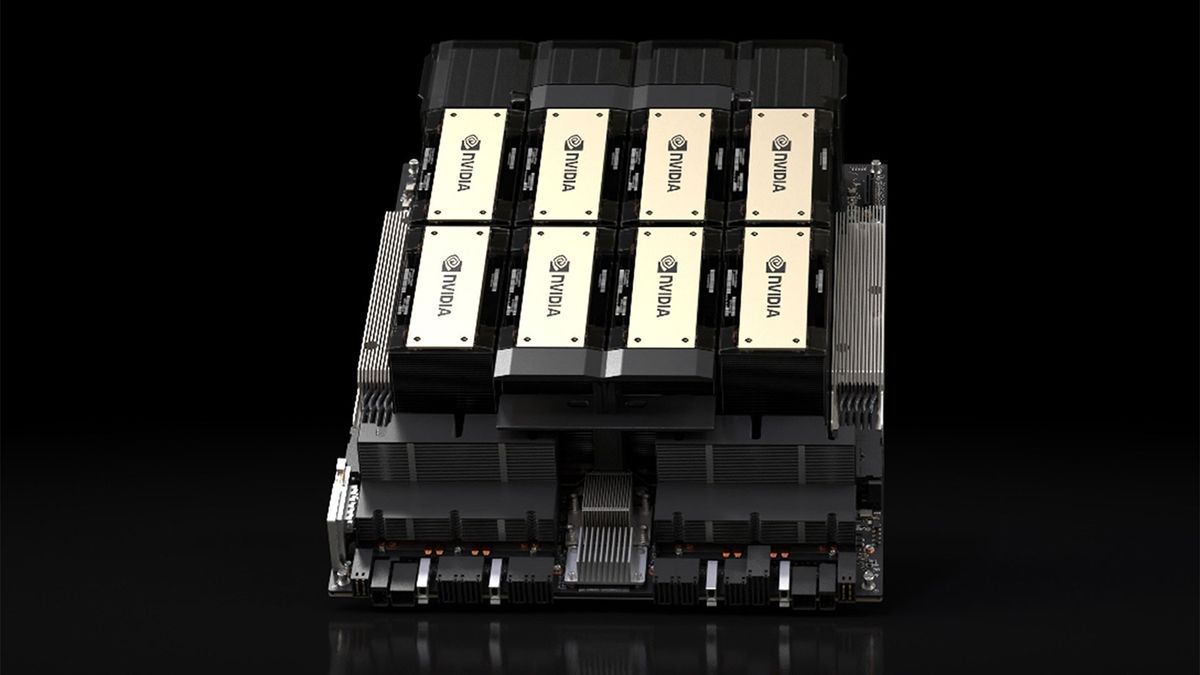
Key strategic implications emerge from the multilayered export restrictions: Chinese customs have blocked Nvidia's H200 AI chips despite previous US government clearance, creating significant uncertainty in global technology supply chains. The blockade affects an anticipated one million potential orders, with suppliers already preparing for potential March 2026 shipments. This development highlights the intensifying technological decoupling between major economies, where semiconductor technologies have become a critical battleground for technological supremacy.
For cross-border technology sellers, the landscape demands sophisticated risk management and adaptive strategies. The export mechanism now involves intricate processes, including US-designed chips manufactured in Taiwan, passing through US laboratories with a 25% tariff imposed. Technology sellers must now navigate increasingly complex regulatory environments, potentially requiring:
- Diversified supply chain models
- Enhanced compliance documentation
- Flexible international sourcing strategies
- Continuous monitoring of evolving export regulations
The broader context suggests an escalating trend of technological restrictions, with memory chip shortages and stringent export licensing conditions further complicating international technology transfers. E-commerce technology sellers should anticipate potential disruptions, invest in resilient supply chain infrastructure, and develop comprehensive contingency planning to mitigate emerging geopolitical risks.
問題 4
What alternative strategies can technology sellers explore?
Sellers should consider diversifying supply chains, exploring alternative manufacturing regions, investing in local technology development, and maintaining flexible international sourcing networks to mitigate potential export restrictions.
What are the key challenges for technology exporters under these new restrictions?
Exporters must navigate complex licensing processes, manage tight memory chip supplies, and develop sophisticated certification strategies. The new regulations require detailed documentation proving that shipments won't create domestic market shortages.