



Geopolitical Shifts Impact Cross-Border E-Commerce Strategy in 2026
- 5 Critical Market Transformations for Global Sellers


















概览
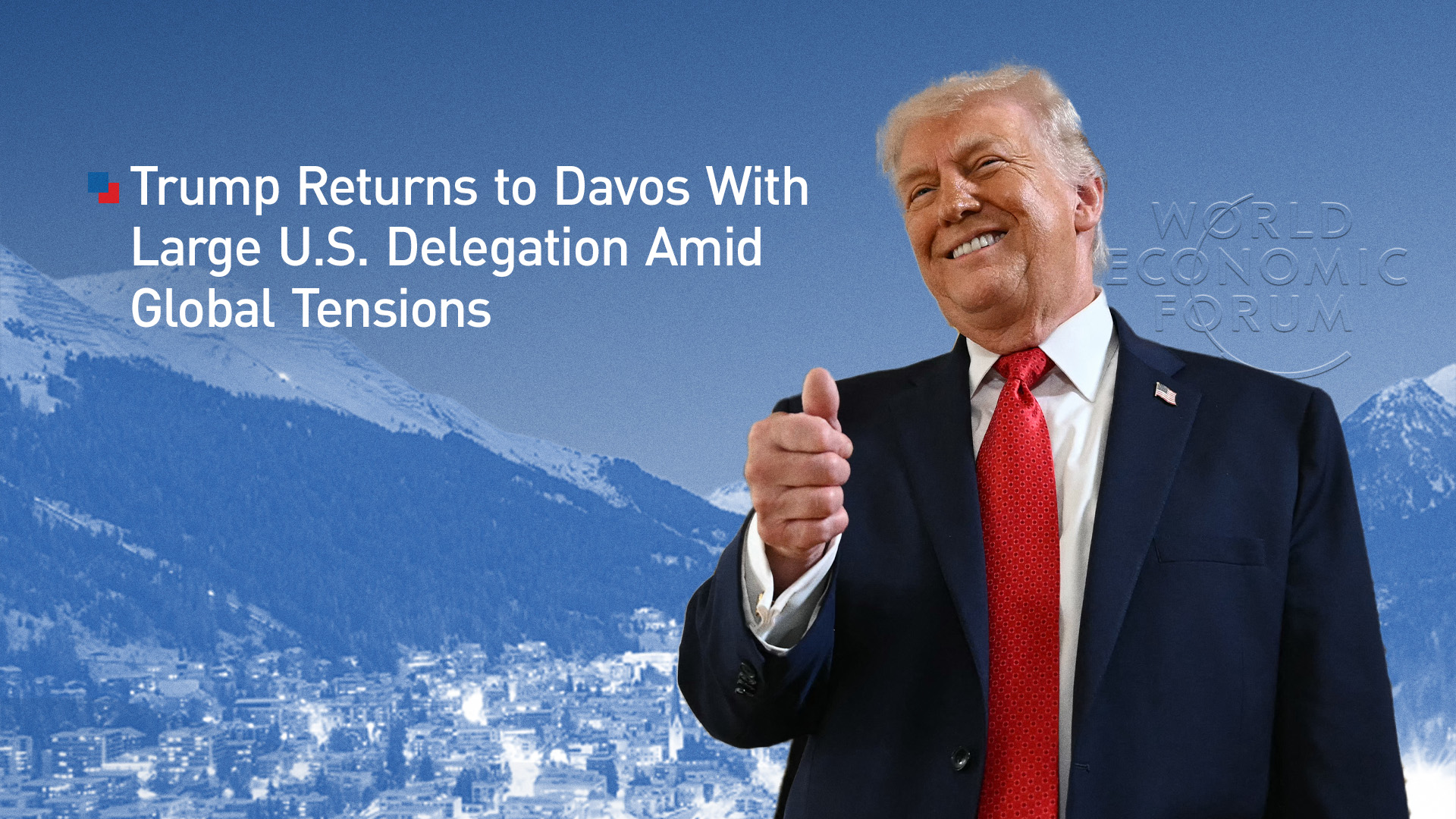
The 2026 World Economic Forum in Davos represents a pivotal moment for cross-border e-commerce sellers, revealing complex geopolitical dynamics that will fundamentally reshape international trade strategies. Global trade tensions and technological disruptions are creating unprecedented challenges and opportunities for digital merchants operating across international markets.
Key Strategic Implications for E-Commerce Sellers: The forum highlights three critical market transformations. First, China's massive trade surplus of over $1 trillion in 2025 signals potential tariff rebalancing and market access shifts. Sellers must proactively diversify sourcing strategies, potentially exploring alternative manufacturing hubs in Southeast Asia and India to mitigate geopolitical risks.
Technological and Regulatory Landscape is experiencing rapid evolution. With leaders like Ursula von der Leyen and Emmanuel Macron discussing central bank independence and trade regulations, cross-border sellers should anticipate more complex compliance environments. The trend suggests increased scrutiny of digital transactions, requiring more sophisticated cross-border payment and tax management systems.
Geopolitical Risk Management emerges as a critical competency. The forum's discussions around potential regional transformations—particularly concerning Iran and ongoing global tensions—underscore the need for agile market entry strategies. Sellers must develop robust scenario planning capabilities, potentially creating flexible supply chain models that can quickly adapt to changing political landscapes.
Corporate leaders like Nvidia's Jensen Huang demonstrate that navigating geopolitical uncertainties requires a combination of strategic foresight and operational flexibility. For e-commerce sellers, this translates to investing in market intelligence, developing multi-regional fulfillment capabilities, and maintaining adaptable digital infrastructure.
問題 4
How can sellers prepare for increasing regulatory complexity?
Invest in advanced tax management software, develop comprehensive compliance teams, stay updated on international trade regulations, and create flexible business models that can quickly adapt to changing geopolitical landscapes.
How will geopolitical tensions impact cross-border e-commerce in 2026?
Sellers can expect increased compliance requirements, potential tariff fluctuations, and a need for more sophisticated market entry strategies. The key will be maintaining flexible supply chains and developing multi-regional fulfillment capabilities to mitigate geopolitical risks.