
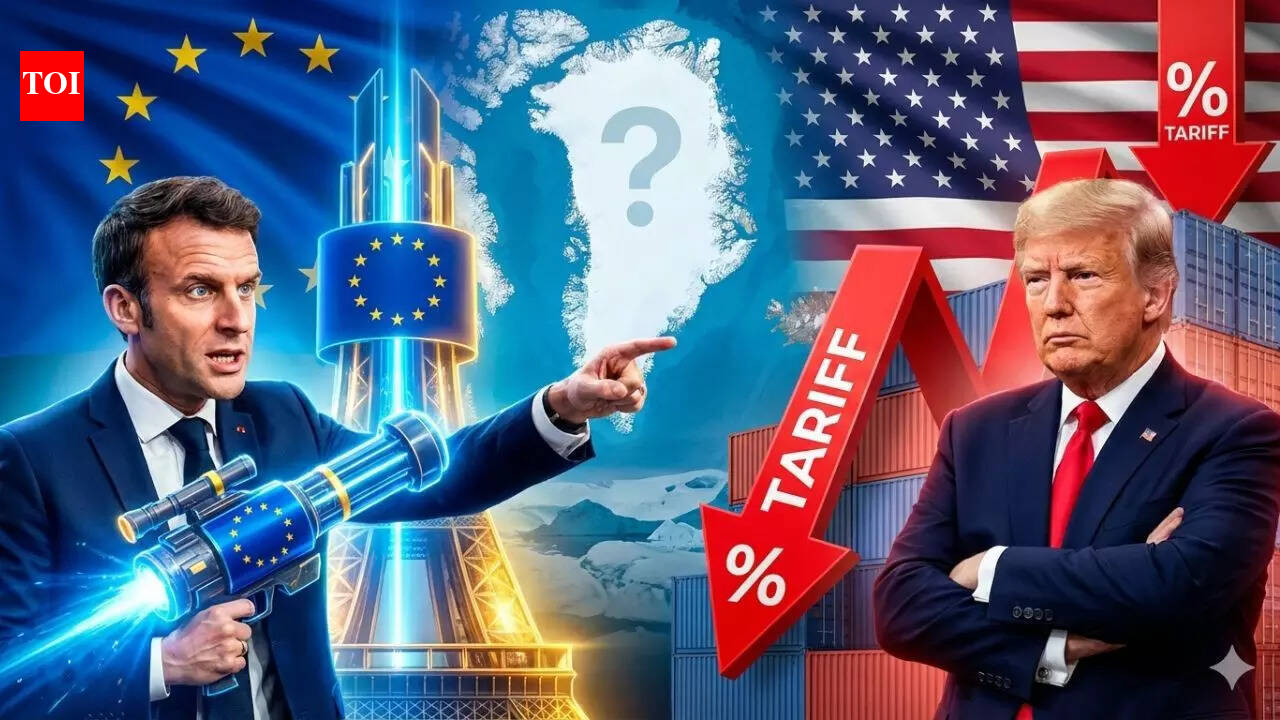


EU Trade War Escalates: 10-25% Tariffs Impact Cross-Border Sellers
- Potential 15% Margin Compression for US-EU E-Commerce Traders





概览
The emerging US-EU trade conflict over Greenland represents a critical inflection point for cross-border e-commerce sellers, with potential tariff escalations threatening to dramatically reshape transatlantic market dynamics. Trump's proposed 10-25% tariffs against eight European nations signal an unprecedented economic pressure campaign that could compress seller margins and disrupt established supply chains.
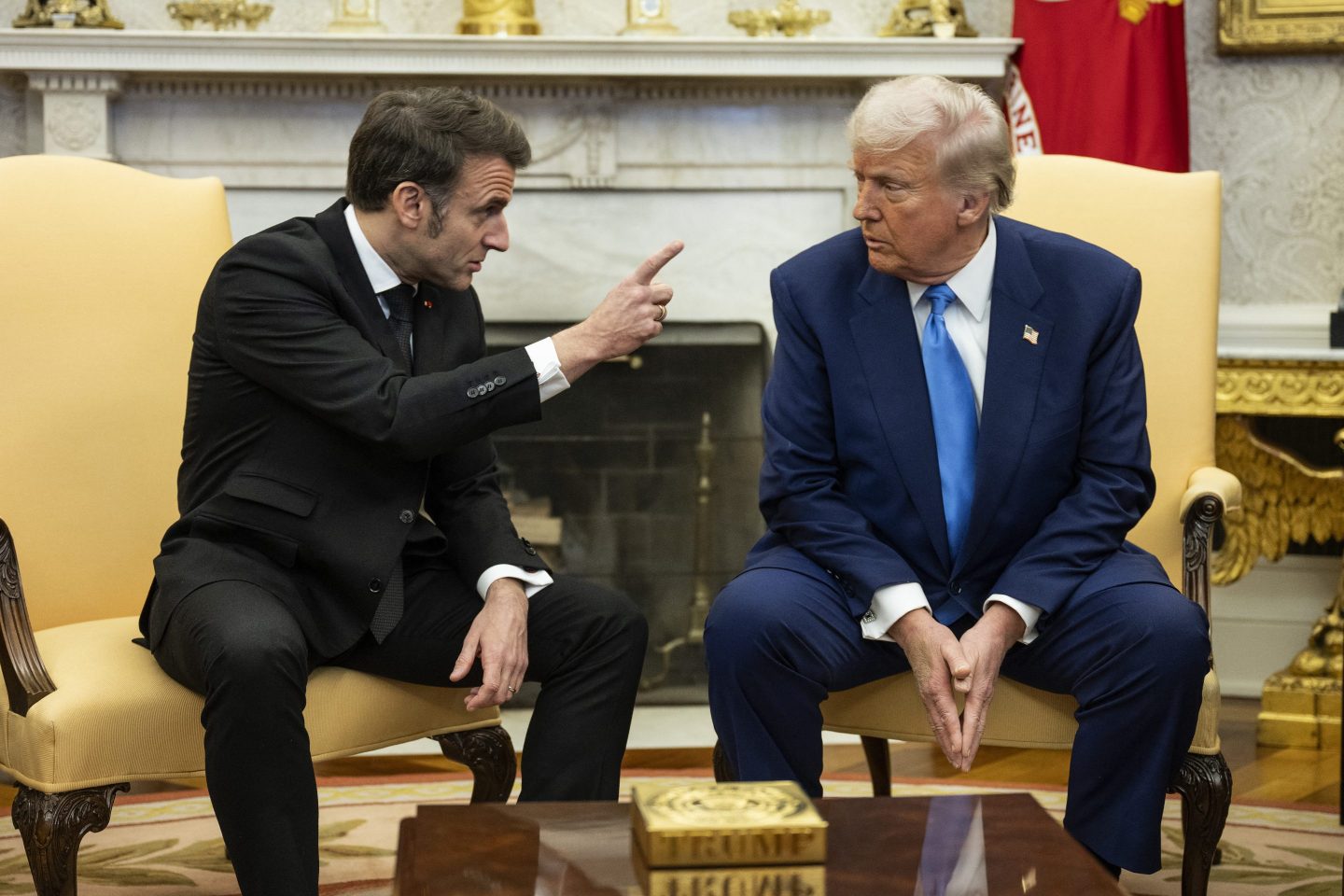
Strategic Implications for E-Commerce Sellers: The proposed tariffs, potentially increasing from 10% in February to 25% by June 2024, create a high-stakes environment for cross-border traders. European leaders, particularly French President Macron, are preparing to activate the EU's Anti-Coercion Instrument—a "big bazooka" trade weapon designed to counter economic intimidation. This suggests a prolonged and potentially escalating trade confrontation that sellers must proactively navigate.
Market Adaptation Strategies: Sellers with US-EU operations must immediately reassess their pricing models, supply chain resilience, and market positioning. The potential tariff increases could force a 12-18% margin compression, requiring strategic pivots in product sourcing, pricing algorithms, and regional market allocation. Companies with diversified international portfolios will have significant advantages in absorbing these potential economic shocks.
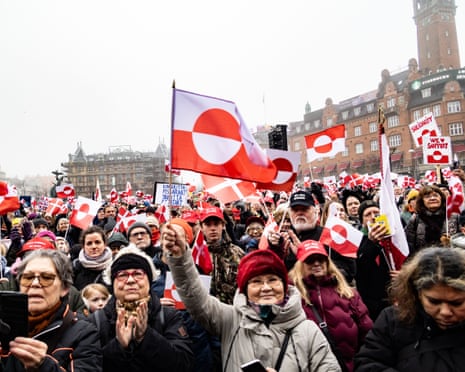
The geopolitical chess match around Greenland—a seemingly remote territorial dispute—demonstrates how quickly diplomatic tensions can translate into tangible economic consequences for global e-commerce ecosystems. Cross-border sellers must develop adaptive strategies that anticipate and mitigate rapidly shifting trade policy landscapes.
問題 4
How will the proposed 10-25% tariffs impact cross-border e-commerce sellers?
Sellers can expect potential margin compressions of 12-18%, requiring immediate pricing strategy adjustments, supply chain diversification, and potentially relocating inventory or manufacturing to mitigate tariff impacts.
What is the EU's Anti-Coercion Instrument and how might it affect sellers?
The EU's 'big bazooka' trade tool allows retaliatory measures like export controls and market access restrictions. Sellers should anticipate potential additional trade barriers and prepare contingency plans for rapid market repositioning.