




Chile Wildfire Disaster | E-Commerce Resilience Insights
- Impact Signals for Cross-Border Sellers in Disaster-Prone Regions














概览
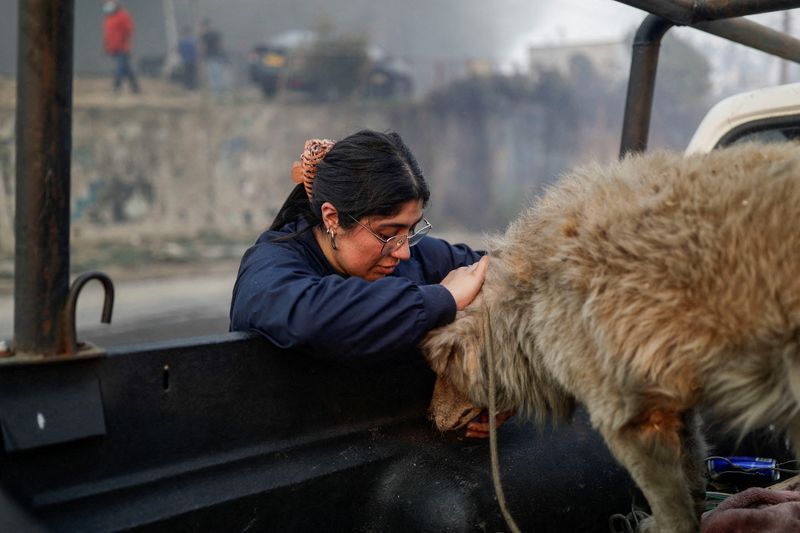
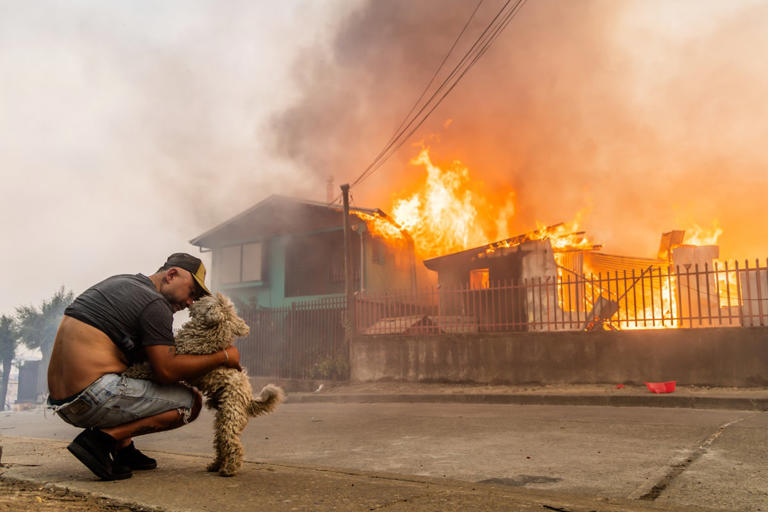
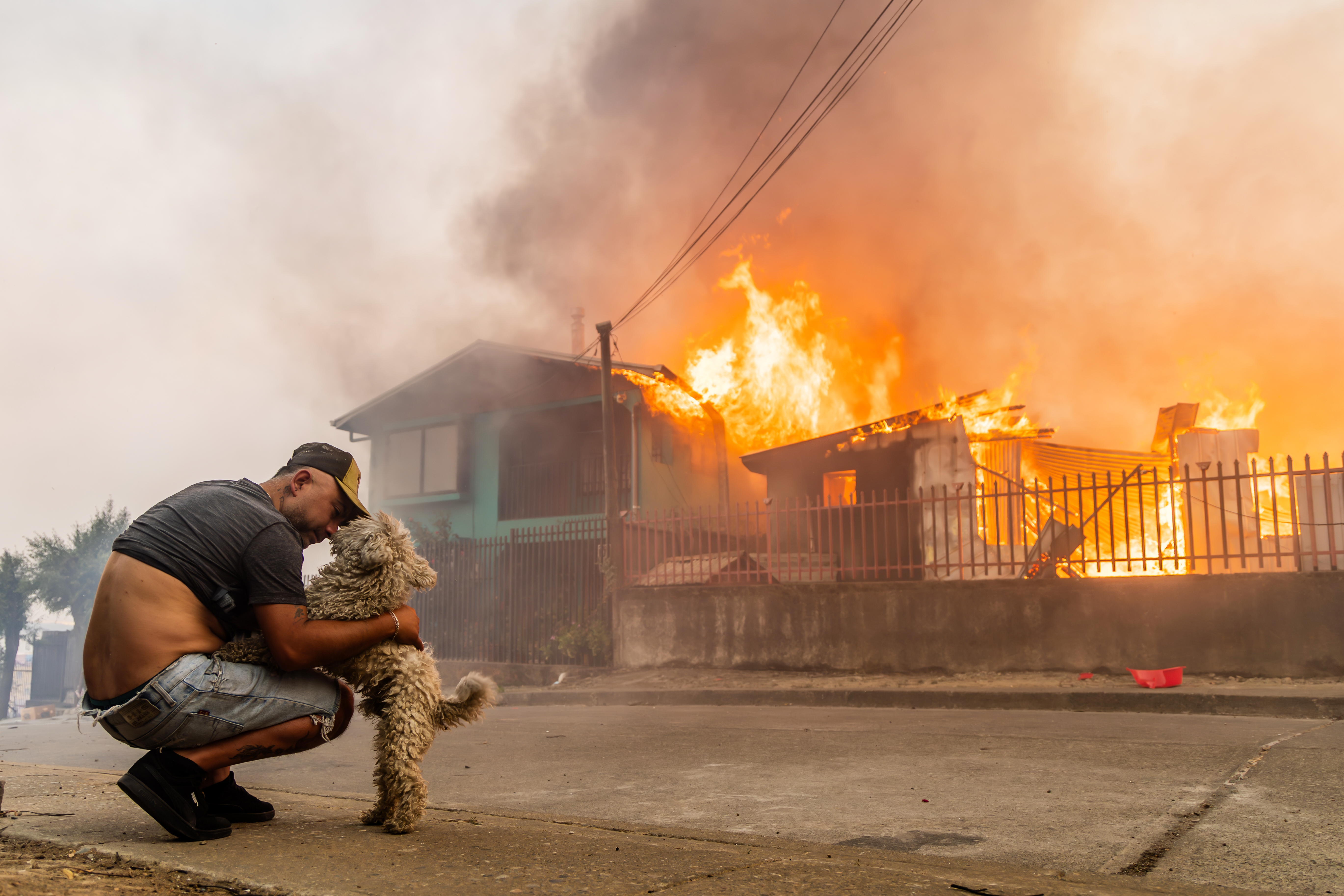
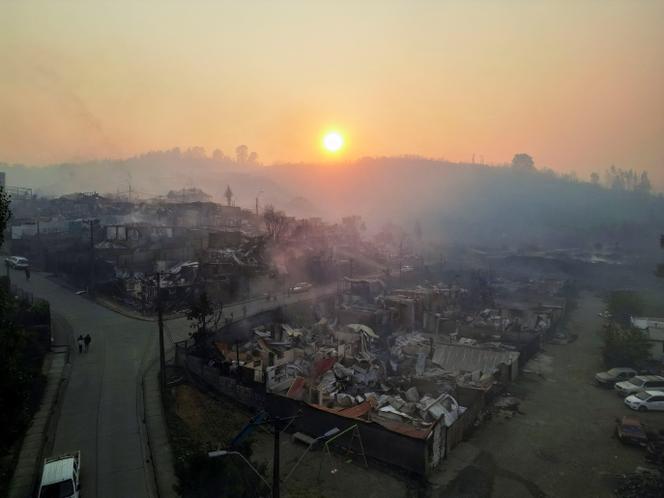
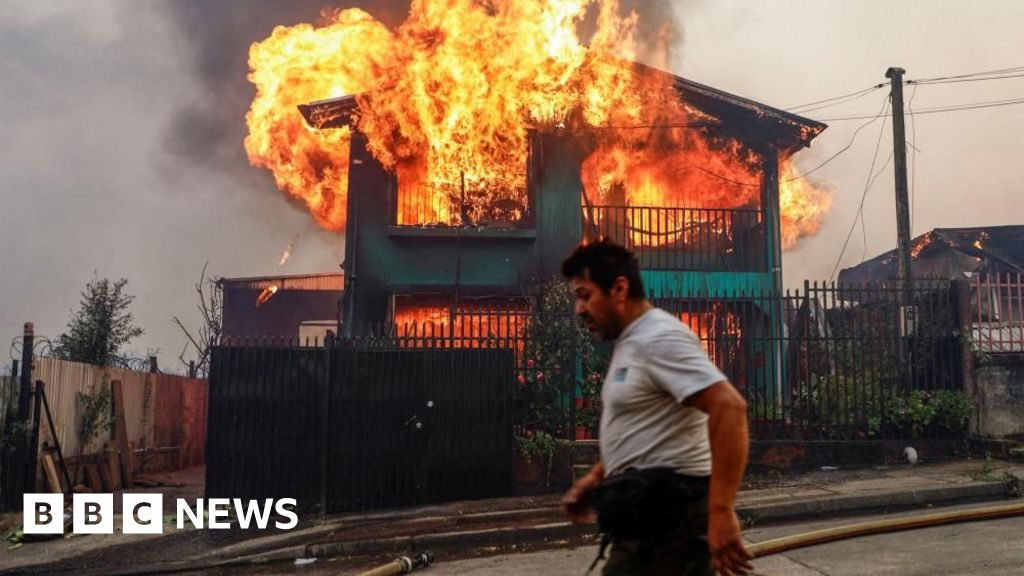
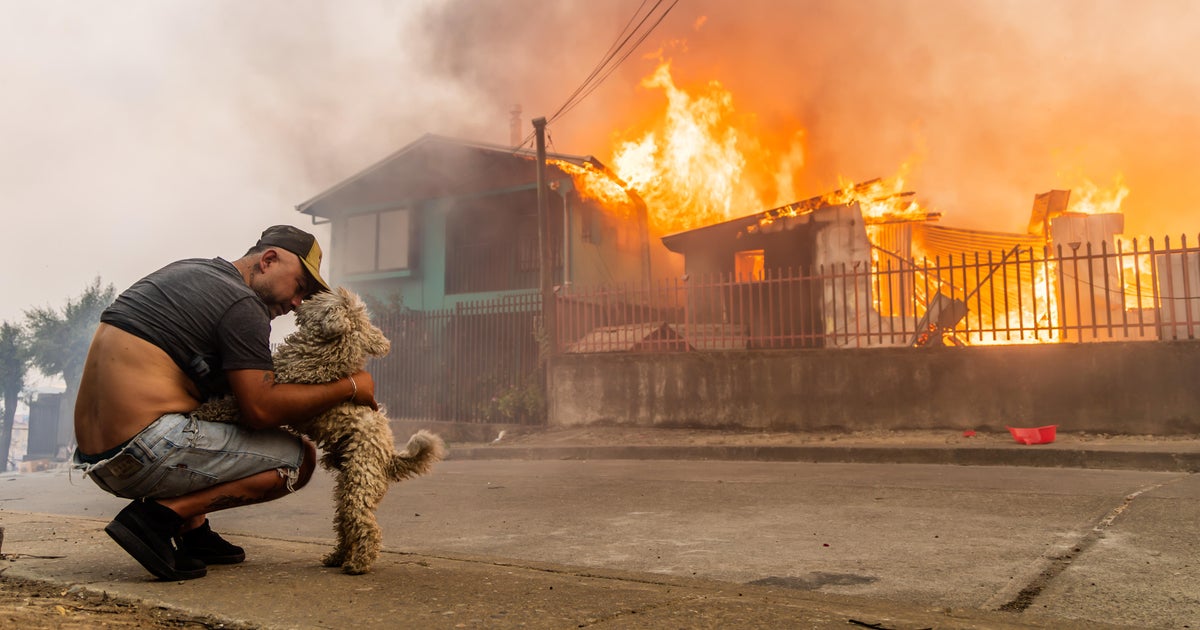
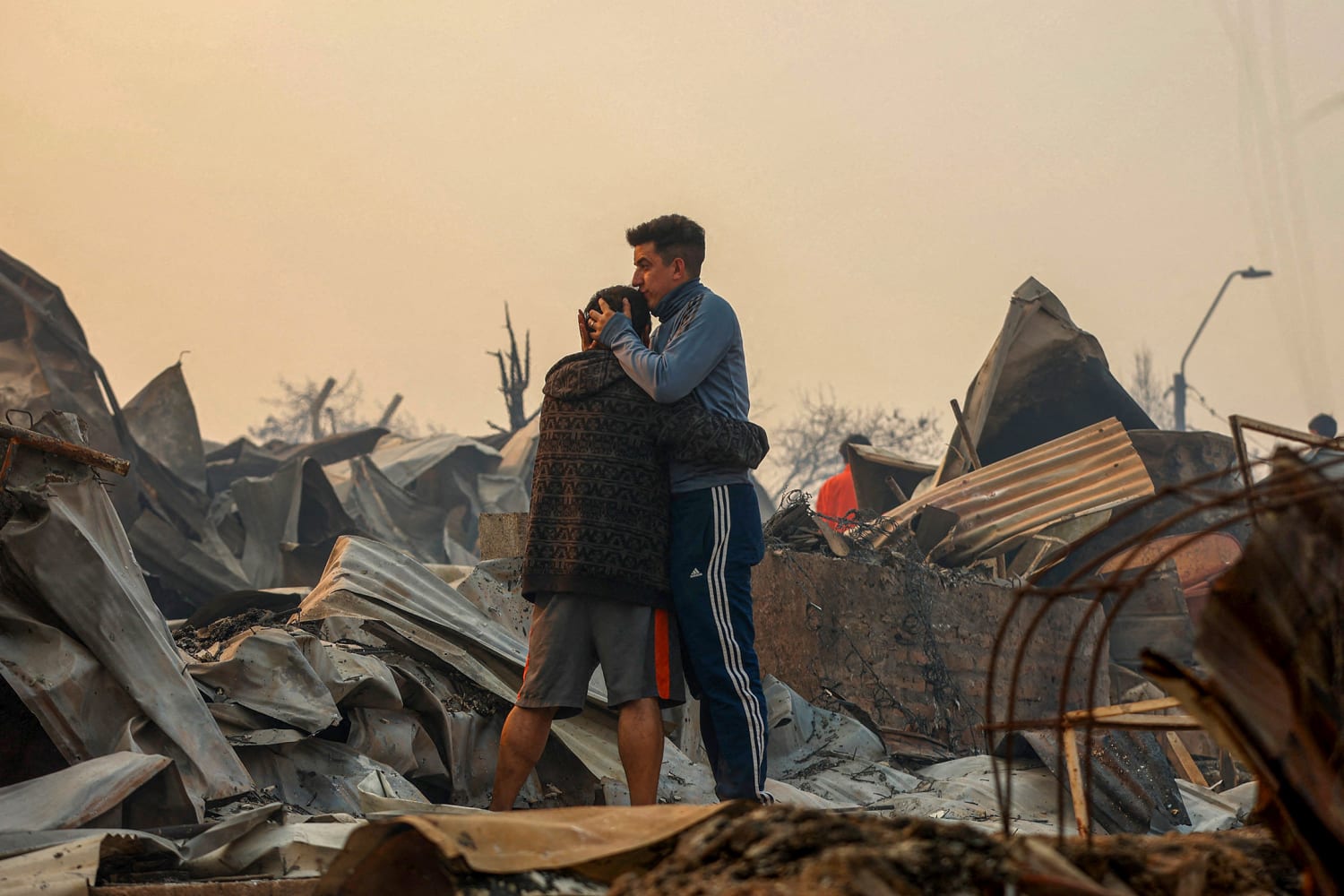
The devastating forest fires in Chile's Biobio and Nuble regions represent a critical case study in climate-related market disruption, with profound implications for cross-border e-commerce sellers operating in environmentally vulnerable territories.
Strategic Market Vulnerability Assessment The wildfires, which have claimed 16 lives and displaced over 50,000 people, underscore the urgent need for adaptive e-commerce strategies in high-risk geographical zones. With 250 homes destroyed and 20,000 hectares affected, the crisis reveals multiple operational risks for digital sellers: supply chain interruption, infrastructure fragility, and rapid market transformation.
E-Commerce Resilience Opportunities Sellers can leverage this crisis by developing specialized product categories addressing disaster preparedness:
- Emergency supply kits
- Climate-resilient packaging
- Remote work/relocation technologies
- Insurance and risk management digital services
The recurring nature of these disasters—following similar events in February 2024 and now in January 2026—signals a structural market shift. E-commerce platforms must integrate climate risk modeling into their seller support ecosystems, providing predictive analytics and adaptive logistics frameworks.
Operational Recommendations
- Develop multi-region inventory distribution strategies
- Create flexible shipping protocols for disaster zones
- Invest in real-time supply chain monitoring technologies
- Design product lines with enhanced durability and emergency utility
The Chile wildfire scenario demonstrates that modern e-commerce success requires more than transactional capabilities—it demands comprehensive risk intelligence and adaptive market responsiveness.
問題 4
What lessons can sellers learn from the Chile wildfire crisis?
Sellers must develop adaptive strategies that prioritize market resilience, invest in predictive technologies, create diversified supply chains, and design products that provide utility during environmental emergencies.
How can e-commerce platforms support sellers in disaster zones?
Platforms can provide real-time risk analytics, flexible shipping protocols, multi-region inventory distribution tools, and specialized insurance products that protect sellers against infrastructure disruptions.