



Guatemala Security Alert | Logistics Risk for Cross-Border Sellers
- Impacts 200+ Regional E-Commerce Businesses with Supply Chain Exposure









概览
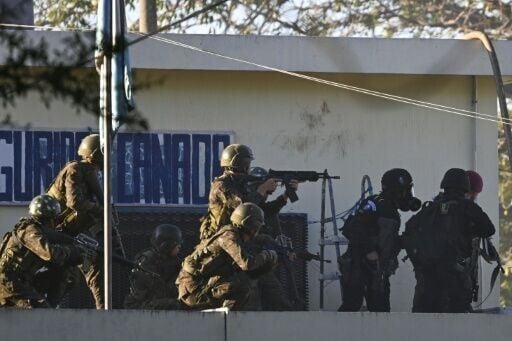
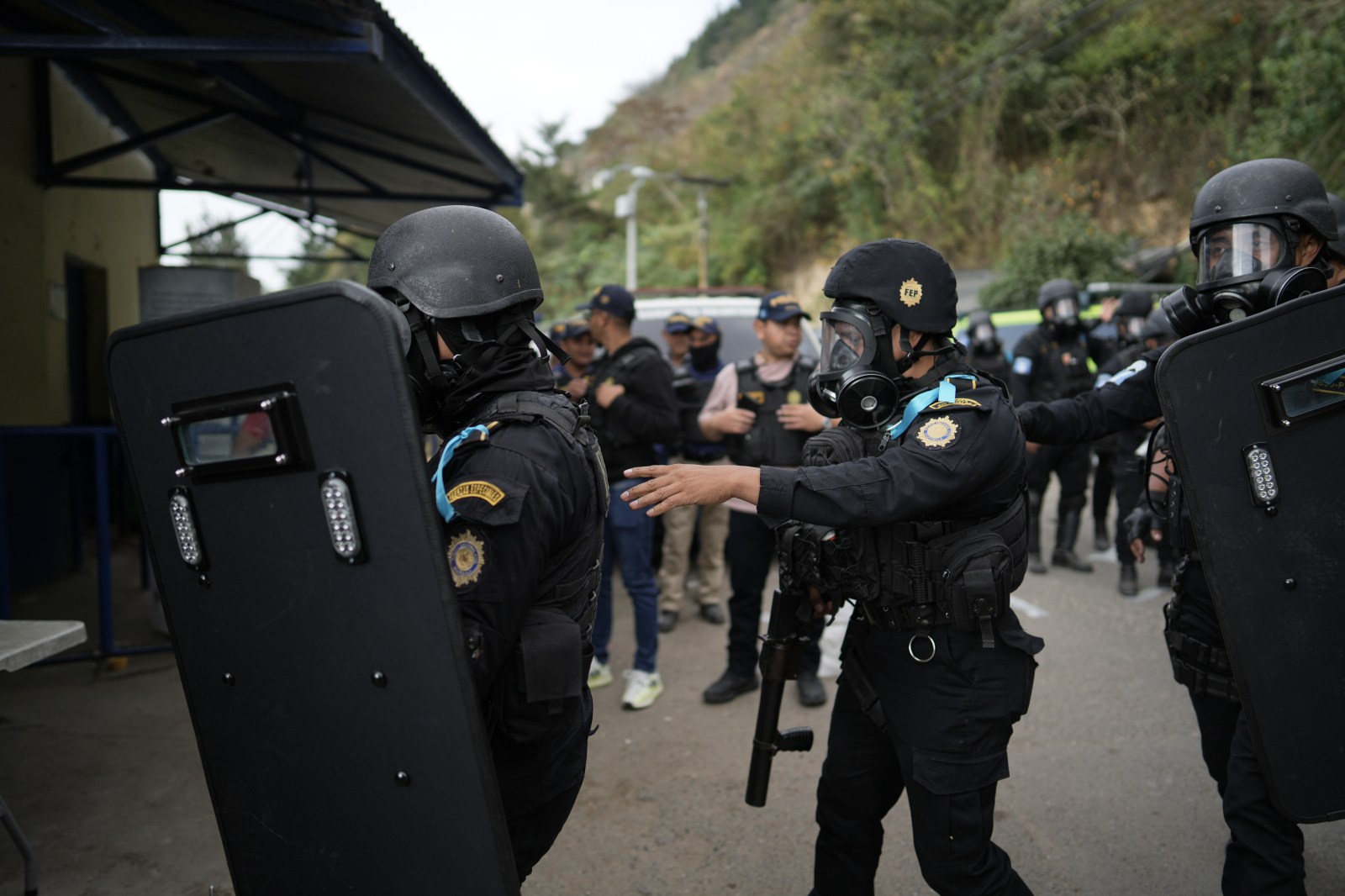
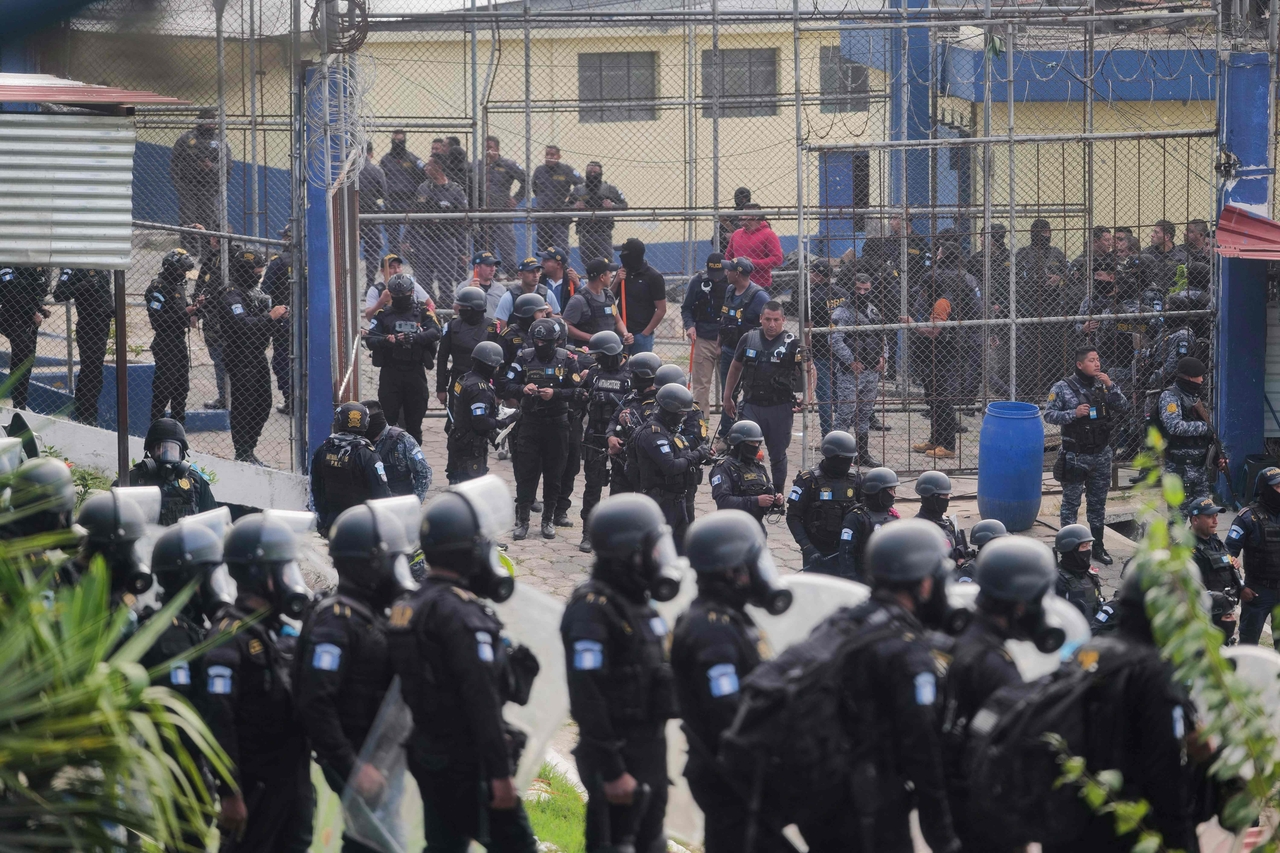
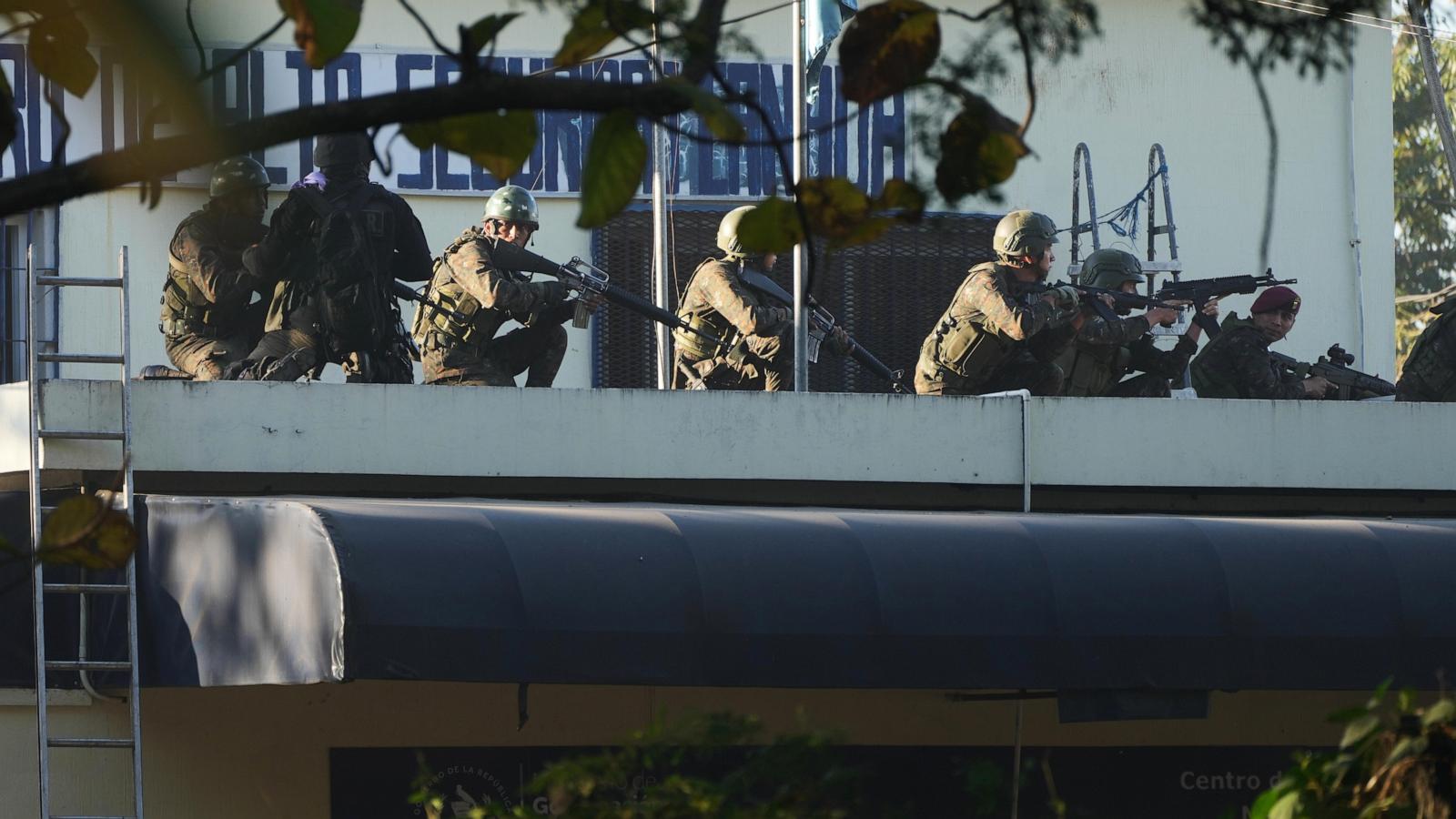
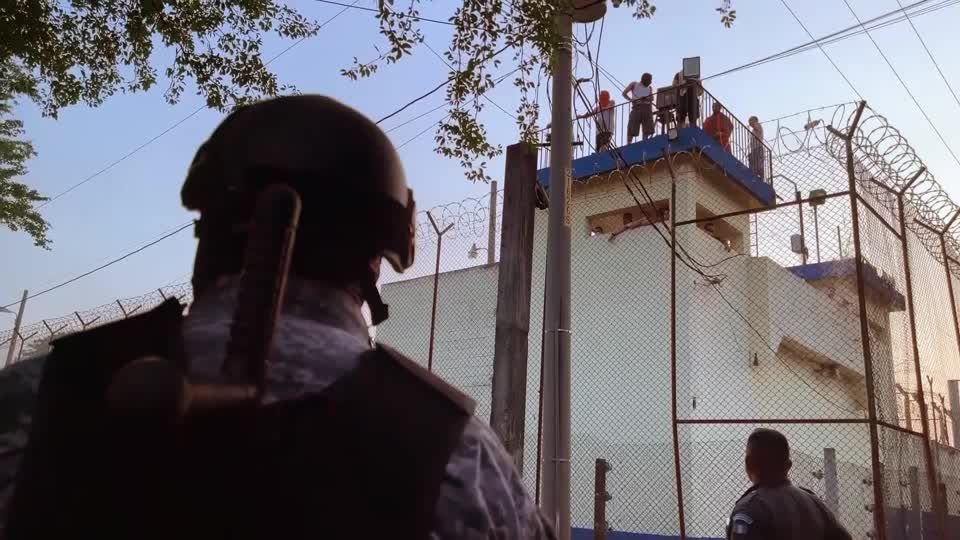
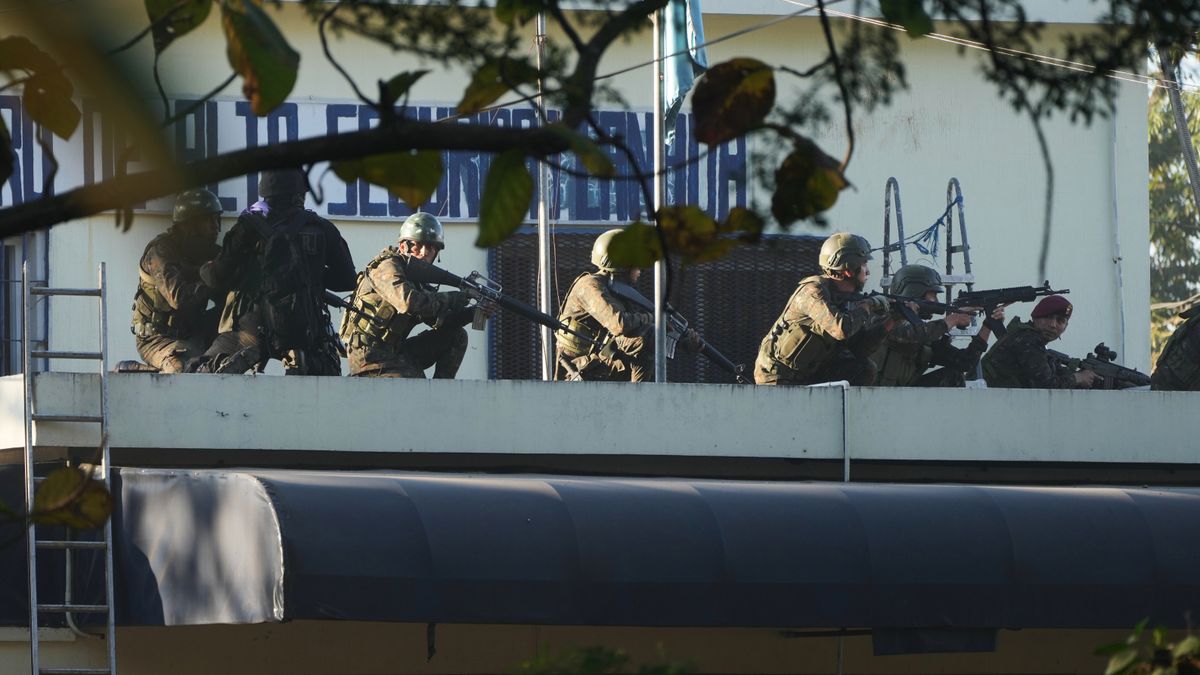
The January 18, 2026 security crisis in Guatemala represents a critical operational risk assessment for cross-border e-commerce sellers with regional logistics and supply chain investments. The 30-day state of siege declared by President Bernardo Arevalo signals significant disruption potential for businesses operating in Central American markets.
Cross-border sellers must immediately evaluate their Guatemala-based operational infrastructure, focusing on three key risk domains:
- Logistics Network Vulnerability: The simultaneous gang attacks and prison riots demonstrate extreme volatility in transportation networks. Sellers with warehousing, fulfillment, or transportation assets in Guatemala face potential 30-50% operational disruption. The U.S. Embassy's security alert underscores the need for rapid contingency planning, including:
- Alternative routing strategies
- Emergency inventory relocation protocols
- Backup logistics provider agreements
- Personnel Safety Protocols: With seven police officers killed and ten injured, the security environment demands comprehensive risk management. E-commerce businesses must:
- Implement enhanced communication systems
- Develop emergency evacuation plans
- Provide comprehensive security training for local teams
- Supply Chain Resilience: The Barrio 18 gang's terrorist classification and government's aggressive response indicate a prolonged period of uncertainty. Sellers should:
- Diversify regional sourcing strategies
- Maintain flexible inventory positioning
- Develop multi-country logistics redundancies
The crisis highlights the critical importance of adaptive operational strategies in volatile emerging markets. Successful cross-border sellers will transform this challenge into a competitive differentiation opportunity by demonstrating superior risk management capabilities.
問題 4
What specific actions should e-commerce businesses take in response to the security alert?
Businesses should immediately: 1) Review and update logistics routes, 2) Establish backup transportation providers, 3) Implement enhanced communication systems, 4) Develop emergency evacuation plans, and 5) Diversify regional sourcing strategies to minimize exposure.
What is the potential operational disruption for sellers in Guatemala?
Sellers may experience 30-50% operational disruption, including potential transportation network challenges, warehouse access limitations, and increased security risks for personnel and inventory.