
Brand IP Management: Gaming's Hidden Marketing Battlefield
- Reveals Critical Branding Strategies for 50K+ Gaming Merchandise Sellers
概览
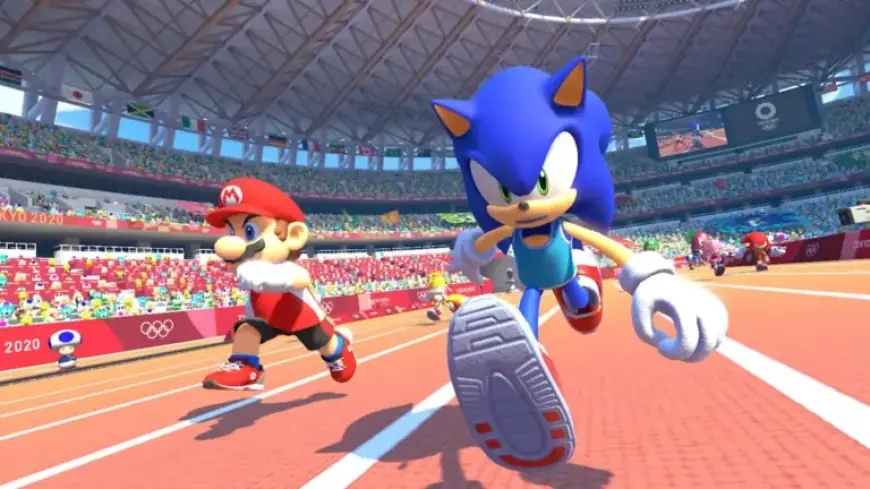
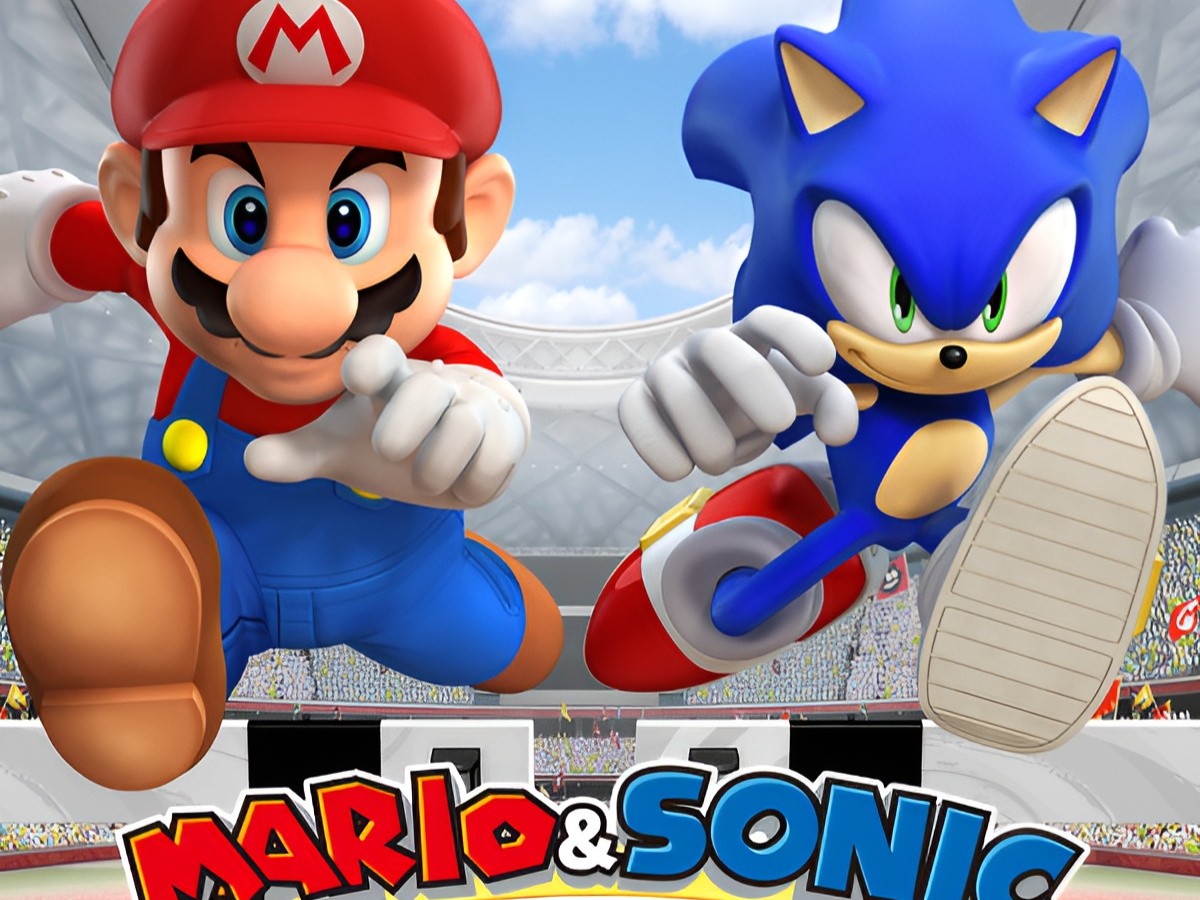
The Nintendo-Sega artwork controversy unveils a critical lesson in intellectual property management that extends far beyond gaming into the broader world of e-commerce and brand protection. Nintendo's meticulous control over character representation demonstrates a strategic approach to maintaining brand hierarchy and visual dominance.
The incident involving Mario and Sonic's positioning in Olympic Games artwork reveals profound insights for digital sellers and brand managers. Nintendo's insistence on Mario being visually positioned ahead of Sonic highlights the microscopic attention to brand perception that can make or break product marketability. For e-commerce sellers, this translates into a fundamental principle: every visual detail matters in brand storytelling.
Key Seller Implications:
- Visual brand positioning is a critical competitive strategy
- Intellectual property management goes beyond legal protection
- Character hierarchy can significantly impact merchandise value
- Collaborative projects require nuanced brand negotiation
The six-installment Mario & Sonic Olympic Games series serves as a case study in cross-brand collaboration. Despite being former rivals, Sega and Nintendo demonstrated how strategic partnerships can emerge when both parties respect each other's brand integrity. For cross-border sellers, this underscores the importance of understanding cultural nuances and brand sensitivities in international marketplaces.
Merchandise sellers in gaming, collectibles, and pop culture categories can extract critical lessons: protect your brand's visual narrative, maintain consistent character representation, and view every product image as a strategic communication tool. The seemingly minor artwork adjustment represents a multimillion-dollar approach to brand management that transcends individual product lines.
問題 4
How can sellers protect their brand's visual identity in competitive markets?
Sellers should develop clear brand guidelines, consistently apply visual standards across all platforms, monitor brand representation in collaborative projects, and be prepared to negotiate terms that protect their brand's core visual identity and market positioning.
How does Nintendo's brand management strategy impact merchandise sellers?
Nintendo's approach demonstrates the critical importance of maintaining consistent brand visual hierarchy. Sellers should prioritize brand integrity, understand character positioning, and create merchandise that respects the original brand's visual narrative and character relationships.